
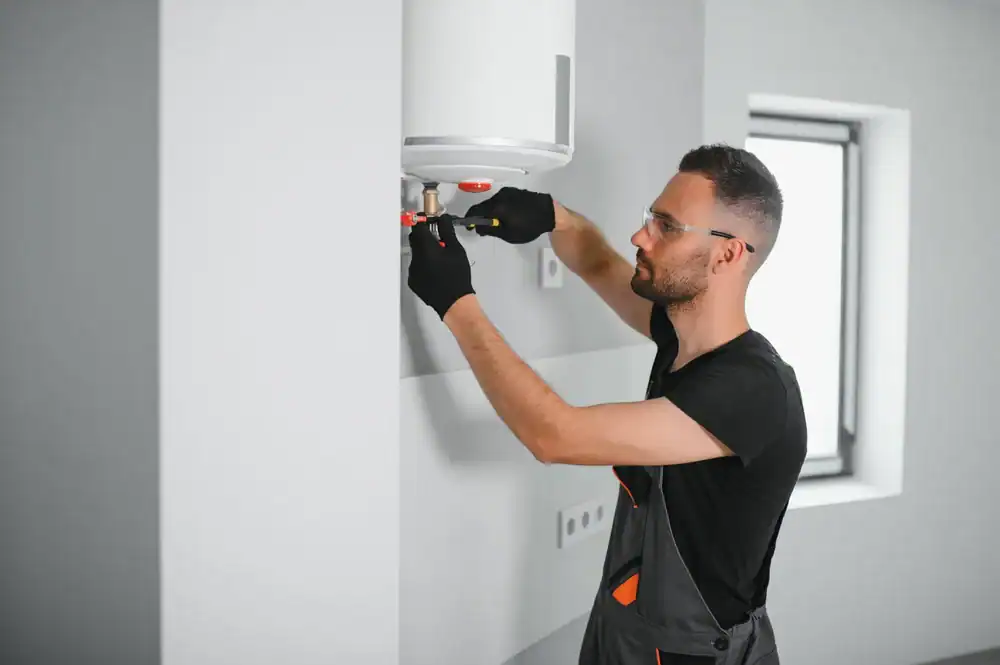
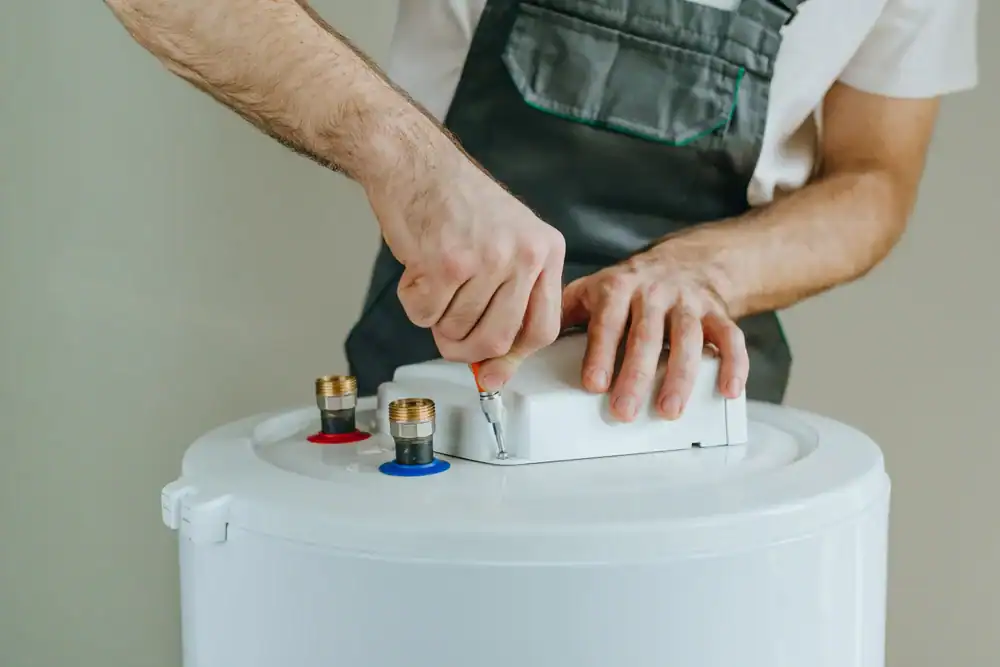
When your water heater starts acting up, it doesn’t wait for a convenient time. You’re dealing with lukewarm showers, leaks pooling near the tank, or that unsettling rumbling noise that means sediment’s building up inside.
Here’s what changes when you get it fixed right. Your hot water comes back consistently—no more adjusting the tap mid-shower hoping for warmth. Your energy bill stops climbing because the system isn’t working overtime to heat water through layers of mineral buildup. And if you’re near the coast in Indialantic, you’re not wondering whether salt air and humidity are slowly corroding your tank while you wait.
We handle water heater installation, repair, and replacement for all types—tank, tankless, gas, electric. The goal isn’t just getting your hot water back. It’s making sure the system runs efficiently so you’re not paying extra on utilities or facing another breakdown in six months.
We’ve been handling plumbing and water heater issues across the Tampa Bay area for over 30 years. We’re licensed, insured, and we’ve seen what Florida’s water does to these systems—the hard water deposits, the corrosion from coastal humidity, the way a water heater that should last 10 years barely makes it to seven if it’s not maintained.
Indialantic sits right on the coast, which means your water heater faces challenges that don’t exist inland. Salt air accelerates rust. Mineral-heavy water leaves sediment that hardens at the bottom of your tank. Hurricane season means your installation needs to be secured properly, not just dropped in and connected.
We show up when we say we will. We explain what’s wrong in plain language, give you a price before we start, and back our work with a satisfaction guarantee.
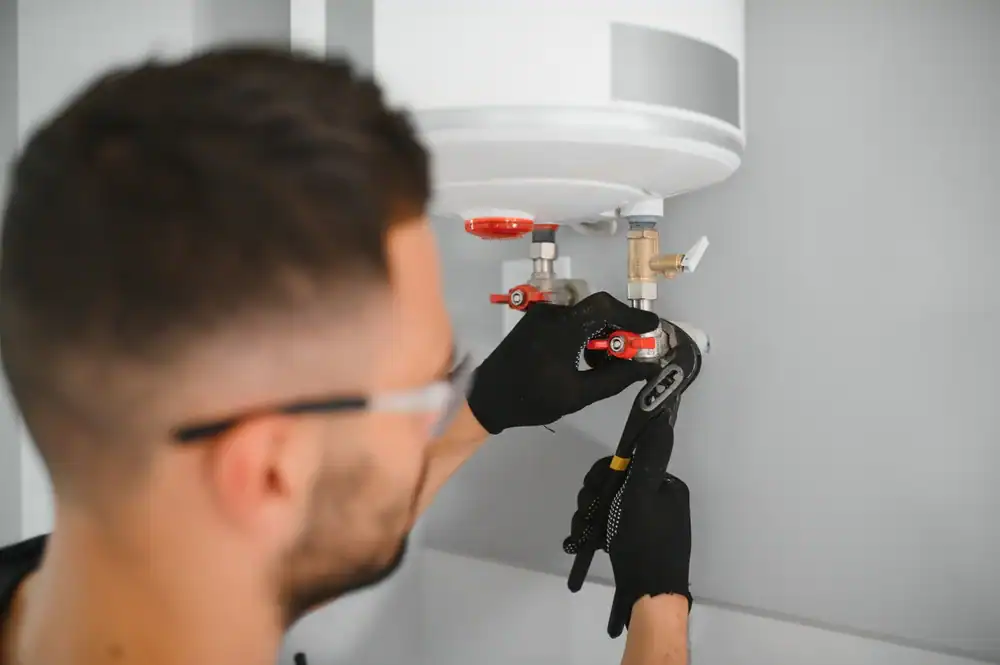
First, we listen. You tell us what’s happening—no hot water, strange noises, visible leaks, whatever the issue is. We schedule a time that works for you, often same-day if it’s an emergency.
When we arrive, we inspect the entire system. Not just the obvious problem, but the sensors, burners, heat exchanger, flow rates, and any signs of sediment buildup or corrosion. We’re looking for the actual cause, not just the symptom. Then we explain what we found in terms that make sense—no jargon, no upselling things you don’t need.
You get a clear price before any work starts. If it’s a repair, we source the parts and fix it. If replacement makes more sense (and we’ll tell you why), we walk through your options—traditional tank versus tankless, capacity based on your household size, energy efficiency differences. Most installations finish within 48 hours of the initial visit.
After the work’s done, we test everything, clean up, and make sure you understand how to maintain the system. Then we leave you with warranty coverage and a number to call if anything feels off.
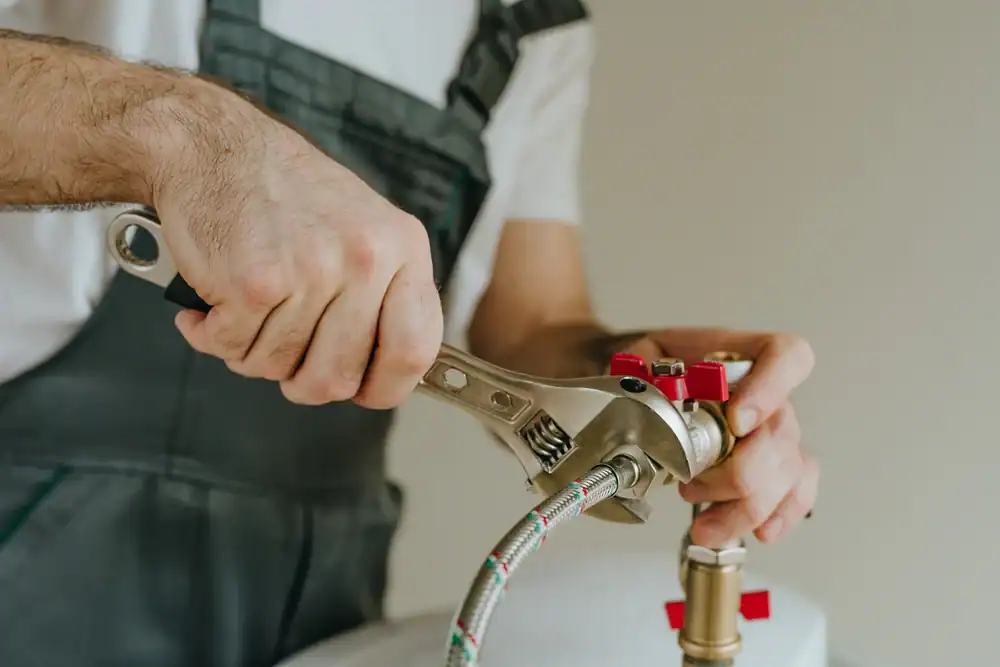
Ready to get started?
Every water heater service includes a full diagnostic check, not a quick glance and a guess. We inspect for hard water damage, which is common in Brevard County and cuts years off your system’s life if ignored. If sediment’s building up, we can flush the tank and restore capacity—sometimes adding five to ten years before you need a replacement.
For installations, we handle all types: traditional tank systems, tankless units that save space and energy, gas or electric configurations. If you’re in a flood zone or near the water, we use coastal-grade installation materials—aluminum tie-down straps and stainless steel hardware that won’t rust out in two years.
You get transparent upfront pricing, which means the quote we give is what you pay. No hidden fees for after-hours service, no surprise charges when the job’s done. Most water heaters come with a one-year labor warranty and a five-year manufacturer warranty, so you’re covered if something goes wrong.
We also offer emergency hot water service with same-day availability. If your system fails on a Sunday morning, you’re not waiting until Tuesday for someone to show up. And there’s no extra charge for that—emergency pricing is the same as regular pricing.
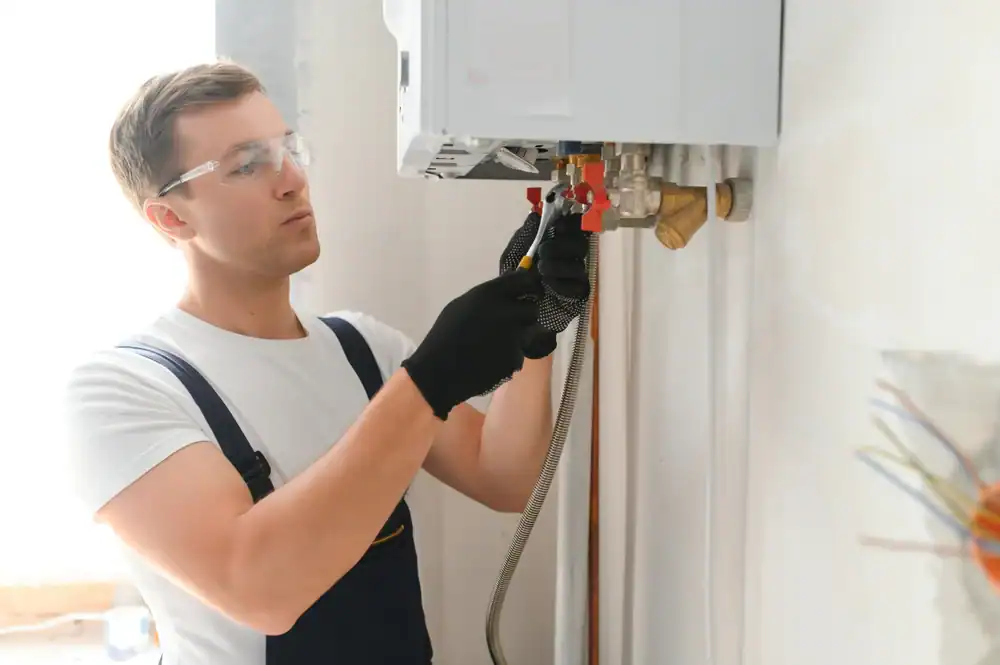
Age is the first thing to check. Most tank water heaters last 8 to 12 years, tankless systems can go 15 to 20. If yours is approaching or past that range and you’re having issues, replacement usually makes more sense than dumping money into repairs.
But age isn’t the only factor. If you’re dealing with a leak from the tank itself (not just a valve or connection), that’s not repairable—the tank’s compromised and needs replacing. Same goes if you’re seeing rusty water coming from your hot taps, which means the inside of the tank is corroding.
On the other hand, if your system’s relatively new and the problem is a faulty thermostat, heating element, or pressure relief valve, repair is straightforward and cost-effective. We’ll inspect everything, tell you what’s actually wrong, and give you honest advice on whether fixing it buys you a few more years or if you’re just delaying the inevitable. The goal is helping you make the right call for your situation, not pushing the more expensive option.
That’s sediment buildup at the bottom of your tank. Florida water is loaded with minerals—calcium and magnesium mostly—and over time those minerals settle and harden into a layer of scale. When your burner or heating element tries to heat water through that layer, it creates steam bubbles that rumble and pop as they escape.
It’s not just annoying. That sediment layer forces your system to work harder, which drives up your energy bill and shortens the lifespan of your water heater. It also reduces your tank’s effective capacity, so you run out of hot water faster even though the tank size hasn’t changed.
The fix is flushing the tank, which drains out the sediment and restores normal operation. If it’s been years since the last flush (or if it’s never been done), the sediment might be too hardened to remove completely, and you might be looking at reduced efficiency until replacement. We can assess the situation and let you know where you stand. Regular flushing—once a year in areas with hard water like Indialantic—prevents this from becoming a major issue.
Most installations are completed within 48 hours of the initial visit, often same-day if we have the unit in stock and there are no permitting delays. The actual installation work typically takes 3 to 6 hours depending on the type of system and whether we’re swapping a similar unit or changing from tank to tankless.
Here’s what affects timing. If you’re replacing a tank with another tank of the same fuel type (gas for gas, electric for electric), it’s straightforward—disconnect the old one, install the new one, test everything. If you’re switching fuel types or going from tank to tankless, there’s additional work: running new gas lines, upgrading electrical circuits, installing proper venting. That adds time and cost.
Permits can also add a day or two depending on how quickly the local building department processes them. Brevard County requires permits for water heater replacements, and we handle that paperwork as part of the service. If you’re in a hurricane zone or flood-prone area, there may be additional code requirements for elevation or securing the unit, which we factor into the installation. We’ll give you a realistic timeline upfront so you know what to expect.
Tankless systems have real advantages, but they’re not automatically the right choice for everyone. They heat water on demand instead of storing it, which means you never run out of hot water and you’re not paying to keep 40 or 50 gallons hot all day. They also take up way less space—about the size of a suitcase mounted on a wall instead of a bulky tank.
The tradeoffs are upfront cost and flow rate. Tankless units cost more to purchase and install, especially if your home needs electrical or gas line upgrades to handle the higher demand. And while you won’t run out of hot water, you can max out the flow rate if multiple people are showering while the dishwasher and washing machine are running. Sizing the unit correctly matters.
For Indialantic homes, especially smaller ones or those with limited space, tankless can be a smart move. The energy savings add up over time, and you’re not dealing with a tank that can leak and flood your utility room. But if you have a larger household with high simultaneous demand, a traditional tank might still be the more practical option. We’ll walk through your usage patterns and help you figure out what actually makes sense for how you live.
Same-day service with no extra charge for the emergency call. If your water heater fails and you need help now, we treat it the same as a scheduled appointment—same pricing, same quality work, just faster response time.
When we arrive, we diagnose the problem completely. That means checking the heating elements or burners, thermostats, pressure relief valves, gas connections or electrical supply, and looking for leaks or signs of tank failure. We’re not guessing or swapping parts hoping something works. We find the actual issue.
You get a price before we start any repair work. If it’s something we can fix on the spot, we’ll have most common parts on the truck. If it requires replacement, we’ll explain why and what your options are. The goal is getting your hot water back as quickly as possible without cutting corners or leaving you with a temporary fix that fails again in a week. Emergency service also includes cleanup and a follow-up check to make sure everything’s working properly after the repair.
Hard water is one of the biggest reasons water heaters fail early in Florida. The minerals in the water—mostly calcium and magnesium—don’t dissolve. They precipitate out when water is heated and settle at the bottom of your tank as sediment. Over time, that sediment layer gets thicker and harder.
This causes several problems. First, it insulates the water from the heat source, forcing your system to run longer and hotter to maintain temperature. That wastes energy and overworks components. Second, it reduces your tank’s effective capacity—if you have a 50-gallon tank but 10 gallons of space is filled with sediment, you only have 40 gallons of usable hot water. Third, it accelerates corrosion because the heating element or burner is constantly overheating trying to push heat through that layer.
The fix is regular maintenance. Flushing your tank annually removes sediment before it hardens and causes damage. If you’re in Indialantic where the water is particularly mineral-heavy, this isn’t optional—it’s the difference between a water heater lasting 7 years versus 12. We include sediment inspection in every service call and can flush your system as part of routine maintenance or during a repair visit.
Other Services we provide in Indialantic