
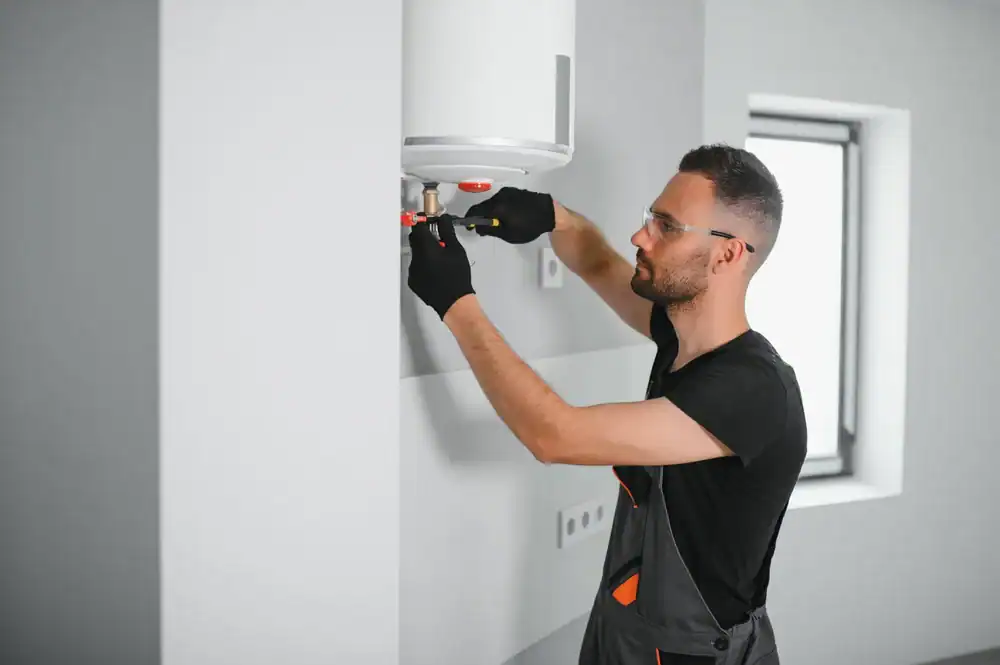
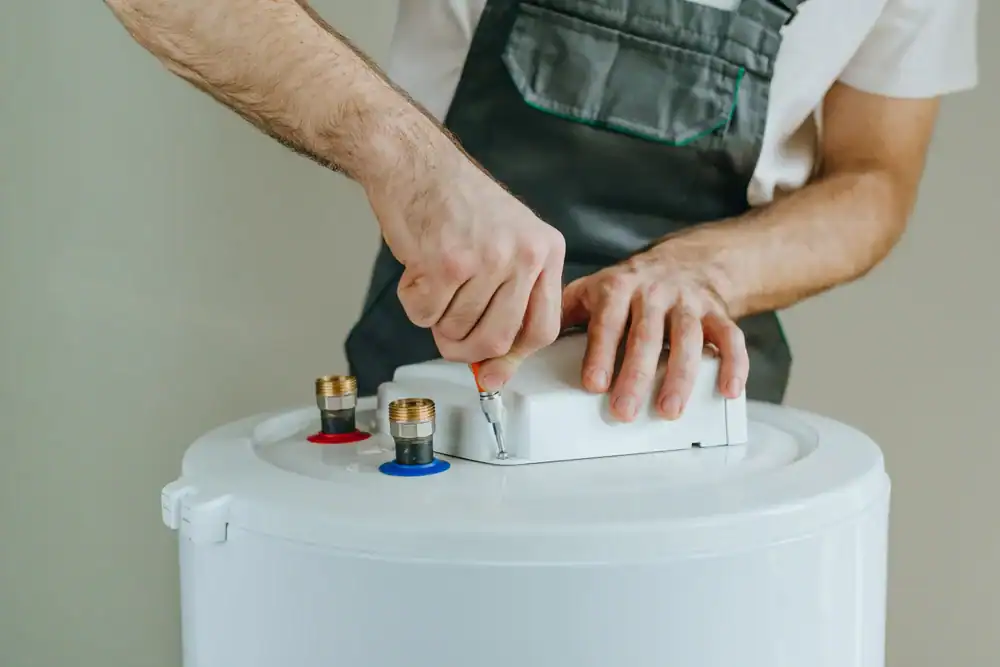
Your water heater doesn’t care that it’s 6 AM on a Tuesday. When it fails, everything stops—showers, dishes, laundry, your entire morning routine.
Most water heaters in Melbourne Village, FL don’t just die overnight. They give you warning signs weeks or months before they completely quit. Strange noises, rusty water, inconsistent temperatures, puddles around the base. If you’re seeing any of these, you’re on borrowed time.
Here’s what matters: catching problems early means you control the timeline. You get to choose between repair or replacement on your terms, not during a crisis when you’re desperate and options are limited. You avoid water damage to your floors and belongings. You keep your energy bills from spiking because of an inefficient, struggling system.
Fast response when you need it. Honest assessment of whether repair makes sense or if replacement is the smarter move. Work done right the first time so you’re not dealing with the same problem three months later.
We’ve been handling water heater installations, repairs, and replacements throughout Brevard County since 2007. Our owner Carl started in plumbing at 16, learning from the ground up, and brings over 40 years of hands-on experience plus 20 years of military service to every job.
That military background isn’t just a talking point. It means showing up on time, doing what we say we’ll do, and treating your home with respect. We’re fully licensed and insured in Florida, and we’ve seen every water heater problem this climate can throw at a system.
Melbourne Village homeowners deal with specific challenges—hard water that accelerates mineral buildup, humid coastal air that speeds up corrosion, and water chemistry that’s harder on tanks and components than most other states. We’ve handled thousands of these systems locally. We know what fails first, what’s worth repairing, and when you’re better off replacing.
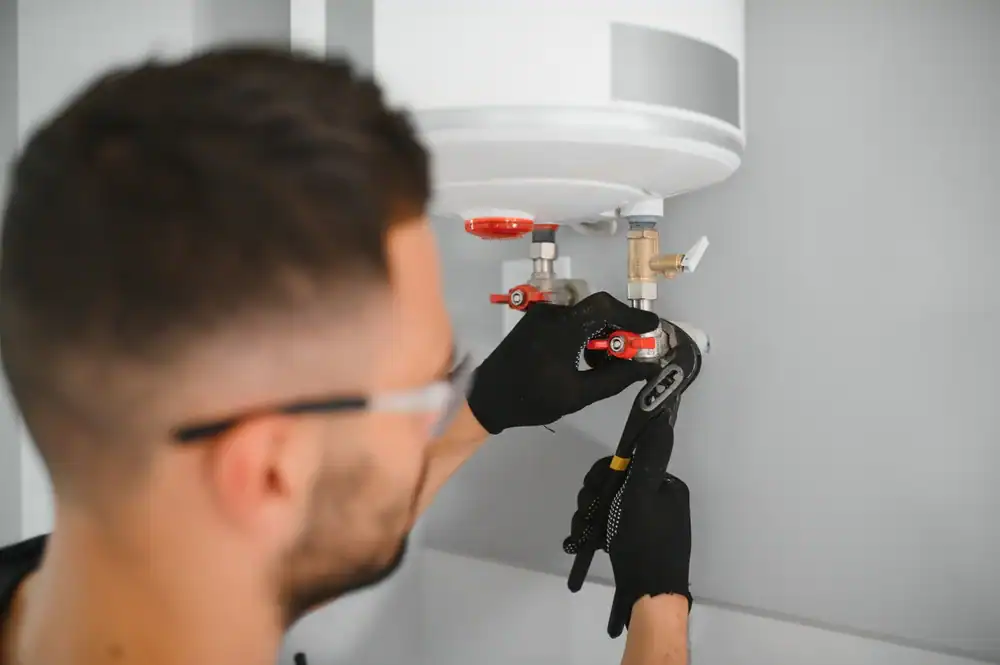
First, we listen. What’s going on with your hot water? No hot water at all, not enough, strange sounds, leaking, discolored water? How old is your current system? This tells us what we’re likely dealing with before we arrive.
We schedule a time that works for you—including emergency service if your situation can’t wait. When we show up, we diagnose the actual problem, not just the symptoms. We check the heating elements, thermostat, pressure relief valve, anode rod, and tank condition. We look for sediment buildup, corrosion, and leaks.
Then we give you options with upfront pricing. If it’s repairable and makes financial sense, we’ll tell you what that costs and how long it’ll last. If your tank is 10-plus years old and showing multiple failure points, we’ll explain why replacement is the smarter investment. If you need a different size or want to upgrade to a tankless system for better efficiency, we walk through what that looks like.
Once you decide, we handle the work—whether that’s a same-day repair or a full water heater installation. We test everything before we leave, clean up completely, and make sure you understand how to maintain your system going forward.
Ready to get started?
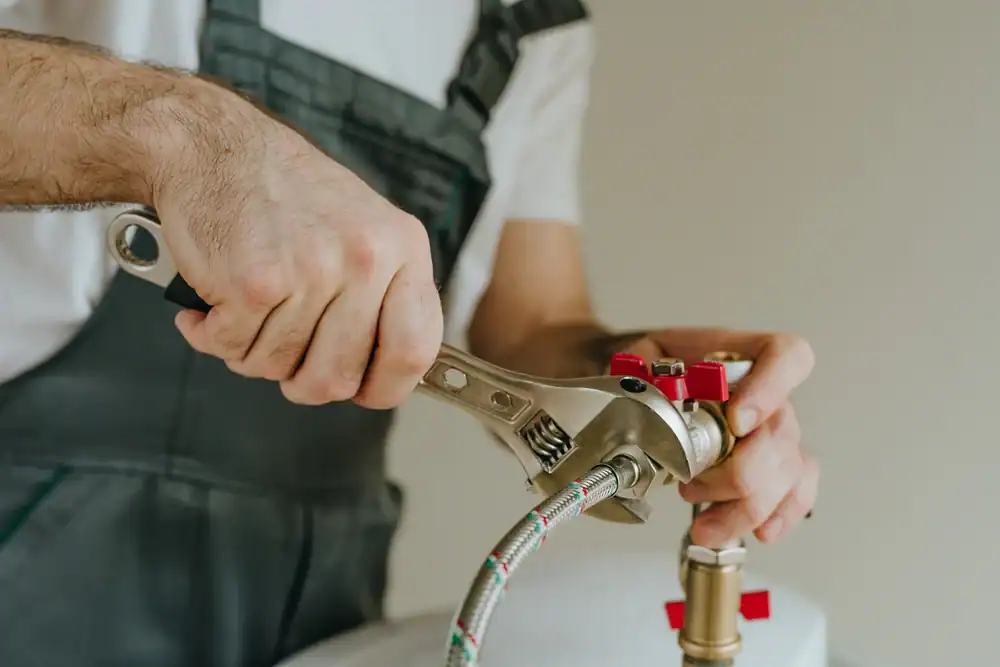
We handle both gas and electric water heaters, traditional tank systems, and tankless units. That includes full diagnostics, repairs on heating elements and thermostats, pressure relief valve replacement, anode rod service, tank flushing to remove sediment, and complete water heater replacement when needed.
In Melbourne Village, FL, hard water is your system’s biggest enemy. Florida’s groundwater is loaded with calcium and magnesium that form limescale deposits inside your tank and on heating elements. This buildup insulates the elements so they work harder and heat less efficiently, driving up your energy costs. It also creates hot spots that crack tank linings and lead to leaks.
We recommend flushing your tank at least once a year—twice if you’re on well water or notice sediment issues. This simple maintenance can add years to your system’s life. We also check your anode rod, which is designed to corrode instead of your tank. Once it’s gone, your tank starts rusting from the inside out.
If you’re replacing a system, we help you size it correctly based on your household’s actual hot water usage. An oversized tank wastes energy heating water you don’t use. An undersized one leaves you running out during peak times. We also discuss whether tankless makes sense for your situation—it’s not always the right answer, but when it is, the energy savings are real.
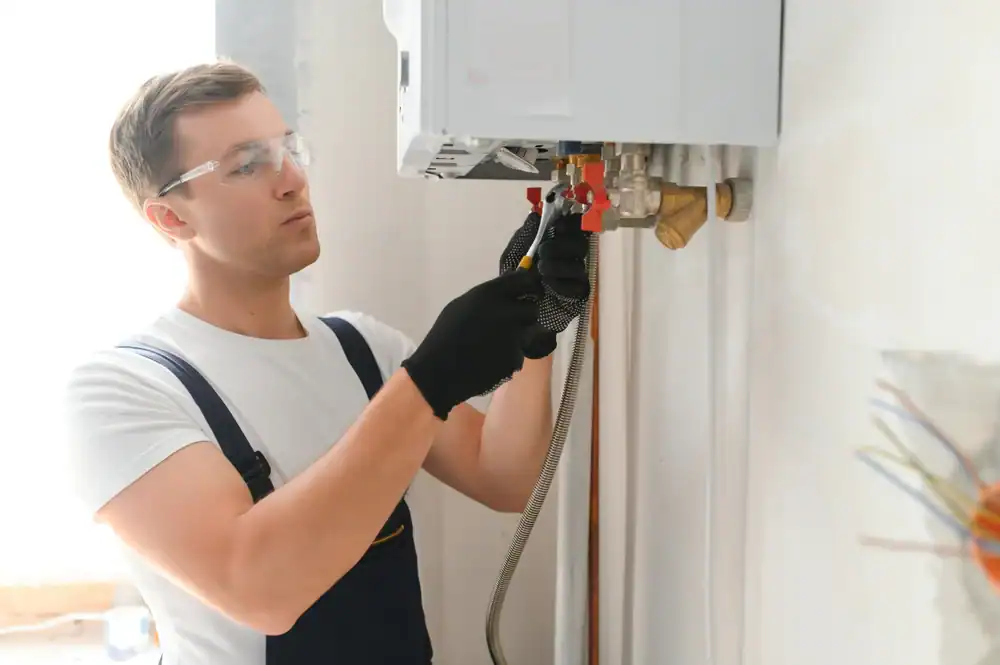
Traditional tank water heaters in Melbourne Village usually last 8 to 12 years, but Florida’s hard water and humid climate often push systems toward the lower end of that range. The minerals in our local water accelerate sediment buildup and corrosion inside the tank, which shortens lifespan compared to areas with softer water.
Tankless water heaters generally last 15 to 20 years because they don’t store water and aren’t as vulnerable to the same corrosion issues. However, they still need annual maintenance to prevent mineral buildup in the heat exchanger, especially in our area.
If your current water heater is over 10 years old and you’re starting to see problems—inconsistent temperatures, strange noises, rusty water, or small leaks—it’s usually smarter to replace rather than repair. At that age, one failure often signals that other components are close behind, and you end up paying for multiple repairs on a system that’s near the end of its useful life anyway.
Rusty or discolored water coming from your hot taps usually means the inside of your tank is corroding. Once that starts, the tank will eventually leak—it’s not a matter of if, but when. If only your hot water is discolored, it’s the water heater. If both hot and cold are rusty, the problem is in your pipes.
Strange noises like popping, banging, or rumbling sounds mean sediment has built up at the bottom of your tank. As water heats, it has to bubble through that sediment layer, creating noise. This buildup reduces efficiency and can cause the tank to overheat and crack. Flushing the tank can help if caught early, but heavy buildup usually means the system is overdue for maintenance.
Not enough hot water or water that doesn’t get as hot as it used to points to failing heating elements, a faulty thermostat, or heavy sediment buildup. Puddles or moisture around the base of your water heater mean the tank is leaking, and that’s not repairable—you need replacement. Small drips can quickly become major leaks that damage floors and belongings.
If your water heater is less than 7 years old and the problem is a simple component failure—like a heating element, thermostat, or pressure relief valve—repair usually makes sense. These are relatively inexpensive fixes that can give you several more years of service.
If your system is 10 years or older, replacement is almost always the better financial decision. At that age, even if we fix today’s problem, other components are likely near failure. The tank itself may be corroding from the inside, which you can’t see until it leaks. Older units are also far less energy-efficient than current models, so you’re spending more every month to heat the same amount of water.
There’s also the risk factor. An old water heater that fails completely at an inconvenient time—holidays, when you have guests, during a cold snap—forces you into emergency replacement mode when you have less time to compare options and pricing. If your system is showing age and warning signs, planned replacement on your schedule is less stressful and often less expensive than emergency service.
Water heater replacement cost depends on the type of system, tank size, fuel source, and installation complexity. A standard 40 to 50-gallon electric tank water heater replacement typically runs less than a comparable gas unit because gas installations require proper venting and gas line work.
Tankless water heaters cost more upfront—often two to three times the price of a traditional tank system—but they last longer and can cut your water heating costs by 20% to 30% if you have consistent daily hot water usage. They’re not always the best choice for every household, though. If you have high simultaneous demand—multiple showers running at once, dishwasher and laundry going—you may need multiple tankless units or a larger traditional tank.
Installation complexity also affects cost. If we’re swapping a tank for a tank in the same location with existing connections in good shape, that’s straightforward. If you’re switching fuel types, upgrading to tankless, or need to relocate the unit or update venting and electrical, the job becomes more involved. We give you upfront pricing after assessing your specific situation so there are no surprises.
Yes, water heater replacement in Melbourne Village, FL requires a permit. This isn’t just bureaucracy—permits ensure the installation meets Florida’s building codes and safety standards, which exist because water heaters involve water, electricity or gas, high temperatures, and pressure. Improper installation can lead to leaks, fires, carbon monoxide issues with gas units, or scalding water.
We handle the permit process as part of the installation. The work gets inspected to verify proper venting (for gas units), correct electrical connections, proper temperature and pressure relief valve installation, appropriate clearances, and that the unit is sized and installed according to manufacturer specifications and local codes.
Skipping permits might seem like a way to save money, but it creates problems. Your homeowner’s insurance may not cover damage from unpermitted work. If you sell your home, unpermitted installations can derail the sale or force you to bring everything up to code at your expense during closing. And most importantly, unpermitted work often means shortcuts that compromise safety and system longevity.
Flush your tank at least once a year—twice if you’re on well water. Florida’s hard water deposits sediment faster than almost anywhere else in the country. That sediment layer insulates your heating elements, makes them work harder, reduces efficiency, and creates hot spots that crack tank linings. Flushing removes the buildup before it causes damage.
Check your anode rod every few years. This sacrificial rod is designed to corrode instead of your tank—it attracts the corrosive elements in the water. Once the anode rod is consumed, your tank starts rusting. Replacing a worn anode rod is inexpensive and can add years to your system’s life, but most homeowners never think about it until the tank fails.
Set your temperature to 120 degrees. Higher settings make your system work harder, increase sediment buildup, and raise the risk of scalding. Most households don’t need water hotter than 120 degrees, and you’ll save on energy costs. Also, if you’re leaving town for more than a few days, turn your water heater to vacation mode or lower the temperature—no point heating water nobody’s using.
Other Services we provide in Melbourne Village