
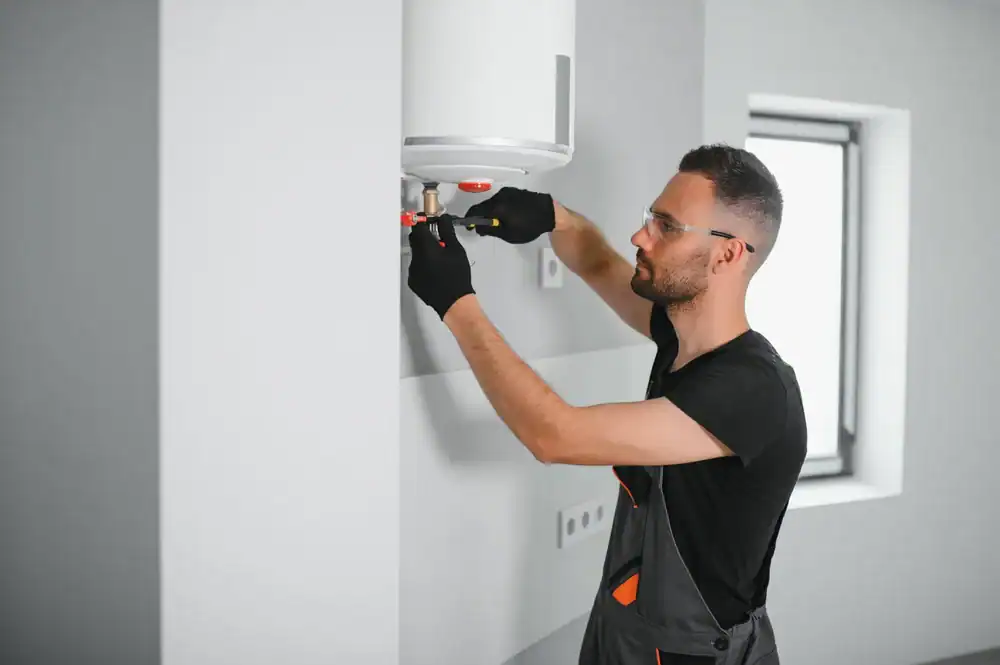
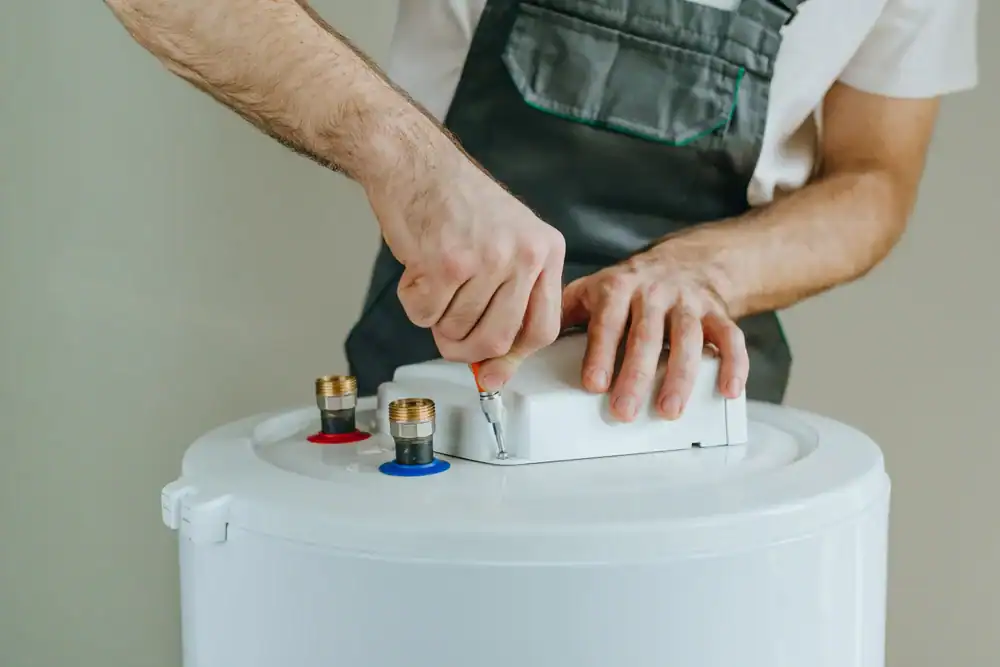
A cold shower before work isn’t just inconvenient. It throws off your entire day. When your water heater stops working, you’re not just losing hot water—you’re losing time, comfort, and peace of mind wondering how much this is going to cost.
We handle water heater repair and replacement in Tropic the same day you call. That means you’re not waiting around for days while someone “fits you in.” You get a real diagnosis, honest pricing before we start, and a plumber who actually knows what they’re doing.
Whether it’s a leak pooling under your tank, strange noises that won’t quit, or zero hot water when you need it most—we’ve seen it, fixed it, and we’ll walk you through what’s happening and why. No pressure. No upselling. Just straight answers so you can make the right call for your home.
We’ve been serving Tropic and Brevard County since 2007. We’re a family-owned business with over 40 years of combined plumbing experience and a State Certified Master Plumber on every job. We’re not a franchise. We’re not a call center routing you to whoever’s available.
We know Tropic’s hard water eats through water heaters faster than most places. We know the older homes around here still have cast iron pipes that complicate installations. And we know that when you call a plumber, you want someone who shows up on time, does the work right, and cleans up after themselves.
That’s what we do. Every time. We’ve built our reputation here by treating people fairly and doing what we say we’re going to do. BBB A+ rated. Locally trusted. No games.
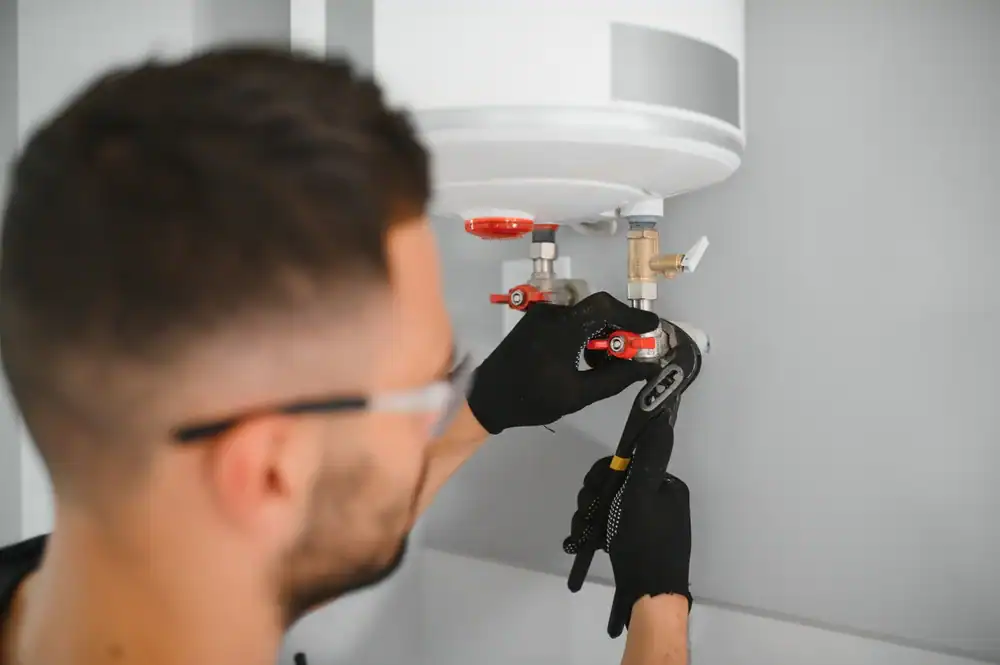
First, we listen. You tell us what’s going on—no hot water, leaking tank, weird sounds, whatever it is. We schedule a time that works for you, usually same-day, and we show up when we say we will.
Once we’re there, we inspect your water heater and the surrounding plumbing. We check for leaks, corrosion, sediment buildup, pressure issues, and anything else that could be causing problems. Then we explain what we found in plain English—not plumber-speak.
If it’s a simple repair, we fix it. If your unit is shot and needs replacing, we walk you through your options: tank vs. tankless, gas vs. electric, what makes sense for your home and budget. We give you upfront pricing before any work starts. No surprises on the bill.
After we install or repair your water heater, we test everything to make sure it’s working right. We clean up completely—you won’t even know we were there except for the hot water running again. Then we’re available if you have questions later. That’s it.
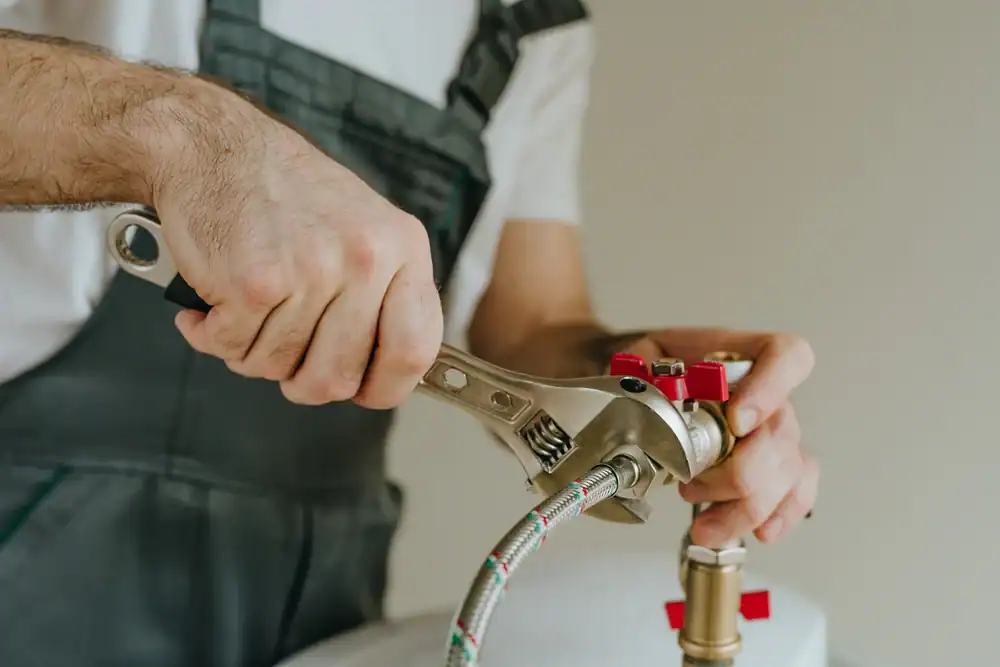
Ready to get started?
You get same-day water heater service in Tropic when you need it most. That includes full diagnostics, honest repair vs. replacement recommendations, and professional installation using quality brands like Bradford White—not the cheapest units that fail in three years.
We handle everything: removing your old water heater, disposing of it properly, installing the new one to code, and making sure it’s hooked up safely. If you’re in an older Tropic home with unique plumbing challenges, we adapt. We’ve worked on everything from 1960s concrete block houses to newer builds, and we know how to navigate Florida’s plumbing quirks.
Hard water is brutal here. It causes sediment buildup that kills water heaters early and hikes up your energy bills while it’s dying. We’ll talk through maintenance tips that actually extend your unit’s life and whether a water softener makes sense for your situation. We’re not trying to sell you more stuff—we’re giving you information so you can avoid this headache again in two years.
If it’s an emergency—like a tank leaking all over your garage or laundry room—we move fast. Water damage adds up quick in Florida’s humidity. Mold starts growing within 24 hours. We get that, and we treat it like the urgent situation it is.
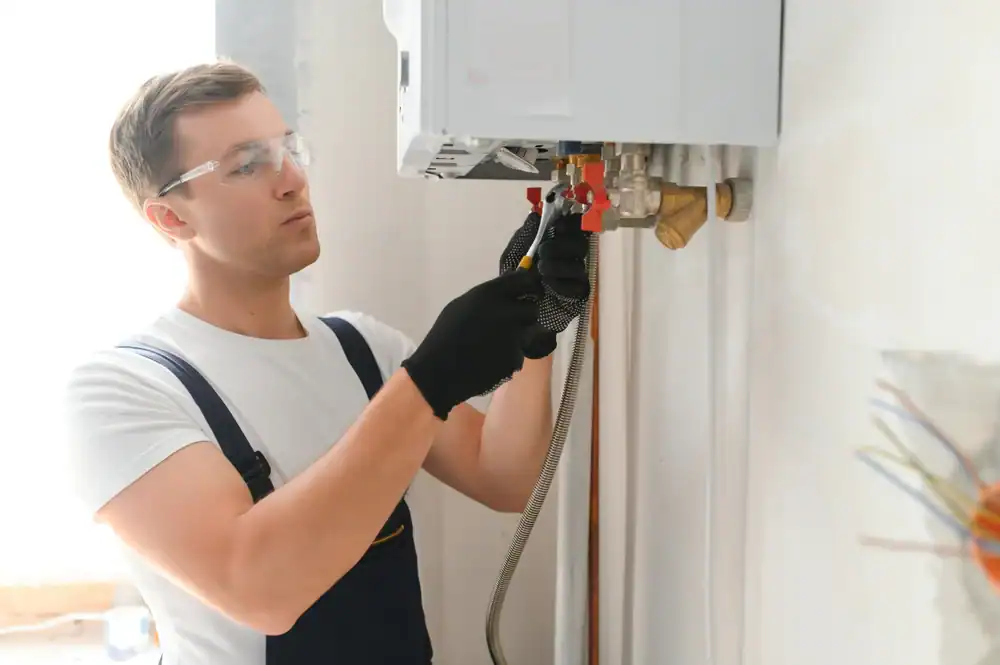
If your water heater is less than 8 years old and the problem is something like a faulty thermostat, heating element, or pressure relief valve, repair usually makes sense. These fixes are straightforward and cost-effective.
But if your unit is over 10 years old, leaking from the tank itself, or showing heavy corrosion, replacement is the smarter move. Tanks don’t heal themselves. A leaking tank means the inner lining has failed, and no repair will fix that. You’re just buying time before it fails completely—probably at the worst possible moment.
We’ll never push you toward a replacement if a repair will actually solve the problem. But we also won’t sell you a $300 repair on a 15-year-old unit that’s going to die in six months anyway. We’ll show you what’s going on and let you decide.
That noise is sediment buildup at the bottom of your tank. Tropic’s hard water is loaded with calcium and magnesium, and over time those minerals settle and harden at the bottom of the tank. When your burner or heating element fires up, it has to heat through that layer of sediment, which causes the rumbling or popping sound.
It’s not just annoying—it’s inefficient. That sediment layer makes your water heater work harder and use more energy to heat the same amount of water. It also reduces the space available for hot water and accelerates wear on the tank itself.
Flushing the tank can help if caught early, but if the sediment has been building for years, it’s often baked on and won’t come out. At that point, you’re looking at a shortened lifespan and higher energy bills until you replace it. We can inspect it and tell you where you’re at.
Most standard water heater installations take 3 to 5 hours from start to finish. That includes removing your old unit, installing the new one, connecting all the plumbing and gas or electrical lines, testing everything, and cleaning up.
If there are complications—like needing to upgrade your venting system, reroute pipes, or bring things up to current code—it can take longer. Older homes in Tropic sometimes have unique plumbing setups that require extra work. We’ll know once we see it and we’ll tell you upfront if anything’s going to add time or cost.
Tankless water heater installations usually take longer, often 6 to 8 hours, because they require more precise venting, gas line sizing, and sometimes electrical upgrades. But once it’s in, you’ve got endless hot water and lower energy bills. We’ll walk you through what makes sense for your situation before you commit to anything.
It depends on your household and budget. Traditional tank water heaters cost less upfront and are simpler to install. They store 40 to 80 gallons of hot water and reheat as you use it. They work fine for most families, and if your current setup is a tank, replacing it with another tank is usually the easiest route.
Tankless water heaters cost more upfront but heat water on demand, so you never run out. They’re more energy-efficient, take up way less space, and last longer—often 20 years compared to 10 for a tank. If you have a larger family or you’re tired of running out of hot water during back-to-back showers, tankless makes sense.
The catch is installation. Tankless units often need upgraded gas lines or electrical panels, which adds to the cost. They also require annual maintenance to prevent scale buildup, especially with Tropic’s hard water. We’ll go over the real costs and benefits so you’re not surprised later.
First, turn off the power or gas supply to the unit. If it’s electric, flip the breaker. If it’s gas, turn the gas valve to the off position. Then shut off the water supply using the valve on the cold water line going into the top of the tank.
If there’s active leaking and water pooling, start soaking it up with towels or a wet vac to prevent damage to your floors or walls. Don’t wait on this—water damage and mold happen fast in Florida’s humidity.
Then call us. A leaking water heater almost always means the tank itself has corroded through, and that’s not repairable. You’ll need a replacement. We can get out there same-day in most cases, assess the damage, and get a new unit installed so you’re not without hot water any longer than necessary. Don’t try to limp along with a leaking tank—it’s only going to get worse.
The biggest thing is dealing with sediment buildup from hard water. Flushing your tank once a year helps remove sediment before it hardens and causes problems. It’s a simple process, but most people don’t do it until they start hearing noises—and by then the damage is done.
Installing a water softener is another option, especially if you’re replacing your water heater anyway. Soft water dramatically reduces mineral buildup, which means your water heater runs more efficiently and lasts longer. It also helps your pipes, appliances, and fixtures.
Check your anode rod every few years. This sacrificial rod inside your tank corrodes instead of the tank itself. Once it’s gone, your tank starts rusting. Replacing it is cheap and can add years to your water heater’s life. Most people don’t even know it exists, but it’s one of the easiest ways to extend your unit’s lifespan. We can check it during a service call and let you know if it needs replacing.
Other Services we provide in Tropic