Your water heater isn’t supposed to wake you up at 6 AM with a puddle on the floor. It’s not supposed to leave you standing in a cold shower halfway through rinsing your hair. And it definitely shouldn’t be the reason your electric bill keeps climbing.
When your system works the way it should, you don’t think about it. That’s the goal. You turn on the tap, hot water comes out, and you move on with your day.
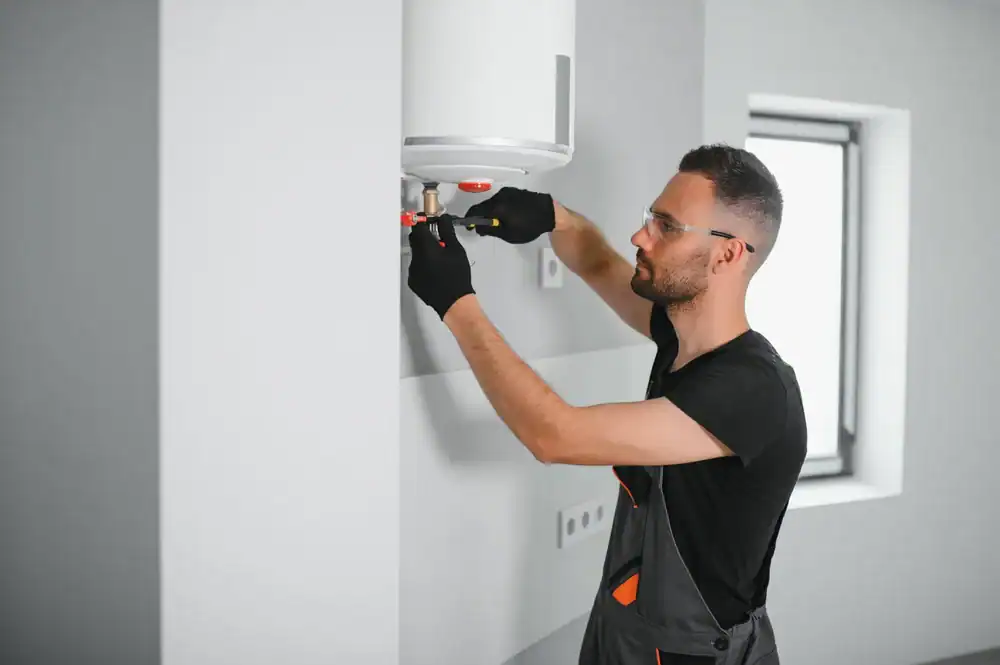
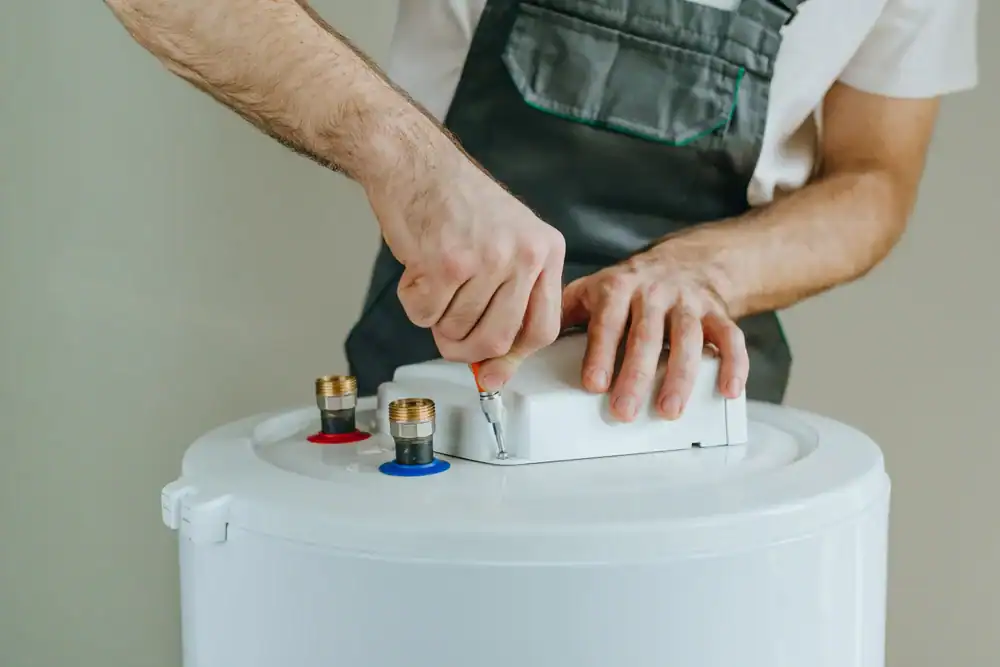
We handle water heater installation, repair, and replacement for homes across Tropical Park. If your unit’s leaking, making noise, or just not keeping up with your household’s demand, we’ll figure out what’s wrong and fix it right. Most jobs get done the same day. You’re not waiting around for parts or callbacks.
Florida’s hard water and humid climate are tough on water heaters. Mineral buildup clogs heating elements. Corrosion happens faster here than in other states. If your system is over 10 years old, it’s already on borrowed time. We’ll tell you whether a repair makes sense or if replacement is the smarter move.
We’re a family-owned plumbing company based in Cocoa, Florida. We’ve been serving homeowners throughout Brevard County and the Space Coast since 2007. Our team brings over 40 years of combined plumbing experience and 20 years of military service to every job.
That military background shows up in how we work. We show up on time. We do what we say we’re going to do. We clean up when we’re done. And we don’t leave until the job’s finished right.
Tropical Park homeowners deal with the same issues we see across South Florida: hard water that eats through tanks, humidity that accelerates rust, and older homes with outdated plumbing systems. We’ve installed and repaired hundreds of water heaters in this area. We know what works here and what doesn’t.
You call or contact us online. We ask a few questions about what’s going on—no hot water, leaking, strange noises, whatever the issue is. If it’s an emergency, we move fast.
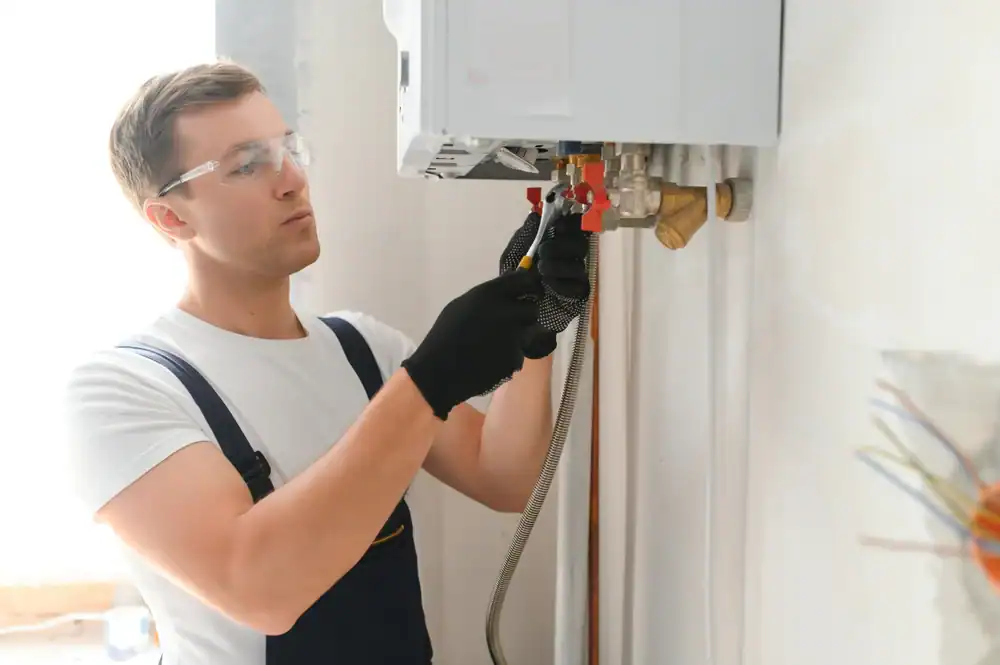
We schedule a time that works for you, usually same-day or next-day. When we arrive, we assess your current system. We check the age, the condition, the type of fuel it uses, and how much hot water your household actually needs.
If it’s a repair, we’ll tell you what’s broken and what it’ll cost to fix. If the unit’s too old or too far gone, we’ll walk you through replacement options. We install quality brands like Bradford White—units built to handle Florida’s water conditions. We don’t upsell you on features you don’t need.
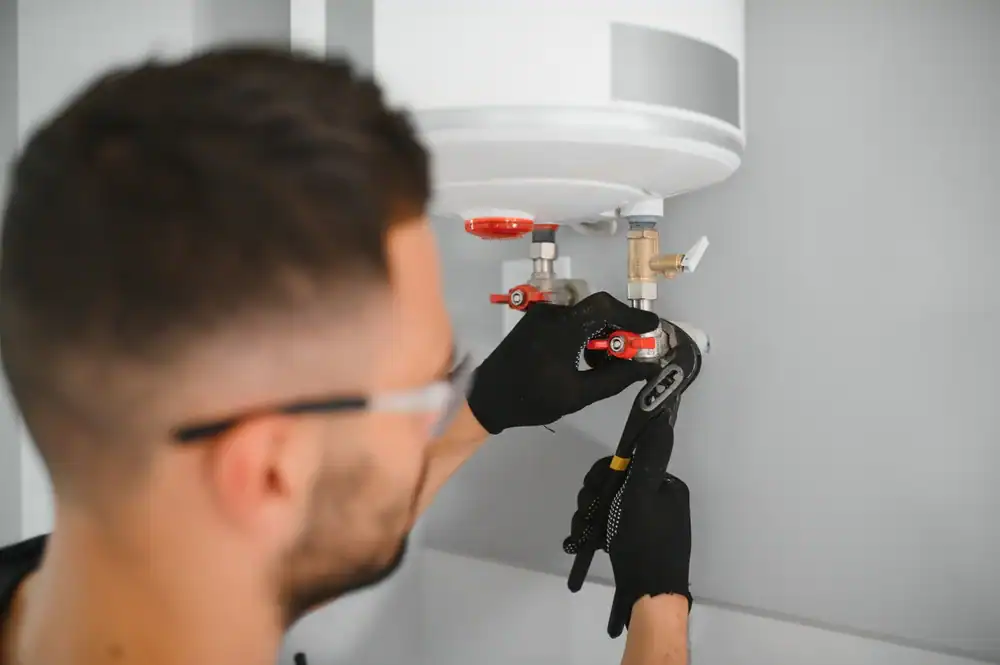
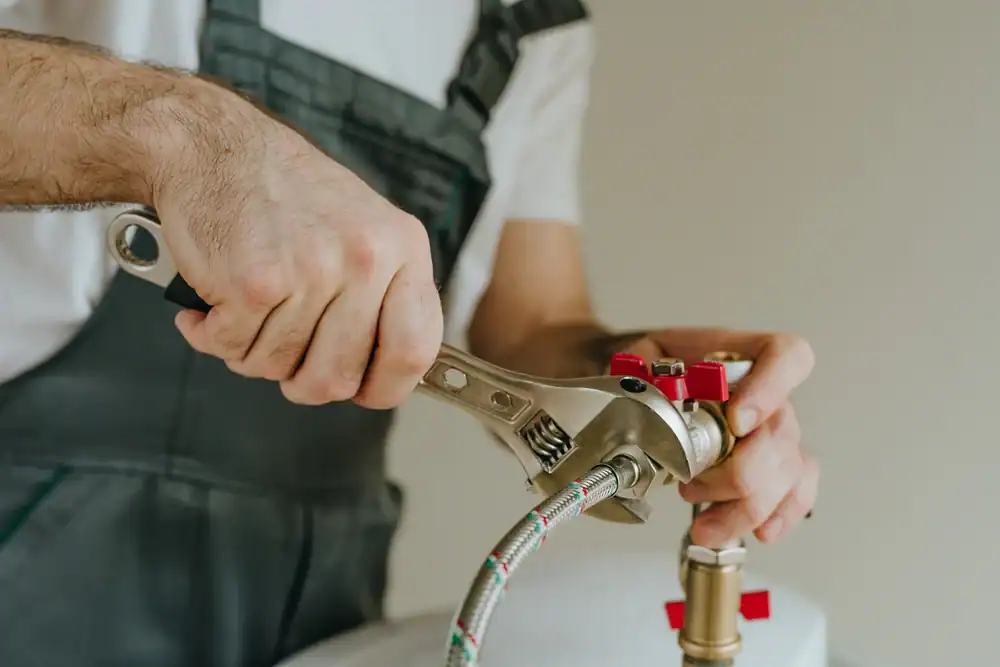
Once we agree on the plan, we get to work. Most installations take a few hours. We haul away your old unit, install the new one, test it, and make sure everything’s up to code. You’ll have hot water by the time we leave. We clean up the work area before we go.
Ready to get started?
You’re getting a water heater that’s properly sized for your home. A 40-gallon tank might be fine for two people, but it won’t cut it for a family of five. We match the system to your actual usage, not just what fits in the space.
You’re getting installation that follows Florida building codes. That matters when you sell your house or file an insurance claim. Permits, inspections, proper venting—we handle all of it.
In Tropical Park and across South Florida, your tap water sits around 75-82°F. You only need to heat it to 120°F for safe, comfortable use. That’s a smaller temperature rise than most of the country deals with, which means your system should run more efficiently here—if it’s set up correctly. We make sure it is.
Hard water is a bigger issue. Calcium and magnesium build up inside your tank and on your heating elements. That makes your system work harder and wear out faster. If you’re in an area with especially hard water, we’ll talk through your options: water softeners, anode rod replacements, or tankless systems that handle minerals better.
You’re also getting a system that won’t flood your house. Leaking water heaters cause serious damage—ruined floors, soaked drywall, mold growth. We check for early warning signs during every service call and let you know if your unit’s close to failing.
Most tank-style water heaters last 8 to 12 years. In Florida, you’re looking at the lower end of that range—sometimes even less.
Hard water is the main culprit. The minerals in Florida’s water supply create scale buildup inside the tank and on the heating elements. That buildup acts like insulation, forcing your system to work harder to heat the water. Over time, it causes the tank to corrode from the inside out.
If your water heater is over 10 years old, start planning for a replacement. You don’t want to wait until it fails and leaves you without hot water—or worse, springs a leak and floods your home. We can inspect your current unit and give you an honest assessment of how much life it has left.
It depends on the age of your unit and what’s actually wrong with it. If your water heater is less than 7 years old and the repair is minor—like replacing a heating element or a thermostat—a repair usually makes sense.
If your unit is over 10 years old, replacement is almost always the better call. At that point, you’re likely to face more repairs down the road, and you’re running a system that’s far less efficient than newer models. You’ll save more money in the long run by replacing it now.
Leaking tanks can’t be repaired. If water’s pooling around the base of your heater, the tank itself has corroded through. That’s a replacement job, no way around it. We’ll walk you through your options and give you a straight answer based on what we see.
It’s based on how many people live in your home and how much hot water you use at once. A general rule: 30-40 gallons for 1-2 people, 40-50 gallons for 2-3 people, and 50-80 gallons for 4 or more.
But that’s just a starting point. If you have teenagers who take long showers, run the dishwasher and washing machine at the same time, or have a large soaking tub, you’ll need more capacity. We look at your actual usage patterns, not just a formula.
Tankless water heaters are another option. They heat water on demand, so you never run out. They take up less space and last longer than tank models. The upfront cost is higher, but they’re more efficient and work well for homes with high hot water demand. We’ll help you figure out what makes the most sense for your household and your budget.
Popping, rumbling, or banging sounds usually mean sediment buildup at the bottom of the tank. As water heats up, it has to push through that layer of minerals, which causes the noise.
It’s not just annoying—it’s a sign your system is working harder than it should. That sediment layer reduces efficiency and speeds up corrosion. If caught early, we can flush the tank and clear out the buildup. If it’s been going on for a while, the damage might already be done.
Hissing or sizzling sounds can mean water is leaking onto a hot surface, which is a bigger problem. If you hear that, shut off the power or gas to your water heater and call us right away. Don’t ignore strange noises. They’re your system telling you something’s wrong, and waiting only makes the repair more expensive.
In Florida, water heater installation typically runs between $1,200 and $4,400, depending on the type of unit, the complexity of the install, and whether any plumbing or electrical work needs to be updated.
A standard 40-50 gallon electric water heater is on the lower end. Gas units cost a bit more because of the venting requirements. Tankless systems are the most expensive upfront, but they last longer and cost less to operate over time.
If your home needs new gas lines, upgraded electrical panels, or code compliance work, that adds to the cost. We give you a clear estimate before we start any work. No surprises, no hidden fees. You’ll know exactly what you’re paying for and why.
Water pooling around the base of your heater is the biggest red flag. That means the tank is leaking, and there’s no fix for that. You need a replacement.
Rusty or discolored water coming from your hot taps means the inside of your tank is corroding. Once that starts, it’s only a matter of time before it leaks. If you’re seeing rust-colored water, don’t wait.
Inconsistent water temperature—hot one minute, cold the next—usually points to a failing heating element or sediment buildup. If your showers are getting shorter because the hot water runs out faster than it used to, your system isn’t keeping up. Age is another factor. If your water heater is over 10 years old and you’re starting to notice any of these issues, it’s time to replace it before it leaves you in a bind.
Other Services we provide in Tropical Park