
You stop worrying about cold showers in the middle of your morning routine. You’re not constantly adjusting the temperature or waiting forever for hot water to reach the kitchen sink. Your utility bills stop creeping up because your tank isn’t working overtime to heat water through layers of sediment buildup.
A properly installed and maintained water heater just runs. It heats water when you need it, doesn’t leak onto your garage floor, and doesn’t make those banging sounds that tell you something’s about to go wrong. You get consistent hot water for showers, laundry, dishes—all the daily stuff that grinds to a halt when your system fails.
In Williams Point and across Brevard County, your water heater faces Florida’s hard water, brutal humidity, and year-round heat that turns garages into ovens. Those conditions shorten the life of your system if it’s not the right fit or properly maintained. When your unit is sized correctly for your home and built to handle local water quality, you’re not dealing with premature failures or constant repairs.
We’re a family-owned plumbing company based in Cocoa, serving Williams Point and all of Brevard County for over 15 years. We’re led by Carl, a State Certified Master Plumber who started in the trade at 16 and brings over 40 years of combined plumbing experience to every job. Our team includes 20 years of former military service, which means we show up on time, do what we say, and don’t cut corners.
We’re not the biggest name in the phone book, and we’re fine with that. You’re getting a small crew that actually cares whether your water heater works tomorrow, not a call center that dispatches whoever’s available. We install Bradford White water heaters because they consistently get better reviews than other brands, and we back our work with real warranties.
Williams Point homeowners deal with the same water quality issues as the rest of the Space Coast—mineral-heavy water that eats through heating elements and corrodes tanks faster than it should. We’ve seen it all, and we know how to set you up with a system that’ll last.
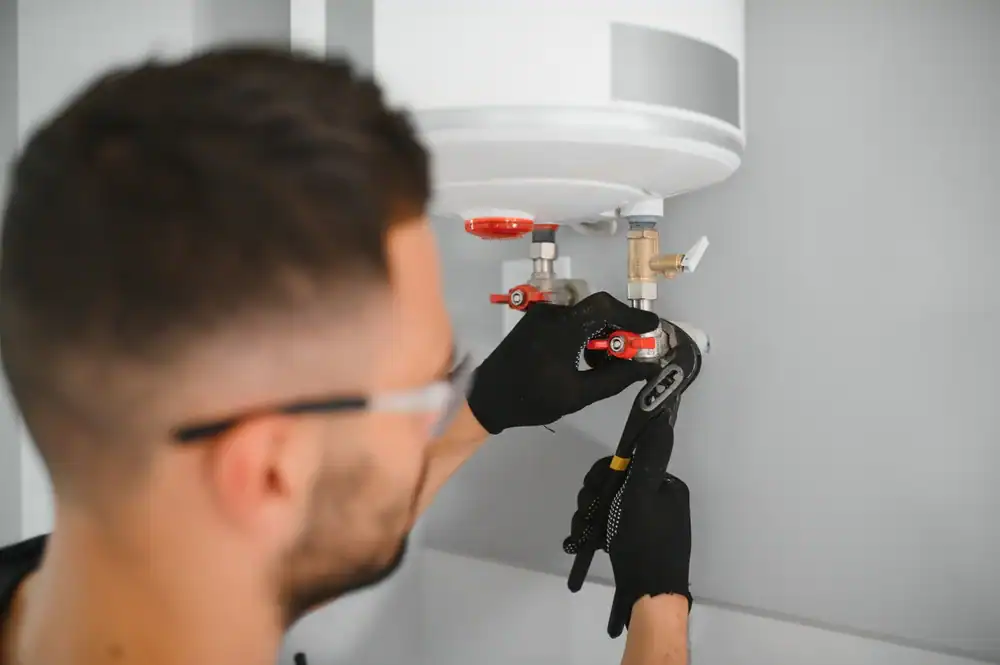
First, we figure out what’s actually wrong. If your water heater is leaking, making noise, or not heating water, we’ll assess whether it’s a repair or replacement situation. Most tank water heaters last 8-12 years in Florida, but hard water and heat can cut that short. If your unit is older or the repair costs don’t make sense, we’ll walk through replacement options with you.
Once you decide to move forward, we size the new water heater based on your household—how many people live there, how much hot water you use, and what your space can accommodate. We don’t upsell you into a bigger tank than you need, and we don’t install something that’ll fail in Florida’s climate. We typically recommend Bradford White tanks because they hold up better to local conditions.
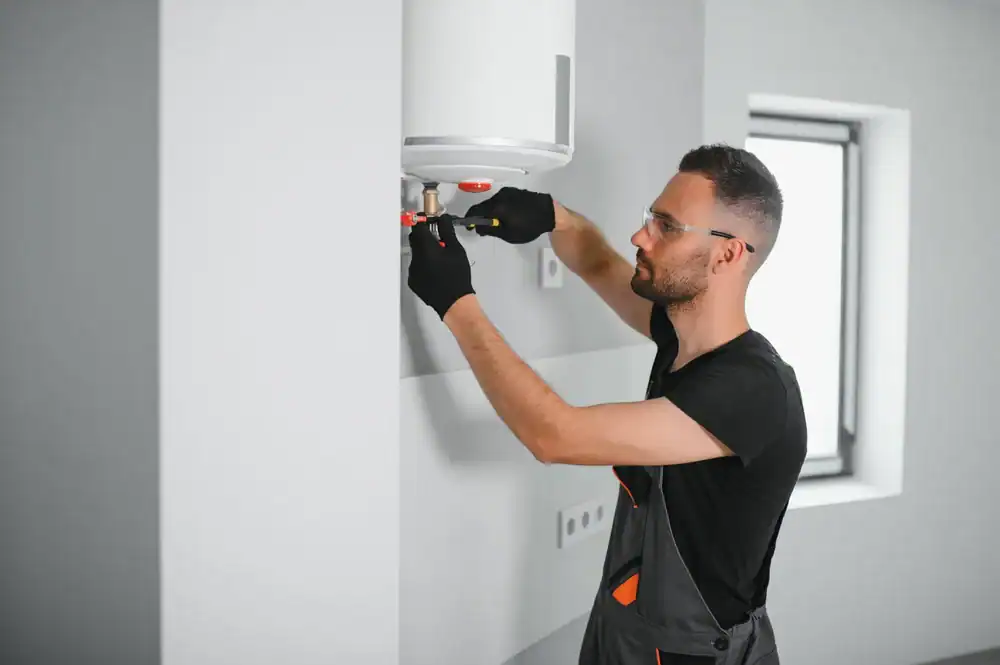
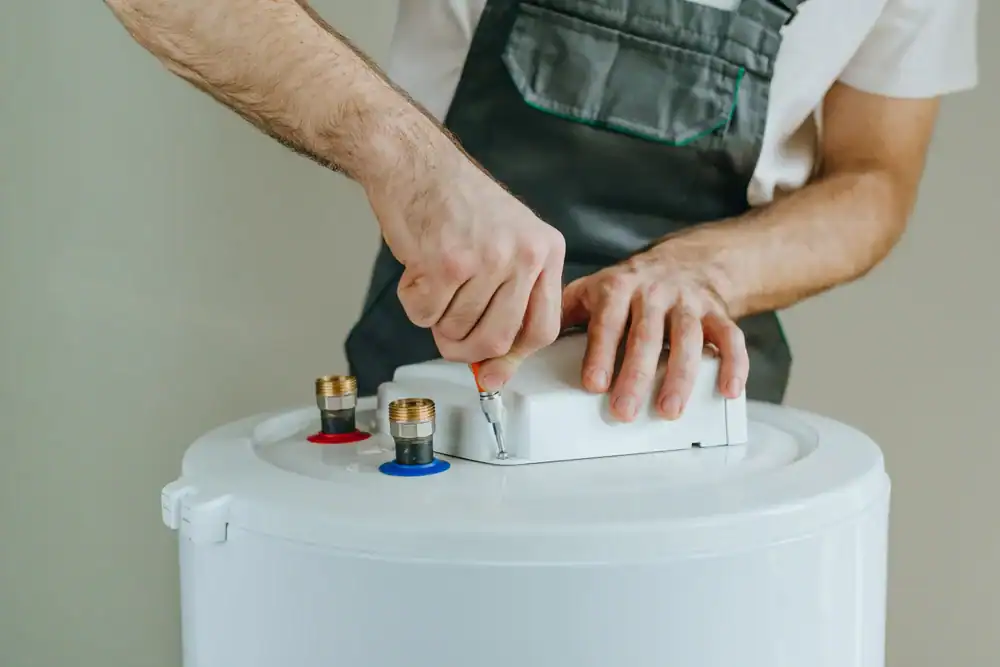
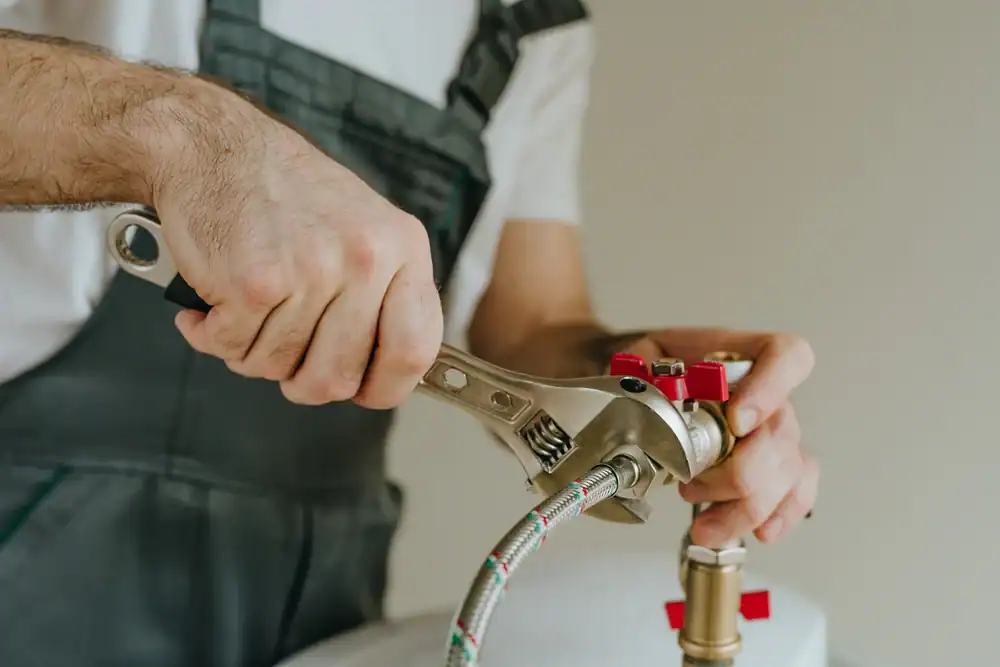
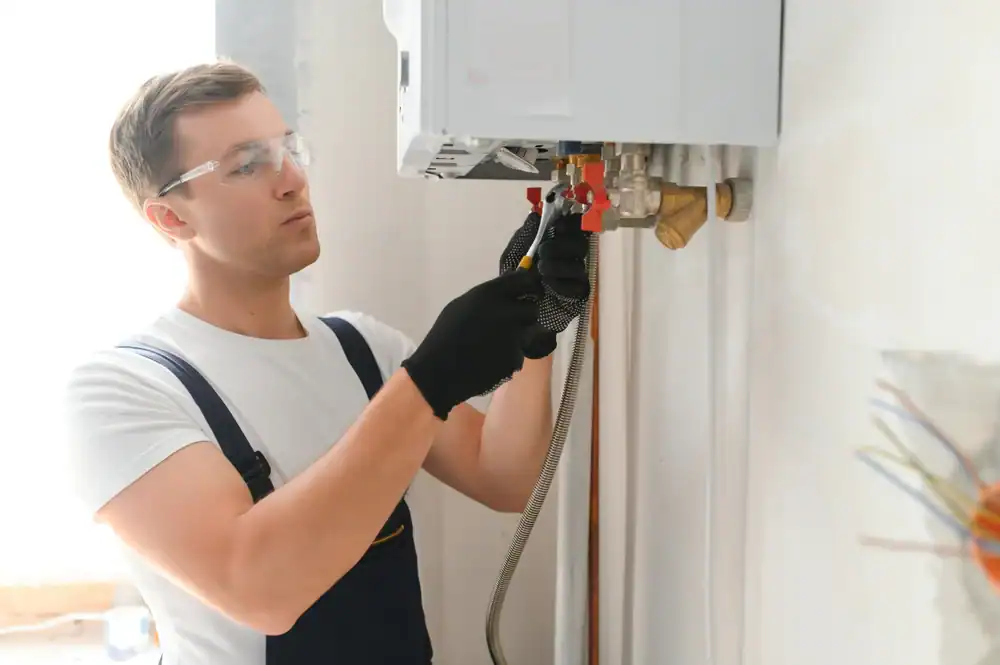
Installation takes about an hour in most cases. We remove the old unit, install the new one, make sure it’s vented and connected properly, test it, and clean up the work area. You’ll have hot water the same day. If there are related issues—like your water heater sitting directly on the ground where it shouldn’t be, or water main problems affecting pressure—we’ll flag those and handle them if needed.
Ready to get started?
You’re getting a water heater that’s properly sized for your home and built to handle Williams Point’s water conditions. That means accounting for Brevard County’s hard water, which causes mineral buildup and sediment that shortens tank life. We install systems that can take the beating Florida dishes out—high humidity, salt air if you’re near the coast, and garage temperatures that regularly hit 110°F in summer.
We handle the full installation, including removing your old unit, disposing of it properly, and making sure the new system is vented correctly and up to code. If you’re switching from a standard tank to a tankless system, we’ll walk through what that involves—different venting, possible gas line modifications, and whether your home’s setup makes sense for that switch. Tankless isn’t always the right call, and we’ll tell you that upfront.
You also get a senior discount if you’re 55 or older—5% off the job. We’re A+ rated with the Better Business Bureau, and we warranty our work. If something goes wrong because of how we installed it, we’re coming back to fix it. You’re not dealing with a national chain that sends a different tech every time or makes you wait three days for a callback.
If your water heater is less than eight years old and the problem is something like a faulty thermostat, heating element, or pressure relief valve, repair usually makes sense. Those are straightforward fixes that cost a fraction of replacement and can buy you several more years.
But if your tank is leaking, that’s not repairable. Once the tank itself goes, you’re replacing the whole unit. Same thing if you’re dealing with serious rust or corrosion on the tank body—that’s a sign the system is failing from the inside out. If your water heater is over 10 years old and you’re facing a major repair, replacement is usually the smarter move. You’re paying for a fix on a system that’s already near the end of its lifespan.
In Florida, hard water speeds up sediment buildup, which makes your system work harder and fail sooner. If you’ve never flushed your tank and it’s making banging or popping sounds, that’s sediment hardening at the bottom. Sometimes a flush helps, but if the damage is done, you’re looking at replacement. We’ll assess what’s going on and give you an honest recommendation based on the age of your system and what the repair would actually cost.
Most tank water heaters last 8-12 years, but Florida’s climate and water quality can shorten that. Hard water is the biggest factor—Brevard County’s water is loaded with calcium and magnesium, which form limescale deposits on heating elements and sediment at the bottom of the tank. That buildup makes your system work harder, reduces efficiency, and eventually causes the tank to corrode and leak.
Humidity and heat also take a toll. If your water heater is in a garage or utility room without climate control, it’s sitting in a hot, moist environment that accelerates rust and corrosion on metal components. Coastal homes near Williams Point deal with salt air on top of that, which is even harder on tanks and fittings.
If you flush your tank annually to remove sediment, check the anode rod every few years, and install a water softener to reduce mineral buildup, you can push your system closer to that 12-year mark. But if you’ve never done maintenance and your water heater is over 10 years old, you’re on borrowed time. We’ve seen units fail at six or seven years in Florida because of neglect and harsh conditions. Regular upkeep matters here more than it does in other states.
Tankless water heaters heat water on demand, so you never run out of hot water mid-shower. That’s the main selling point, and it’s legit if you have a bigger household or use a lot of hot water at once. Tankless units also last longer—usually 15-20 years compared to 8-12 for tanks—and they take up way less space.
But they cost more upfront, sometimes double what a tank system runs. Installation can also be more complicated depending on your home’s setup. If you’re switching from tank to tankless, you might need different venting, upgraded gas lines, or electrical work. That adds to the cost. And if your water has high mineral content—which it does in Brevard County—you’ll need to flush a tankless system annually or it’ll scale up and lose efficiency.
Tank water heaters are simpler and cheaper to install. They work fine for most homes, and if you size the tank correctly, you shouldn’t run out of hot water under normal use. If your current tank system has been working and you’re just replacing an old unit, sticking with a tank usually makes the most sense unless you have a specific reason to switch. We install both, and we’ll walk through what fits your home and budget without pushing you toward the more expensive option.
Sediment buildup happens when minerals in your water—mainly calcium and magnesium—settle at the bottom of your water heater tank. Florida’s water is mineral-rich, so this happens faster here than in other parts of the country. Over time, that sediment layer hardens and acts like insulation between the burner and the water, forcing your system to work harder and longer to heat the same amount of water.
That’s why you hear banging or popping sounds from older water heaters. The noise is steam bubbles escaping through the hardened sediment. It’s not just annoying—it’s a sign your tank is overworking and your energy bills are higher than they should be. Eventually, sediment buildup leads to corrosion and leaks because the bottom of the tank is constantly overheating.
The fix is flushing your tank once a year. That means draining several gallons of water from the bottom of the tank to remove sediment before it hardens. It’s a simple maintenance task, but most homeowners never do it. If you’ve never flushed your tank and it’s several years old, the sediment might already be baked on, and flushing won’t help much at that point. Installing a water softener also reduces mineral content in your water, which slows down sediment buildup and extends the life of your water heater. It’s one of the best things you can do in Florida.
Yes, in most cases. If we have the right size unit in stock and your home’s setup is straightforward, we can remove your old water heater and install a new one in about an hour. That means you’re back to hot water the same day you call, not waiting around for days without showers or laundry.
There are situations where same-day isn’t possible. If you need a specific size or type of water heater that we don’t have on the truck, we’ll need to order it. If your installation requires modifications—like bringing your water heater up to current code, fixing venting issues, or dealing with a water main problem—that adds time. We’ll let you know upfront if there’s anything that’ll delay the job.
Most Williams Point homes have standard setups, and we stock Bradford White tanks in common sizes. If your water heater is in the garage, easily accessible, and you’re replacing a tank with another tank of the same fuel type, we’re usually in and out quickly. If you’re switching from electric to gas or making other changes, that’s a bigger job. We’ll walk through timing and costs before we start so you know exactly what to expect.
Florida’s combination of hard water, extreme heat, and high humidity creates the perfect storm for water heater stress. Hard water leaves mineral deposits on heating elements and sediment in the tank, which makes your system work longer to heat the same amount of water. That’s inefficient and wears out components faster.
The heat is another factor. If your water heater is in a garage or utility space without AC, it’s sitting in 100-110°F temperatures for months at a time during summer. Your tank is trying to heat water while surrounded by blazing hot air, which is like running a marathon in a winter coat. It’s working against the environment, and that shortens its lifespan. Humidity accelerates rust and corrosion on metal tanks and fittings, especially in coastal areas near Williams Point where salt air is also a factor.
Incoming water temperature in Florida is warmer than northern states—usually 72-77°F—so your water heater doesn’t have to work as hard to reach the target temperature. But the hard water and environmental conditions more than make up for that advantage. That’s why maintenance matters more here. Flushing sediment, checking the anode rod, and installing a water softener aren’t optional if you want your system to last. Florida eats through water heaters faster than most places, and the only way to fight that is proper upkeep and quality installation from the start.
Other Services we provide in Williams Point