
You bought a home near the water because you love it here. But the salt air that makes mornings on your deck perfect is the same thing eating away at your plumbing.
Copper pipes that should last 50 years start failing in half that time when you live this close to the ocean. You get pinhole leaks, rusty water, metallic taste, and repairs that keep coming back. It’s not bad luck—it’s coastal corrosion, and most plumbers don’t know how to stop it.
We install corrosion-resistant materials like PVC and PEX that hold up in South Patrick Shores. You get plumbing that doesn’t rust out in 10 years, water that tastes clean, and fewer emergency calls at 2am because a pipe finally gave out. That’s what happens when your plumber actually understands the environment your home sits in.
We serve South Patrick Shores and the surrounding Brevard County area because we’ve seen what happens when plumbers treat coastal homes like they’re anywhere else. Your plumbing faces challenges that homes 20 miles inland never deal with.
We’re available 24/7 because plumbing emergencies don’t wait for business hours—especially during storm season. When you call, you’re talking to someone who knows that homes built between the 1940s and 1990s need different approaches, and that your $410,000 investment deserves protection from the salt air that’s constantly working against it.
You’ll find us working with military families near Patrick Space Force Base, retirees who’ve lived here for decades, and new homeowners figuring out why their pipes are already showing rust. We’re licensed, insured, and focused on keeping your plumbing running without the constant repair cycle most coastal homeowners accept as normal.
You reach out because something’s wrong—slow drains, low pressure, discolored water, or an actual leak. We show up when we say we will, and we start by figuring out what’s actually happening, not just what’s visible.
Most coastal plumbing problems start inside walls or under slabs where you can’t see them. We check for corrosion patterns, test water quality, and look at what materials are already in your home. If you’ve got copper pipes showing their age, we’ll tell you. If your drains are clogged with salt buildup, we’ll explain why it keeps happening.
Then we fix it with materials that make sense for where you live. PVC replacement for drain lines that won’t corrode. Stainless steel or PEX for supply lines that can handle the humidity. Protective coatings where they help. We walk you through options, costs, and what each choice means for how long your plumbing actually lasts.
After the work’s done, you get plumbing that works the way it should. No metallic taste. No rust stains. No wondering when the next leak will show up. Just reliable water and drainage in a home that’s built to handle coastal conditions.
Ready to get started?
When we handle your plumbing repairs or drain installation, you’re getting someone who knows that metal corrodes 5 times faster here than it does inland. That’s not an exaggeration—coastal corrosion rates hit 0.5mm per year compared to 0.1mm in non-coastal areas. Your plumbing is literally dissolving faster because of where your home sits.
We address that directly. You get corrosion-resistant materials chosen for South Patrick Shores specifically. You get emergency plumbing services that respond fast when storms knock out power or flood your crawlspace. You get preventive maintenance that catches problems before they turn into full pipe replacements.
Over 30% of coastal homeowners see rust in their first year of pipe installation if the wrong materials go in. We make sure you’re not in that group. Whether it’s a full drain replacement, fixing a burst pipe at midnight, or installing new lines that won’t fail in 15 years, you’re working with someone who’s seen what happens when plumbers ignore the salt air, humidity, and temperature swings that define life near the water.
Your home is in a neighborhood where most people own, not rent. You’re here long-term. Your plumbing should be too.
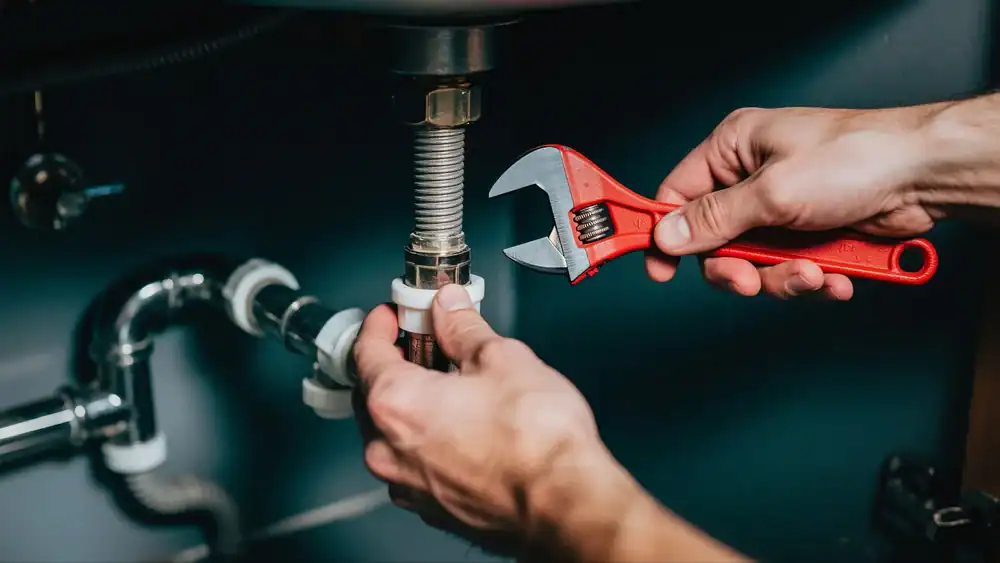
Salt air is the main culprit. Florida seawater contains about 3.5% salt, and when you live this close to the ocean, that salt gets into the air you breathe and settles on everything—including inside your walls where your pipes run.
Metal pipes, especially copper, react to the combination of salt, oxygen, and moisture. The result is pitting corrosion—tiny holes that leak slowly and grow over time. You might not notice it until you see discolored water, low pressure, or actual water damage behind a wall.
Homes built between 1940 and 1999 (which covers most of South Patrick Shores) often used copper because it was the standard. That was fine for inland homes, but coastal properties needed different materials. Now you’re dealing with pipes that are aging faster than they should, and the fix isn’t just patching leaks—it’s replacing corroded sections with materials that can actually handle the environment.
PVC and PEX are your best options for coastal homes. PVC works great for drain lines and waste pipes because it doesn’t corrode, period. Salt air can’t touch it. PEX is flexible, corrosion-resistant, and handles the temperature swings and humidity that come with living in South Patrick Shores.
Stainless steel is another solid choice for supply lines if you want metal that won’t rust out. It costs more upfront than copper, but you’re not replacing it in 15 years when the salt air finally wins.
Copper isn’t terrible if it’s maintained and coated properly, but it requires more attention in coastal areas. Most homeowners don’t want to think about their plumbing that much—they just want it to work. That’s why we usually recommend PVC for drains and PEX for supply lines. You install it once, and it handles the coastal conditions without constant monitoring or early replacement.
Discolored water is the first sign most people notice. If your water has a reddish or brownish tint, that’s rust particles from corroded pipes leaching into your supply. Metallic taste is another giveaway—you’re literally tasting the metal breaking down.
Low water pressure can mean corrosion is narrowing your pipes from the inside. As rust builds up, less water gets through. You might also notice your water heater isn’t lasting as long as it should, or you’re getting leaks in places that seem random. That’s because pitting corrosion creates weak spots that eventually give out.
The tricky part is that most corrosion happens where you can’t see it—inside walls, under slabs, in crawlspaces. By the time it’s visible, it’s usually been happening for a while. That’s why we recommend inspections if your home was built before 2000 and you haven’t had your plumbing checked recently. We can catch corrosion before it turns into a full replacement job.
Yes. We’re available 24/7 because we know storms don’t care about business hours, and plumbing emergencies get worse fast when you can’t shut off water or power is out.
Brevard County gets hit with severe weather, and when it does, you need someone who can respond quickly. Burst pipes from pressure changes, flooding that backs up into your drains, or power outages that affect your water heater—these aren’t problems that wait until morning.
We’ve worked with enough South Patrick Shores homeowners to know that storm-related plumbing issues are some of the most stressful. You’re already dealing with wind, rain, and power outages. The last thing you need is water pouring into your home with no one available to stop it. When you call during an emergency, you get someone who shows up, figures out what’s wrong, and fixes it so you can focus on everything else a storm throws at you.
It depends on what needs replacing and what’s causing the problem. A single drain line might run a few hundred dollars. A full system replacement with corrosion-resistant materials can run several thousand, depending on your home’s size and layout.
Here’s what affects cost: how much pipe needs replacing, what materials we’re using, whether we’re accessing pipes through walls or under slabs, and how much corrosion damage already exists. Homes with crawlspace access are usually cheaper to work on than homes with slab foundations where we have to cut concrete.
The better question is what it costs not to replace corroded drains. Slow leaks cause mold, water damage, and structural issues that cost way more than new pipes. Rusty water damages fixtures and appliances. Constant repairs add up fast when you’re patching problems instead of fixing the root cause. We’ll give you a clear estimate based on what your home actually needs, not a one-size-fits-all number that doesn’t mean anything until we see your plumbing.
If you live in South Patrick Shores and your home was built before 2000, yes. Coastal corrosion doesn’t announce itself until it’s already doing damage. Preventive maintenance catches problems early when they’re cheap to fix.
We inspect exposed and hidden pipes, check for early corrosion signs, test water quality, and look at your drainage system for salt buildup. If your pipes are fine, great—you have peace of mind. If we find early-stage corrosion, you can address it before it turns into a leak or full replacement.
Most homeowners here are dealing with property values around $410,000. Protecting that investment means staying ahead of the problems coastal living creates. A maintenance visit costs a fraction of what emergency repairs or water damage restoration runs. You’re not being paranoid—you’re being smart about the fact that your plumbing is working harder than it would anywhere else, and catching issues early means fewer surprises and lower costs over time.
Other Services we provide in South Patrick Shores