PVC Replacement Brevard County, FL

Stop Fixing the Same Pipes Over and Over

Your pipes shouldn’t leak every few months. When you replace aging cast iron or Orangeburg with durable PVC, you get decades of reliable service without the constant repairs.

Our Services

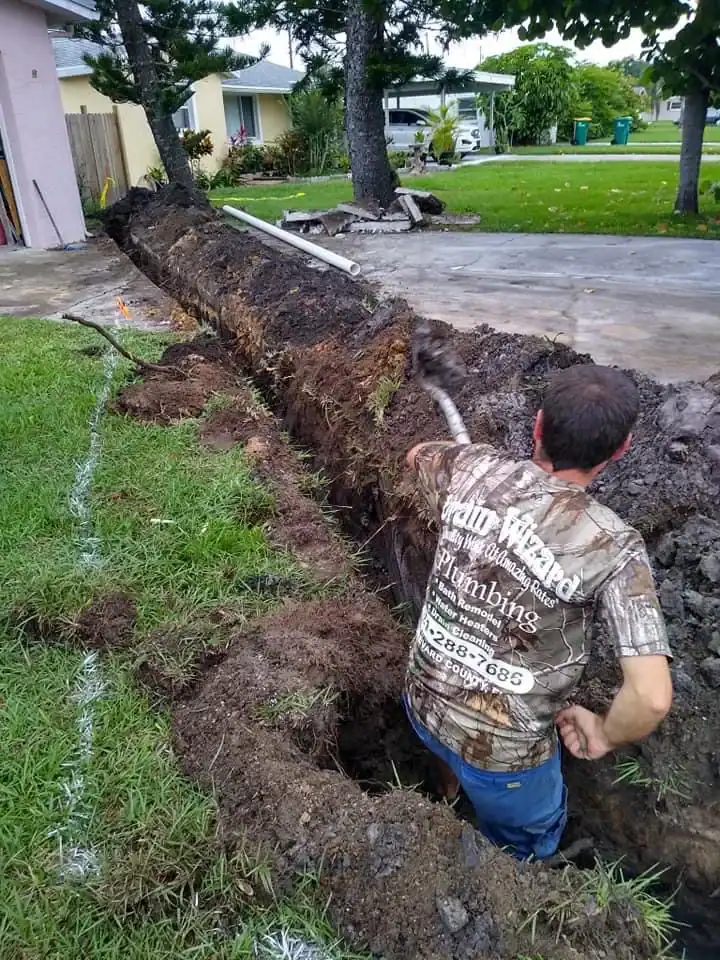
A plumber in Brevard County, FL, wearing a muddy shirt stands in a deep trench, repairing or installing a pipe in the yard of a residential neighborhood with grass, trees, and houses visible in the background.

PVC Pipe Replacement Services in Brevard County, FL

Built to Last Decades, Not Just Years

If your home was built before the 1980s, there’s a good chance you’re dealing with Orangeburg pipe, cast iron, or galvanized steel that’s already past its prime. These materials corrode, crack, and collapse over time, especially in Florida’s humid, mineral-heavy environment. PVC replacement means swapping out failing pipes with modern materials designed to handle Brevard County, FL’s conditions. No rust. No rot. No constant patch jobs. Just a system that works the way it should for the next several decades. We handle everything from partial line repairs to full re-piping, and we do it without tearing up more of your property than necessary.

Benefits of PVC Pipe Replacement

What You Actually Get From This

This isn't just about new pipes. It's about ending the cycle of leaks, emergency calls, and water damage that comes with outdated plumbing.

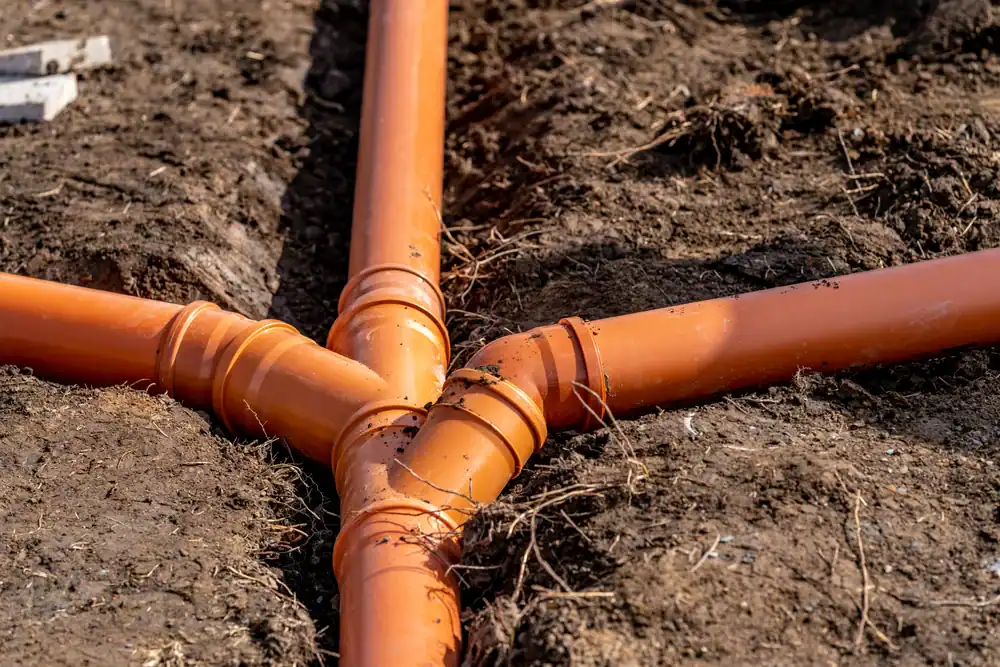
Orange plastic drainage pipes intersect underground in a dirt trench in FL, forming a connection point. The pipes are partly buried in soil, indicating ongoing construction or installation by a plumber Brevard County residents trust.

Replacing Orangeburg and Cast Iron Pipes

Why Florida Homes Need This Replacement

Many homes built in Brevard County between the 1960s and early 1980s were connected to sewer systems using Orangeburg pipe. It’s a tar-paper-based material that was cheap and easy to install at the time, but it doesn’t hold up. After a few decades, it starts to sag, crack, and eventually collapse. Sand washes into the line, creating blockages. Small sinkholes form in your yard where the pipe has failed. Cast iron isn’t much better in Florida’s climate. The combination of hard water, high humidity, and mineral-rich soil accelerates corrosion. What was once a solid pipe becomes brittle and weak, prone to cracking under normal water pressure. PVC solves both problems. It doesn’t corrode, doesn’t react to Florida’s water chemistry, and it’s flexible enough to handle soil movement without breaking. When installed correctly, it can last 70 to 100 years or more. That’s a lifetime solution, not a temporary fix.

What's Included in PVC Replacement

Here's How the Process Actually Works

We start with a camera inspection to see exactly what’s happening inside your pipes. No guessing. No unnecessary digging. Drain Wizard Plumbing & Rooter Service locates the problem, assess the damage, and show you what needs to be done. From there, we map out the best approach. If it’s a small section that’s failed, we can do a targeted repair. If the whole system is compromised, we’ll walk you through a full re-pipe and explain what that means for your property, your timeline, and your budget. Once we have a plan, we remove the old pipe and install new PVC using methods that minimize disruption to your yard, driveway, or landscaping. We test everything to make sure it’s sealed, properly sloped, and built to code. Then we restore the area and clean up like we were never there. You’re not left wondering if it’s done right. We walk you through every step, answer your questions, and make sure you understand what you’re paying for.

Frequently Asked Questions

How long does PVC pipe actually last in Florida?
PVC pipes are built to last 70 to 100 years or more, even in Florida’s challenging environment. Unlike cast iron or Orangeburg pipe, PVC doesn’t corrode when exposed to hard water, acidic soil, or high humidity. It’s resistant to the mineral buildup that clogs metal pipes, and it won’t deteriorate from ground movement or temperature fluctuations. That means once it’s installed correctly, you’re looking at a lifetime solution. Most homeowners won’t need to think about replacing their PVC system again. The material itself is stable, durable, and designed to handle the specific conditions we deal with here on the Space Coast. If you’re replacing aging pipes now, PVC is the smartest long-term investment you can make.
The cost depends on how much pipe needs to be replaced, where it’s located, and what kind of access we have to the damaged section. A partial replacement of a small section might run a few thousand dollars, while a full sewer line replacement can range from $3,000 to $15,000 or more depending on the scope. Factors like whether the pipe runs under a concrete slab, driveway, or landscaping can affect the price. We don’t believe in giving you a number without seeing the actual situation. Every home is different. That’s why we start with an inspection, show you exactly what’s going on, and give you transparent pricing based on what your property actually needs. No surprises, no upselling. Just honest pricing for the work that has to be done.
It depends on the condition of the rest of your system. If the damage is isolated to one section and the surrounding pipes are still in good shape, we can do a targeted repair or partial replacement. That saves you money and keeps the project smaller. But if your pipes are old across the board—especially if you have Orangeburg or heavily corroded cast iron—it often makes more sense to replace the whole line. Patching one spot doesn’t fix the underlying issue, and you’ll likely be calling us back in six months when another section fails. We’ll inspect the entire system, show you what we find, and give you both options. If a partial fix makes sense, we’ll tell you. If it’s going to cost you more in the long run to keep patching, we’ll be straight about that too. You decide what works for your situation.
Not necessarily. The amount of digging depends on where the pipe is located and how extensive the damage is. In many cases, we can use targeted excavation to access only the sections that need replacement, which keeps disruption to a minimum. If your pipe runs under a driveway, sidewalk, or landscaping, we plan the project to limit the impact as much as possible. For some jobs, trenchless methods can reduce the need for large-scale digging, though it’s not always an option depending on the condition of the existing pipe. We assess your property during the inspection and map out the least invasive approach. Once the work is done, we restore the area—backfilling, compacting, and cleaning up so your yard doesn’t look like a construction zone. Our goal is to fix the problem without leaving your property torn apart.
There are a few red flags that usually mean your pipes are on their way out. Slow drains that won’t clear no matter how many times you snake them. Gurgling sounds coming from your toilet or sinks. Sewage backups, foul odors, or water stains on your walls and ceilings. If you’re seeing standing water in your yard or noticing soggy spots that don’t dry out, that’s often a sign of a leaking sewer line. Low water pressure throughout the house can also point to corroded pipes restricting flow. And if your home was built before 1980 and you’ve never had the plumbing updated, there’s a good chance you’re dealing with Orangeburg or cast iron that’s already deteriorating. The earlier you catch these issues, the less damage you’ll deal with. If you’re noticing any of these signs, it’s worth having someone take a look before a small problem turns into a flood.
Yes. PVC has been used in residential plumbing systems since the 1970s and is approved by the National Sanitation Foundation for potable water systems. It doesn’t leach chemicals into your water supply, and it doesn’t corrode or break down the way metal pipes do. For sewer lines, PVC is one of the most reliable materials available. It’s resistant to the acids and chemicals found in wastewater, it won’t crack from root intrusion as easily as clay or Orangeburg pipe, and it creates a watertight seal that prevents leaks and groundwater infiltration. It’s also environmentally stable, meaning it won’t degrade in Florida’s soil or react to the minerals in our water. Plumbers across the country have been installing PVC for decades because it works, it lasts, and it’s safe. If you’re replacing old pipes, PVC is the standard for a reason.