Sewer Installation Brevard County, FL

Your Main Line Done Right, First Time

When your sewer system fails, you need more than a quick fix. You need a licensed team that understands Florida’s soil, knows how cast iron pipes corrode in our humidity.

Our Services

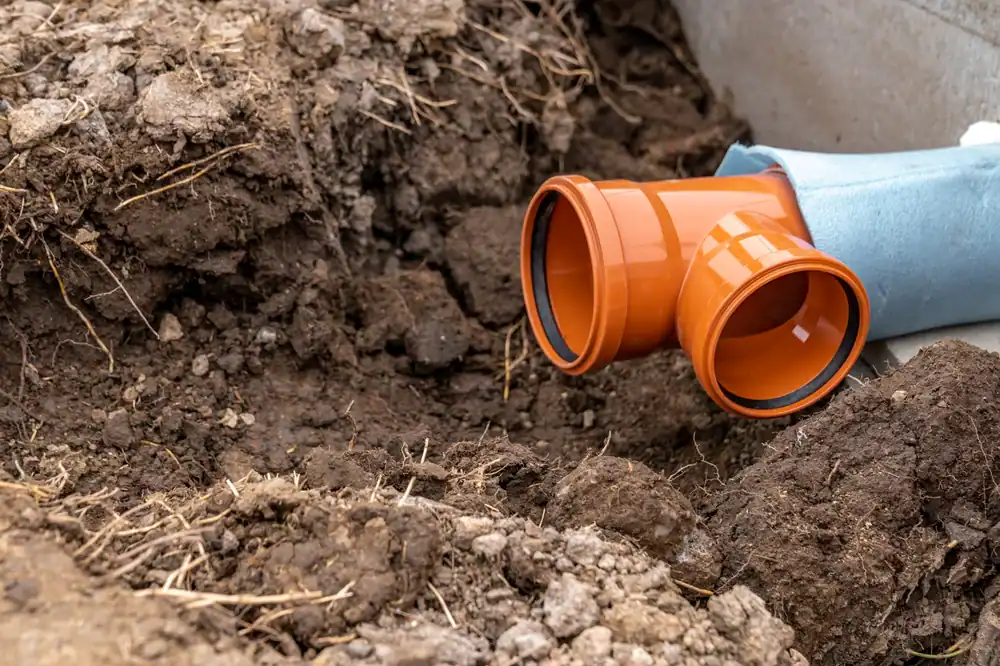
Close-up of an orange PVC pipe T-joint partially buried in soil, with one end connected to a blue pipe—a typical scene for a plumber Brevard County, FL might encounter at a construction or plumbing site.

Main Sewer Line Installation Services in Brevard County, FL

New Lines Built to Last Decades

Sewer line installation isn’t something you do twice. Whether you’re replacing a collapsed cast iron line from the 1960s, connecting to the county sewer system for the first time, or dealing with a main line that’s been patched too many times, the work has to be done correctly. We install new sewer lines using durable materials designed for Florida’s conditions. That means PVC or HDPE pipe that won’t corrode, proper slope so waste actually flows, and connections that won’t leak five years down the road. We pull permits, coordinate inspections, and make sure your system meets Brevard County, FL codes. This is the infrastructure your home depends on every single day. You flush a toilet, run a sink, take a shower—all of that waste has to go somewhere. If the main sewer line isn’t installed right, you’ll know it fast.

Sewer Line Replacement Brevard County

What a Proper Installation Actually Gives You

You're not just paying for pipe in the ground. You're paying to eliminate problems that cost you time, money, and stress every time they resurface.

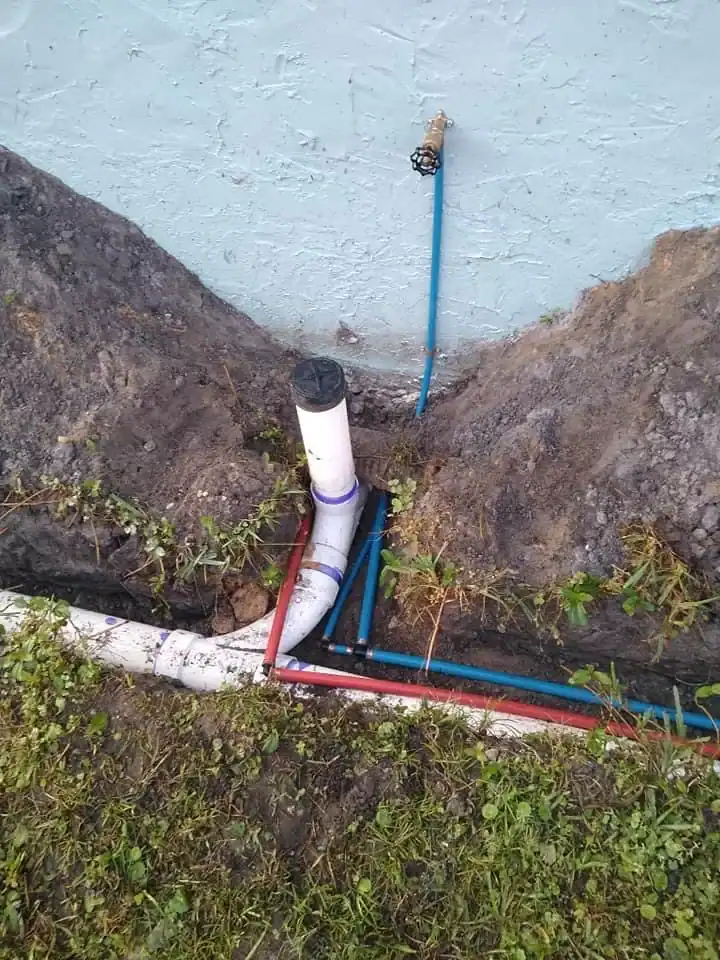
A patch of ground with dug-out soil reveals exposed blue, red, and white pipes arranged around a PVC pipe emerging vertically near a blue wall with a faucet above—typical work for a plumber in Brevard County, FL. Grass surrounds the dug-up area.

Pipe Bursting and Trenchless Options

We Don't Always Have to Dig Up Your Entire Yard

Traditional sewer line installation means trenching—digging a long line from your house to the street, tearing up landscaping, driveways, sidewalks, whatever’s in the way. Then you pay to put it all back. Pipe bursting is different. It’s a trenchless method where we dig two small access points, then pull a new sewer pipe through the old one while breaking apart the damaged line. The new pipe goes exactly where the old one was, underground, without ripping up your entire property. It’s not always an option. If your line is completely collapsed or the soil conditions won’t support it, we’ll tell you upfront. But when it works, it saves you time, mess, and the cost of restoring your yard afterward. We use HDPE pipe that’s heat-fused into one continuous length—no joints, no weak points where roots can get in later. Not every plumber offers trenchless sewer pipe replacement. We do, because we’ve invested in the equipment and training to do it right.

Cast Iron Sewer Pipe Replacement

If Your Home Was Built Before 1975, Listen Up

Most homes built in Brevard County before the mid-1970s have cast iron sewer pipes. They were the standard back then. The problem is Florida’s humidity eats them alive. Corrosion starts on the inside, the pipe walls thin out, and eventually you’re dealing with leaks, blockages, or a full collapse. If your house is 40, 50, 60 years old and you’re having sewer issues, there’s a good chance the pipe itself is the problem—not just a clog you can snake out. We see this constantly in older neighborhoods around Cocoa, Merritt Island, and Rockledge. Replacing cast iron with modern PVC or HDPE stops the cycle. You’re not patching a pipe that’s going to fail again in six months. You’re installing a material that doesn’t corrode, doesn’t attract roots the same way, and will outlast the rest of your plumbing system. We locate the old line with camera inspections so we know exactly what we’re dealing with before we start any sewer line replacement work.

Frequently Asked Questions

How much does sewer line installation cost in Brevard County, Florida?
It depends on the length of the line, the installation method, and what’s in the way. In Florida, full sewer line replacements typically range from $3,000 to $30,000. A partial section replacement might run $3,000 to $5,000. Trenchless methods like pipe bursting cost more per foot than traditional trenching, but you save money on yard restoration afterward. The depth of your line, soil conditions, and whether we need to work around obstacles like driveways or mature trees also affect the total. We give you a transparent estimate after inspecting your property and understanding what needs to be done. No two jobs are identical, so anyone quoting you a price over the phone without seeing your sewer line is guessing. We don’t guess.
If the damage is localized—like one cracked section or a small root intrusion—a repair or patch might be all you need. But if your cast iron pipes are corroding throughout, if you’re dealing with multiple problem areas, or if the line has collapsed or shifted due to soil movement, replacement is the smarter move. We use camera inspections to see the inside of your pipes and show you exactly what’s going on. If we can save you money with a repair, we’ll tell you. If patching it means you’ll be calling us back in six months with the same issue, we’ll tell you that too. Our goal is to fix the problem once, not sell you the most expensive option. Age matters too—if your sewer line is 50+ years old, replacement usually makes more financial sense than repeated repairs.
Most residential sewer installations take between three and seven days, depending on the length of the line, the installation method, and whether we hit any surprises underground. Simple, straightforward jobs might be done in two or three days. More complex projects—like running a line under a driveway, working around large trees, or dealing with rocky soil—can take a full week. Permitting and inspection scheduling can also add time, though we handle all of that coordination for you. Weather can cause delays, especially if we’re trenching and it rains. We’ll give you a realistic timeline upfront and keep you updated if anything changes. The work isn’t done until it passes inspection and your system is fully functional.
Traditional installation means digging a trench from your house to the street, removing the old pipe, laying in the new one, and backfilling the trench. It works, but it tears up your yard, driveway, landscaping—whatever’s in the path. Pipe bursting is a trenchless method where we dig two small pits, then pull a new pipe through the old one while simultaneously breaking it apart. The new pipe goes in the same path as the old one, underground, with minimal surface disruption. Pipe bursting costs more per foot upfront, but you save on restoration work afterward—no need to replace sod, replant landscaping, or repave sections of driveway. It’s not always an option. If your line is completely collapsed or the soil won’t support it, we’ll need to trench. We evaluate your situation and recommend the method that makes the most sense for your property and budget.
Most standard homeowners insurance policies in Florida don’t cover sewer line replacement. Insurers typically consider it a maintenance issue, not sudden damage. However, some companies offer add-on coverage called a water backup endorsement or service line coverage that can help with sewer repairs. It usually costs $20 to $75 per year and covers repairs up to a certain limit, often $10,000 to $25,000. It won’t cover pre-existing problems or damage from poor maintenance, and it has to be purchased before the issue happens. Check with your insurance agent to see what’s available. If you don’t have coverage, you’re responsible for the full cost, which is why catching problems early through inspections and maintaining your system matters. Waiting until you have a sewage backup in your house means you’re paying for everything out of pocket.
Florida’s humid climate accelerates corrosion on cast iron pipes. Moisture in the air and soil speeds up the rusting process, and the inside of the pipe corrodes from constant exposure to wastewater. In drier climates, cast iron can last 75 to 100 years. In Florida, especially in coastal areas like Brevard County, you start seeing problems as early as 25 to 40 years. The pipes thin out, develop holes, and eventually collapse. Add in tree roots seeking moisture and Florida’s sandy, shifting soil, and you’ve got a recipe for sewer line failure. Saltwater intrusion in coastal zones makes it even worse. If your home was built before 1975 and still has the original cast iron sewer line, it’s worth getting it inspected with a camera before it becomes an emergency. Replacing it proactively with PVC or HDPE saves you from dealing with a sewage backup and emergency repair costs.