Water Heater Repair Brevard County, FL

Hot Water Back Fast, Done Right

Your water heater quit at the worst possible time. We fix leaks, cold showers, strange noises, and failing units throughout Brevard County—with honest answers and repairs that actually last.

Our Services

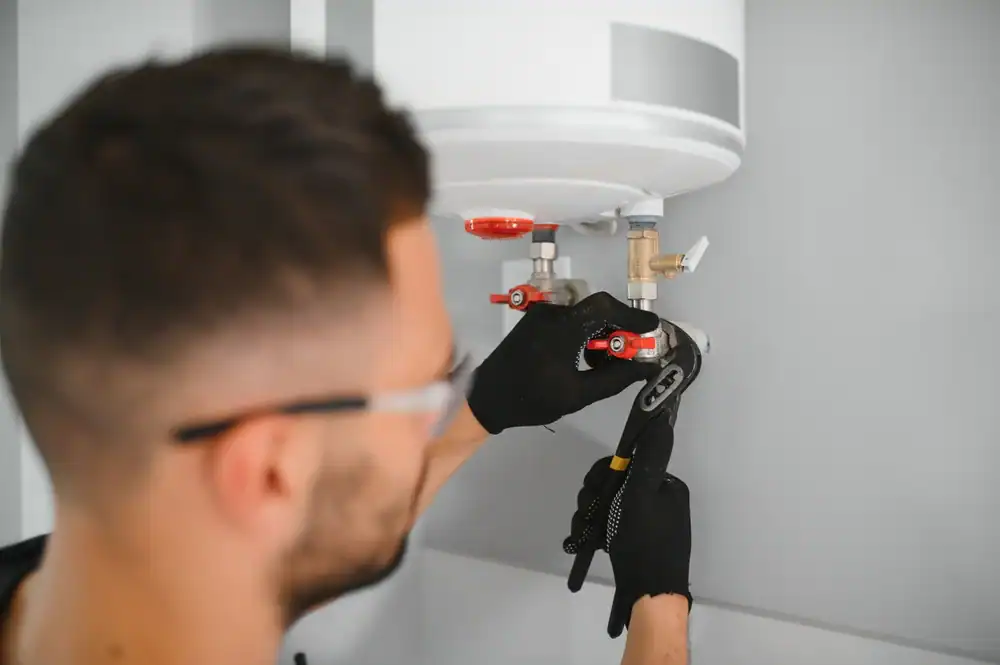
A plumber Brevard County in FL, wearing black gloves, uses a wrench to adjust pipes and valves on a white water heater mounted on a wall.

Brevard County Water Heater Services

Repairs That Address the Real Problem

A struggling water heater doesn’t fix itself. Whether you’re dealing with a leak, no hot water, or a unit that’s making sounds it shouldn’t, our licensed plumbers get to the bottom of it fast. We work on tank and tankless systems throughout Brevard County, from Cocoa and Rockledge to Merritt Island, Melbourne, and Palm Bay. Florida’s hard water and humid climate are tough on water heaters. Sediment builds up faster here. Corrosion happens sooner. That’s why we don’t just patch symptoms—we diagnose the root cause and recommend solutions that make sense for your situation and your budget. You get upfront pricing, straight talk about whether repair or replacement makes more sense, and work done correctly the first time. No surprises. No runaround. Just reliable hot water when you need it.

Hot Water Heater Repair Benefits

What You Get When We Fix It

Fast, reliable water heater repair means more than just hot water—it means one less thing breaking down when you're already busy enough.

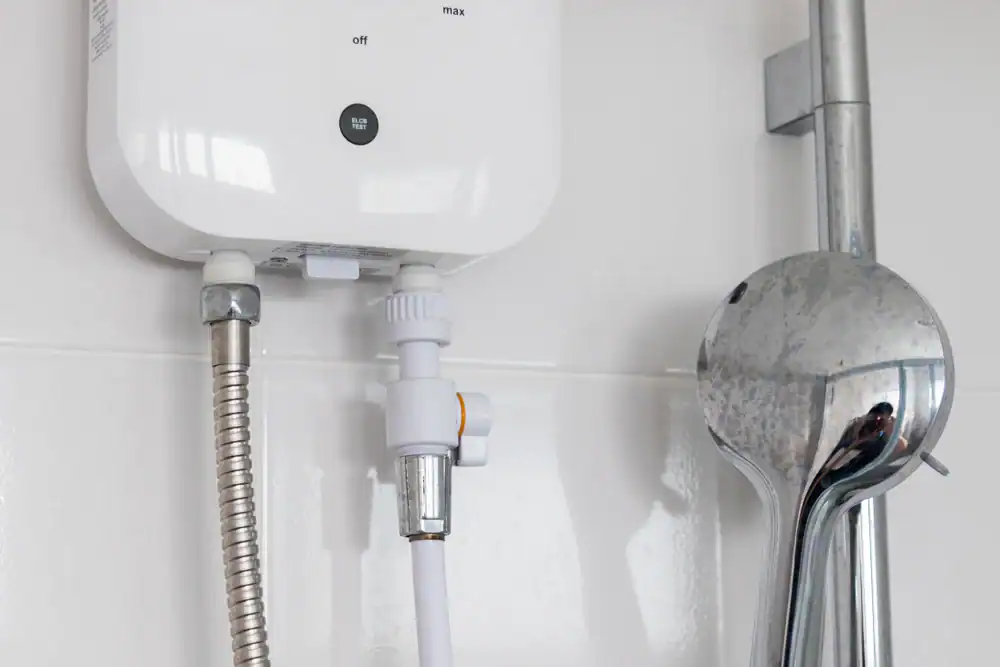
A close-up of a shower setup shows a white water heater, metal hose, connecting valve, and a chrome showerhead mounted on a tiled bathroom wall—typical work by a professional plumber in Brevard County, FL.

Common Water Heater Problems Florida

Problems We Fix Every Day

Water heaters fail in predictable ways, especially in Florida. If your hot water runs out faster than it used to, that’s often sediment taking up space in the tank or a heating element that’s struggling. When you hear banging or rumbling, that’s mineral buildup from our hard water heating up and basically exploding at the bottom of your tank. Not great for efficiency. Worse for longevity. Leaks are trickier. A leak from the top usually means a loose connection or a faulty valve—often fixable. A leak from the bottom typically signals tank corrosion or a failing drain valve. Sometimes that’s repairable. Sometimes the tank’s done. We’ll tell you which one you’re dealing with. Rusty or discolored water means your tank is corroding from the inside. The anode rod that’s supposed to prevent this has likely failed. If you’re getting inconsistent temperatures—scalding one minute, lukewarm the next—your thermostat or heating element is probably the culprit. We diagnose the actual problem, explain what’s happening in plain language, and give you options that make sense.

Emergency Water Heater Repair Brevard

When Your Water Heater Can't Wait

Some water heater problems need attention now. A leaking tank can cause serious water damage in hours. No hot water in the middle of winter—okay, Florida winter, but still—disrupts your entire household. A water heater making alarming noises might be close to failing completely. We offer same-day service for emergencies that can’t wait. When you call, you talk to someone who understands plumbing, not a call center reading a script. We’ll ask the right questions, give you a realistic timeframe, and get someone out to assess the situation. Our trucks carry common parts for both tank and tankless systems. Many repairs get completed the same visit. If we need to order something specific, we’ll let you know upfront. And if your water heater is beyond repair, we’ll explain why and what replacement would look like—including options that fit different budgets. No pressure. Just honest guidance from plumbers who’ve been doing this long enough to know the difference between a repair worth making and money you’d be better off putting toward a new unit.

Frequently Asked Questions

How do I know if my water heater needs repair or replacement?
Age is the first thing to consider. If your water heater is under 8 years old and the problem is something like a faulty thermostat, heating element, or valve, repair usually makes sense. These are relatively straightforward fixes that can extend your unit’s life without breaking the bank. But if your water heater is 10 years or older and you’re dealing with a leaking tank, rusty water, or you’ve had multiple repairs in the past year, replacement typically offers better value. A leaking tank can’t be reliably patched—once the tank itself is compromised, the unit is done. We follow a simple rule: if the repair costs more than 50% of what a new water heater would cost, and your unit is already past its prime, replacement makes more financial sense. We’ll assess your specific situation, explain what we’re seeing, and give you honest guidance either way.

Those noises are almost always sediment buildup at the bottom of your tank. Florida’s hard water is loaded with minerals like calcium and magnesium. Over time, these minerals settle at the bottom of the tank and harden into a crusty layer. When your heating element fires up, it heats that sediment, and the trapped water underneath basically boils and pops—kind of like popcorn. It’s not just annoying. That sediment layer forces your water heater to work harder, reduces efficiency, and accelerates wear on the tank and heating elements. Flushing the tank removes the sediment and usually eliminates the noise. If your water heater hasn’t been flushed in years, or ever, it’s probably overdue. In Florida, annual flushing isn’t just recommended—it’s pretty much necessary if you want your water heater to last anywhere close to its expected lifespan. We can flush your tank, inspect the anode rod while we’re at it, and let you know if there are any other issues developing.
Where the leak is coming from determines whether it’s fixable. Leaks from the top of the water heater often come from loose pipe connections or a faulty temperature and pressure relief valve. These are usually repairable—we can tighten connections or replace the valve. Leaks from the side typically involve the T&P valve, which might be releasing water because the temperature or pressure inside the tank is too high. Sometimes adjusting the thermostat fixes it. Sometimes the valve itself needs replacing. Leaks from the bottom are more serious. If water is coming from the drain valve, that valve might just need tightening or replacement. But if the leak is coming from the tank itself, that’s internal corrosion, and the tank is done. You can’t patch a corroded tank—it’ll just leak somewhere else. We’ll locate the source of your leak, explain what’s causing it, and tell you whether repair is an option or if you’re looking at replacement. Either way, you’ll know exactly where you stand before any money changes hands.
Traditional tank water heaters typically last 8 to 12 years in Florida, though some make it a bit longer with proper maintenance. Tankless water heaters usually last 15 to 20 years or more. Florida’s climate is tough on water heaters. Our hard water accelerates sediment buildup and corrosion. The high humidity doesn’t help either, especially if your water heater is in a garage or unconditioned space. The constant demand for hot water—year-round showers, laundry, dishwashing—means your water heater rarely gets a break, which adds to the wear. You can extend your water heater’s lifespan by flushing it annually to remove sediment, checking the anode rod every few years and replacing it when it’s corroded, and keeping an eye out for early warning signs like strange noises, discolored water, or minor leaks. Catching problems early usually means simpler, cheaper fixes. Ignoring them typically means a more expensive emergency down the road. If your water heater is pushing 10 years and starting to act up, it’s worth having us take a look and give you an honest assessment of how much life it has left.
Yes, we offer same-day service for water heater emergencies throughout Brevard County when our schedule allows. If you’re dealing with a leak that’s causing water damage, no hot water at all, or a situation that can’t safely wait, call us and we’ll do everything we can to get someone out the same day. We keep common parts for both tank and tankless water heaters on our trucks, so many repairs can be completed during the first visit. For less urgent issues—like a water heater that’s working but not performing as well as it should—we can usually schedule you within a day or two. Either way, when you call, you’ll talk to someone who understands plumbing and can give you a realistic timeframe based on your specific situation. We’re a local, family-owned company, not a national chain with a call center three states away. That means faster response times and plumbers who actually know Brevard County and the water heater issues common to this area.
Water heater repair costs typically range from $150 to $700, depending on what’s wrong and what parts are needed. A simple fix like replacing a thermostat or heating element usually falls on the lower end. More involved repairs—like replacing a temperature and pressure relief valve, fixing multiple components, or addressing issues that require more labor—cost more. We provide upfront pricing before we start any work, so you know exactly what you’re paying. No surprise charges. No hidden fees. If we get into a repair and discover additional problems, we stop and discuss it with you before proceeding. You’re never committed to work you didn’t agree to. If your water heater needs replacement instead of repair, that’s a different conversation. Replacement costs depend on the type and size of water heater, whether it’s tank or tankless, and any modifications needed for installation. We’ll walk you through your options and help you understand what makes sense for your situation and budget. Our goal is to give you reliable hot water at a fair price—not to upsell you on things you don’t need.

Cities we provide Water Heater Repair In