
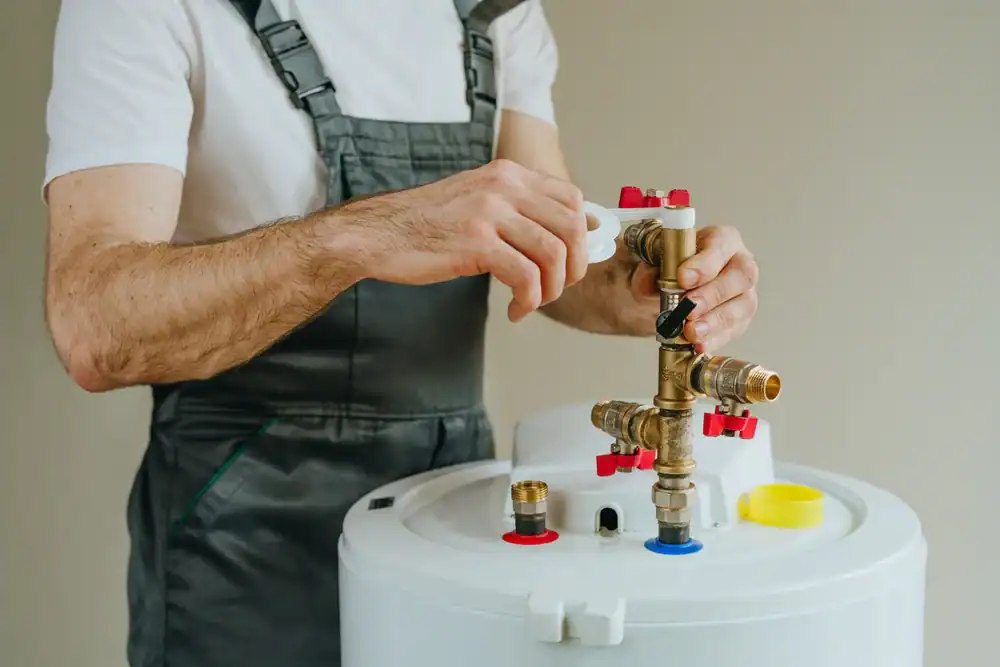
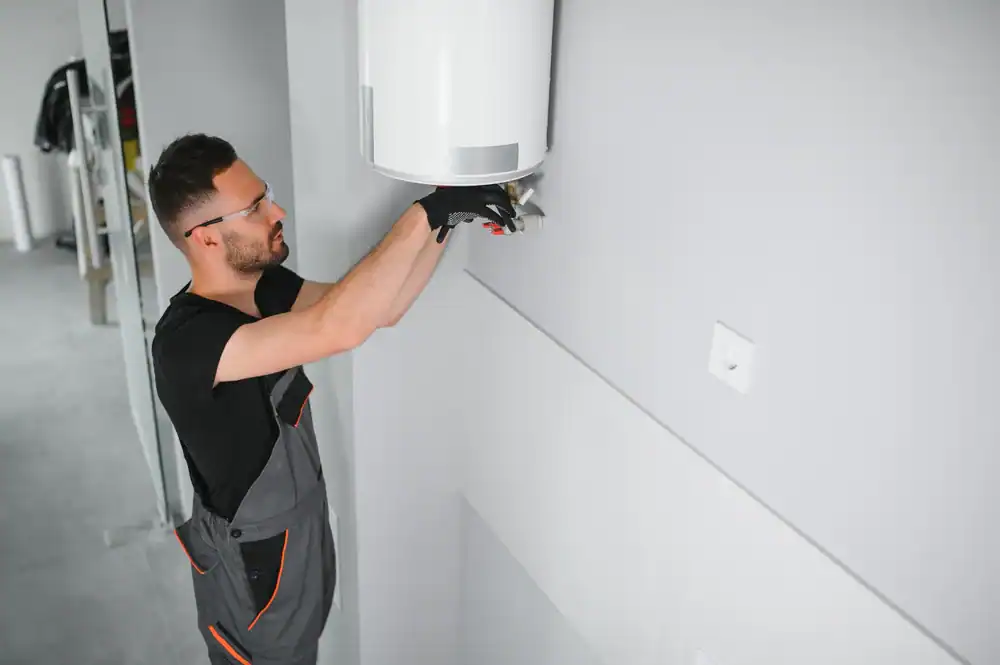
You’re not just getting your water heater fixed. You’re getting your morning routine back, your ability to do laundry without planning around cold water, and the confidence that your system won’t fail again next week.
Hot water heaters in Bellwood work harder than most people realize. Florida’s humidity accelerates rust and corrosion on tanks. Hard water builds up sediment that clogs heating elements and makes your system strain. Year-round usage means your unit never gets a break—it’s heating water in July just as much as January.
When something goes wrong, it usually happens fast. A small leak becomes a flooded utility room. A failing thermostat means ice-cold showers for the whole house. That’s why emergency water heater repair isn’t just about convenience—it’s about preventing bigger problems before they cost you more.
We’ve been serving Bellwood and the surrounding Space Coast since 2007. We’re a family-owned plumbing company built on military values—honesty, hard work, and getting the job done right.
Carl personally oversees every job. That means you’re not getting a different crew every time or a technician who’s guessing their way through your repair. You’re getting someone who’s seen thousands of water heater problems across Brevard County and knows exactly what’s failing and why.
We’re not the cheapest option in Bellwood, and that’s intentional. You’re paying for licensed plumbers who show up on time, diagnose the real issue, and fix it with parts that last—not the quickest bandaid that fails in six months.
You call or contact us with the issue—no hot water, leaking tank, strange noises, whatever you’re dealing with. We ask a few questions to understand what’s happening and schedule a time that works for you. If it’s an emergency, we move faster.
When we arrive, we inspect the entire system. That means checking the tank or tankless unit, testing the thermostat, looking at the heating elements, examining the anode rod, and inspecting for leaks or corrosion. We’re not just fixing the symptom—we’re finding the root cause.
Once we know what’s wrong, we explain it in plain terms. No jargon. No overselling. You’ll know what failed, why it failed, and what it’ll take to fix it. If it’s a simple repair, we handle it on the spot. If you need a part, we’ll let you know the timeline. If replacement makes more sense than repair, we’ll walk you through that too.
After the work is done, we test everything to make sure it’s heating properly and holding pressure. You get hot water back, and we make sure you understand how to keep it running.
Ready to get started?
Every water heater repair starts with a full system inspection. We’re checking for the most common issues in Bellwood—sediment buildup from hard water, rust from humidity and salt air, failing heating elements, thermostat problems, and leaks that could turn into serious water damage.
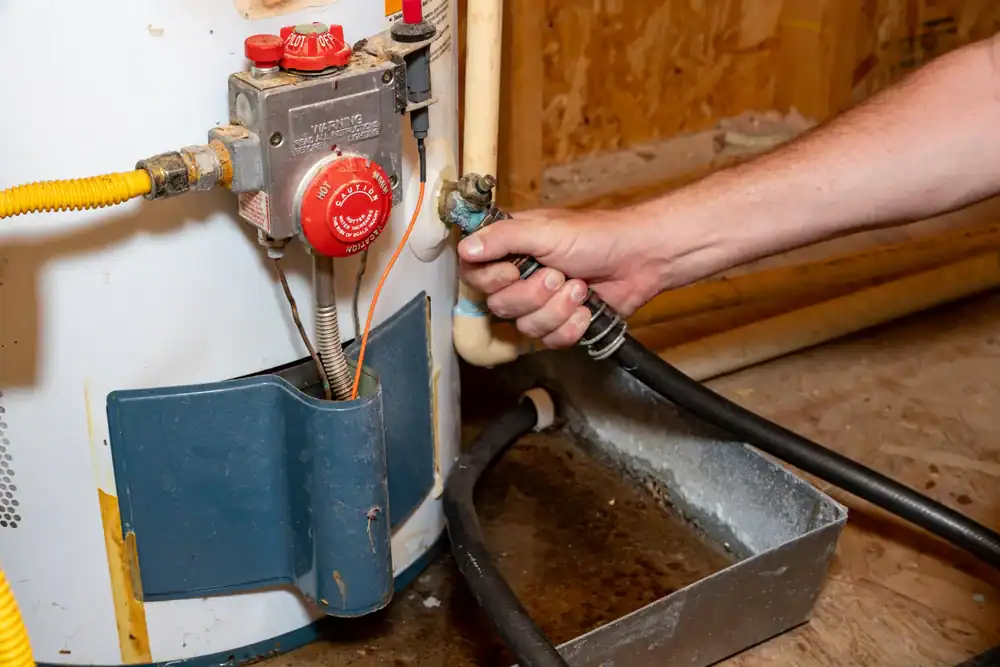
If your water heater is leaking, we locate the source. Sometimes it’s a loose connection or a faulty pressure relief valve. Other times it’s corrosion eating through the tank itself. Depending on what we find, we’ll either repair the leak or recommend replacement if the tank is too far gone.
For hot water heaters that aren’t heating, we test the thermostat and heating elements. In Florida, mineral deposits often coat the elements and make them work harder than they should. Replacing them restores efficiency and gets your water hot again. We also flush the tank if sediment is the issue—it’s one of the most common problems we see in Brevard County.
Tankless units have their own quirks. They’re efficient, but they’re sensitive to hard water and need regular maintenance. If yours isn’t firing up or is giving you error codes, we’ll diagnose the control board, check the flow sensor, and clean out any mineral buildup in the heat exchanger.
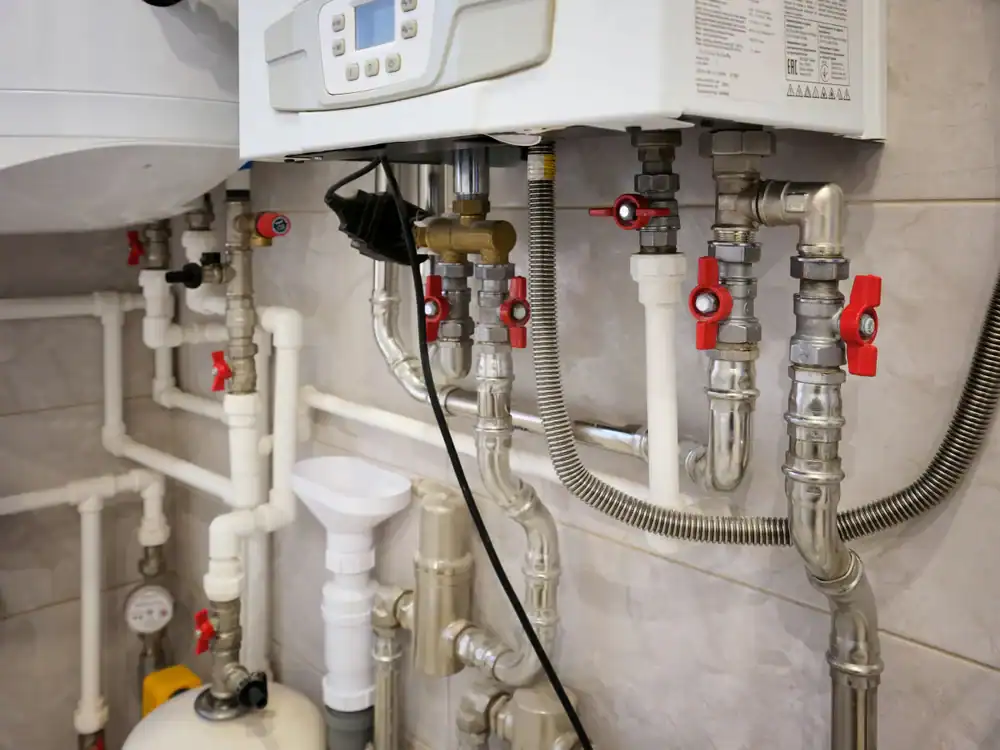
If your water heater is under ten years old and the problem is isolated—like a bad thermostat, a failing heating element, or a leaking valve—repair usually makes sense. These are straightforward fixes that restore function without the cost of a new unit.
If your tank is over ten years old, leaking from the tank itself, or showing heavy rust and corrosion, replacement is often the smarter move. Tanks don’t last forever, especially in Florida where humidity and hard water accelerate wear. A leaking tank can’t be patched—it needs to be replaced before it floods your home.
We’ll never push you toward replacement if repair is the right call. But we also won’t sell you a repair that buys you six months when you’re better off investing in a new system that’ll last another decade. We’ll walk through the pros and cons so you can make the call.
Florida’s climate is tough on water heaters. Hard water is the biggest culprit—it’s loaded with minerals that settle at the bottom of the tank and coat heating elements. Over time, that sediment hardens and makes your system work harder to heat the same amount of water.
Humidity accelerates rust and corrosion, especially on older tanks. If you’re near the coast in Brevard County, salt air makes it worse. Even tankless units aren’t immune—moisture can corrode components and shorten their lifespan if they’re not maintained.
Year-round usage also plays a role. In colder climates, water heaters get a break during warmer months. In Bellwood, your system runs constantly. That means more wear, more strain, and more chances for something to fail. Regular maintenance helps, but even well-maintained units typically last 8 to 12 years here instead of the 15 you might see up north.
Most repairs take one to three hours depending on what’s wrong. If it’s a thermostat replacement or a heating element swap, we’re usually in and out in under two hours. If we need to flush the tank or replace a pressure relief valve, it might take a bit longer.
If we need to order a part, that adds time—usually a day or two depending on availability. We’ll let you know upfront if that’s the case so you’re not left guessing. For emergency repairs, we prioritize getting you back up and running as fast as possible, even if that means a temporary fix while we wait on the right part.
Replacements take longer, typically three to five hours depending on whether you’re going from tank to tank, tank to tankless, or dealing with any code updates. We’ll give you a clear timeline before we start so you know what to expect.
Some basic maintenance—like flushing the tank or testing the pressure relief valve—can be done yourself if you’re comfortable with it. But most repairs require specialized knowledge and tools, especially anything involving gas lines, electrical components, or pressure systems.
Water heaters operate under pressure and involve either high-voltage electricity or natural gas. A mistake can lead to serious injury, property damage, or even a fire or explosion. Florida building codes also require licensed plumbers for most water heater work, and your homeowner’s insurance may not cover damage caused by DIY repairs.
If your water heater is leaking, not heating, making loud noises, or showing any signs of failure, call a licensed plumber. The cost of a professional repair is almost always less than the cost of fixing a DIY mistake—or dealing with the water damage that comes from a tank that fails completely.
Tank water heaters are simpler systems. They store hot water in a large tank and keep it heated around the clock. Common repairs include replacing heating elements, thermostats, anode rods, and pressure relief valves. Sediment buildup is a big issue with tanks, so flushing them regularly helps extend their life.
Tankless water heaters heat water on demand, so they’re more complex. They have control boards, flow sensors, and heat exchangers that can fail or get clogged with mineral deposits. Repairs often involve descaling the unit, replacing sensors, or fixing error codes related to ignition or flow. Tankless units are more efficient, but they require more maintenance and are sensitive to Florida’s hard water.
Both types can be repaired, but tankless systems usually need more specialized knowledge. If you’re dealing with a tankless issue, make sure the plumber you call has experience with them—not all do. We’ve worked on both for years and know the common failure points for each.
Flushing your tank once a year removes sediment before it hardens and damages heating elements. If you have hard water in Bellwood—and most people do—this is the single most important thing you can do to extend your water heater’s life.
Check your anode rod every few years. It’s designed to corrode so your tank doesn’t, but once it’s gone, rust starts eating through the tank itself. Replacing it is cheap compared to replacing the entire unit.
For tankless systems, descaling is critical. Mineral buildup clogs the heat exchanger and makes the unit work harder. Most manufacturers recommend descaling once a year, and in Florida’s hard water conditions, that’s not optional—it’s necessary. Regular maintenance catches small problems before they become expensive failures.
Other Services we provide in Bellwood