
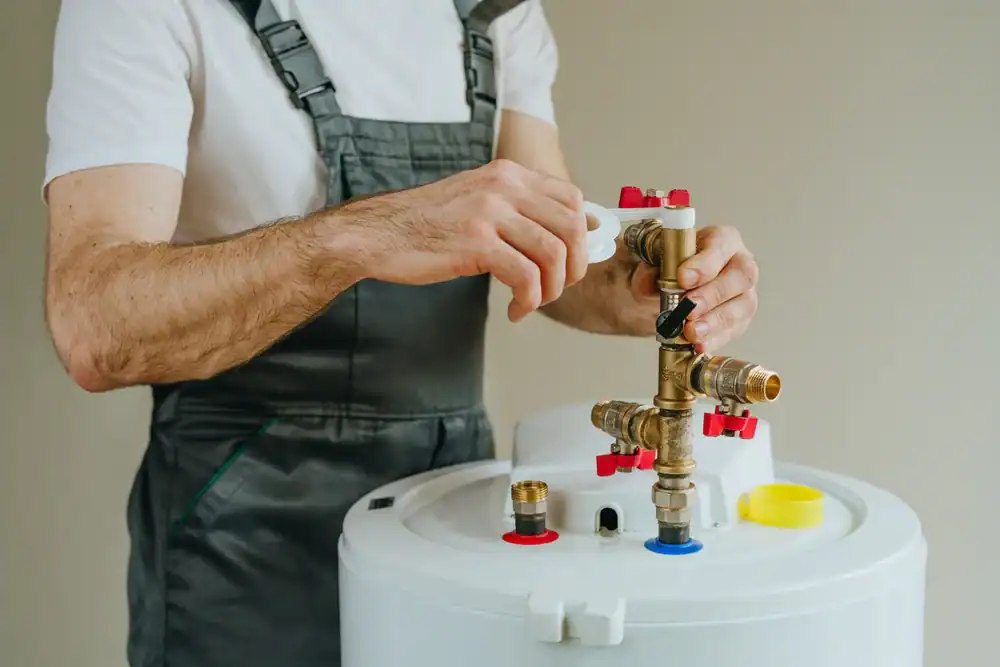
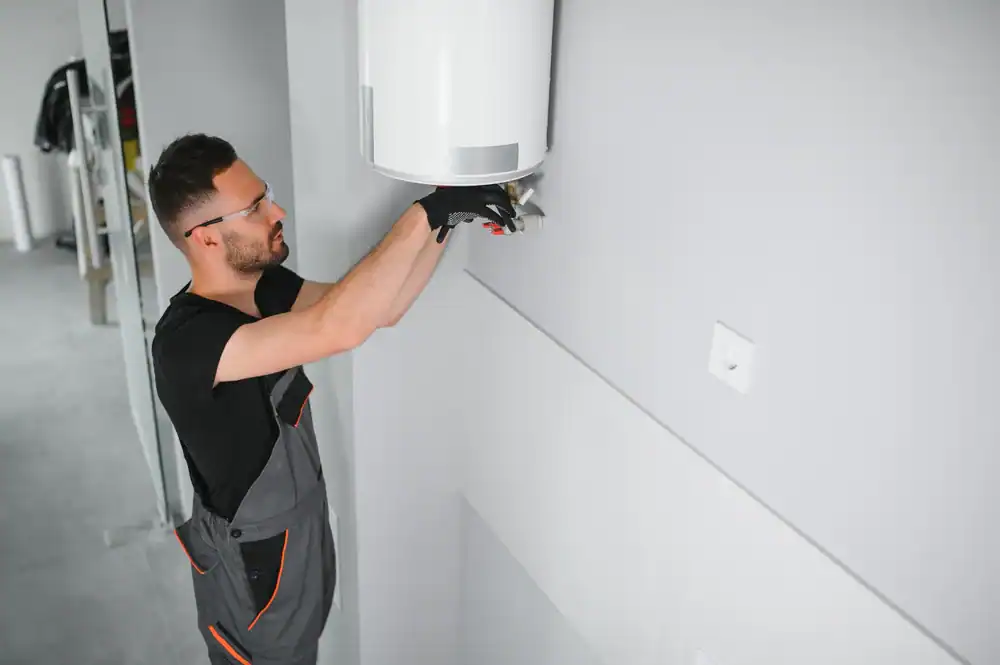
You’re not just getting hot water back. You’re getting mornings that don’t start with cold showers and a surprise repair bill six months later.
When your water heater leaking gets addressed by someone who knows what Florida’s mineral-heavy water does to tanks, you avoid the cycle of temporary fixes. The banging noises stop. Your energy bill stops climbing. And you’re not wondering when the next breakdown is coming.
That’s what happens when the repair actually addresses the root cause—not just the symptom. You get a system that works the way it should, maintained by someone who’s seen thousands of hot water heaters fail in Brevard County and knows exactly why yours did too.
We’ve been handling plumbing services in Delespine and throughout Brevard County since 2007. We’re a family-owned business, and our owner Carl brings over 40 years of combined plumbing experience plus 20 years of military service to every job.
That military background isn’t just a talking point. It’s how we operate—with honesty, accountability, and a work ethic that doesn’t cut corners. Carl personally oversees each project to make sure it’s done right the first time.
We’re state-certified, fully licensed and insured, and we’ve built our reputation in communities like Delespine by doing what we say we’ll do. No upselling. No runaround. Just straight answers and solid work.
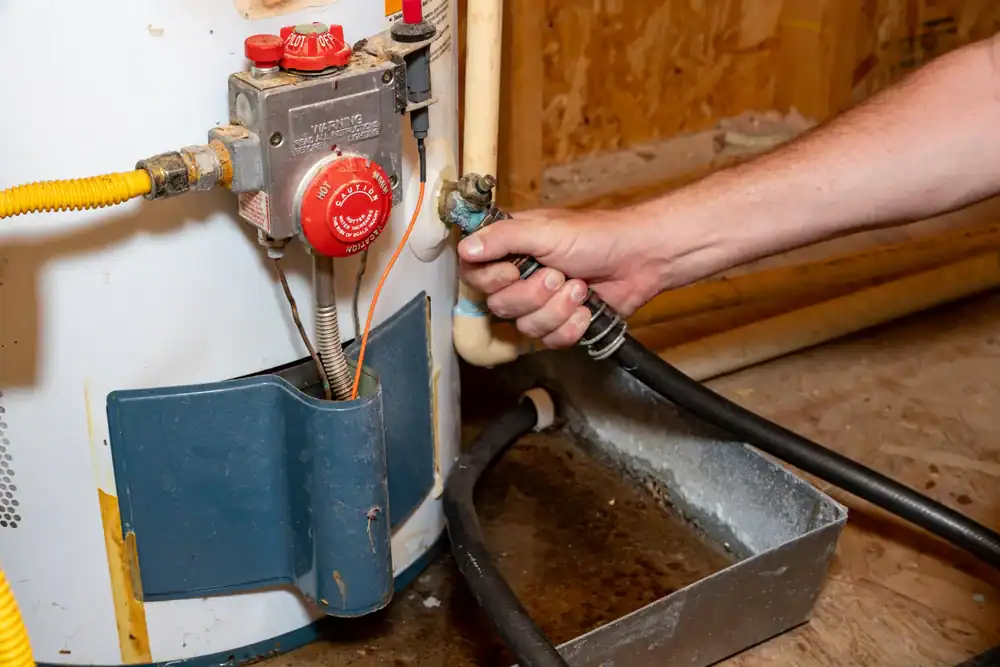
First, we show up when we say we will. You explain what’s going on—no hot water, strange noises, leaking, whatever it is—and we start with a full diagnostic. We’re checking the heating elements, the thermostat, the pressure relief valve, and looking for sediment buildup or corrosion inside the tank.
Once we know what’s wrong, we explain it in plain terms. Not plumber-speak. We tell you what failed, why it failed, and what it’ll take to fix it. If it’s a repair, we handle it on the spot when possible. If your unit is too far gone, we’ll tell you that too—and explain why replacement makes more sense than pouring money into a dying system.
After the work is done, we test everything to make sure your hot water is consistent and your system is running efficiently. Then we walk you through what we did and answer any questions. You’re not left guessing.
Ready to get started?
When we come out for emergency water heater repair or a scheduled service call, you’re getting a full assessment—not just a quick patch job. We’re diagnosing heating element failure, thermostat issues, pressure valve problems, and sediment buildup that’s common in Delespine’s hard water supply.
Florida’s climate is brutal on water heaters. High humidity and coastal air accelerate corrosion. Mineral-rich water creates scale buildup that makes your system work harder and fail faster. We see more water heater emergencies in July and August than any other time of year because the heat puts extra stress on units that are already struggling.
That’s why our repairs address Florida-specific problems. We’re flushing sediment that’s been baking onto your tank. We’re replacing components that can’t handle the mineral content in your water. And we’re setting your temperature to 120°F—the sweet spot for efficiency and safety—so you’re not wasting energy or risking scalding.
You also get transparent pricing before we start, same-day service when you need it, and work that’s backed by a state-certified contractor who’s not going anywhere.
If your unit is under 10 years old and the problem is isolated—like a faulty heating element or thermostat—repair usually makes sense. These are straightforward fixes that restore function without replacing the entire system.
But if your water heater is over 10 years old, leaking from the tank itself, or you’re dealing with rusty water, replacement is likely the smarter move. A leaking tank means the interior is corroded, and that’s not something you can repair. Rusty or discolored water is another sign of internal breakdown.
Age and frequency of repairs matter too. If you’re calling a plumber every few months for a new issue, you’re spending more on bandaid fixes than a new unit would cost. We’ll give you an honest assessment based on what we find—not what makes us the most money.
That noise is sediment buildup at the bottom of your tank. Florida’s water is loaded with minerals like calcium and magnesium, and over time those minerals settle and harden into a crusty layer.
When your water heater fires up, it has to heat through that sediment layer to reach the water. The trapped water underneath boils and pops, causing the banging sound. It’s not just annoying—it’s inefficient and it accelerates wear on your tank.
Flushing the tank removes that sediment and restores efficiency. If it’s been years since your last flush, or if you’ve never had it done, that’s likely your problem. Left unchecked, sediment buildup leads to overheating, premature failure, and eventually a full breakdown.
Leaks can come from several places, and not all of them are emergencies—but you shouldn’t ignore any of them. If water is pooling around the base of your tank, that’s a serious problem. It usually means the tank itself is corroded and leaking, which can’t be repaired.
Leaks from the pressure relief valve or inlet/outlet connections are less severe and often fixable. The pressure valve might be releasing water because your temperature is set too high or there’s too much pressure in the system. Connections can loosen over time or develop small cracks.
Either way, a leaking water heater can cause water damage to your floors, walls, and anything nearby. If you see water, call us right away. We’ll determine where it’s coming from and whether it’s a quick fix or a full replacement situation.
Most repairs take one to three hours, depending on what’s wrong. Replacing a heating element or thermostat is usually a quick job—under two hours in most cases. Flushing sediment or fixing a valve might take a bit longer, especially if the buildup is severe.
If we need to order a part that’s not on the truck, that can add a day or two. But we carry the most common components for standard tank and tankless water heaters, so same-day completion is typical for straightforward repairs.
Emergency water heater repair calls get priority scheduling. If you’re without hot water and it’s fixable, we’ll get you back up and running as fast as possible. If it’s not fixable and you need a replacement, we’ll talk through your options and timeline right there.
Some basic maintenance—like flushing the tank or testing the pressure relief valve—you can handle yourself if you’re comfortable with it. But actual repairs involving electrical components, gas lines, or internal tank work should be left to a licensed plumber.
Water heaters involve electricity or gas, high water pressure, and temperatures that can cause serious burns. Mistakes can lead to flooding, fire, or even explosions if pressure builds up incorrectly. Florida building codes also require licensed contractors for most plumbing work, and DIY repairs can void your warranty.
If you’re dealing with no hot water, leaks, strange noises, or inconsistent temperatures, call us. The cost of a proper repair is a lot less than the cost of fixing a DIY disaster—or dealing with the safety risks.
Sediment buildup is the number one killer of water heaters in Florida. Our water supply is packed with minerals that settle at the bottom of the tank and create a barrier between the heat source and the water. Over time, that layer hardens and causes the system to overheat, work inefficiently, and eventually fail.
Florida’s heat and humidity don’t help either. Your water heater works harder in summer because the ambient temperature stresses the system. Add in frequent power surges from storms and lightning, and you’ve got the perfect conditions for premature failure.
Regular maintenance—especially annual flushing—extends the life of your unit significantly. Most homeowners skip it until something breaks. If you’re in Delespine and your water heater is more than a few years old, a maintenance check now can save you from an emergency repair later.
Other Services we provide in Delespine