
You’re not calling about a water heater. You’re calling because morning showers just became impossible, the laundry’s piling up, and you can’t wash dishes without boiling water on the stove first.
When your hot water heater stops working, everything in your house grinds to a halt. The longer you wait, the more disruption you deal with.
Same-day water heater repair means you get back to normal today. No cold showers tomorrow morning. No rearranging your entire schedule around a broken appliance. Just a licensed plumber who diagnoses the problem, explains what’s wrong in plain language, and gets your hot water running again.
Whether it’s a water heater leaking, a faulty heating element, or sediment buildup from Brevard County’s hard water, the fix happens fast. And if repair doesn’t make sense, you’ll know that too—with transparent pricing and no pressure to replace something that can be fixed.
We’ve been handling plumbing services across Indialantic, FL and Brevard County since 2007. We’re not a franchise call center routing your emergency to whoever’s available—we’re a family-owned company based right here on the Space Coast.
Carl started plumbing at 16 and brings over 40 years of combined experience, plus 20 years of military service. That background shows up in how we work: on time, transparent pricing, no runaround.
We know what Florida’s hard water does to hot water heaters. We know how salt air accelerates corrosion in coastal homes. And we know that when your water heater is leaking at 9 PM, you don’t want to wait until Monday for someone to call you back.
First, we pick up the phone. You’re not leaving a voicemail or filling out a form and hoping someone responds. You talk to a real person who can get a plumber to your home in Indialantic, FL the same day in most cases.
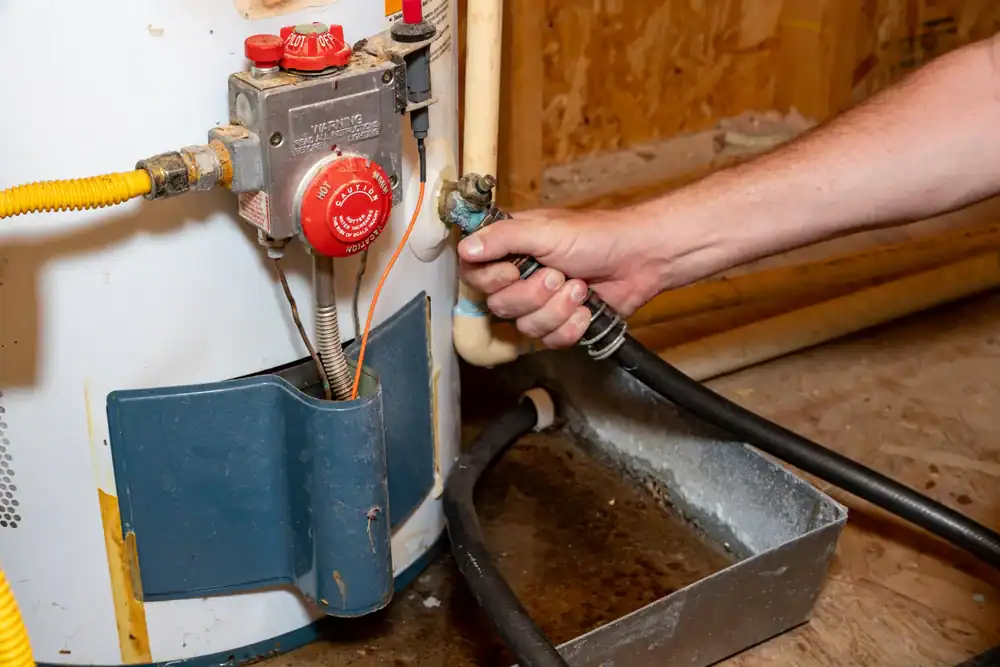
When we arrive, we diagnose the issue—whether it’s a gas water heater, electric model, or tankless unit. We check for leaks, test heating elements, inspect the anode rod, and look for sediment buildup that’s common with our local water supply.
Then we explain what’s wrong in terms that make sense. Not technical jargon. Not a sales pitch. Just the facts: what failed, why it failed, and what it’ll take to fix it.
You get upfront pricing before any work starts. If it’s a straightforward repair, we handle it on the spot. If your unit is too far gone and replacement makes more sense, we walk through your options—tank vs tankless, capacity, energy efficiency—and let you decide what fits your home and budget.
Ready to get started?
Every water heater repair starts with a full system inspection. We’re looking at the whole picture—not just the obvious problem. That means checking pressure relief valves, testing thermostats, inspecting gas lines or electrical connections, and flushing sediment that builds up faster here in Indialantic, FL than almost anywhere else.
Florida’s water is loaded with calcium and magnesium. Those minerals settle at the bottom of your tank and create a layer that makes your heater work harder, waste energy, and fail sooner. Most water heater problems we see in Brevard County come back to sediment. Flushing it regularly extends the life of your unit by years.
If your water heater is leaking, we find the source. Sometimes it’s a loose connection or a faulty valve. Sometimes it’s a cracked tank that can’t be repaired. Either way, you’ll know exactly what’s happening and what your options are.
We service all makes and models—gas and electric, tank and tankless. And because we’re local, we understand what coastal homeowners deal with. Salt air corrodes outdoor components faster. Hard water clogs lines and coats elements. We account for that in every repair.
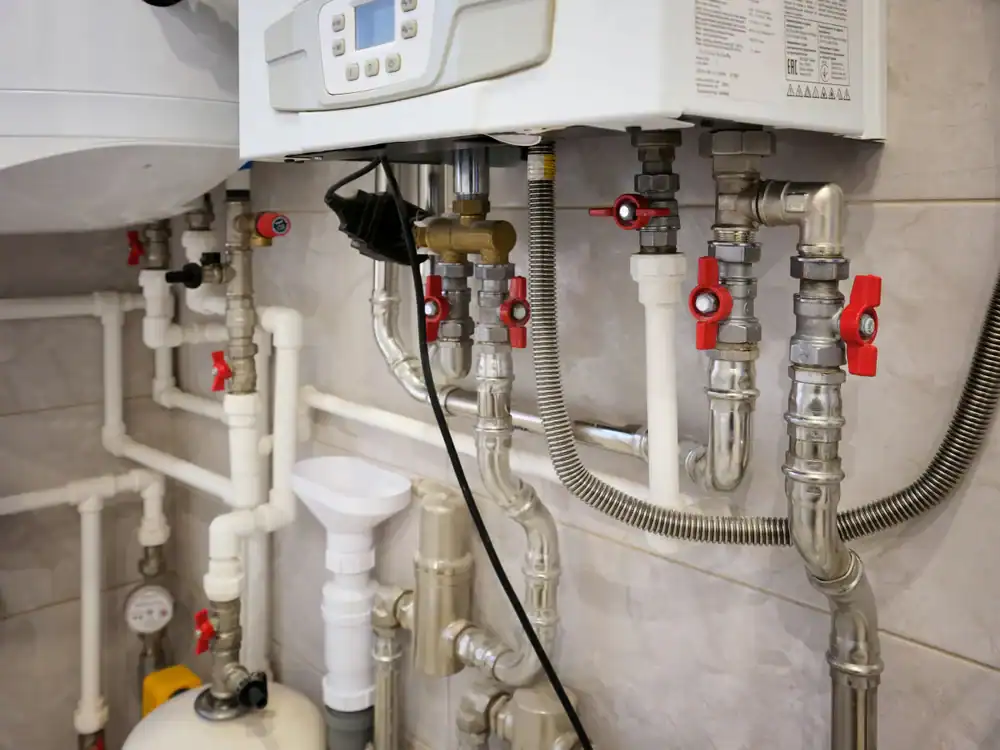
Most water heaters in Brevard County last between 8 and 12 years. That’s shorter than the national average, and it’s because of our water quality and coastal environment.
Florida’s hard water accelerates sediment buildup inside the tank. Calcium and magnesium settle at the bottom, insulate the heating element, and force your system to work harder. Over time, that extra strain causes premature failure.
Salt air adds another layer of wear, especially if your unit is outdoors or in a garage. Corrosion happens faster here than it does inland. If your water heater is approaching the 10-year mark and you’re starting to see issues—inconsistent hot water, strange noises, small leaks—it’s worth having us take a look before it fails completely.
Leaks usually come from one of three places: the pressure relief valve, a loose connection, or a crack in the tank itself.
The pressure relief valve is designed to release water if pressure builds up too high. If it’s leaking, it might be faulty, or it might be doing its job because something else is wrong with the system. Either way, it needs attention.
Loose drain valves or inlet/outlet connections can drip or spray water. These are often simple fixes—tightening a fitting or replacing a worn washer. But if the tank itself has cracked or rusted through, that’s not repairable. Once the inner lining fails, the unit needs to be replaced. We can tell you which situation you’re dealing with and what it’ll take to stop the leak.
Some basic maintenance—like flushing sediment or testing the pressure relief valve—can be done yourself if you’re comfortable with it. But actual repairs almost always require a licensed plumber.
Water heaters involve gas lines, electrical connections, high water pressure, and temperatures that can cause serious burns. If something’s installed incorrectly, you’re looking at potential flooding, gas leaks, or even fire hazards.
Florida building codes also require permits for water heater installation and certain repairs. As a licensed plumber in Indialantic, FL, we know those codes, pull the necessary permits, and make sure the work is done safely and legally. That protects you if you ever sell your home or file an insurance claim. DIY repairs might save money upfront, but they often cost more in the long run when something goes wrong.
Repair costs depend on what’s broken and whether it’s a straightforward fix or something more involved. A simple thermostat replacement or valve repair might run a few hundred dollars. Replacing a heating element, flushing heavy sediment buildup, or addressing a gas line issue costs more.
Emergency service outside normal business hours sometimes includes an additional trip charge, but we offer same-day service during regular hours at standard rates.
What matters most is getting an upfront estimate before work begins. We diagnose the issue, explain what needs to happen, and give you clear pricing. If the repair cost is close to what a new water heater would cost—and your unit is already 10+ years old—replacement might make more sense. We’ll tell you that honestly instead of just fixing something that’s going to fail again in six months.
If your water heater is less than 8 years old and the repair is minor, fixing it usually makes sense. If it’s over 10 years old and you’re looking at a major repair, replacement is often the smarter move.
Here’s why: older units are less efficient, so they cost more to run every month. They’re also more likely to have another failure soon after you fix the first problem. Spending $600 on a repair for a 12-year-old water heater that might last another year isn’t a great investment.
New water heaters are more energy-efficient, come with warranties, and give you a fresh start without the constant worry of the next breakdown. Tankless models can save even more on energy costs and take up less space. We can walk you through the math based on your specific situation—what the repair costs, how old your unit is, and what replacement would run. Then you can make the call that makes sense for your home and budget.
Traditional tank water heaters store 40 to 80 gallons of hot water and keep it heated around the clock. When you use hot water, the tank refills and reheats. They’re less expensive upfront and straightforward to install.
Tankless water heaters heat water on demand as it flows through the unit. No storage tank, no standby heat loss, and you never run out of hot water. They’re more energy-efficient and last longer—often 20 years compared to 10 for a tank model.
The tradeoff is cost. Tankless units cost more to buy and install, especially if your home needs electrical or gas line upgrades to support the higher demand. But over time, the energy savings and longer lifespan can offset that initial investment. For larger families in Indialantic, FL who go through a lot of hot water—or homeowners who want to reduce their energy bills—tankless makes sense. For smaller households or tighter budgets, a high-efficiency tank model works just fine.
Other Services we provide in Indialantic