
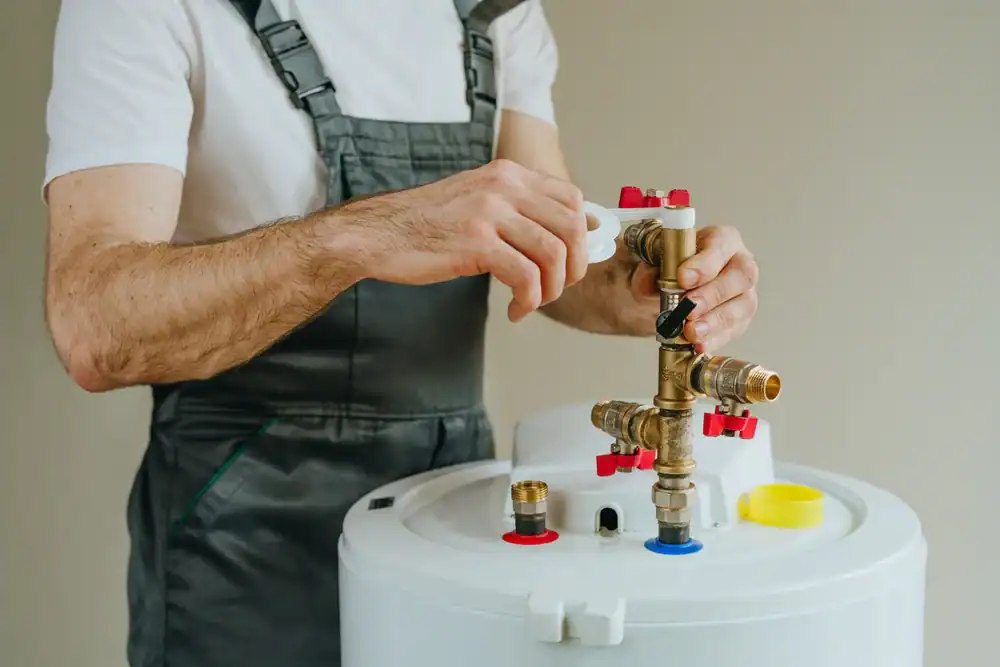
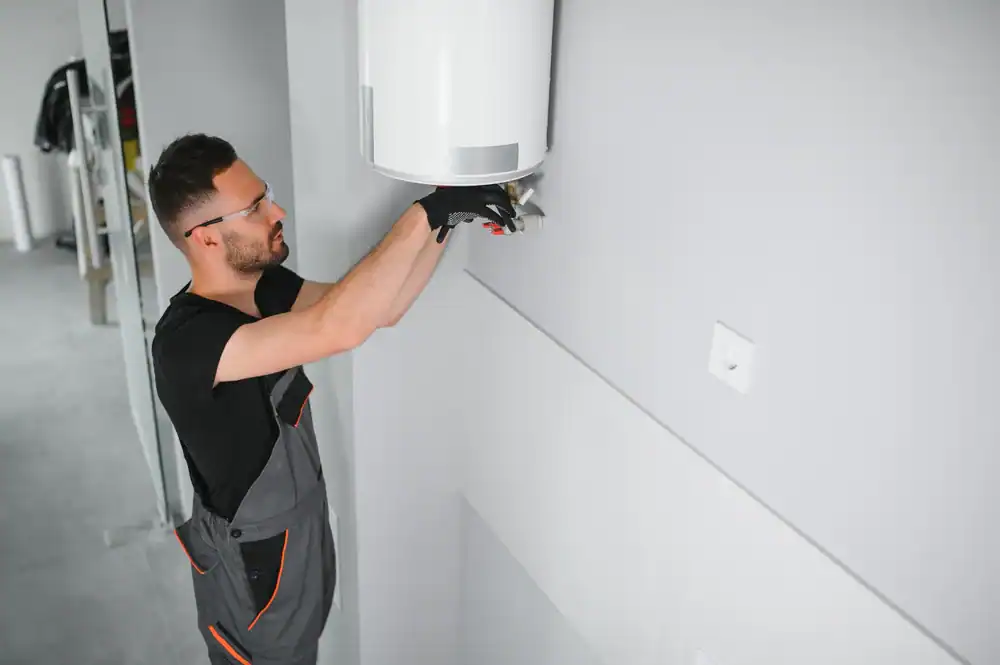
Your water heater doesn’t pick convenient times to quit. It happens during your morning routine, right before guests arrive, or when you notice a puddle spreading across your garage floor.
Here’s what matters: you get hot water back without the runaround. No waiting days for a callback. No vague estimates that triple once the work starts. You call, we show up, we diagnose the actual problem, and we fix it or replace it based on what makes sense for your home and budget.
Living in Micco means dealing with mineral-heavy water that accelerates sediment buildup inside your tank. That sediment creates a barrier between your heating element and the water, forcing your system to work harder and wear out faster. It’s why water heaters here don’t last as long as they should, and why that strange popping noise or lukewarm shower isn’t something to ignore. Catching it early saves you from emergency water heater repair calls and the kind of water damage that turns a $300 fix into a $3,000 nightmare.
We’re a family-owned plumbing company based in Cocoa, serving Micco and the Space Coast for over 15 years. Carl, the owner and master plumber, personally oversees every job. He’s been in the trade since he was 16, earned his state license, and built this business on the same values he learned during 20 years of military service: show up on time, do the work right, and don’t overcomplicate things.
We’re not the biggest name you’ll find. We’re the one locals call when they want someone who knows how Florida’s climate beats up hot water heaters, understands what Barefoot Bay homeowners deal with in manufactured homes, and won’t try to upsell a full replacement when a repair will do the job. You’re not getting a call center or a rotating crew. You’re getting experienced plumbers who live and work in Brevard County.
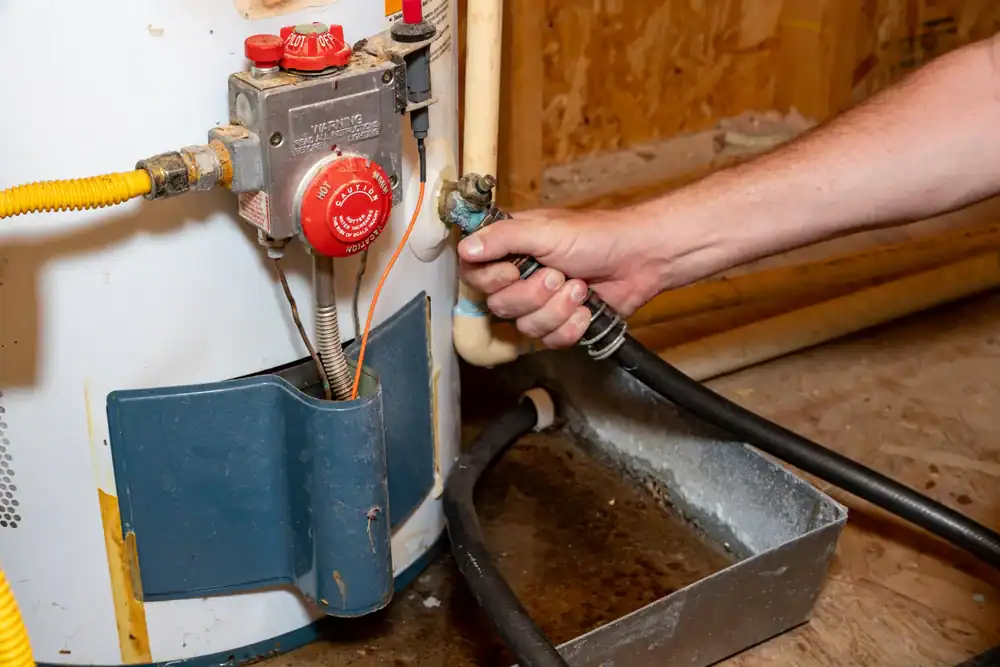
First, we listen. You tell us what’s going on—no hot water, strange noises, visible leak, whatever tipped you off. We ask a few questions to get a clearer picture, then schedule a time that works for you. If it’s an emergency, we move faster.
When we arrive, we inspect your water heater and the surrounding plumbing. We’re looking at the tank condition, checking for corrosion, testing the heating elements or burner, inspecting the pressure relief valve, and looking for signs of leaks or sediment buildup. We’ll also check your water pressure and anode rod if you’ve got a tank system.
Once we know what’s wrong, we explain it in plain terms. If it’s a failing heating element, a blown fuse, a faulty thermostat, or a valve that needs replacing, we’ll tell you what the repair involves and what it costs. If your tank is corroded through or you’re looking at a second major repair in a year, we’ll talk through whether replacement makes more sense. Then you decide. We don’t push—we just give you the information you need to make the call that’s right for your home.
Ready to get started?
We handle both traditional tank water heaters and tankless systems. That includes gas and electric models, and we’re familiar with the brands most common in Brevard County homes.
For repairs, we replace heating elements, thermostats, pressure relief valves, dip tubes, and anode rods. We fix leaks at connections, replace corroded pipes, and address issues with your temperature and pressure settings. If your water heater is making banging or popping sounds, that’s usually sediment buildup on the tank floor—we can flush it out before it damages your system.
If you’re dealing with a water heater leaking from the tank itself, that’s typically not repairable. Tanks don’t get welded or patched—they get replaced. Same goes for units that have rusted through or are past their expected lifespan. In Micco’s coastal environment, corrosion happens faster than it does inland, especially if your water heater sits in a garage or outdoor enclosure where salt air gets to it.
We also install new water heaters when replacement is the smarter move. Whether you’re upgrading to a tankless model for energy efficiency or sticking with a traditional tank that fits your home’s setup, we’ll walk you through what works and why. And if you want to stay ahead of problems, we offer maintenance services—annual tank flushing and inspections that catch small issues before they become big ones.
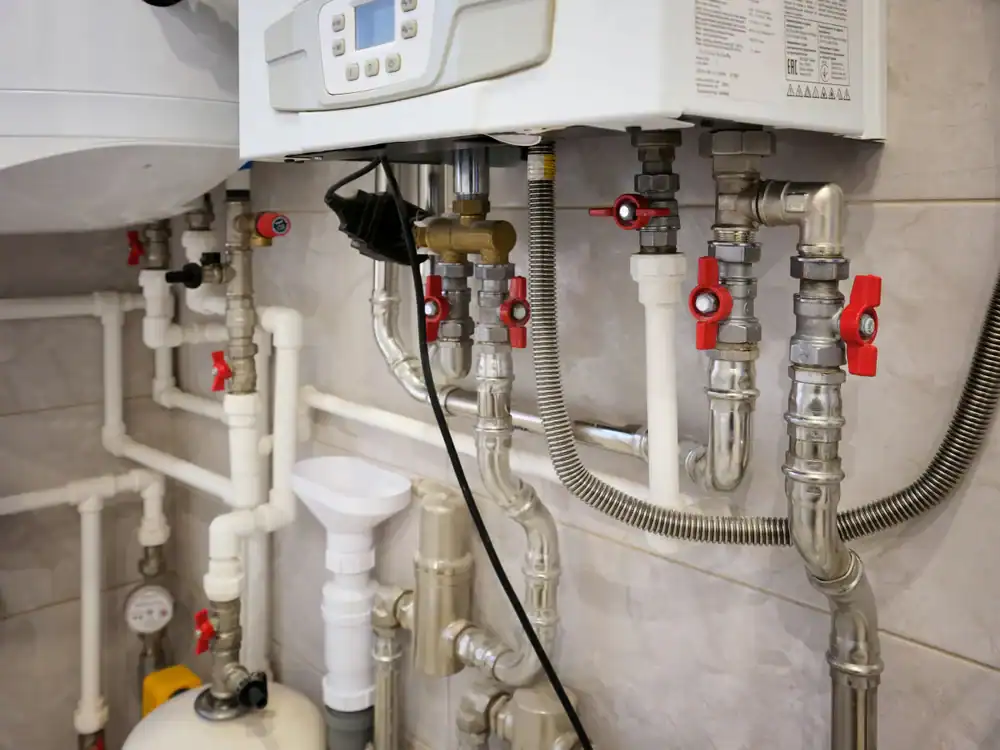
If your water heater is less than 8 years old and the problem is something like a faulty heating element, thermostat, or pressure valve, repair usually makes sense. These are straightforward fixes that cost a fraction of a new unit.
But if your tank is over 10 years old, showing visible rust or corrosion, or leaking from the tank itself, replacement is almost always the better call. Tanks don’t heal—they fail. And in Brevard County, where mineral-rich water accelerates wear, water heaters often hit their limit sooner than the manufacturer’s estimate.
Another factor: if this is your second or third repair in a short span, you’re throwing money at a dying system. We’ll be straight with you about where your unit stands and what makes financial sense. Sometimes spending $400 on a repair buys you two more years. Other times, it’s $400 toward a problem that’s coming back in three months.
Florida’s water is loaded with minerals—calcium and magnesium, mainly. Over time, those minerals settle as sediment at the bottom of your tank. That layer of buildup sits between your heating element and the water, forcing the system to work harder and run hotter to do its job.
The result: your heating elements burn out faster, your tank overheats, and the metal corrodes quicker. You’ll hear popping or rumbling noises as water tries to boil through the sediment layer. If it goes on long enough, the tank floor weakens and eventually leaks.
Coastal homes in Micco also deal with salt air, which accelerates rust and corrosion on any metal components. If your water heater is in a garage or outside, it’s getting hit even harder. Regular maintenance—flushing the tank annually and replacing the anode rod when needed—can add years to your system’s life. Most people skip it, and that’s why water heaters here rarely make it past 10 years.
Most repairs take one to three hours, depending on what’s broken. Replacing a heating element or thermostat is usually a quick job—under two hours in most cases. If we’re dealing with a pressure relief valve, a leaking pipe connection, or flushing built-up sediment, it might take a bit longer.
If parts need to be ordered, that can add a day or two. We carry common components on the truck, but if you’ve got an older or less common model, we may need to source the part. We’ll let you know upfront if that’s the case.
Water heater replacement takes longer—typically three to five hours for a standard tank installation, and a bit more for tankless systems depending on whether we need to run new gas lines or upgrade electrical. We’ll give you a clear timeline before we start so you know what to expect.
Depends on where it’s leaking. If water is dripping from a loose pipe connection or the temperature and pressure relief valve, those are sometimes simple fixes—tighten the fitting or replace the valve. But if the tank itself is leaking, there’s nothing you can do. Tank leaks mean the metal has corroded through, and you need a replacement.
Here’s the risk: water heater leaks can cause serious damage fast, especially in Florida’s humid climate where mold starts growing within 24 to 48 hours. Even a slow drip can rot flooring, damage drywall, and create conditions for mold that costs thousands to remediate. One inch of water can cause $25,000 in damage, according to FEMA.
If you’re not sure where the leak is coming from or how to safely shut off the water and power, call a plumber. Water heaters involve pressurized water, high heat, and either gas lines or 240-volt electricity. It’s not the place to guess. We’ve seen too many DIY fixes that made the problem worse or created safety hazards.
Tankless water heaters have some real advantages, especially in Florida. They heat water on demand instead of keeping a 40- or 50-gallon tank hot all day, which cuts your energy costs. They last longer—up to 20 years compared to 8 to 12 for a tank. And they take up way less space, which matters in manufactured homes or smaller garages.
The tradeoff: they cost more upfront, and installation is more involved if your home isn’t already set up for one. You may need electrical upgrades or new gas lines. They also require annual maintenance to prevent mineral buildup in the heat exchanger, which is critical in Brevard County’s hard water conditions.
Tankless systems work best for homes with consistent, moderate hot water use. If you’ve got a large family running multiple showers, dishwashers, and laundry at the same time, you may need a larger or multiple units to keep up. We’ll talk through your household’s usage and what makes sense for your setup and budget. For some homes, a high-efficiency tank is still the smarter move.
Yes. If your water heater fails after hours or on the weekend, we respond. Water heater emergencies don’t wait for business hours, and neither do we.
Emergency calls typically involve situations where water is actively leaking and causing damage, or where you’ve lost all hot water and need it restored quickly. We’ll assess the situation, stop any active leaks, and either get your system running again or help you understand what needs to happen next.
Keep in mind that emergency service costs more than scheduled work—that’s standard across the industry. But if you’re dealing with water spreading across your floor or no hot water in a house full of people, waiting until Monday isn’t an option. We’re licensed, insured, and we’ve handled enough middle-of-the-night water heater failures in Brevard County to know how to move fast and fix it right.
Other Services we provide in Micco