
No cold showers before work. No rescheduling your day around a plumber who might show up. No wondering if that puddle under your water heater is about to flood your garage.
When your hot water heaters work the way they should, your morning routine stays intact. Your energy bill doesn’t spike because a failing unit is working overtime. And you’re not dealing with water damage that could’ve been caught early.
Most water heater problems don’t fix themselves. That noise you’re hearing gets louder. That small leak spreads. The water that used to stay hot for your whole shower now runs cold halfway through. These aren’t inconveniences—they’re warnings that something’s about to cost you more money if you wait.
We’ve been handling plumbing services across Brevard County since 2007. We’re based in Cocoa, family-owned, and built on 20 years of military service and over 40 years of combined plumbing experience.
Carl started at 16, learning gas piping, drain lines, and water heater installations from the ground up. He earned his state plumbing license and founded this company because he saw too many homeowners in Pineda, Rockledge, and Merritt Island getting overcharged or left waiting for days.
We’re licensed, insured, and we show up when we say we will. Carl personally oversees every job to make sure it’s done right. That’s not a marketing line—it’s how we’ve stayed in business for nearly two decades in a county where word travels fast.
First, we listen. What’s going on with your water heater? Is it leaking, making noise, or just not heating water? We ask a few questions to understand the situation before we even leave the shop.
Then we schedule a time that works for you—not three days from now, but as soon as possible. If it’s an emergency water heater repair, we move faster. When we arrive, we diagnose the problem and explain what’s wrong in plain terms. No jargon. No upselling.
If it’s a simple fix—like a faulty thermostat or a tripped breaker—we handle it on the spot. If your unit is leaking or beyond repair, we’ll walk through your options: repair vs. replace, tank vs. tankless, and what makes sense for your home and budget. Then we get to work. We pull permits when needed, follow Florida code, and clean up when we’re done. Before we leave, we test everything to make sure your hot water is back and reliable.
Ready to get started?
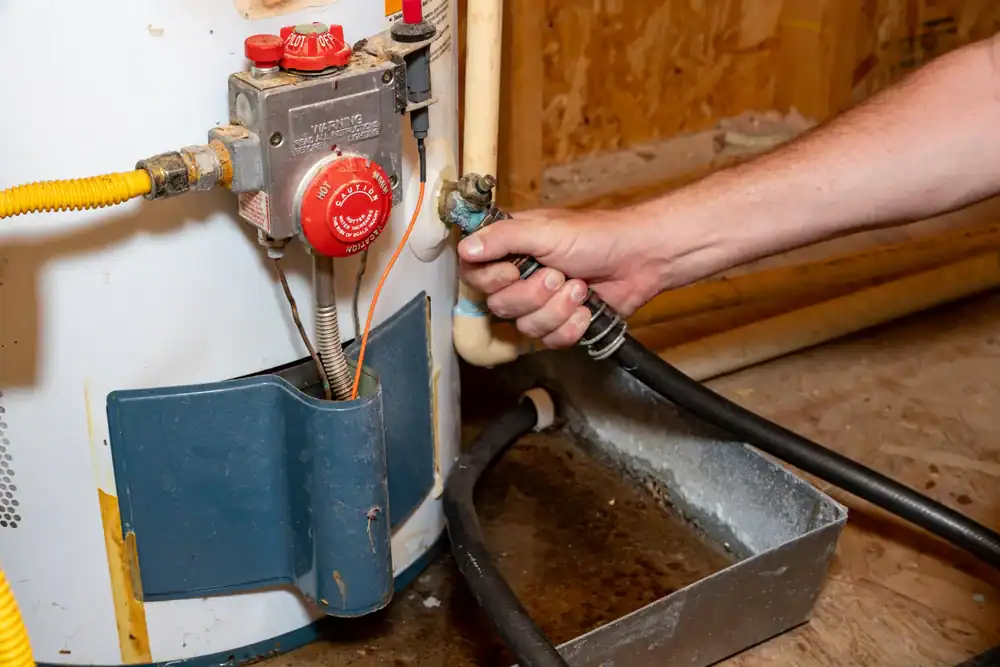
Water heater leaking from the bottom? We’ll find the source—whether it’s a loose drain valve, a cracked tank, or sediment buildup that’s corroded the lining. In Brevard County, sediment is a common issue because of our water quality. We flush tanks, replace heating elements, and check anode rods that most homeowners don’t even know exist.
No hot water at all? We test thermostats, heating elements, circuit breakers, and gas pilot lights depending on your setup. If your water heater is over 10 years old and struggling, we’ll be honest about whether a repair makes sense or if you’re throwing money at a unit that’s near the end of its life.
Strange noises like popping or rumbling usually mean sediment has hardened at the bottom of the tank. Left alone, that sediment makes your water heater work harder, wear out faster, and cost more to run. We handle that. We also install new water heaters—both traditional tank models and tankless systems—and we’ll help you figure out the right size so you’re not wasting energy or running out of hot water during back-to-back showers.
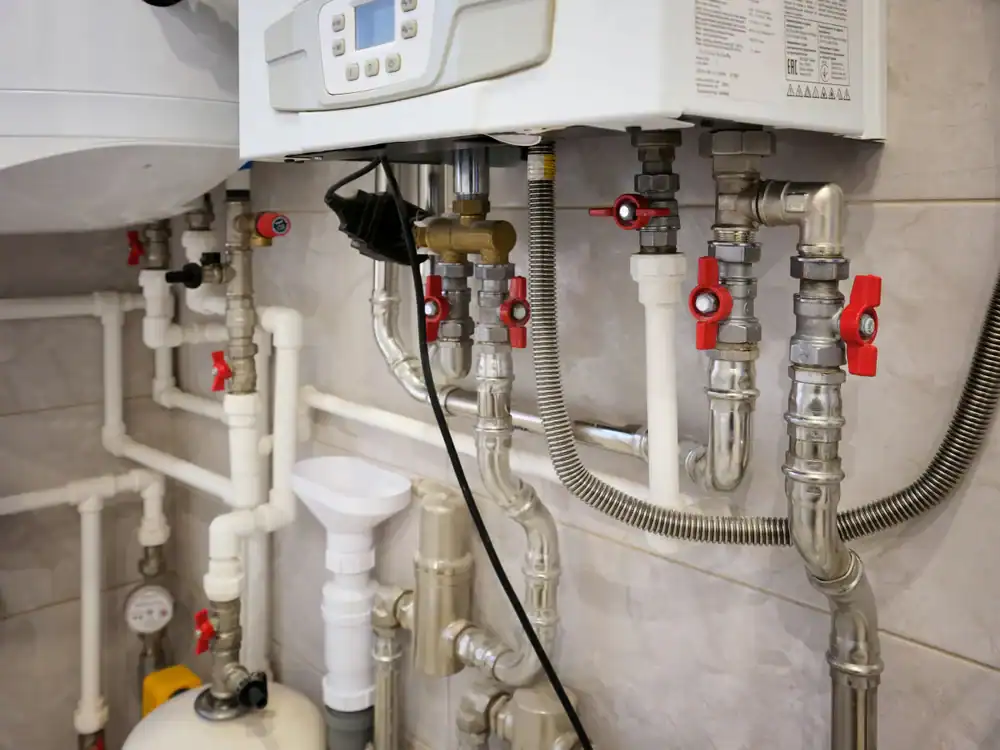
Age is the biggest factor. Most tank water heaters last 10 to 15 years in Florida. If yours is in that range and you’re dealing with frequent issues—leaks, inconsistent water temperature, rust-colored water—replacement usually makes more sense than sinking money into repairs.
If your unit is newer and the problem is isolated—like a bad heating element or a faulty thermostat—repair is the smarter move. We’ll inspect your water heater, check for corrosion, test components, and give you a straight answer. If it’s repairable and worth fixing, we’ll tell you. If it’s on its last leg, we’ll explain why replacement saves you money in the long run.
One clear sign it’s time to replace: water pooling around the base of the tank. That usually means the tank itself has corroded from the inside, and there’s no fixing that. We’ve seen too many Pineda homeowners wait too long and end up with water damage that costs more than a new water heater would have.
Leaks happen for a few reasons. The drain valve at the bottom of the tank can loosen over time or develop a faulty seal. That’s an easy fix. The temperature and pressure relief valve (T&P valve) can also leak if pressure builds up inside the tank—that’s a safety issue and needs immediate attention.
More serious leaks come from cracks in the tank itself. Over time, sediment builds up at the bottom, especially in areas like Brevard County where water hardness is an issue. That sediment causes the metal to corrode. Once the tank cracks, it can’t be repaired. You’ll need a replacement.
Sometimes leaks aren’t from the water heater at all—they’re from the pipes connected to it. We check everything during our inspection. A small leak today can turn into a flooded garage tomorrow, so it’s worth getting it looked at as soon as you notice moisture or pooling water.
Simple repairs—like replacing a heating element, thermostat, or pressure relief valve—usually take one to two hours. We carry common parts on the truck, so if it’s a straightforward fix, we handle it the same day.
More involved repairs, like flushing a heavily clogged tank or replacing a gas control valve, can take a few hours. If we need to order a specific part, we’ll let you know upfront and get it as quickly as possible. We don’t drag jobs out.
If your water heater needs to be replaced, that typically takes three to five hours depending on whether we’re swapping a tank for a tank or installing a tankless system. Tankless installations take longer because of venting, gas line adjustments, and electrical work. We also pull permits when required by Florida code, which adds a step but keeps everything legal and safe.
Some minor issues—like relighting a pilot light or resetting a tripped breaker—are safe to handle on your own. But most water heater repairs involve either high-voltage electricity or gas lines, and mistakes can lead to serious injuries, fires, or even explosions.
Replacing a heating element sounds simple until you’re dealing with 240 volts and a tank full of scalding water. Adjusting a gas valve without the right tools or knowledge can cause gas leaks. And if you don’t properly drain the tank before working on it, you’re risking burns and flooding.
Florida also requires permits for water heater replacements, especially if you’re upgrading capacity or switching from electric to gas. A licensed plumber handles that paperwork and makes sure the installation meets current code. DIY installs that aren’t permitted can cause problems when you sell your home or file an insurance claim after water damage.
Once a year is the standard recommendation, especially in Brevard County where sediment buildup happens faster because of our water. Annual maintenance includes flushing the tank to remove sediment, testing the pressure relief valve, checking the anode rod, and inspecting for leaks or corrosion.
Tankless water heaters also need yearly maintenance. Even though they don’t have tanks, they can develop mineral buildup in the heat exchanger, which reduces efficiency and shortens the unit’s lifespan. We descale tankless systems and check all the components to keep them running smoothly.
Most homeowners skip maintenance until something breaks. That’s understandable—it’s not top of mind. But a $150 service call once a year beats a $1,500 emergency replacement. Regular maintenance catches small problems before they become expensive ones, and it can add years to your water heater’s life.
Tank water heaters store 30 to 80 gallons of hot water and keep it heated around the clock. They’re less expensive upfront, easier to install, and they work well for most households. The downside is they can run out of hot water if multiple people shower back-to-back, and they use more energy because they’re constantly reheating stored water.
Tankless water heaters heat water on demand. They’re more energy-efficient because they only run when you turn on a hot water tap. They also last longer—up to 20 years compared to 10 to 15 for tank models. The tradeoff is higher upfront cost and more complex installation, especially if your home wasn’t originally set up for tankless.
Which one makes sense depends on your household size, how much hot water you use, and your budget. If you’ve got a family of five and everyone showers in the morning, tankless might be worth it. If you’re in a smaller home and your current tank works fine, replacing it with another tank is usually the simpler, more cost-effective choice. We’ll walk through the pros and cons based on your specific situation.
Other Services we provide in Pineda