You’re not calling because you want to learn about water heaters. You’re calling because you need hot water back, and you need it without the runaround.
When your water heater is working the way it should, your mornings run smoother. Showers happen on schedule. Dishes get done. Laundry doesn’t pile up. You’re not rationing hot water or timing who showers when.
A properly functioning water heater also means you’re not watching utility bills climb from an inefficient unit working overtime. You’re not dealing with puddles on the floor or that metallic smell that makes you wonder if something’s about to go very wrong. And you’re definitely not lying awake wondering if that 12-year-old tank is going to flood your laundry room while you’re at work.
That’s what a reliable water heater gets you. Not just hot water, but one less thing to worry about in a house that already demands enough of your time and attention.
Drain Wizard is a family-owned plumbing company that’s been serving Sharpes and the rest of Brevard County for nearly two decades. We’re not a franchise. We’re local, licensed, and we actually answer the phone.
Our approach comes from over 40 years of combined plumbing experience and more than 20 years of military service. That means we show up on time, we do what we say we’re going to do, and we don’t leave a job half-finished.
Sharpes sits right in the middle of Florida’s Space Coast, where humidity and hard water make water heaters work harder than they do almost anywhere else. We’ve seen what happens to hot water heaters in this climate, and we know how to fix them before small problems turn into expensive ones. Every job gets personally overseen to make sure it’s done right.
First, we listen. You tell us what’s going on—no hot water, strange noises, a puddle forming, whatever it is. We ask a few questions to get a clearer picture, then we schedule a time that works for you.
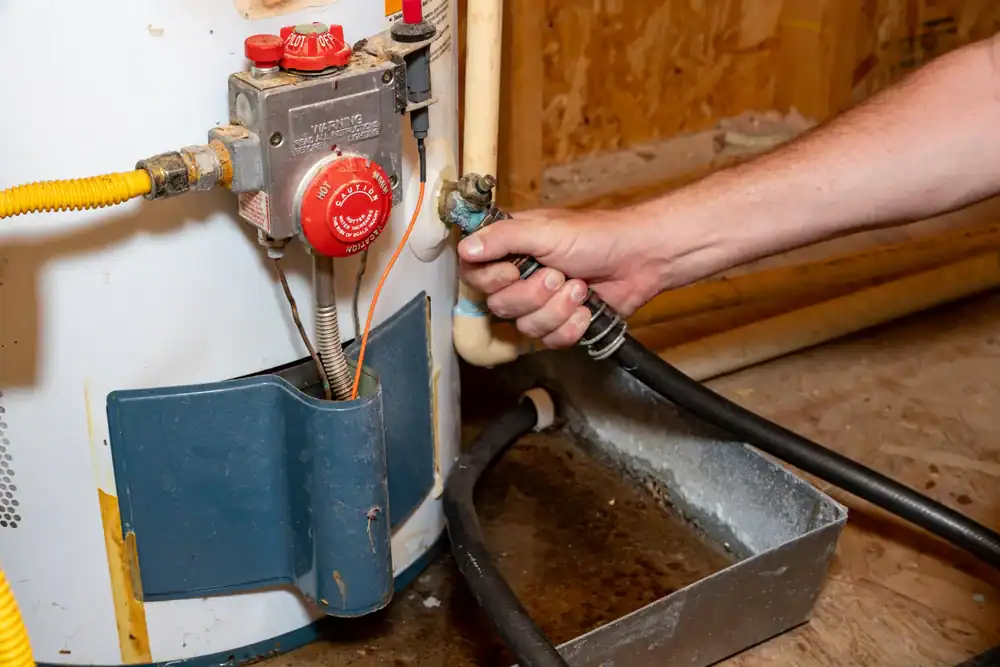
When we arrive, we come with the tools and diagnostic equipment to figure out what’s actually wrong. Most of the time, we can identify the issue on the first visit. We’re not guessing. We’re checking pressure, testing elements, inspecting tanks, and looking at the parts that fail most often in Florida’s climate.
Before we do anything, we give you a clear explanation of what’s broken and what it’ll cost to fix. No hidden fees. No upselling you on things you don’t need. If repair makes sense, we handle it. If replacement is the smarter move, we’ll tell you why and walk you through your options.
Once the work is done, we test everything to make sure it’s working properly. Then we clean up and make sure you know what to watch for going forward. If you have questions later, you can reach us.
Ready to get started?
We work on all types of water heaters—traditional tank models, tankless systems, gas, electric, and even solar units. If it heats water, we’ve fixed it.
Common repairs include replacing heating elements that burn out from mineral buildup, fixing leaking tanks before they cause serious water damage, clearing sediment that makes your water heater work harder than it should, and addressing pressure relief valves that aren’t doing their job. We also handle thermostats that stop regulating temperature and gas valve issues that can turn into safety hazards.
Florida’s water is tough on plumbing. Sharpes gets the same hard water and high humidity that the rest of Brevard County deals with, and that means faster corrosion, more sediment buildup, and shorter lifespans for water heaters that aren’t maintained. We see it constantly—units that should last 12 years barely make it to 8 because of the conditions here.
If you’re dealing with a water heater leaking, that’s not something to wait on. Even a small leak can damage floors, walls, and create the perfect environment for mold. We handle emergency water heater repair when you need it, because we know that some problems can’t wait until Monday.
If your unit is under 8 years old and the repair cost is less than half the price of a new water heater, repair usually makes sense. If it’s older than that, or if you’re looking at a major fix like a leaking tank, replacement is often the smarter financial move.
Age matters more in Florida than it does in other states. The combination of hard water, humidity, and year-round use means water heaters here don’t last as long as the 10-12 year average you’ll see in manufacturer specs. Most tanks in Sharpes start showing serious wear around the 8-year mark.
We’ll walk you through the math when we’re at your house. If repair buys you another few solid years, we’ll tell you. If you’re just delaying the inevitable and throwing money at a dying unit, we’ll tell you that too. Our job is to give you the information you need to make the right call for your situation and your budget.
Florida’s climate is brutal on hot water heaters. The water here is loaded with minerals—calcium and magnesium mostly—that settle at the bottom of your tank as sediment. Over time, that sediment hardens, makes your heater work harder, and eventually causes the heating elements to fail.
Humidity is the other big factor. It accelerates rust and corrosion on both the tank exterior and internal components. If you’ve got a water heater in a garage or an outdoor utility area, it’s getting hit even harder. Salt air near the coast doesn’t help either.
Then there’s usage. You’re not turning your heat down in the winter and giving your water heater a break like homeowners up north. You’re running it hard all year. More showers in the summer, more laundry, more dishes—it all adds up. That constant demand wears out parts faster. Regular maintenance helps, but even well-maintained units have shorter lifespans here than they do in other parts of the country.
Most repairs take between one and three hours, depending on what’s wrong. Replacing a heating element or a thermostat is usually on the faster end. Flushing a tank full of sediment or dealing with a tricky valve issue can take a bit longer.
If we need to order a part, that can add a day or two. We try to stock the most common components, but some older or less common models require special orders. We’ll let you know upfront if that’s the case.
Emergency situations—like a water heater leaking or a complete loss of hot water—get priority. We move fast on those because we know you can’t just wait around. For standard repairs, we’ll work with your schedule and give you a realistic time estimate before we start. Most of our customers are back to normal by the end of the day.
Yes. If your water heater is leaking, you’re smelling gas, or you’ve got no hot water and can’t wait, we handle emergency calls. Some problems can’t sit until business hours, and we get that.
A leaking water heater can dump 40 to 80 gallons of water into your home in a matter of hours. That’s not just an inconvenience—it’s potential structural damage, ruined belongings, and a mold problem waiting to happen. A gas leak is even more serious. If you smell gas near your water heater, shut off the gas supply if you can do it safely, get out of the house, and call us.
We respond quickly to emergencies because the cost of waiting is almost always higher than the cost of fixing it right away. Our emergency plumbing services cover all of Brevard County, including Sharpes, Merritt Island, Cocoa, Rockledge, and Titusville. When you call, you’ll talk to someone who can actually help you, not a call center three states away.
Tank water heaters store hot water and keep it heated around the clock. When something breaks—a heating element, a thermostat, or the tank itself—the fix is usually straightforward. Parts are common, repairs are quick, and most plumbers know these units inside and out.
Tankless water heaters heat water on demand, so there’s no storage tank. They’re more energy-efficient and they don’t run out of hot water the same way a tank does. But they’re also more complex. Repairs often involve descaling the heat exchanger, replacing sensors, or addressing flow issues. Tankless units are especially sensitive to Florida’s hard water, and if they’re not flushed regularly, mineral buildup will kill them.
Both types have their place. Tankless systems cost more upfront and require more maintenance, but they last longer and save on energy bills. Tank systems are cheaper, easier to install, and simpler to repair. We work on both, and we’ll help you figure out which one makes sense if you’re at the point where replacement is the better option. If you’re sticking with what you’ve got, we’ll fix it either way.
Flush your tank once a year. That’s the single most important thing you can do. Sediment builds up fast in Florida, and if you don’t clear it out, it’ll wreck your heating elements and corrode your tank from the inside. You can do it yourself or have us handle it during a maintenance visit.
Check your anode rod every few years. This is the part that sacrifices itself to prevent your tank from rusting. Once it’s gone, your tank starts corroding. Replacing the anode rod is cheap. Replacing the whole water heater is not.
If you’ve got hard water—and in Sharpes, you do—consider a water softener. It won’t just help your water heater. It’ll protect your pipes, your appliances, and save you money on soap and detergent. Softer water means less scale buildup and longer equipment life across the board.
Keep an eye on temperature settings. Most water heaters are set too high. You don’t need water at 140 degrees. Setting it to 120 saves energy, reduces wear on the unit, and lowers the risk of scalding. Small steps add up, especially in a climate that’s already tough on plumbing systems.
Other Services we provide in Sharpes