
Hot water comes back. Your morning routine doesn’t get derailed. No cold showers, no waiting around for dishes or laundry to get done.
But it’s more than just convenience. A water heater leaking or failing can flood your floors, damage drywall, and create the perfect setup for mold—especially in Florida’s humidity. Catching it early or fixing it fast protects your home and keeps a small issue from becoming an expensive mess.
You also stop wasting energy. An aging or broken unit works harder and costs more to run every month. Whether it’s a quick repair, a thermostat swap, or a full replacement with a tankless water heater, the right fix brings your utility bills back in line and keeps things running efficiently for years.
We’ve been serving Brevard County since 2007. We’re a family-owned plumbing company based in Cocoa, and we’ve built our reputation on honest work, fair pricing, and showing up when we say we will.
Our team brings over 40 years of combined plumbing experience and 20 years of military service. That background shapes how we operate—no shortcuts, no upselling, no leaving a job half-done. We’re state certified, BBB A+ rated, and locally trusted across Viera East, Viera West, and the surrounding area.
Whether you live in one of the older golf communities near Viera East or a newer build off Murrell Road, we know the plumbing systems in this area. We’ve worked in both. And we understand what Florida’s climate does to hot water heaters over time.
First, we pick up the phone. You tell us what’s going on—no hot water, strange noises, a puddle forming under the tank—and we schedule a time that works for you. If it’s an emergency, we move faster.
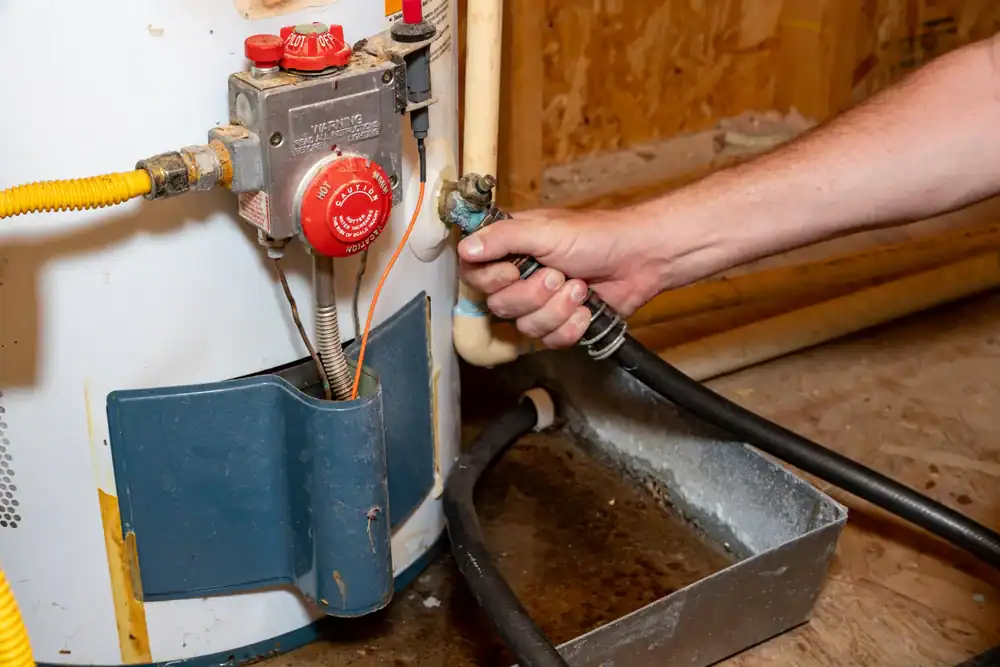
When we arrive, we assess the unit. That means checking the thermostat, inspecting the heating elements, looking for leaks, and testing the pressure relief valve. We’ll also look at the age of the system and whether it’s been maintained. Then we explain what we found in plain terms.
From there, you decide. If it’s a simple fix like replacing a faulty element or flushing sediment buildup, we handle it on the spot. If the tank is corroded or past its lifespan, we’ll walk through your options—whether that’s a standard replacement or upgrading to a more efficient tankless model. No pressure, just honest recommendations based on what makes sense for your home and budget.
Once the work is done, we test everything to make sure it’s heating properly and holding pressure. Then we clean up and walk you through any maintenance tips to help it last longer.
Ready to get started?
We handle all types of hot water heaters—gas, electric, tankless, and traditional tank models. That includes diagnosing issues, replacing worn parts, stopping leaks, and full installations when a unit can’t be saved.
In Viera, we see a lot of sediment buildup from hard water. Calcium and magnesium deposits settle at the bottom of the tank and insulate the heating element, which makes your system work harder and wear out faster. Flushing the tank annually prevents that. We also replace anode rods, which protect the tank from rust, and check pressure relief valves to avoid dangerous buildup.
For homes in newer developments like Viera West, we’re seeing more interest in tankless water heaters. They’re more efficient, take up less space, and last longer—often 15 to 20 years compared to 8 to 12 for a tank model in Florida’s climate. If you’re remodeling, adding a bathroom, or just tired of running out of hot water, it’s worth considering.
We also respond to emergency water heater repair calls. A burst tank or sudden leak doesn’t wait for business hours, and neither do we.
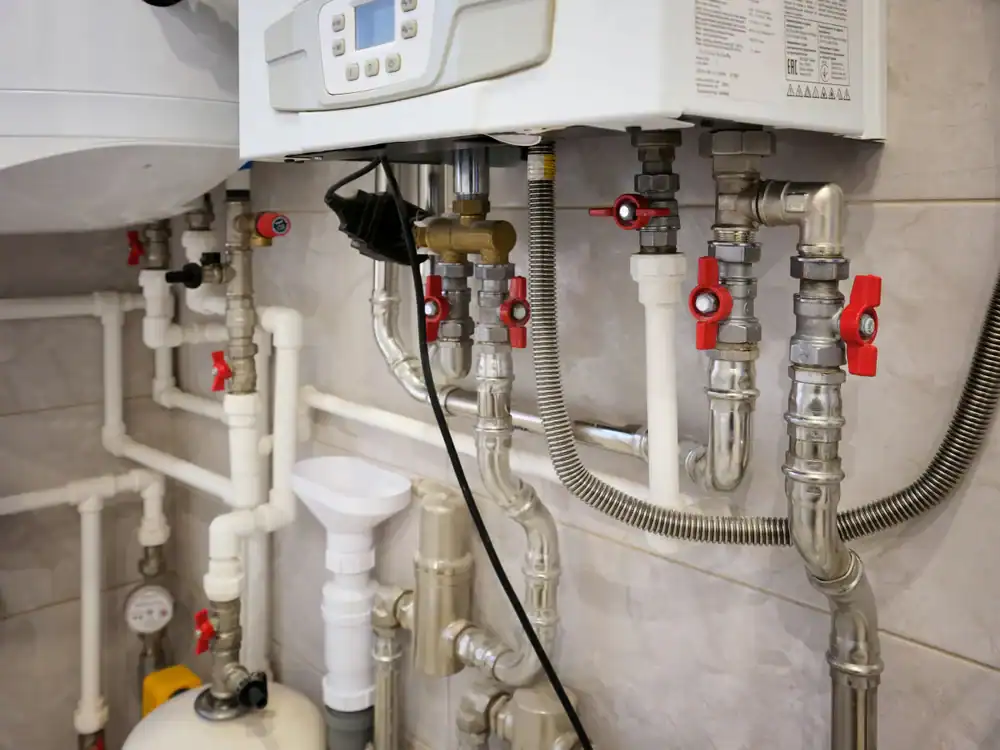
If your unit is less than 10 years old and the issue is isolated—like a faulty thermostat, a blown heating element, or a leaking valve—repair usually makes sense. These are straightforward fixes that restore function without replacing the whole system.
But if your water heater is over 12 years old, showing rust in the water, leaking from the tank itself, or struggling to keep up with demand, replacement is often the smarter move. Tanks don’t last forever, especially in Florida where humidity and hard water accelerate corrosion. Pouring money into an aging unit that’s going to fail in a year or two just delays the inevitable.
We’ll assess the age, condition, and cost to repair versus replace, then give you an honest recommendation. If it’s repairable and worth fixing, we’ll tell you. If it’s time for a new one, we’ll explain why and what your options are.
Leaks usually come from one of three places: the pressure relief valve, the drain valve, or the tank itself. The first two are fixable. The third one isn’t.
Pressure relief valves can leak if there’s too much pressure building up inside the tank or if the valve is old and worn out. That’s a safety feature doing its job, but it needs to be checked and sometimes replaced. Drain valves can loosen over time or develop a slow drip, especially if they haven’t been used in a while.
If the tank itself is leaking, that means the steel has corroded through. Once that happens, there’s no patching it. The tank has to be replaced. This is more common in older units or systems that haven’t had regular maintenance. Flushing the tank and replacing the anode rod every few years helps prevent internal rust and extends the life of your water heater.
Most replacements take between two and four hours, depending on the type of unit and whether we’re swapping a tank for a tank or upgrading to a tankless system.
If it’s a straightforward swap—same fuel type, same location, no changes to venting or plumbing—we can usually get it done in a few hours. That includes draining and removing the old unit, installing the new one, connecting the water and fuel lines, and testing everything to make sure it’s heating properly and holding pressure.
Tankless installations take a bit longer because they require different venting, gas line adjustments, and sometimes electrical work. But the tradeoff is a more efficient system that lasts longer and doesn’t take up floor space. Either way, we work efficiently and clean up when we’re done. You’ll have hot water back the same day.
For a lot of homes in Viera, yes. Tankless water heaters are more efficient, last longer, and give you hot water on demand without the limitations of a 40 or 50-gallon tank.
They’re especially popular in newer builds around Viera West, where homeowners are upgrading kitchens, adding outdoor showers, or just want a more modern system that doesn’t run out mid-shower. They also handle Florida’s humidity better since there’s no standing water sitting in a tank that can corrode over time.
The upfront cost is higher than a traditional tank, but the energy savings add up. Tankless units only heat water when you need it, so you’re not keeping 50 gallons hot around the clock. They also last 15 to 20 years compared to 8 to 12 for a tank model in this climate. If you’re planning to stay in your home and want something reliable and efficient, it’s a solid investment.
Gas water heaters heat water faster and cost less to operate if you already have a gas line. They use a burner at the bottom of the tank and vent exhaust through a flue. They’re a good fit if you have a larger household or go through a lot of hot water quickly.
Electric water heaters are simpler to install, don’t require venting, and work in homes without gas hookups. They use heating elements inside the tank and plug into your electrical panel. They’re generally cheaper upfront but can cost more to run depending on your electricity rates.
Both types last about the same amount of time in Florida—usually 8 to 12 years for a tank model. The choice often comes down to what’s already in your home and what fuel source makes the most sense for your setup. We can walk through the pros and cons based on your situation and help you decide what fits your needs and budget.
Once a year is the standard recommendation, and it makes a real difference in how long your unit lasts. Annual maintenance includes flushing the tank to remove sediment buildup, checking the anode rod for corrosion, testing the pressure relief valve, and inspecting all connections for leaks.
In Viera, hard water is common. That means calcium and magnesium deposits settle at the bottom of your tank and insulate the heating element, forcing it to work harder and wear out faster. Flushing the tank clears that out and keeps your system running efficiently.
The anode rod is another big one. It’s designed to corrode so the tank doesn’t. Once it’s eaten away, rust starts forming inside the tank—and that’s when leaks happen. Replacing it every three to five years can add years to your water heater’s life. Most people skip this because they don’t know it exists, but it’s one of the easiest ways to avoid an early replacement.
Other Services we provide in Viera