
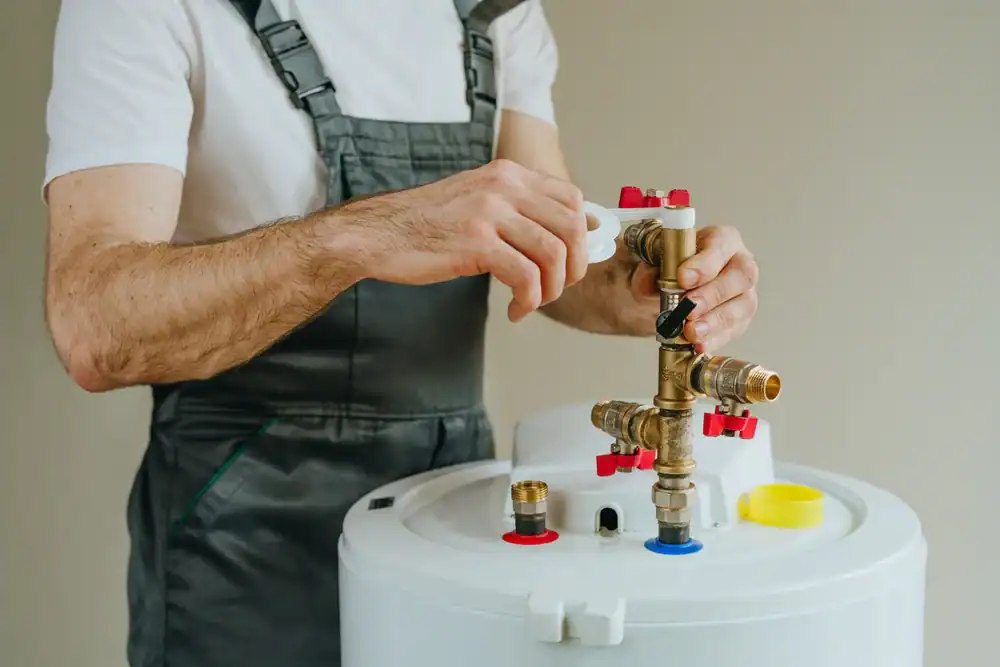
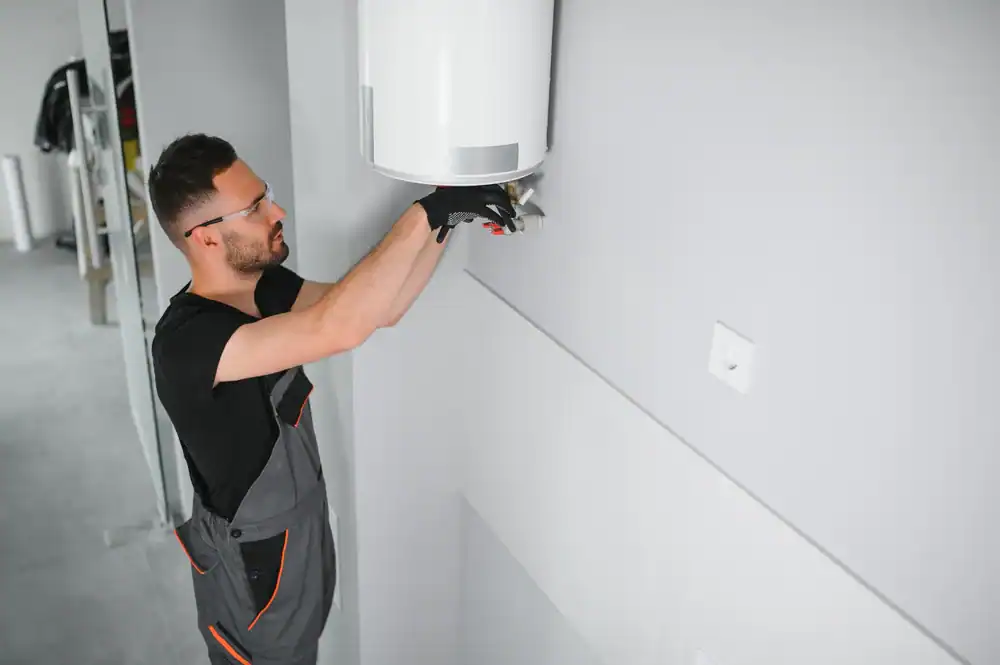
You turn the faucet expecting warm water and get hit with cold. Or you notice puddles forming around the tank in your garage. Maybe your water heater is making sounds it’s never made before, and you’re wondering if it’s about to give out completely.
These aren’t small inconveniences. No hot water means no showers before work, no running the dishwasher, no laundry. A leaking water heater can damage floors, drywall, and create the perfect conditions for mold in Florida’s humidity.
You need someone who can diagnose the problem fast and fix it right. Not someone who shows up three days later with a quote that makes you wince. You need a plumber who understands how Florida’s hard water and coastal climate affect your system, and who’s seen enough water heater failures to know exactly what’s wrong within minutes of walking through your door.
That’s what you get with us. We show up when we say we will, we tell you what’s actually wrong, and we give you options that make sense for your home and your budget.
We’ve been serving Brevard County since 2007. We’re a family-owned plumbing company based in Cocoa, and we’ve built our reputation on showing up when we say we will and doing the work right the first time.
Our team brings over 40 years of combined plumbing experience and 20+ years of military service. That background means we approach every job with discipline, honesty, and a work ethic that doesn’t cut corners. We’re fully licensed and insured in Florida, and we know the plumbing codes, soil conditions, and climate challenges specific to this area.
West Canaveral Groves sits in a rural part of Brevard County where homes have space and privacy. Many properties here have older plumbing systems, well water, and water heaters that work harder because of Florida’s mineral-heavy groundwater. We’ve worked on enough systems in this area to know what fails first and why.
You call or contact us online, and we schedule a time that works for you. If it’s an emergency, we prioritize getting someone to your property as fast as possible—often the same day.
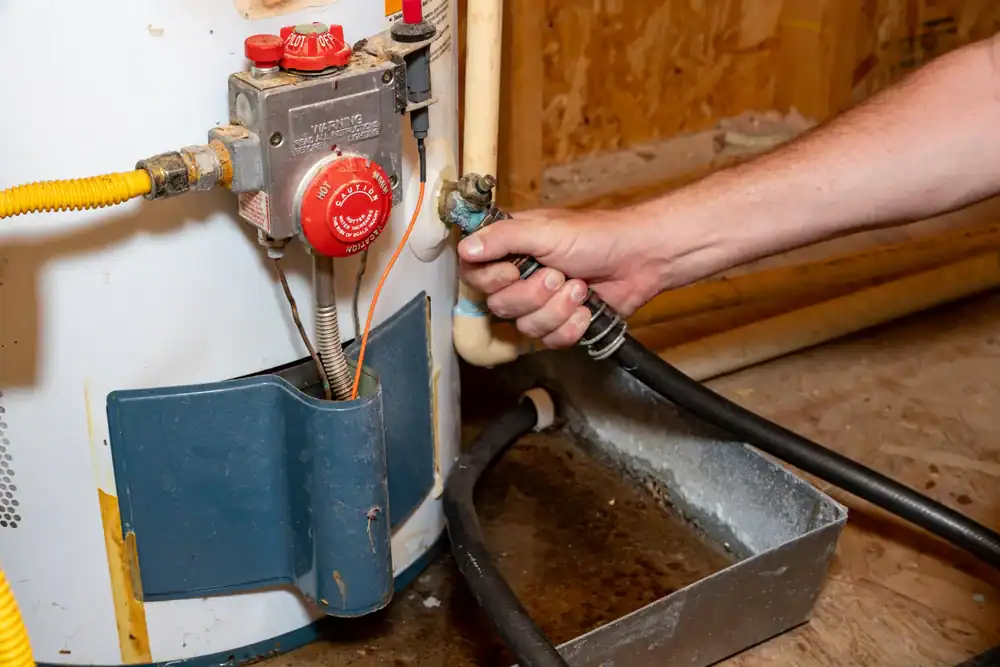
When we arrive, we inspect your water heater to figure out what’s going on. We check for leaks, test the heating elements, look at the pressure relief valve, examine the anode rod, and assess sediment buildup. In Florida, sediment is one of the biggest killers of water heaters because our groundwater is loaded with minerals that settle at the bottom of the tank and cause premature failure.
Once we know what’s wrong, we explain it in plain language. If it’s a simple fix like replacing a thermostat or heating element, we’ll handle it on the spot. If your tank is leaking or too far gone, we’ll walk you through replacement options. We install Bradford White water heaters because they consistently outperform other brands in customer satisfaction and longevity.
You’ll get transparent pricing before any work starts. No surprise charges, no upselling you on things you don’t need. Just honest recommendations based on what’s actually happening with your system.
Ready to get started?
When we repair your water heater, you’re getting a licensed plumber who knows how to work with both traditional tank systems and tankless units. We handle gas and electric models, and we’re familiar with the brands most common in Brevard County homes.
Our service includes diagnosing the problem, sourcing the right parts, and completing the repair so your hot water is back on as quickly as possible. If your system needs replacement, we remove the old unit, install the new one to code, haul away the old tank, and make sure everything is working before we leave.
Florida’s climate is tough on water heaters. The high humidity accelerates corrosion on tanks and fittings. The hard water creates scale buildup that insulates heating elements and makes your system work harder. Even our mild winters stress water heaters because groundwater temperatures drop and your tank has to heat colder water. We factor all of this into our recommendations because a water heater that works great in Colorado might fail early here.
You’re also getting someone who understands the urgency. A broken water heater isn’t something you can put off for two weeks. We treat it like the emergency it is.
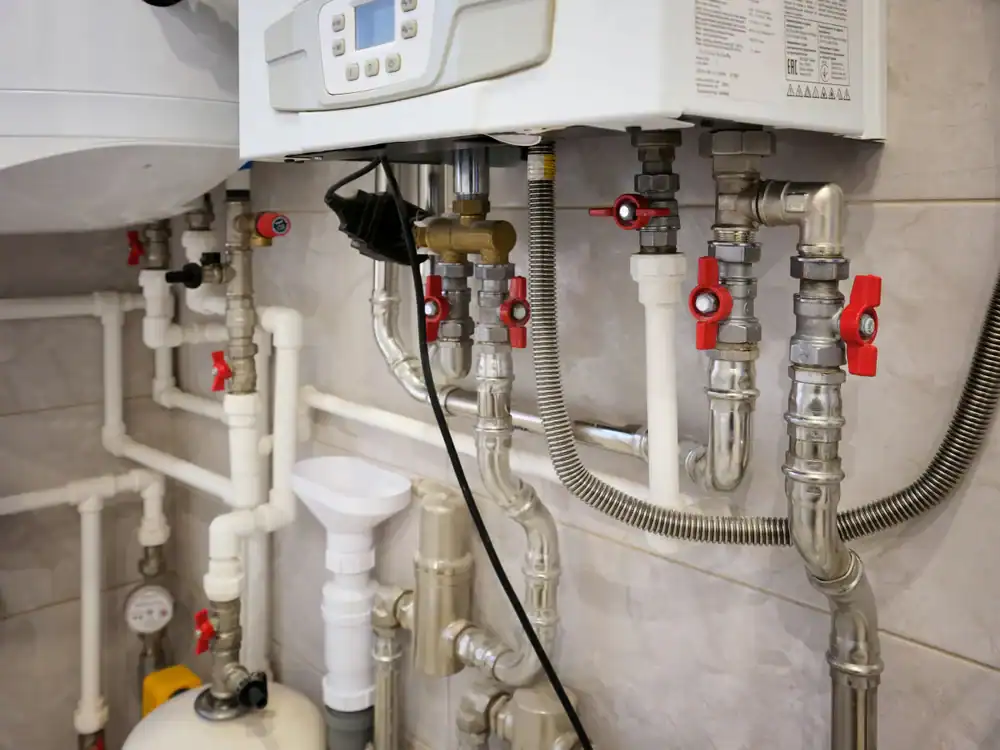
Most tank water heaters last 8 to 12 years, but in Florida, you’re often looking at the lower end of that range. The reason is our water quality and climate.
Florida’s groundwater is hard, meaning it’s loaded with calcium, magnesium, and other minerals. Those minerals settle at the bottom of your tank as sediment. Over time, that sediment layer insulates the heating element from the water, forcing your system to work harder and run longer to heat the same amount of water. It also creates hot spots on the tank floor that accelerate corrosion and lead to leaks.
Coastal humidity speeds up rust and corrosion on the tank itself and on fittings. If your water heater is in a garage or outdoor utility area, it’s exposed to more moisture than systems in other parts of the country. Regular maintenance like flushing the tank annually can extend its life, but most homeowners don’t think about their water heater until it stops working.
It depends on what’s wrong and how old your unit is. If your water heater is less than six years old and the problem is something like a faulty thermostat, heating element, or pressure relief valve, repair usually makes sense. Those are relatively inexpensive fixes.
If your tank is leaking, replacement is your only option. Tanks leak because the steel has corroded through, and there’s no way to patch that reliably. If your unit is over ten years old and you’re dealing with repeated failures or poor performance, replacement is usually smarter than sinking money into repairs.
Another factor is efficiency. Older water heaters are less efficient than newer models, so you’re paying more each month to heat your water. A new energy-efficient unit can lower your utility bills enough to offset some of the replacement cost over time. We’ll walk you through the math so you can make the call that makes sense for your situation.
Most leaks happen because the tank itself has corroded through. Water heaters have a glass lining inside the steel tank to prevent rust, and they have an anode rod that attracts corrosive elements in the water. Over time, the anode rod deteriorates, and once it’s gone, the tank starts to rust from the inside out. Eventually, that rust eats through the steel and you get a leak.
Leaks can also come from faulty temperature and pressure relief valves, loose drain valves, or corroded inlet and outlet connections. Those are usually easier fixes if caught early. But if water is pooling around the base of your tank, it’s most likely the tank itself, and that means replacement.
In Florida, the combination of hard water and humidity accelerates this process. Sediment buildup creates hot spots that weaken the tank floor. If you’ve never flushed your water heater, you’re at higher risk for early failure and leaks.
Technically, yes, but it’s not a good idea unless you’re a licensed plumber. Water heater installation involves working with gas lines or high-voltage electrical connections, water supply lines, pressure relief valves, and local building codes. If any of those things are done wrong, you’re looking at serious safety risks including gas leaks, electrical fires, water damage, or even explosions from pressure buildup.
Florida has specific code requirements for water heater installation, including proper venting for gas units, earthquake straps in some areas, drain pan requirements, and expansion tank installation. Inspectors will flag improper installations, and if you ever sell your home, a bad DIY install can kill a deal or force you to pay for professional reinstallation.
Insurance is another issue. If a DIY water heater installation causes damage to your home, your homeowner’s insurance may not cover it. Hiring a licensed, insured plumber protects you legally and financially. We pull permits when required, install to code, and stand behind our work.
Repair costs depend on what’s broken. A simple fix like replacing a heating element or thermostat usually runs a few hundred dollars. More involved repairs like replacing a gas control valve or pressure relief valve cost more because of the parts and labor involved.
If you need a full replacement, you’re looking at the cost of the new unit plus installation. Tank water heaters generally cost less upfront than tankless models, but tankless units can save you money over time through better energy efficiency. We install Bradford White water heaters because they offer solid performance and reliability without the premium price tag of some other brands.
We give you transparent pricing before we start any work. No hidden fees, no surprise charges when we’re done. You’ll know exactly what you’re paying for and why. If you’re dealing with an emergency, we’ll prioritize getting your hot water back on, but we’ll still take the time to explain your options and costs clearly.
Yes. We understand that a broken water heater isn’t something you can wait three days to fix. No hot water means your daily routine gets thrown off, and a leaking tank can cause serious damage fast.
When you call us with an emergency, we do everything we can to get someone to your property the same day. We stock common parts on our trucks so we can handle most repairs on the spot without waiting for special orders. If your water heater needs replacement, we can often install a new unit within hours of your initial call.
We’ve been serving Brevard County since 2007, and we’ve built our reputation on being responsive when people need help. You’re not getting put on a waiting list or told to call back next week. You’re getting a licensed plumber who shows up ready to fix the problem.
Other Services we provide in West Canaveral Groves