
Water Heater Replacement Brevard County, FL

Hot Water Back On, Damage Avoided

When your water heater fails, you need fast, reliable replacement from a plumber who won’t waste your time or money. We install tank and tankless systems throughout Brevard County.

Our Services

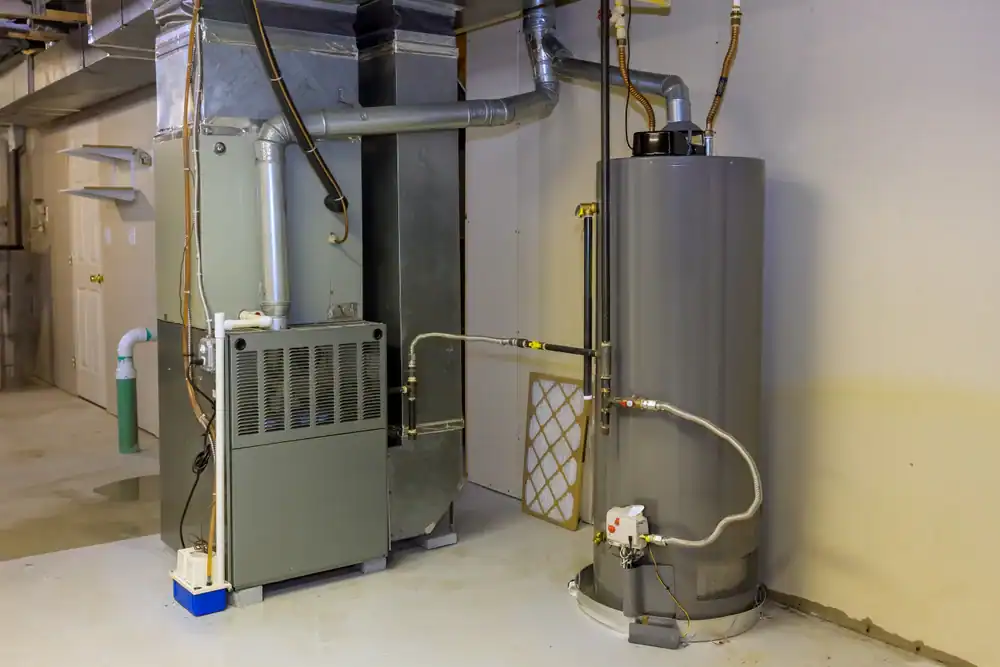
A residential basement in FL features a gray furnace and a tall water heater connected by pipes and vents, standing against a beige wall on a clean, concrete floor—ready for inspection by any skilled plumber Brevard County offers.

Water Heater Installation Brevard County, FL

Replacement That Solves the Problem Long-Term

A water heater replacement isn’t just about swapping out equipment. It’s about sizing the system correctly for your household, choosing between tank and tankless based on your actual usage, installing it to code, and making sure you’re not facing the same problem in three years. Drain Wizard Plumbing & Rooter Service handles water heater replacement for homeowners throughout Brevard County who need reliable hot water without the runaround. Whether your current unit is leaking, over a decade old, or just can’t keep up with demand anymore, we evaluate your situation honestly and install systems built to last in Florida’s climate.

Hot Water Heater Replacement Benefits

What You Actually Get From Replacement

A properly installed water heater does more than heat water. It protects your home, lowers your bills, and gives you one less thing to worry about when you're trying to get ready in the morning.
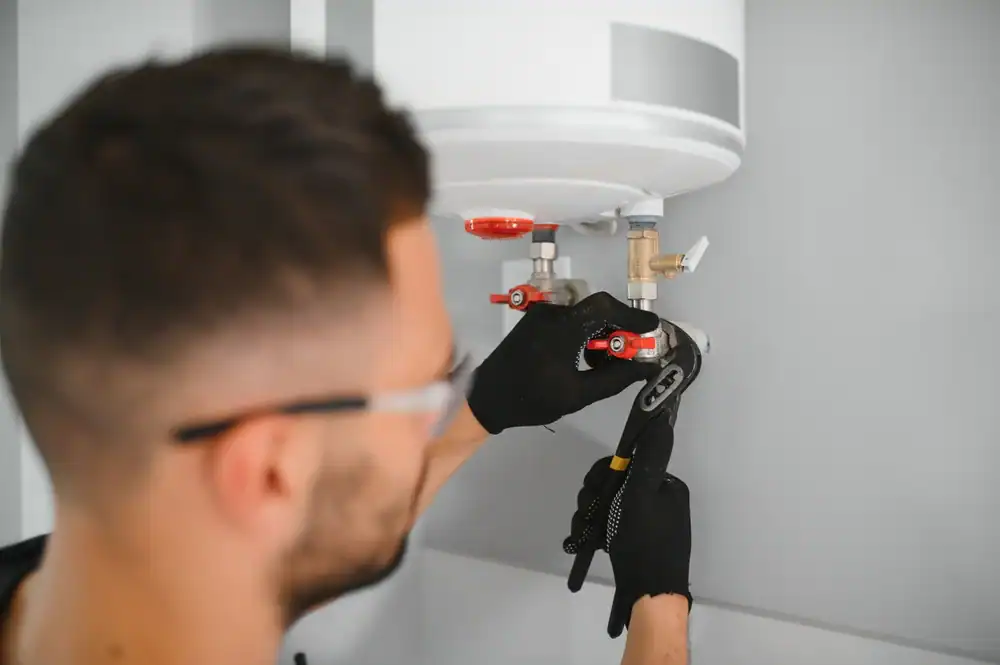
A plumber Brevard County in FL, wearing black gloves, uses a wrench to adjust pipes and valves on a white water heater mounted on a wall.

Tank vs Tankless Water Heaters

Choosing Between Tank and Tankless Systems

Tank water heaters store 40 to 80 gallons of hot water and keep it ready for when you need it. They cost less upfront, install faster, and work well for households with predictable usage patterns. The downside is they run out once the tank empties, and they’re constantly using energy to maintain temperature even when nobody’s home. Tankless water heaters heat water on demand as it flows through the unit. You never run out, they last 15 to 20 years instead of 8 to 12, and they save space. But they cost more initially and may require upgrades to your electrical system or gas lines. In Florida’s warm climate, tankless units actually perform better because incoming water temperature is higher year-round. The right choice depends on how many people live in your home, your hot water usage habits, your budget, and how long you plan to stay in the house. We’ll walk you through both options without pushing you toward the more expensive one just because we can.

Water Heater Replacement Process

What's Included in Our Replacement Service

We start by evaluating your current setup and understanding your household’s hot water needs. That means looking at how many bathrooms you have, how many people live there, and whether you’re constantly running out or just dealing with an aging unit. We’ll check your existing water heater’s age, condition, and any signs of corrosion or leaks. Next, we recommend the right size and type of system for your situation. Undersized units leave you with cold showers. Oversized units waste money on equipment and energy you don’t need. We measure this correctly so the system actually works for how you live. Installation includes removing and properly disposing of your old unit, installing the new water heater to Florida code, connecting all water and power or gas lines, installing required safety components like pressure relief valves and expansion tanks, testing the system, and pulling permits where required. You’re not left guessing whether it was done right.

Frequently Asked Questions

How do I know if I need to replace my water heater or just repair it?
If your water heater is under seven years old and the issue is something like a faulty thermostat, heating element, or pressure relief valve, repair usually makes sense. These fixes are relatively inexpensive and can extend the life of a newer unit. But if your water heater is over 10 years old, showing signs of rust or corrosion, leaking from the tank itself, or requiring frequent repairs, replacement is almost always the smarter financial decision. At that age, you’re looking at a unit that’s near the end of its expected lifespan anyway. Continuing to pour money into repairs on an old system just delays the inevitable and increases your risk of a sudden failure that could cause water damage. We’ll be honest about which route makes sense for your specific situation.
For a standard 40 to 50 gallon tank water heater replacement in Brevard County, you’re typically looking at $1,200 to $2,400, depending on the brand, capacity, and complexity of the installation. That includes the unit, labor, disposal of your old heater, and any required code updates. Tankless water heater installations run higher, usually between $2,500 and $5,000, because they often require upgrades to gas lines or electrical systems. The final cost depends on factors like whether you’re switching fuel types, if your installation location is difficult to access, and whether permits are required. We provide transparent, upfront pricing so you know exactly what you’re paying before any work begins. There are no surprise charges after the fact.
A straightforward tank-to-tank water heater replacement typically takes 2 to 4 hours from start to finish. That includes removing your old unit, installing the new one, connecting all water and power or gas lines, testing the system, and cleaning up. If we’re installing a tankless system or making upgrades to meet current code requirements, it can take 4 to 6 hours or more. Complex installations that require moving the location, upgrading gas lines, or adding electrical circuits take longer. We’ll give you a realistic time estimate when we assess your specific situation. Most homeowners have hot water back the same day. For emergency replacements, we prioritize getting your system up and running as quickly as possible without cutting corners on quality or safety.
Tank water heaters work well if you have predictable hot water usage, a tighter budget, and don’t mind waiting for the tank to refill and reheat after heavy use. They’re also simpler to install and repair. Tankless water heaters make sense if you have a larger household that frequently runs out of hot water, want to lower your long-term energy costs, or value the space savings and longer lifespan. Florida’s warm climate actually benefits tankless systems because incoming water is warmer year-round, making them more efficient here than in colder states. The decision comes down to your household size, usage patterns, budget, and how long you plan to stay in your home. Tankless costs more upfront but saves money over time through lower utility bills and fewer replacements. We’ll walk through both options based on your actual needs, not which one earns us more.
Yes. Water heater replacement in most areas of Brevard County requires a permit and inspection to ensure the installation meets Florida building codes. This isn’t just bureaucracy—it’s about safety. Improper installation can lead to gas leaks, carbon monoxide issues, water damage, or even tank explosions in extreme cases. It also affects your home insurance coverage and can cause problems when you sell your home if the work wasn’t permitted. We handle all required permits as part of our installation process. That includes ensuring proper venting for gas units, correct pressure relief valve installation, appropriate expansion tank sizing, and compliance with current electrical or gas codes. You don’t have to worry about whether the work was done right or if it will pass inspection.
The most obvious sign is age. If your water heater is 10 to 15 years old, it’s living on borrowed time even if it seems fine. Other warning signs include rusty or discolored water coming from your hot taps, which indicates corrosion inside the tank. Strange noises like rumbling, popping, or banging usually mean sediment has built up at the bottom and is being heated and reheated, which weakens the tank. Visible moisture or small leaks around the base of the unit signal that the tank is starting to fail. If you’re running out of hot water more quickly than you used to, the heating elements may be failing or sediment is taking up space in the tank. Fluctuating water temperature is another red flag. Any of these signs mean you should have a plumber evaluate the system before it fails completely and leaves you without hot water or causes water damage.

Cities we provide Water Heater Replacement In