
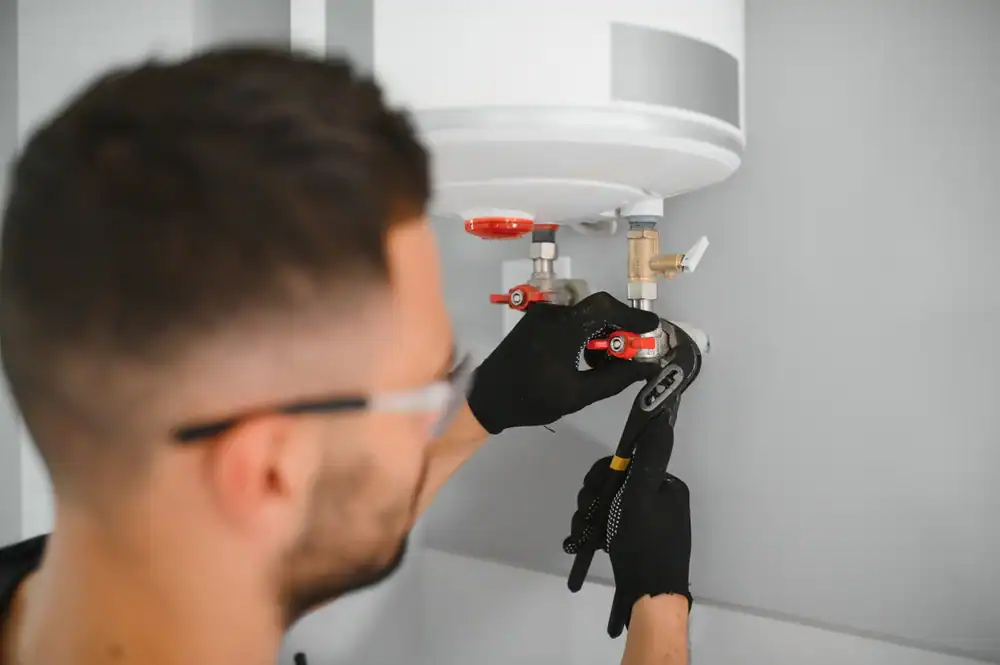
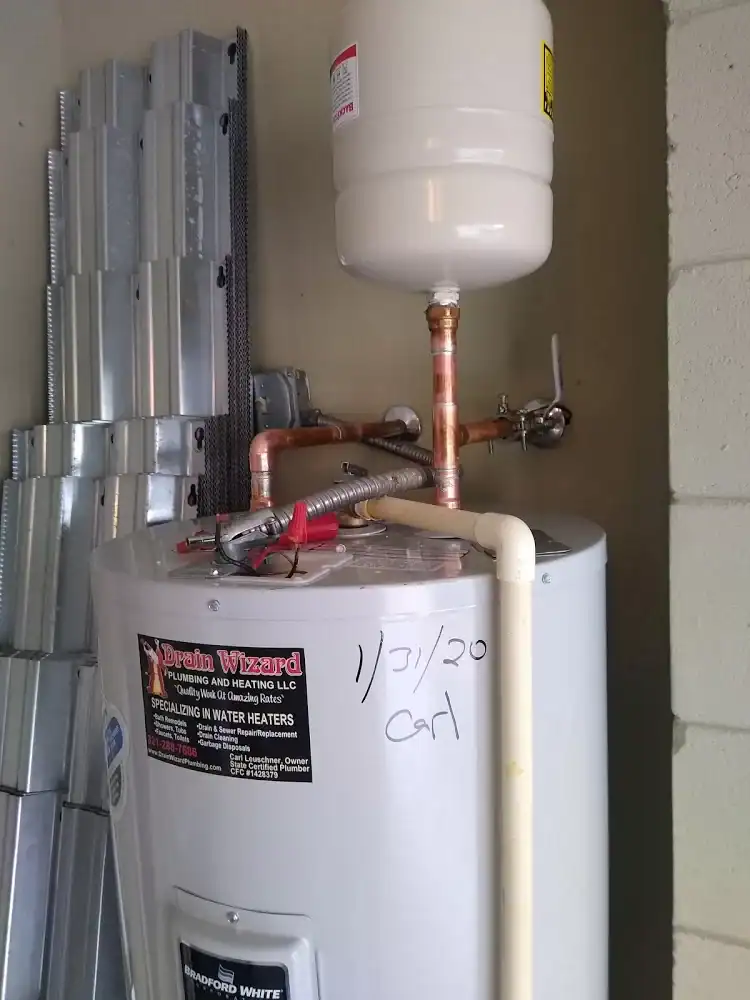
You’re not looking for a sales pitch. You need hot water back, a system that won’t fail again in six months, and someone who doesn’t waste your time with upsells or mystery fees.
When your water heater is leaking all over the garage floor or you’re running out of hot water halfway through a shower, the last thing you want is a three-day wait and a vague estimate. You want it handled today, priced upfront, and installed by someone who’s done this a few hundred times.
That’s what you get here. Same-day service when you need it. A licensed plumber who knows how East Mims homes are built and what breaks down in Florida’s climate. And a new water heater that’s sized right, installed correctly, and backed by real warranties—not just the manufacturer’s fine print.
No cold showers. No surprise charges. No wondering if it was done right.
We’ve been handling plumbing services across Brevard County since 2007. We’re a family-owned business, not a franchise call center. Every job is personally overseen to make sure it’s done right the first time.
Our team brings over 40 years of combined experience, including 20 years of military service. That means discipline, accountability, and no shortcuts. We’re fully licensed and insured, and we’ve been working in East Mims long enough to know what fails here—and how to prevent it.
You’re not getting a rookie with a wrench. You’re getting someone who understands hard water buildup, humidity corrosion, and how storm season affects your plumbing. We’ve replaced water heaters in homes just like yours, and we know what works.
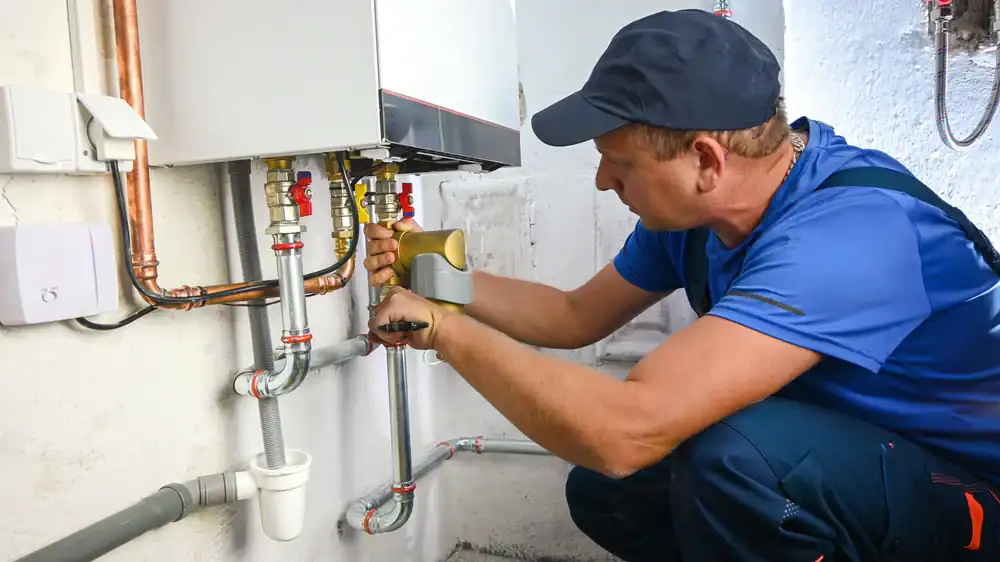
First, we schedule a time that works for you—often same-day if it’s an emergency. When we arrive, we assess your current system, check for leaks or damage, and measure your household’s hot water demand. We’re not here to guess.
Next, we walk you through your options. Tank or tankless. Gas or electric. What fits your space, your budget, and your usage. We give you upfront pricing before any work starts. No hourly rates that balloon into surprise bills.
Then we handle the installation. That includes removing the old unit, installing the new one to code, testing the system, and making sure everything’s sealed and safe. If a permit’s required—like when upgrading capacity or wattage in Brevard County—we pull it. You don’t have to chase paperwork.
Before we leave, we show you how the new system works, answer your questions, and clean up. You get hot water back, a warranty on the equipment and labor, and peace of mind that it was done right.
Ready to get started?
Water heater replacement isn’t just swapping one tank for another. It’s making sure the new system is sized correctly, installed safely, and set up to last in East Mims conditions.
Here’s what that includes: removing and disposing of your old water heater, installing the new unit with proper venting and connections, upgrading fittings or valves if needed, and testing the system before we leave. If you’re in an area with hard water—which most of Brevard County is—we’ll also talk through options like water softeners or regular flushing schedules to extend the life of your new heater.
In Florida, humidity and storm activity are hard on water heaters. Rust and corrosion happen faster here than in drier climates, especially if your unit’s in a garage or outdoor enclosure. We account for that during installation, using materials and methods that hold up better in high-moisture environments.
You also get transparent pricing. A standard 50-gallon electric water heater replacement in this area typically runs between $1,400 and $1,900, depending on the unit and any upgrades needed. Labor, disposal, and basic materials are included. If your job requires a permit or additional work, we tell you that upfront—not after we’ve already started.
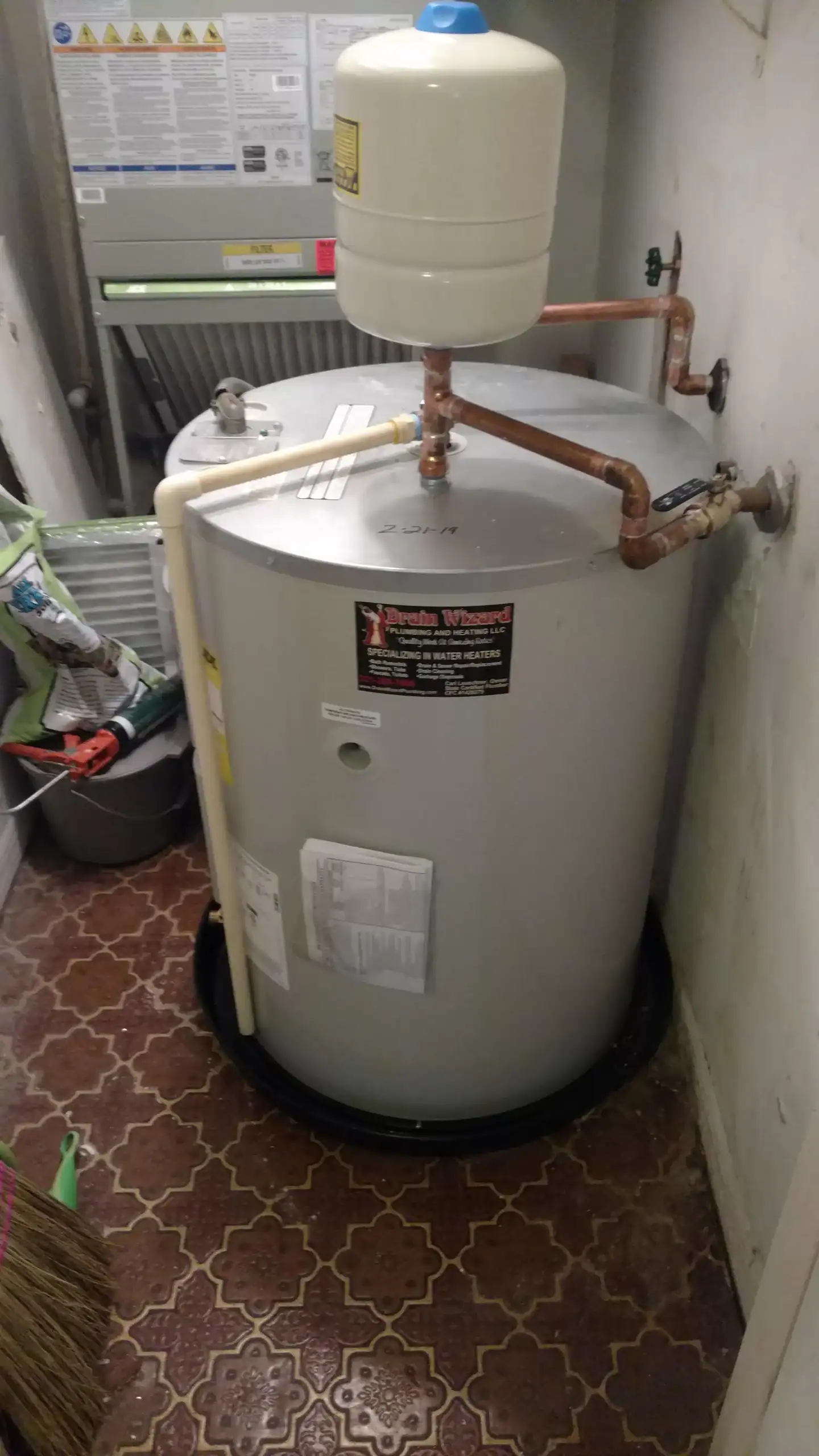
If your water heater is under 10 years old and the repair is minor—like replacing a heating element or thermostat—fixing it usually makes sense. But if it’s over 10 years old, out of warranty, or costing you $300+ per year in repairs, replacement is the smarter move.
Most gas and electric water heaters last about 10 years. Once they hit that mark, efficiency drops and breakdowns become more frequent. You’re not just paying for repairs—you’re paying higher energy bills because the system has to work harder.
If you’re seeing rust in the water, hearing loud popping or banging noises, or dealing with leaks around the base of the tank, those are signs the unit’s failing. Sediment buildup from hard water accelerates wear, and once the tank starts corroding from the inside, there’s no fixing it. Replacing it now prevents a bigger mess later.
It depends on how many people live in your home and how much hot water you use at once. A household of one or two people can usually get by with a 30- to 40-gallon tank. Three to four people typically need a 50-gallon unit. Larger families or homes with high hot water demand—like multiple bathrooms running at once—may need a 75-gallon tank or a tankless system.
Tankless water heaters are a good option if you want endless hot water and have the space and budget for the upfront cost. They last longer than traditional tanks—up to 20 years with proper maintenance—and they’re more energy-efficient because they only heat water on demand.
We size your system based on your actual usage, not just square footage. If you’re constantly running out of hot water or your current tank is oversized and wasting energy, we’ll recommend the right fit. Proper sizing means you’re not paying to heat water you don’t use, and you’re not stuck with cold showers when everyone’s home.
In Brevard County, replacing a water heater with the same size and type—what’s called “like for like”—doesn’t require a permit as long as it doesn’t exceed 4,500 watts. But if you’re upgrading to a larger capacity, higher wattage, or switching from electric to gas, a permit is required.
Permits exist to make sure the work meets safety codes. That includes proper venting for gas units, correct electrical connections, and safe installation practices. If your job needs a permit, we handle it. You don’t have to deal with the county or worry about inspections.
Skipping permits when they’re required can cause problems down the road—especially if you sell your home. Buyers’ inspectors look for unpermitted work, and it can hold up or kill a sale. Doing it right the first time protects your investment and keeps you compliant.
Most water heater replacements take between two and four hours, depending on the complexity of the job. A straightforward swap—same location, same type, no upgrades—is usually on the shorter end. If we’re relocating the unit, upgrading from tank to tankless, or dealing with old plumbing that needs updating, it takes longer.
We don’t rush the job to hit a time target. Proper installation means making sure all connections are tight, the unit is level, the venting is correct, and the system is tested before we leave. Cutting corners to save 30 minutes isn’t worth the risk of leaks, code violations, or a system that fails early.
If it’s an emergency replacement and you need hot water back fast, we prioritize speed without sacrificing quality. Most customers have hot water again the same day they call. We also clean up and haul away the old unit, so you’re not left with a rusty tank sitting in your driveway.
A traditional tank water heater stores and heats a set amount of water—usually 30 to 75 gallons—so it’s ready when you need it. A tankless system heats water on demand as it flows through the unit, so you never run out. Both have pros and cons depending on your household.
Tank water heaters cost less upfront and are simpler to install. They’re reliable and work well for most homes. The downside is they can run out of hot water if you use more than the tank holds, and they’re less energy-efficient because they keep reheating stored water even when you’re not using it. They last about 10 to 12 years.
Tankless water heaters cost more upfront and require more complex installation, but they last up to 20 years and use less energy because they only heat water when you turn on a faucet. They’re ideal if you have a large household, limited space, or want to lower your energy bills long-term. The tradeoff is higher initial cost and the need for regular maintenance to prevent mineral buildup in Florida’s hard water.
Hard water is the biggest culprit. Brevard County has mineral-rich water that causes sediment buildup inside your tank. Over time, that sediment hardens at the bottom, forcing the heating element to work harder and eventually leading to failure. You’ll hear popping or cracking noises as the sediment heats up—that’s a warning sign.
Florida’s humidity and storm activity also take a toll. Moisture accelerates rust and corrosion, especially if your water heater is in a garage or outdoor enclosure. Power surges during storms can damage electrical components, and flooding increases the risk of total system failure.
If your water heater is older and hasn’t been maintained, those factors add up fast. Flushing the tank annually helps remove sediment, and installing a water softener can reduce mineral buildup. But if the unit’s already failing, those fixes won’t save it. Replacing it with a system designed to handle local conditions—and maintaining it properly—prevents the cycle from repeating.
Other Services we provide in East Mims