
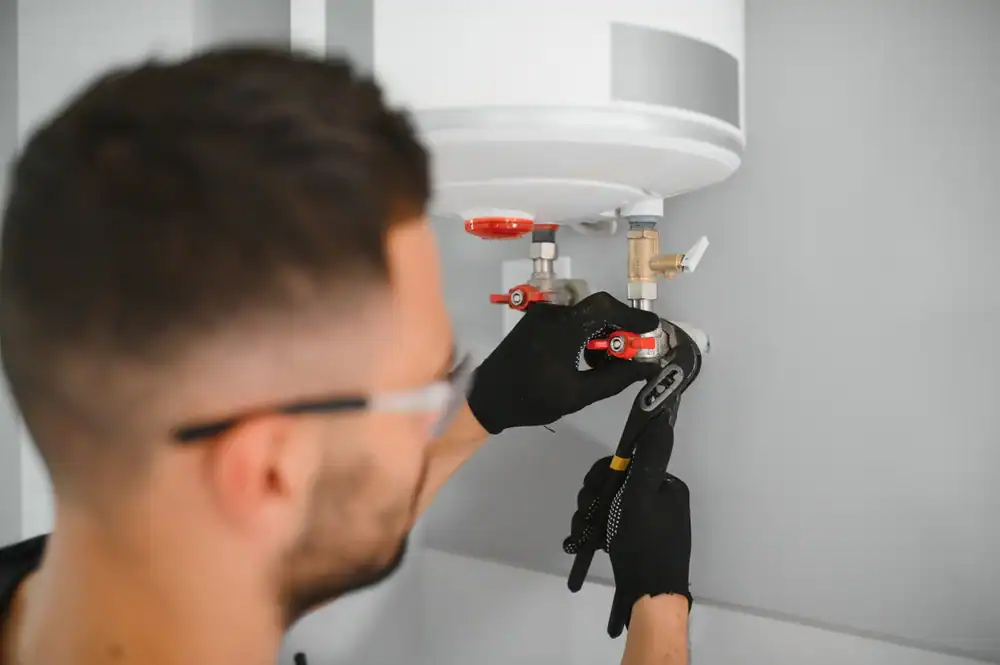
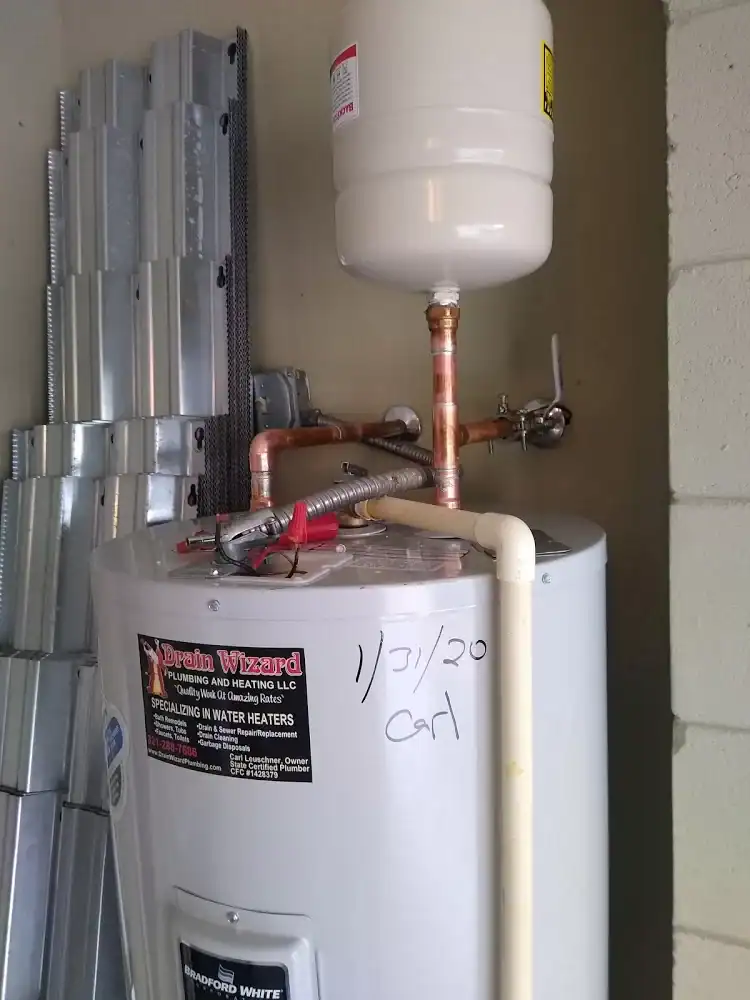
Your water heater just quit. Maybe you noticed puddles forming around the base, or the shower went ice cold halfway through. Either way, you’re dealing with it now—not later.
Here’s what matters: you need hot water back, and you need someone who won’t drag this out for days or surprise you with a bill that makes no sense. You’re not looking for the cheapest guy with a wrench. You want someone who knows what they’re doing, shows up when they say they will, and doesn’t treat your home like a practice run.
That’s where we come in. We handle water heater replacement in Indialantic the way it should be done—quickly, cleanly, and without the runaround. You’ll know what’s wrong, what it costs, and when you’ll have hot water again. No guessing. No waiting around all day for a four-hour window that turns into nothing.
We’ve been handling plumbing services across Brevard County since 2007. We’re not a national franchise or a call center routing you to whoever’s available. We’re a family-owned business based in Rockledge, and every job gets overseen by Carl—who’s been doing this since he was 16 and served over 20 years in the military before starting this company.
That military background shows up in how we work: on time, straightforward, no excuses. We’re licensed, insured, and we’ve seen what Florida’s climate does to hot water heaters. The humidity, the hard water, the salt air if you’re close to the coast—it all adds up. Your unit works harder here than it would almost anywhere else.
When you call us for water heater replacement in Indialantic, FL, you’re getting someone who knows the local conditions and won’t try to sell you something you don’t need.
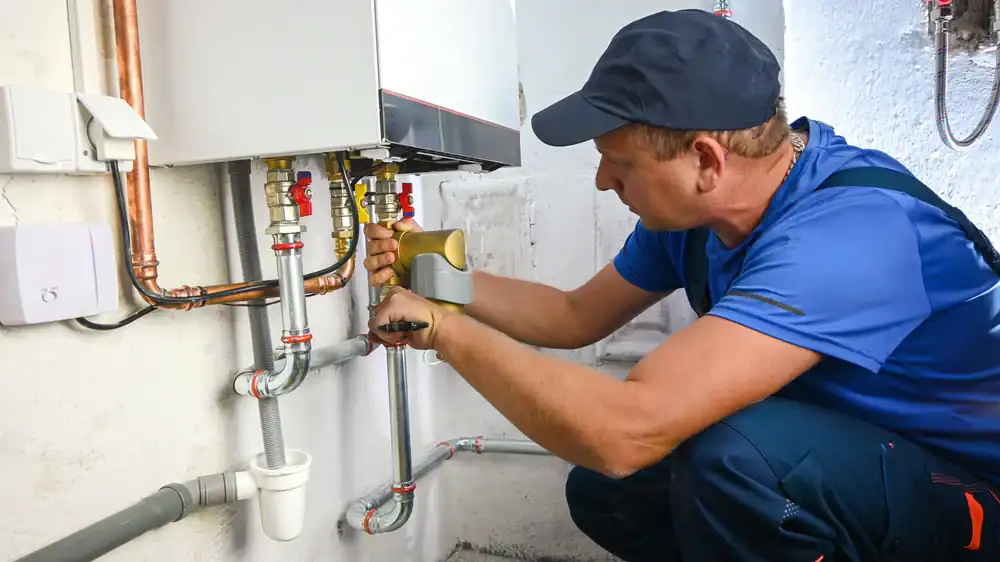
First, you call. We’ll ask a few questions to understand what’s going on—no hot water, leaking, strange noises, whatever it is. If it’s an emergency, we move fast. Same-day service isn’t just a marketing line for us.
When we arrive, we’ll inspect your current unit and explain what’s happening in plain terms. If it’s repairable, we’ll tell you. If it needs replacing, we’ll walk you through your options—tank or tankless, gas or electric—and what makes sense for your home and budget. You’ll get a clear price before any work starts.
Once you’re good to go, we handle the full installation. That includes disconnecting the old unit, hauling it out, installing the new one with proper connections and code compliance, testing everything, and cleaning up after ourselves. Most replacements are done the same day. You’re not waiting a week for hot water.
We also make sure you understand how to maintain the new system so it lasts. Florida’s hard water means sediment builds up faster than in other states. A little maintenance goes a long way, and we’ll show you what to watch for.
Ready to get started?
When we replace your water heater, you’re getting the full job—not just the unit swap. That means removal and disposal of your old water heater, installation of the new unit with all necessary connections, any required code upgrades like expansion tanks or drain pans, gas line work if you’re going with a gas unit, and a final walkthrough so you know how everything works.
In Indialantic, most homes deal with hard water. That calcium and magnesium buildup shortens the life of your water heater and makes it work harder than it should. If your unit’s over 10 years old and you’re seeing rust-colored water, hearing banging noises, or dealing with inconsistent temperatures, replacement usually makes more sense than repair. Especially here, where the humidity accelerates corrosion and your system runs year-round without a break.
Tankless systems are worth considering if you want longevity and efficiency. Florida’s warm groundwater is ideal for tankless units—they don’t have to work as hard to heat the water, which saves energy. They also last 15 to 20 years compared to 10 for a traditional tank. We’ll help you figure out if that’s the right move based on your household size and usage.
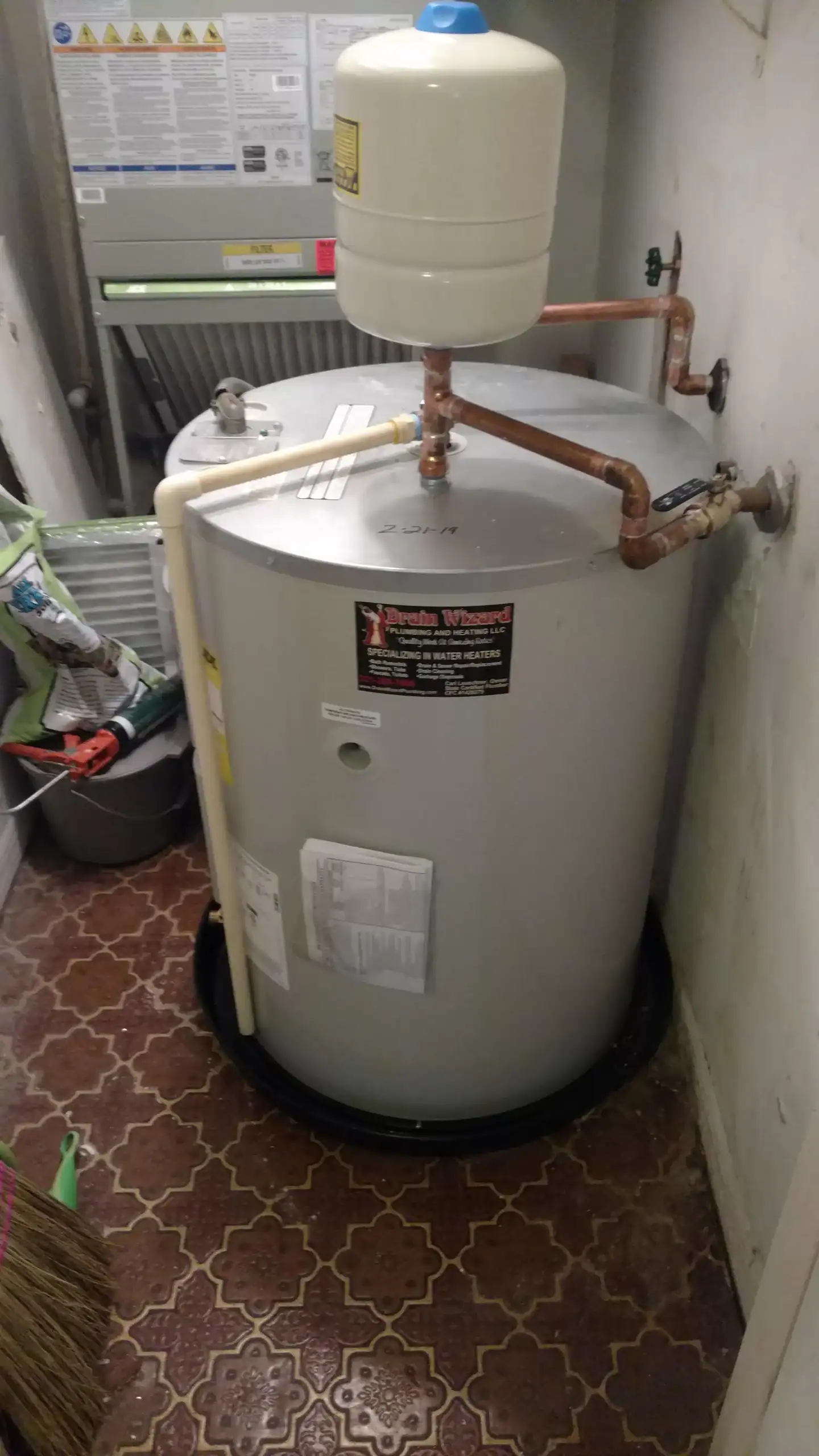
Most water heater replacements in the Indialantic area run between $1,200 and $3,000 depending on the type of unit and complexity of installation. A standard 40 to 50-gallon electric tank replacement typically falls on the lower end. Gas units cost a bit more, especially if gas line work is needed.
Tankless systems are a bigger upfront investment—usually starting around $3,000 installed—but they last longer and cost less to run over time. If your current setup needs code updates like a new drain pan, expansion tank, or upgraded venting, that adds to the total. We give you a clear price before we start so there’s no confusion later.
The cheapest quote isn’t always the best deal. You want someone licensed who pulls permits and does the work right, because that’s what protects your home and keeps your warranty valid.
In Florida, expect about 8 to 10 years from a traditional tank water heater. That’s shorter than the national average because of our climate. The constant humidity causes faster corrosion, hard water creates sediment buildup, and if you’re near the coast, salt air accelerates rust on metal components.
Tankless units last longer—usually 15 to 20 years—but they cost more upfront. If your water heater is approaching 10 years old and you’re starting to see issues, replacement is usually smarter than repair. At that age, you’re likely to face one problem after another, and parts for older units get expensive.
Most local condo associations actually require replacement at the 10-year mark to prevent water damage to neighboring units. That should tell you something about how seriously Florida takes water heater lifespan.
No hot water is the obvious one, but there are earlier warning signs. If you see water pooling around the base of your tank, that’s a leak and it won’t fix itself. Rust-colored water coming from your hot taps means the inside of the tank is corroding. Strange noises—banging, popping, rumbling—usually mean sediment has built up on the bottom and the unit is working way harder than it should.
Inconsistent water temperature is another red flag. If your shower goes from hot to lukewarm without warning, the heating element or thermostat is likely failing. And if your water heater is over 10 years old, any of these symptoms usually mean it’s time to replace rather than repair.
Don’t ignore small leaks. In Florida’s humidity, even a little water creates conditions for mold growth fast. And a small leak often becomes a big one without much warning.
Tankless makes sense for a lot of homes here, but not all of them. The main advantages are efficiency and lifespan. Because Florida’s groundwater is already warm, tankless units don’t have to work as hard to bring water up to temperature. That saves energy. They also last 15 to 20 years compared to 8 to 10 for a tank.
The downsides: higher upfront cost and potential limitations if you have a large household with high simultaneous demand. If three people are showering at once while the dishwasher and washing machine are running, you might need multiple units or a larger model.
For most Indialantic homes—especially if you’re replacing an aging tank anyway—tankless is worth considering. We’ll look at your usage patterns, your existing setup, and your budget to help you decide what actually makes sense. Not every home needs it, and we won’t push you toward the more expensive option if it doesn’t fit.
Technically, homeowners can replace their own electric water heaters in Florida, but it’s not recommended. Gas water heaters legally require a licensed plumber in most jurisdictions. Even for electric units, you’re dealing with 240-volt wiring, water connections, pressure relief valves, and local code requirements that change regularly.
If something goes wrong—a leak, an electrical issue, improper venting on a gas unit—you’re looking at serious property damage or safety hazards. More practically, most insurance companies and manufacturers won’t honor warranties if the installation wasn’t done by a licensed professional. And if you’re in a condo or HOA, they almost certainly require licensed installation.
The money you might save doing it yourself disappears fast if you have to call someone to fix mistakes or deal with water damage. For most people, it’s not worth the risk.
Yes, if you call early enough and we have the right unit in stock or can get it quickly. Most standard tank replacements can be done the same day, especially if it’s an emergency situation. We keep common sizes on hand and have relationships with local suppliers to get what we need fast.
Tankless installations sometimes take longer because they’re more complex and may require additional electrical or gas line work. If your current setup needs code upgrades—like adding an expansion tank or upgrading venting—that can add time too.
When you call, we’ll give you a realistic timeline based on your specific situation. We’re not going to promise same-day service and then show up three days later. If we say we’ll be there, we’ll be there.
Other Services we provide in Indialantic