
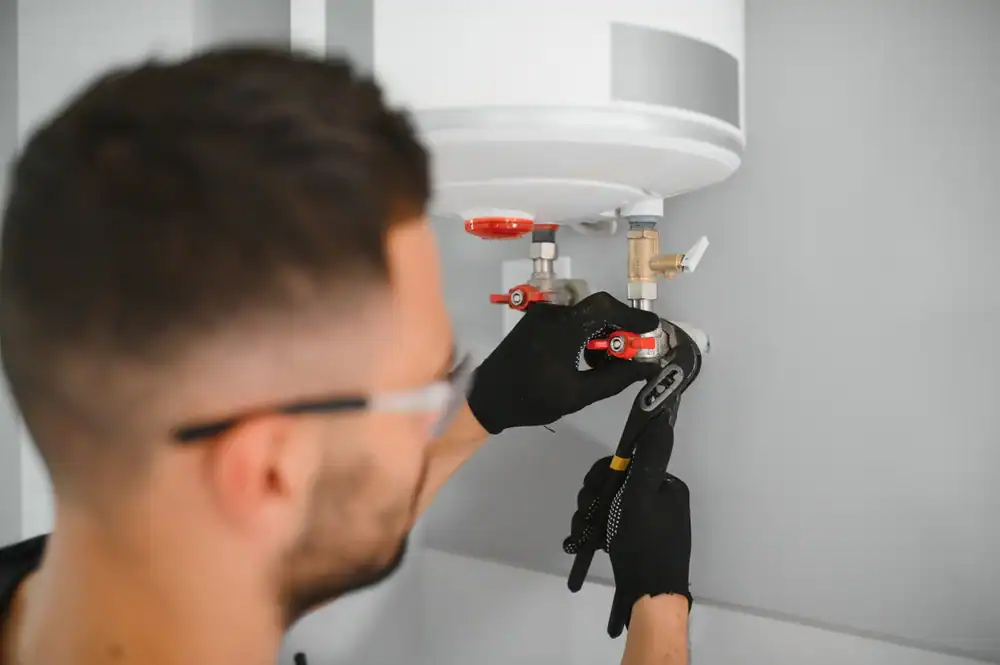
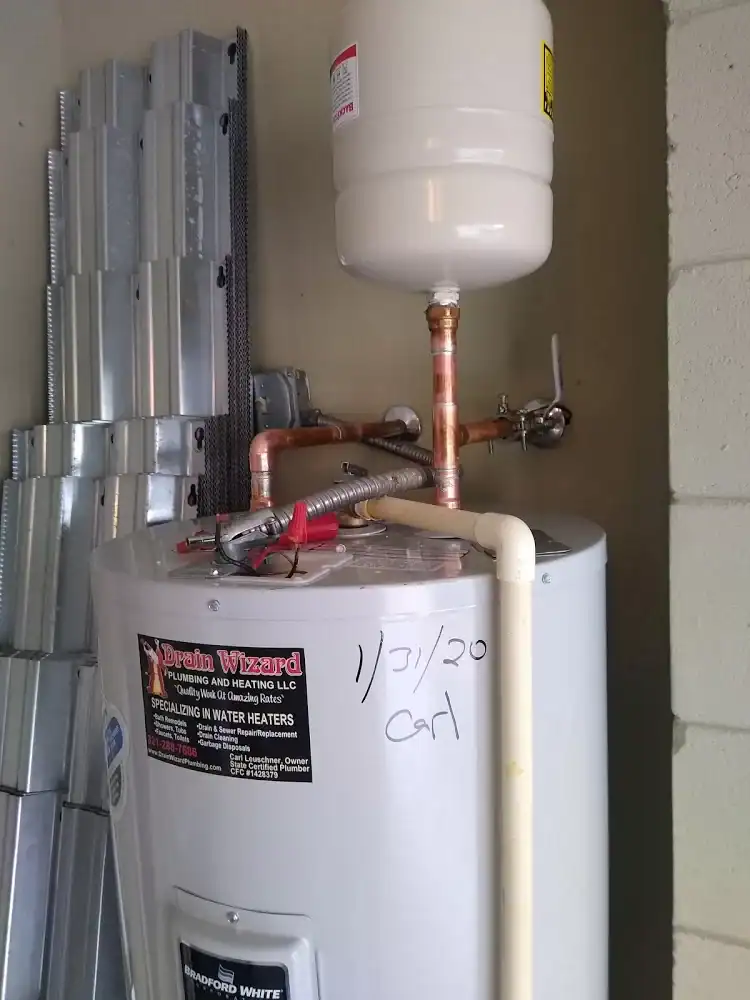
When your water heater fails, you’re not just dealing with cold showers. You’re looking at potential water damage to your floors, walls, and belongings. Mold growth becomes a real concern within 24 to 48 hours of water exposure.
A leaking water heater doesn’t give you much warning. What starts as a small drip can turn into a full rupture fast. These tanks hold 40 to 80 gallons under pressure, and when they go, they can flood your home in minutes.
You need someone who shows up when they say they will, gives you a straight answer about what’s wrong, and gets your hot water running again without dragging the job out. That’s what matters when you’re dealing with a water heater emergency at Patrick AFB or anywhere in Brevard County.
Modern water heaters also run more efficiently than older models. If your current unit is over 10 years old, replacing it now can lower your energy bills and prevent an emergency failure down the road. Most homeowners see their new water heater pay for itself within three to seven years through energy savings alone.
We’ve been serving Patrick Space Force Base and the surrounding Brevard County communities since 2007. We’re a family-owned business founded by Carl, a master plumber with over 40 years in the trade and 20 years of military service.
That military background matters when you’re serving base families. We understand deployment schedules, housing inspections, and the stress that comes with PCS moves. We also know that when something breaks, you need it fixed right the first time.
Every job is personally overseen by Carl. You’re not getting a different crew each time or wondering who’s going to show up. We’re fully licensed and insured in Florida, and we’ve built our reputation in communities like Cocoa, Merritt Island, Satellite Beach, and Melbourne by doing what we say we’ll do.
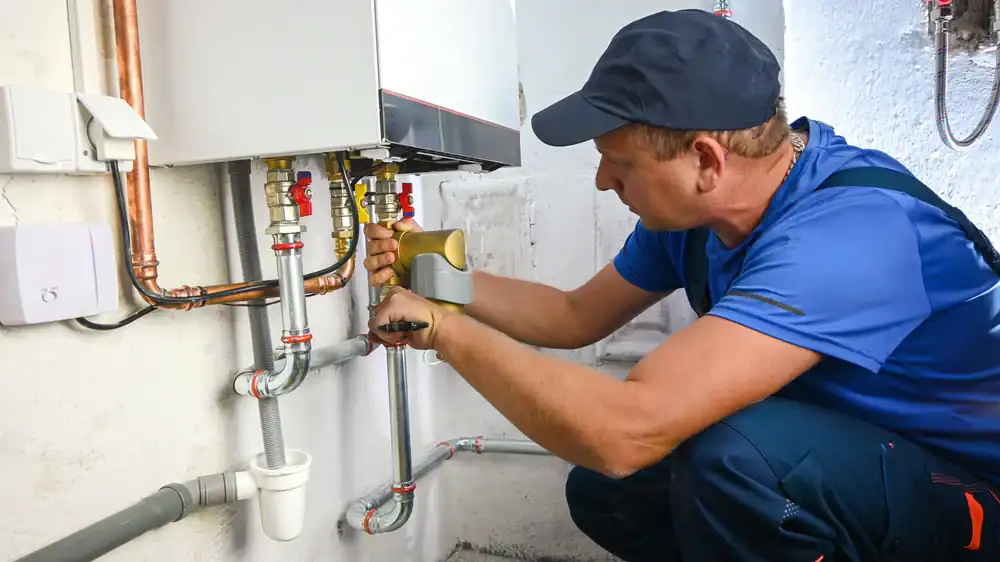
First, we assess your current water heater and the space it’s in. We check for any code violations, venting issues, or problems with your gas lines or electrical connections. You’ll get a clear explanation of what we found and what your options are.
If you’re replacing a standard tank water heater with another tank model, the job typically takes two to four hours. We shut off your water and power or gas supply, drain the old unit, disconnect it, and remove it from your home. Then we install the new water heater, connect all supply lines, test for leaks, and make sure everything is up to code.
If you’re upgrading to a tankless system, expect the job to take longer—usually a half day to a full day. Tankless units require different venting, electrical work, or gas line modifications. We handle all of that, including any permits required in Brevard County.
Before we leave, we walk you through how your new system works, what maintenance it needs, and what to watch for. You’ll have hot water restored and peace of mind that the installation was done right.
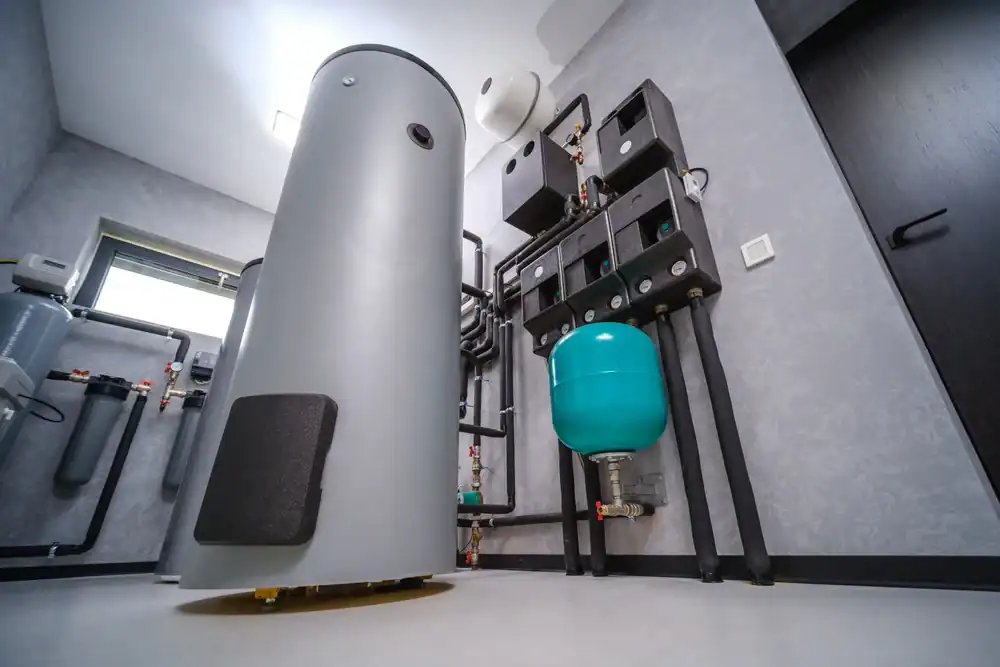
Ready to get started?
Your water heater replacement includes removal and disposal of your old unit, installation of the new water heater, all necessary connections for water, gas, or electrical lines, and testing to ensure everything works safely. We also check your temperature and pressure relief valve and make sure your unit meets current Florida building codes.
For Patrick AFB and Brevard County homes, we pay special attention to water quality issues. The base gets its water from the City of Cocoa, and there have been documented concerns with TTHM levels and PFAS contamination in the area. If your water quality is affecting your water heater’s lifespan, we’ll talk through filtration options that can help.
We offer both traditional tank water heaters and tankless systems. Tank models are less expensive upfront and work well for most families. Tankless systems cost more initially but provide endless hot water and take up less space—helpful in smaller military housing units or condos near the beach.
Labor typically accounts for about half the cost of a water heater replacement. A standard tank replacement runs between $600 and $2,500 depending on the size and type of unit. Tankless installations range from $1,400 to $3,900 due to the additional work involved. We give you a free estimate upfront so there’s no confusion about pricing.
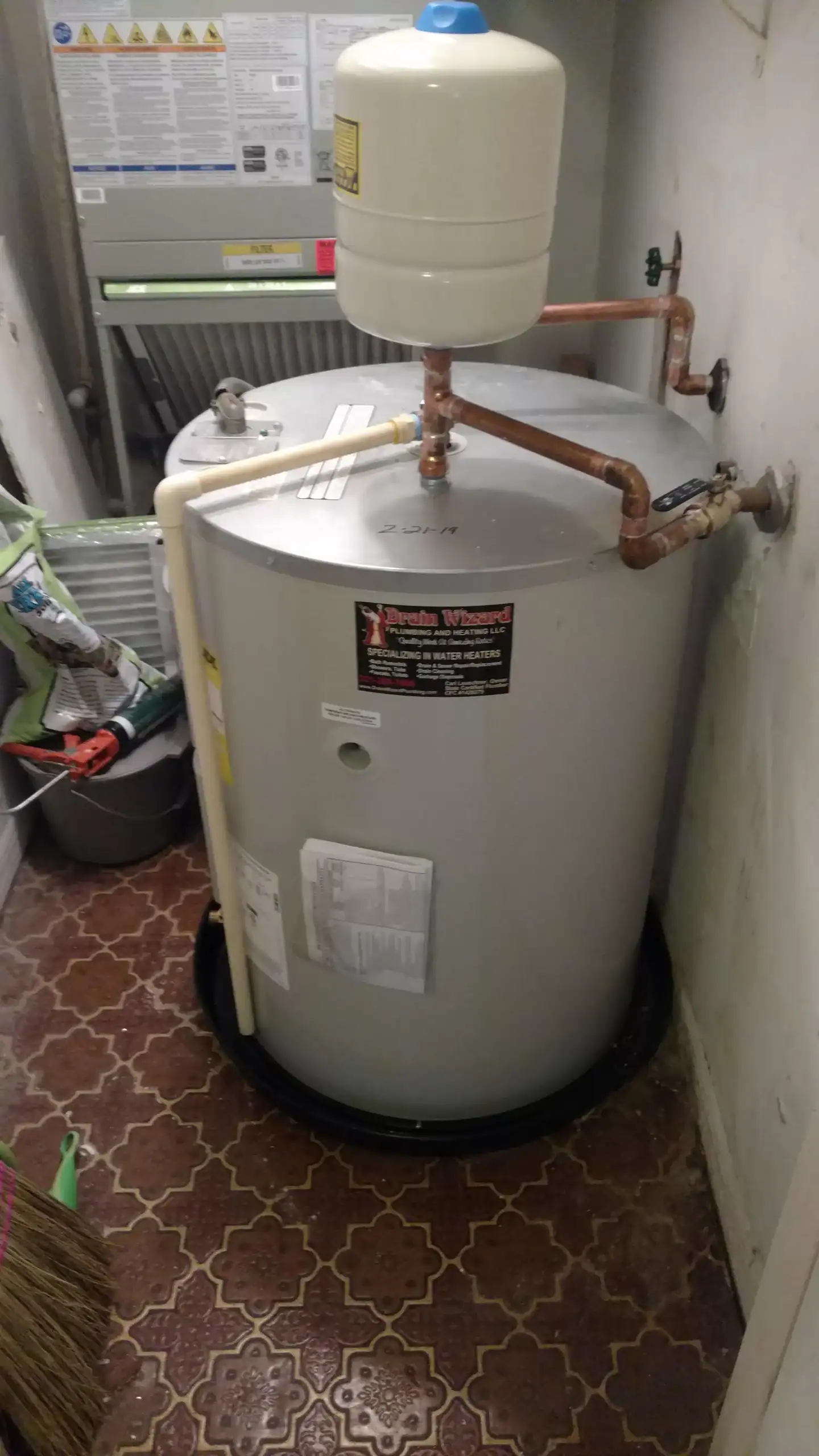
Age is the biggest factor. Most water heaters last eight to twelve years. If yours is in that range and showing problems, replacement usually makes more sense than repair.
Look for these signs that replacement is the better call: your water heater is leaking from the tank itself (not just a valve or connection), you’re seeing rust-colored water, the unit makes loud banging or popping noises, or you’re running out of hot water much faster than you used to. These indicate internal deterioration that can’t be fixed.
If your water heater is newer and the problem is a faulty thermostat, heating element, or pressure relief valve, repair might be the right move. We’ll be straight with you about which option makes financial sense. Sometimes a $200 repair buys you a few more years. Other times, you’re better off putting that money toward a new unit that won’t leave you without hot water six months from now.
Tank water heaters store 30 to 80 gallons of hot water and keep it heated around the clock. When you turn on your faucet, hot water is ready immediately. The downside is that once you use up what’s in the tank, you wait for it to reheat. They’re less expensive to install and easier to maintain.
Tankless water heaters heat water on demand as it flows through the unit. You never run out of hot water, and they’re more energy-efficient since they’re not keeping a tank hot 24/7. They also take up much less space, which matters in smaller homes or condos near Patrick AFB.
The tradeoffs: tankless units cost significantly more upfront, and installation is more complex. If your home isn’t already set up for tankless, you may need electrical upgrades or gas line modifications. For military families who might move in a few years, a traditional tank often makes more sense financially. For homeowners planning to stay long-term, tankless can pay off through lower energy bills and longer lifespan—typically 15 to 20 years versus 10 to 12 for tanks.
We offer same-day service when possible, and we’re available 24/7 for emergencies. If your water heater fails in the morning, there’s a good chance we can have a new one installed by evening.
Response time depends on a few factors: whether we have the right size unit in stock or can get it quickly from our suppliers, how complex your installation is, and what our schedule looks like that day. For straightforward tank-to-tank replacements, we can usually move fast.
If you’re dealing with active flooding from a ruptured tank, that’s an emergency. Call us immediately and shut off the water supply to your water heater if you can safely do so. The shut-off valve is typically located on the cold water pipe leading into the top of the tank. For gas water heaters, also turn off the gas supply. This limits damage while we’re on our way. We don’t charge extra for evening or weekend emergency calls, which matters when you’re dealing with a crisis that can’t wait until Monday morning.
Yes, water heater replacements typically require a permit in Brevard County, and installations must meet Florida building codes. This protects you by ensuring the work is done safely and correctly.
As a licensed and insured plumbing contractor, we handle the permit process for you. This includes making sure your installation meets current code requirements for venting, gas connections, electrical work, temperature and pressure relief valve discharge pipes, and proper clearances.
Some homeowners try to skip permits to save money, but that creates problems down the road. If you sell your home, unpermitted work can hold up the sale or force you to bring everything up to code at that point—usually at a higher cost. If something goes wrong with an unpermitted installation, your homeowner’s insurance may not cover the damage. For military families living in base housing, your housing office will definitely require permitted work. We build permit costs into our estimates so you know the full price upfront.
For tank water heaters, size depends on how many people live in your home and your peak hot water usage. A family of two to three typically needs a 40 to 50-gallon tank. Families of four to five do better with a 50 to 60-gallon unit. Larger families or homes with high hot water demand may need 75 to 80 gallons.
Think about your busiest hot water times. If multiple people shower in the morning, you’re running the dishwasher, and someone’s doing laundry, you need enough capacity to handle that demand. Undersizing your water heater means cold showers and frustration. Oversizing wastes energy and costs more upfront.
For tankless water heaters, sizing works differently. We calculate based on flow rate (gallons per minute) and temperature rise needed. In Florida, your incoming water temperature is warmer than northern states, so you don’t need as powerful a unit. We measure how many fixtures might run simultaneously—say, two showers plus a dishwasher—and size the tankless unit accordingly. During your estimate, we’ll ask about your household’s hot water habits and recommend the right size for your specific situation.
Sediment buildup is the most common cause of premature water heater failure. Minerals in your water settle at the bottom of the tank, creating a barrier between the heating element and the water. This makes your water heater work harder, increases energy costs, and eventually causes the tank to corrode and leak.
In the Patrick AFB and Brevard County area, water quality issues make this worse. The water here is relatively hard, and there have been documented concerns with the municipal water supply. Flushing your tank once a year removes sediment and extends its life. Most homeowners never do this, which is why water heaters often fail before they should.
Other failure causes include a faulty anode rod (a sacrificial component that protects the tank from corrosion), high water pressure that stresses the tank and connections, and simple age-related wear. You can’t prevent everything, but annual maintenance catches small problems before they become emergencies. We offer maintenance services that include flushing the tank, checking the anode rod, testing the pressure relief valve, and inspecting for any early signs of trouble. It’s a small investment that can add years to your water heater’s life and help you avoid an unexpected cold shower.
Other Services we provide in Patrick Afb