
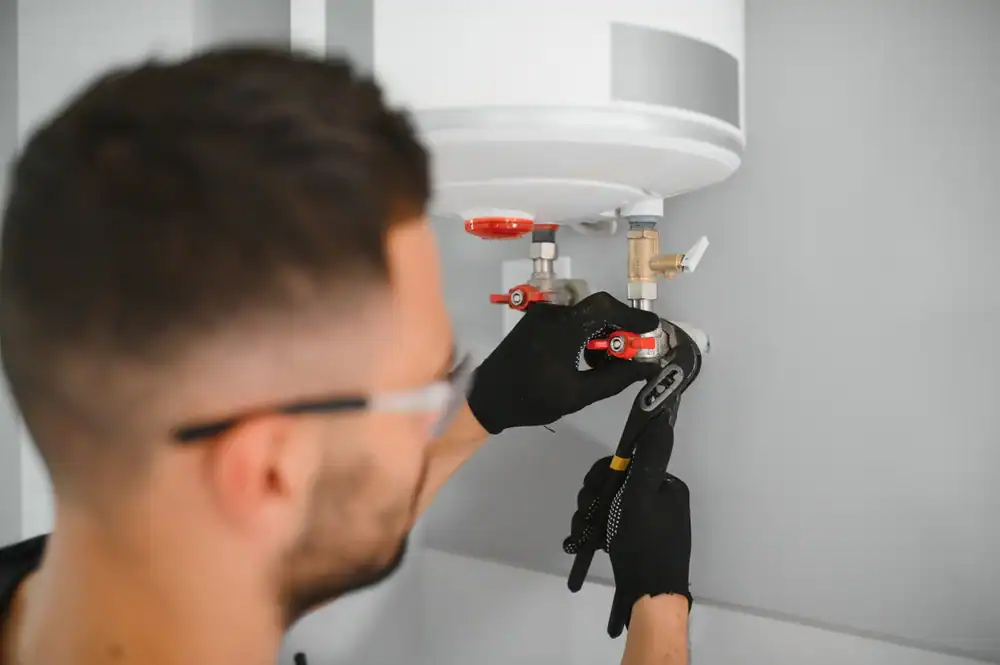
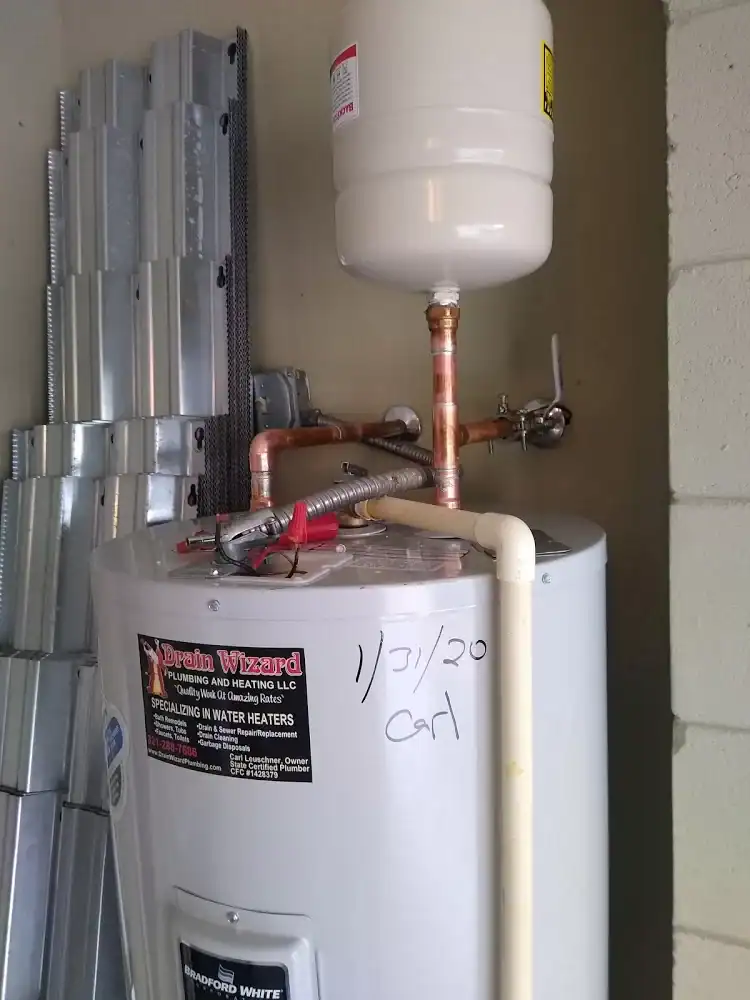
Your morning shower doesn’t turn ice cold halfway through. Your dishwasher finishes a full cycle without running out of hot water. Your family stops complaining about who used up all the hot water before everyone else got their turn.
That’s what a properly sized, professionally installed water heater does. It removes the guesswork and the frustration from your daily routine.
You’re not rationing showers or timing laundry loads around recovery time. You’re not hearing banging noises from the garage or finding puddles near your tank. You’ve got consistent hot water, lower energy bills if you upgrade to a more efficient model, and the peace of mind that comes from knowing a licensed plumber did the job right the first time.
Most water heaters last about 10 years. After that, you’re on borrowed time. Repairs start adding up. Efficiency drops. The risk of a leak or complete failure goes up every month. Replacing it before it fails on you means you control the timeline instead of scrambling during an emergency.
We’ve been serving Shiloh and the rest of Brevard County since 2007. We’re a family-owned plumbing company built on 40+ years of combined plumbing experience and over 20 years of military service. That background shapes how we work: show up on time, communicate clearly, do the job right, and charge what we said we’d charge.
We’re based in Cocoa, so we know what Shiloh homeowners deal with. Hard water that eats through tank linings faster than it should. Humidity that accelerates corrosion. High usage during Florida’s long, hot summers. These aren’t just talking points for us—they’re conditions we account for when sizing and installing your water heater.
You’ll work with licensed, insured plumbers who’ve handled hundreds of water heater installations across the Space Coast. We pull permits when required, follow Florida code, and make sure your new system is safe and efficient from day one.
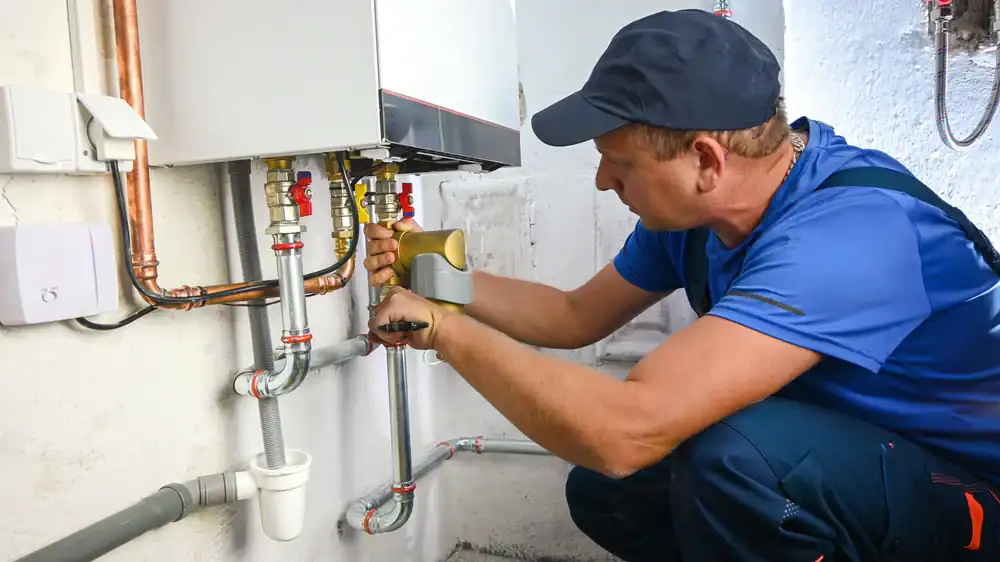
First, we assess what you currently have and what you actually need. Tank size matters. If your household has grown or your usage patterns have changed, your old 40-gallon unit might not cut it anymore. We’ll also discuss whether a traditional tank or a tankless system makes more sense for your situation and budget.
Once you approve the estimate, we schedule the installation at a time that works for you. Our team arrives with the new water heater and all necessary materials. We safely disconnect and remove your old unit, checking for any underlying issues with gas lines, electrical connections, or water supply that need addressing.
Then we install the new water heater according to manufacturer specs and local code requirements. That includes proper venting for gas units, secure mounting, pressure relief valve installation, and testing all connections for leaks. We fire it up, confirm it’s heating properly, and walk you through basic maintenance tips before we leave.
The whole process typically takes a few hours. You’re not without hot water for days. You’re not dealing with a mess or surprise charges. You get a working system, a clear invoice, and someone to call if any issues come up.
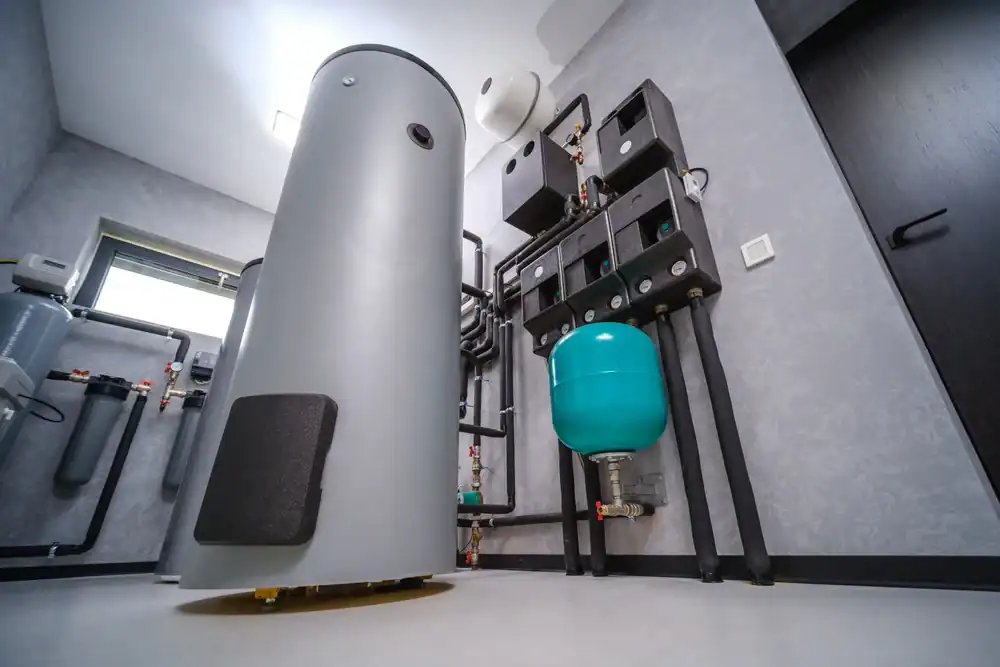
Ready to get started?
We handle both gas and electric water heaters, traditional tanks and tankless systems. Your replacement includes removal of the old unit, professional installation of the new one, all necessary permits, and code-compliant work that passes inspection.
In Brevard County, hard water is a real issue. Mineral buildup shortens the lifespan of water heaters and reduces efficiency over time. We account for that when recommending models and can discuss water treatment options if your water quality is particularly aggressive. Coastal humidity also accelerates exterior corrosion on tanks, especially in garages or outdoor installations.
Energy efficiency matters here too. Florida’s hot climate means your water heater doesn’t have to work as hard as it would up north, but high usage during summer months when everyone’s showering more often can strain an undersized or aging unit. Upgrading to a more efficient model often pays for itself through lower utility bills within a few years.
We’ll also talk about warranty coverage. Most manufacturers offer warranties ranging from 6 to 12 years on tanks, but installation quality directly impacts how long your system actually lasts. Poor installation voids warranties and creates safety risks, especially with gas units. Our licensed plumbers make sure your installation is done right so your warranty stays valid and your home stays safe.
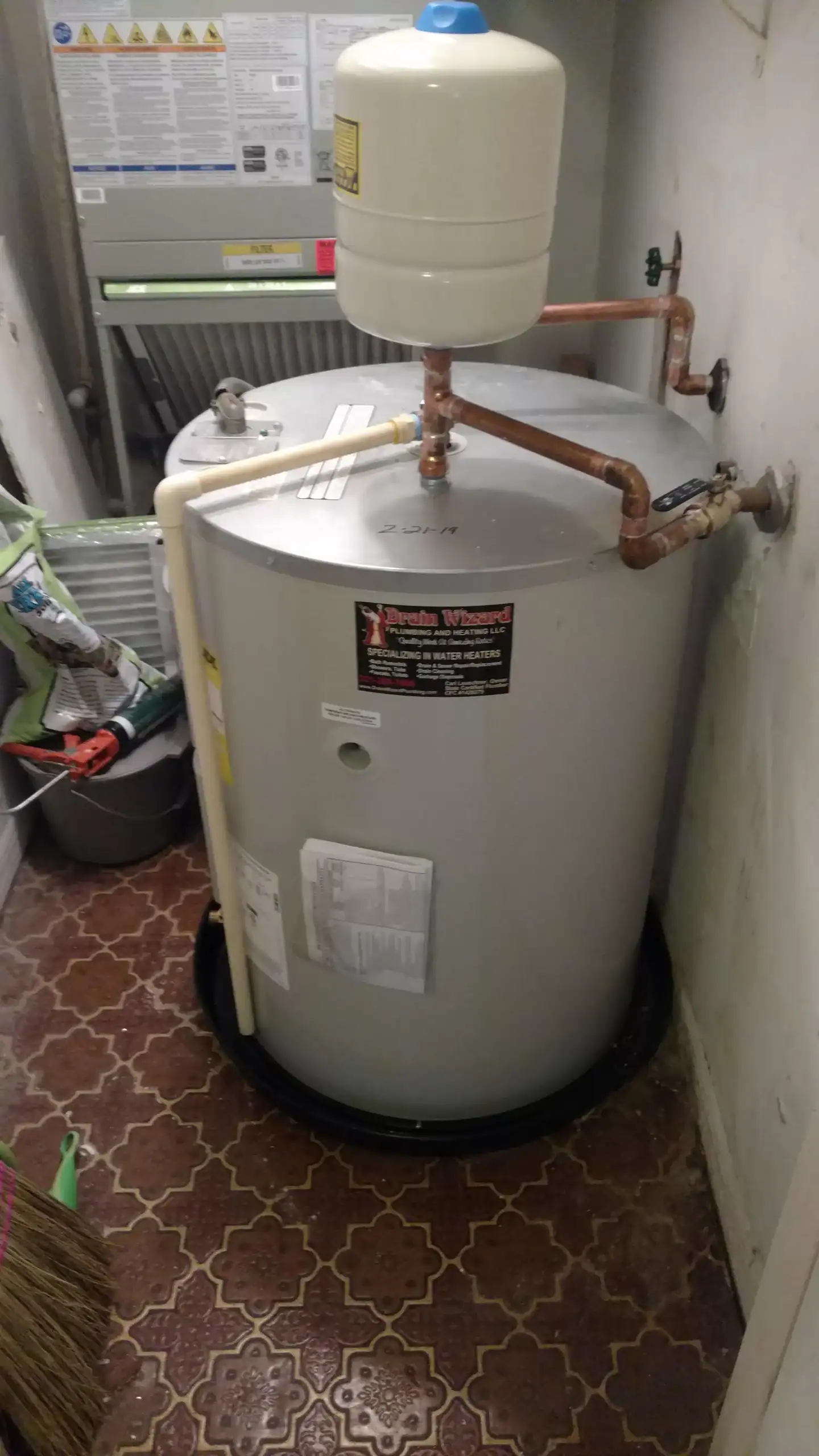
Age is the biggest factor. If your water heater is over 10 years old, replacement usually makes more sense than repair, even if the issue seems minor. You’re at the point where one repair leads to another, and you’re throwing money at a system that’s near the end of its useful life anyway.
If you’re seeing rusty water, that’s a sign the tank is corroding from the inside. That’s not repairable. If you’ve got a leak at the base of the tank, that’s also a replacement situation—the tank itself has failed. Leaks at connections or valves can sometimes be fixed, but a leaking tank means the unit is done.
Inconsistent water temperature, strange noises like popping or banging, or running out of hot water much faster than you used to are all signs your water heater is struggling. Sometimes a flush and element replacement can help, but if you’re dealing with multiple symptoms or the unit is older, you’re better off replacing it before it fails completely and leaves you without hot water or causes water damage.
Most water heater replacements in the Brevard County area run between $1,200 and $3,000, depending on the type of unit, tank size, fuel source, and any additional work required. A basic 40 or 50-gallon electric tank replacement is on the lower end. A larger gas unit or a tankless system will cost more.
The price includes the unit itself, labor, permits, removal of your old water heater, and proper installation. If we need to upgrade venting, modify gas lines, or bring electrical up to current code, that adds to the cost. We give you upfront pricing before we start, so there’s no confusion about what you’re paying.
Cheaper isn’t always better. A low-ball quote often means shortcuts—no permit, improper venting, reused parts that should be replaced, or an unlicensed installer. That puts your home at risk and can void your warranty. You’re paying for the equipment and the expertise to install it safely and correctly. That’s worth getting right the first time.
It depends on your household size, budget, and how you use hot water. Tankless systems provide endless hot water and take up less space, but they cost more upfront—usually $2,500 to $4,500 installed. They’re more energy-efficient because they only heat water on demand, which can lower your utility bills over time.
Traditional tanks are less expensive to install and work well for most households. A properly sized tank gives you plenty of hot water for showers, laundry, and dishes without the higher upfront investment. The tradeoff is they take up more space and have higher standby energy loss because they keep a full tank hot 24/7.
If you have a large family or high simultaneous hot water demand—multiple showers running at once, for example—a tankless system makes sense. If your usage is more spread out and you want a cost-effective replacement, a quality tank system is a solid choice. We’ll walk through your specific situation and help you decide what fits your needs and budget.
Most water heater replacements take between two and four hours from start to finish. That includes disconnecting and removing the old unit, installing the new one, testing all connections, and making sure everything’s working properly before we leave.
If we’re swapping a tank for a tank of the same fuel type in the same location, it’s usually on the faster end. If we’re switching from electric to gas, installing a tankless system for the first time, or dealing with code updates that require new venting or electrical work, it takes longer.
We don’t rush the job. Proper installation matters more than speed. Gas connections need to be leak-free. Venting needs to be secure and up to code. Electrical connections need to be tight. Pressure relief valves need to be installed correctly. Cutting corners to save 30 minutes creates safety risks and future problems. You’ll have hot water the same day, and you’ll have it installed right.
Yes, most water heater replacements in Brevard County require a permit, especially for gas units. Permits ensure the work meets Florida building code and safety standards. It’s not just red tape—it’s about making sure your installation is safe and your home is protected.
We handle the permit process as part of the installation. That includes scheduling the required inspection after the work is complete. Some homeowners try to skip permits to save money or time, but that’s a bad idea. If you ever sell your home, unpermitted work can kill a deal or force you to bring everything up to code at your expense.
Insurance companies can also deny claims related to unpermitted work. If your water heater causes damage and there’s no permit on file, you might be on your own for repairs. Working with a licensed plumber who pulls permits protects you legally, financially, and safety-wise. It’s the right way to do the job.
Puddles or moisture around the base of your water heater are the most obvious signs. Even small amounts of water mean something’s wrong. Check the floor, especially if your water heater sits in a garage or utility room where you don’t go often.
Rusty or discolored water coming from your hot taps can indicate internal corrosion, which often leads to leaks. If you’re only seeing discoloration from hot water—not cold—the water heater is likely the source. You might also notice a musty smell or see water stains on nearby walls or flooring.
Sometimes leaks are slow and hard to spot. If your water bill suddenly increases without explanation, a leaking water heater could be the cause. Listen for hissing sounds near the tank, which can indicate a small leak or a failing pressure relief valve. If you suspect a leak, shut off the water supply to the unit and call a plumber. A leaking water heater won’t fix itself, and the longer you wait, the more damage it can cause.
Other Services we provide in Shiloh