
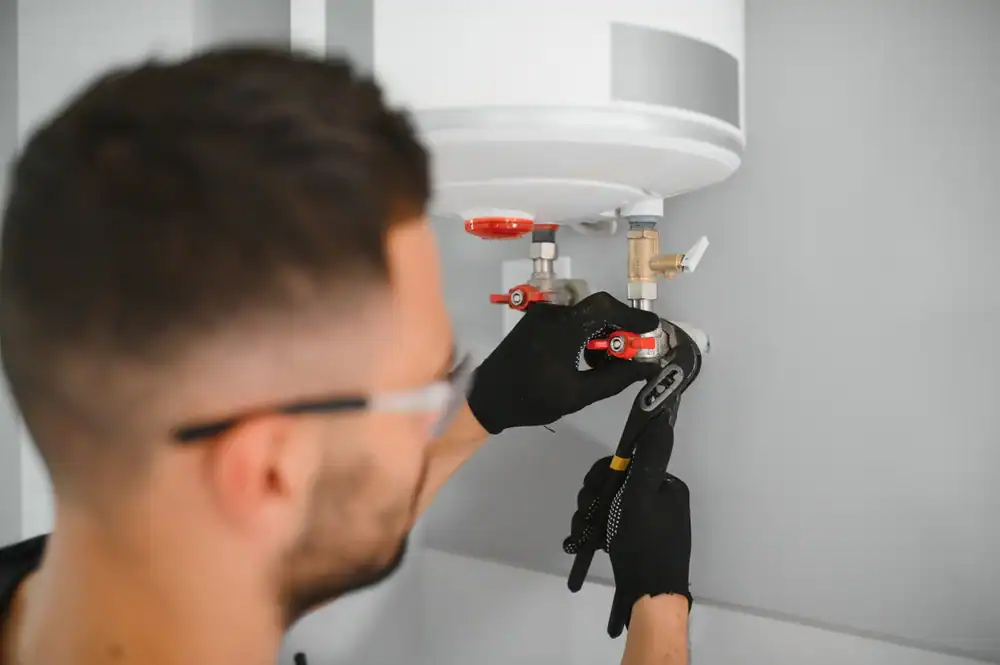
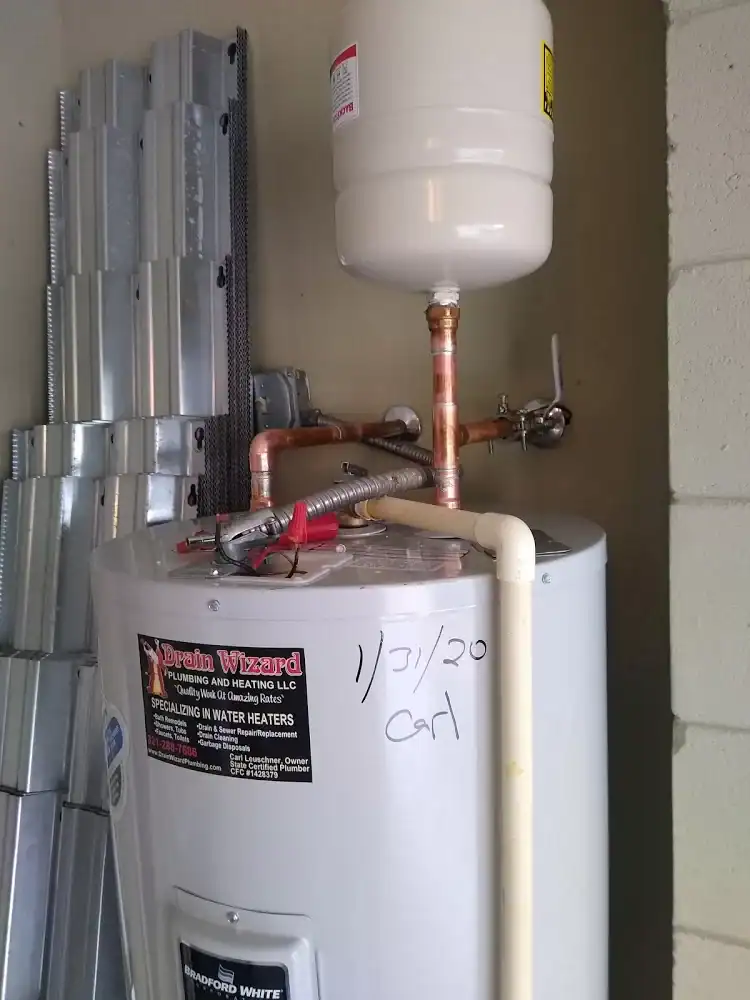
A failing water heater doesn’t just mean inconvenience. It means potential water damage to your floors, walls, and belongings. It means mold risk in Florida’s humidity. It means disrupted routines and unexpected costs.
When your hot water heater starts leaking or stops heating altogether, the clock starts ticking. Every hour increases the risk of serious damage to your home.
Professional water heater replacement means you get consistent hot water again without the constant worry of another breakdown. Modern systems run more efficiently, which translates to lower utility bills month after month. And when installation is done right the first time, you’re not dealing with callbacks, leaks, or code violations down the road.
We’ve served Brevard County since 2007. We’re not a franchise or a call center routing your emergency to whoever’s available. We’re a family-owned plumbing company with over 40 years of combined experience and 20 years of military service backing every job.
That military background isn’t just a talking point. It’s how we approach your project: with discipline, attention to detail, and a commitment to doing things right. Every water heater replacement in Tropic, FL and surrounding areas gets the same level of care, whether it’s an emergency call or a planned upgrade.
We know how Florida’s hard water and constant use wear down hot water heaters faster than the national average. We’ve seen what salt air does to tanks near the coast. And we understand the HOA requirements that many Tropic homeowners face when it’s time to replace aging equipment.
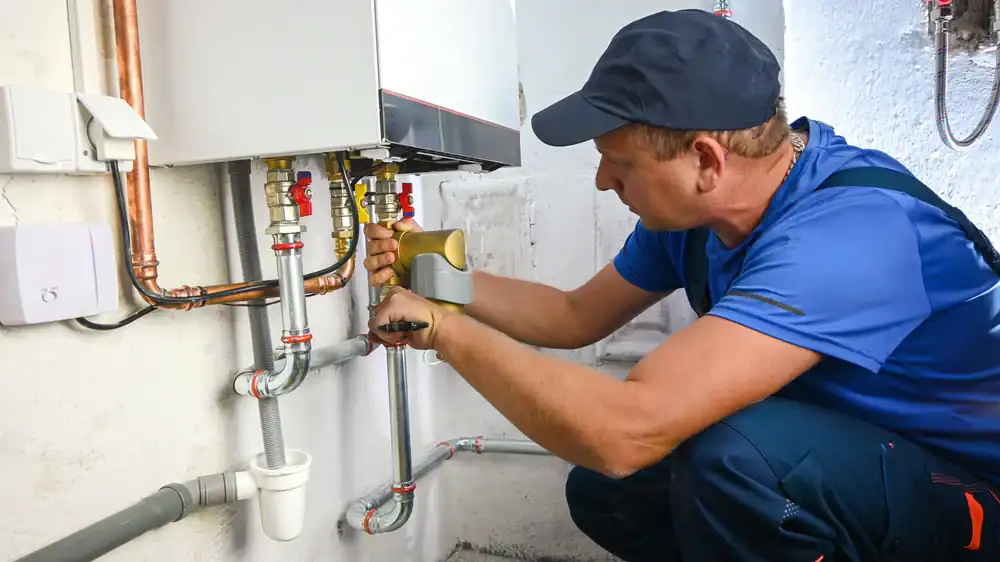
When you contact us about water heater replacement, we start with a straightforward assessment. We’ll look at your current system, your home’s hot water needs, and any specific concerns like space constraints or energy efficiency goals. No upselling. Just honest feedback on what makes sense for your situation.
Once you decide to move forward, we handle the permit process required by Florida statutes. This isn’t optional red tape—it’s what ensures your installation meets code and passes inspection. Many homeowners don’t realize this step is legally required, and skipping it can create problems when you sell your home or file an insurance claim.
The installation itself typically takes a few hours for a standard tank replacement. We’ll shut off your water and power, drain and remove the old unit, and install the new system according to manufacturer specifications and local codes. Before we leave, we test everything, check for leaks, and walk you through basic maintenance that extends the life of your new water heater.
If you’re in an HOA community, we can provide documentation of the work for your records. Many associations in the Tropic area require notification before replacement and proof of proper installation after.
Ready to get started?
Traditional tank water heaters remain the most common choice in Tropic, FL for good reason. They’re reliable, cost-effective upfront, and handle high-demand situations like multiple showers running simultaneously. In Florida’s climate, you can expect 8-12 years from a quality tank system with proper maintenance—sometimes less if you have particularly hard water or live close to salt air.
Tankless systems offer a different set of benefits. They last longer (often 20 years), take up less space, and only heat water when you need it. That on-demand heating can lower your energy bills, especially if your household doesn’t use hot water constantly throughout the day. The tradeoff is higher upfront cost and the need for adequate gas supply or electrical capacity to power the unit.
Florida’s groundwater temperature sits between 72-77 degrees year-round, which is warmer than most of the country. That means your water heater doesn’t have to work as hard to reach your desired temperature, regardless of which system you choose. It’s one of the few advantages our climate offers for plumbing systems.
We’ll walk you through both options based on your home’s setup, your budget, and how your household actually uses hot water. Some homes are better suited for tanks. Others benefit more from tankless. The right answer depends on your specific situation, not what’s trendy or what earns us a bigger margin.
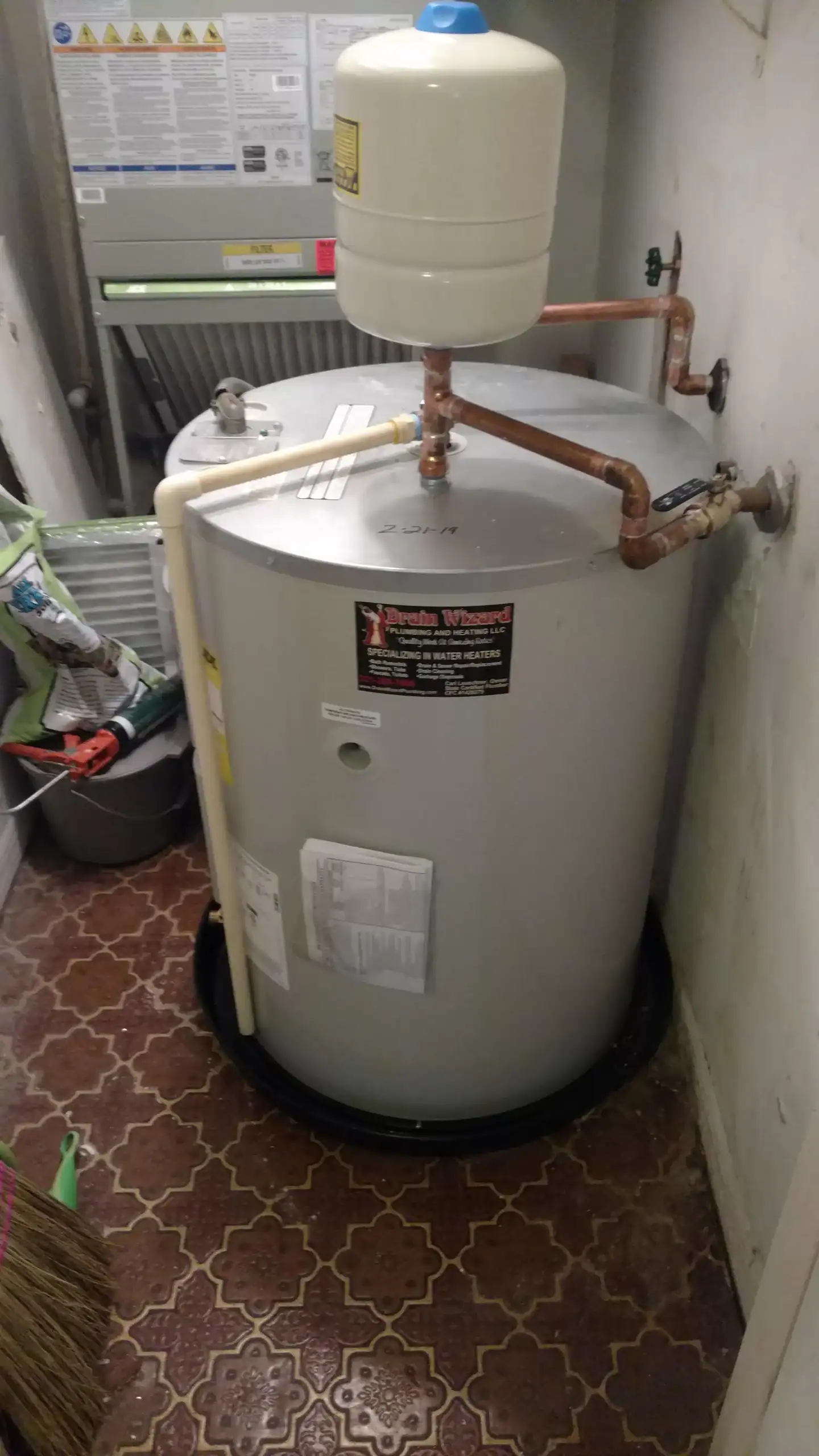
If your water heater is over 10 years old and repair costs are approaching 50% of replacement cost, replacement usually makes more financial sense. At that age, you’re likely to face repeated repairs as different components fail.
Look for these signs that replacement is the smarter choice: rust-colored water coming from hot taps, metallic-tasting hot water, visible corrosion on the tank, moisture or small leaks around the base, or loud rumbling and banging noises that don’t go away after flushing. These indicate the tank itself is deteriorating, not just a fixable component.
If your water heater is relatively new (under 6-7 years) and the problem is a failed heating element, thermostat, or pressure relief valve, repair often makes sense. These are straightforward fixes on a system that still has useful life remaining. Age matters more than most homeowners realize when making this decision.
Size depends on how many people live in your home and your peak hot water usage, not just square footage. A family of four typically needs a 50-gallon tank or a tankless unit rated for at least 7-8 gallons per minute at Florida’s groundwater temperature.
Here’s a practical way to think about it: count how many hot water fixtures might run simultaneously during your busiest morning or evening. Two showers plus a dishwasher? That’s roughly 7 gallons per minute. Add a washing machine and you’re closer to 9-10 gallons per minute. For tank systems, you want enough capacity to handle your peak demand without running out mid-shower.
Oversizing costs you money in higher equipment prices and wasted energy heating water you don’t use. Undersizing means you’ll run out of hot water regularly, which defeats the purpose of replacement. We measure your actual usage patterns and household size to recommend the right capacity, not just default to the biggest unit that fits your space.
Yes. Florida statutes require permits for water heater replacement, and skipping this step can create serious problems. If you sell your home, unpermitted work shows up in inspection reports and can kill deals or force price reductions. Insurance companies can deny claims related to unpermitted plumbing work.
The permit process ensures your installation meets current building codes, uses proper materials, and passes inspection. Codes exist because they prevent dangerous situations like improper venting (which can cause carbon monoxide buildup), inadequate pressure relief valve installation (which can cause tank explosions), or electrical work that creates fire hazards.
We handle permitting as part of the installation process. We pull the permit, schedule the inspection, and provide you with documentation for your records. It adds a day or two to the timeline but protects your investment and keeps your home insurance valid. Any plumber who suggests skipping permits to save money or time is putting your home and family at risk.
A straightforward tank-to-tank replacement typically takes 3-4 hours once we’re on site. That includes draining and removing your old unit, installing the new water heater, connecting all supply lines and venting, and testing the system before we leave.
Tankless installations take longer—usually 6-8 hours—because they often require modifications to your gas lines or electrical panel, plus different venting requirements than tank systems. If we’re converting from electric to gas or vice versa, that adds time and complexity.
The permit and inspection process adds 1-2 business days to the overall timeline. We can’t legally fire up your new water heater until it passes inspection. For emergency replacements where you have no hot water, we’ll prioritize scheduling to minimize your downtime. Most installations from first call to final inspection wrap up within a week, with your new system operational much sooner than that.
Florida’s mineral-rich water accelerates corrosion inside tank water heaters. Those minerals settle at the bottom of the tank, creating a layer of sediment that makes your heating elements work harder and causes the tank to overheat in spots. Over time, this weakens the steel and leads to leaks.
If you live near the coast in areas around Tropic, salt air exposure corrodes external components faster than inland locations. The constant humidity means any small leak creates ideal conditions for rust and corrosion to spread quickly. And because Florida homes use hot water year-round without seasonal breaks, your water heater never gets a rest.
Hard water is the biggest culprit. The higher your water’s mineral content, the faster sediment builds up. Regular flushing helps, but most homeowners don’t do it often enough to make a real difference. That’s why the 8-12 year lifespan in Florida is shorter than the 10-15 years you’ll see quoted for national averages. The conditions here are simply harder on plumbing systems.
If your water heater is approaching 10 years old and showing warning signs, proactive replacement saves you from emergency situations and potential water damage. A controlled replacement on your schedule costs less than an emergency call when your tank ruptures at 9 PM on a Saturday.
Warning signs include inconsistent water temperature, taking longer to reheat after heavy use, small amounts of moisture around the base, or discolored hot water. These indicate your tank is deteriorating but hasn’t catastrophically failed yet. This is your window to replace it before you’re dealing with flooding.
Some Tropic homeowners face HOA requirements that mandate replacement once water heaters reach a certain age, typically 6-10 years. Even if your system still works, the association may require replacement to prevent damage to shared structures or neighboring units. Check your HOA rules if you live in a community with shared walls or buildings. Proactive replacement also lets you choose more efficient systems that lower your utility bills, rather than rushing into whatever’s available during an emergency.
Other Services we provide in Tropic