
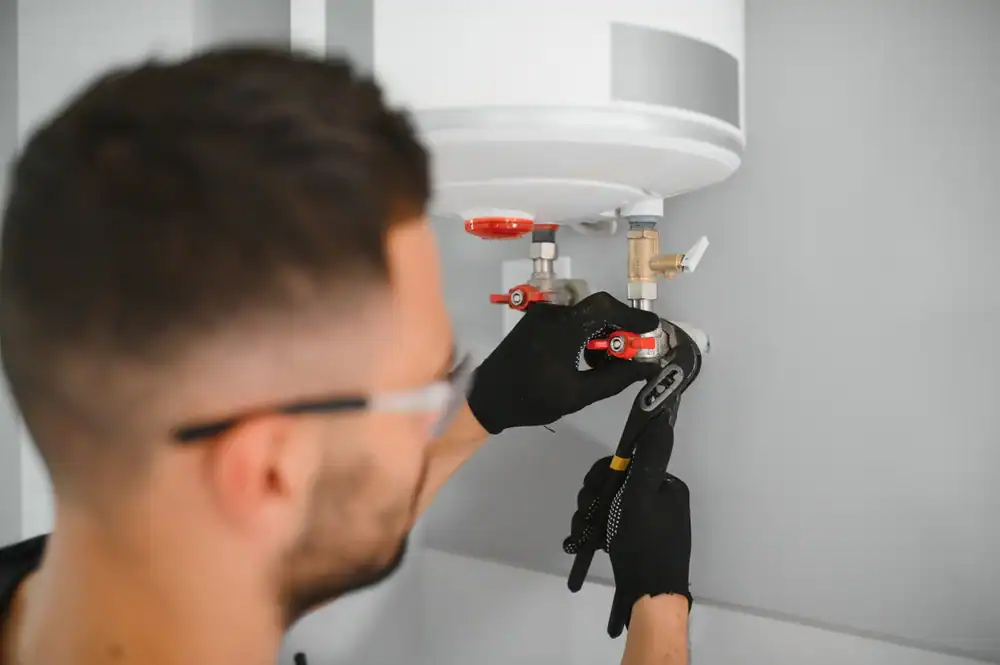
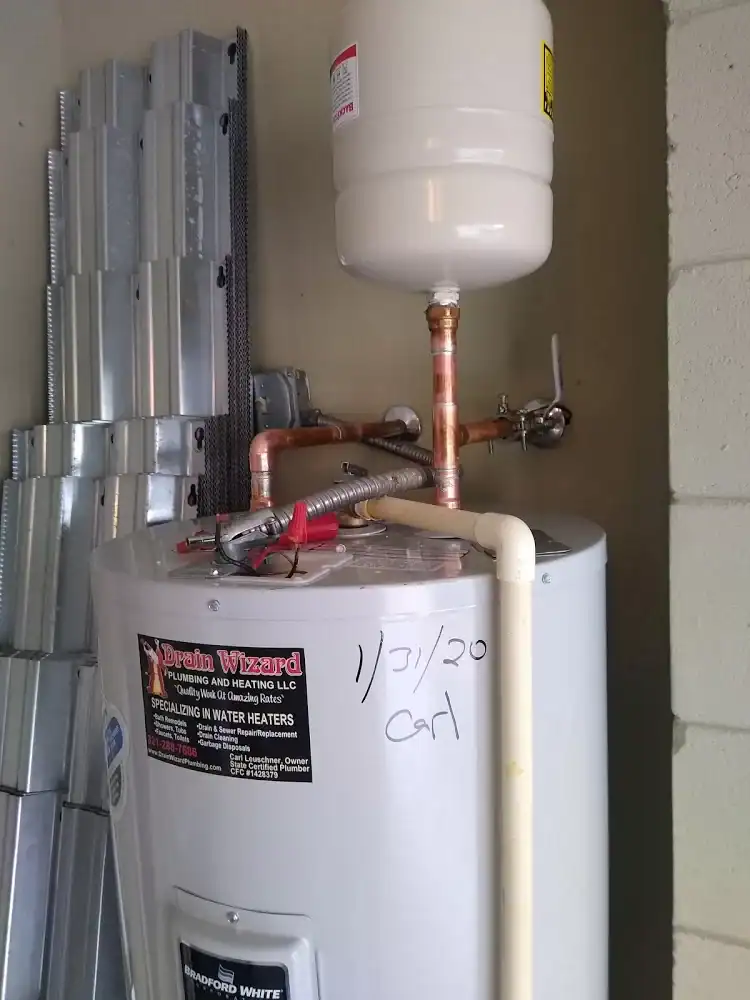
When your water heater starts leaking or stops heating, everything in your house grinds to a halt. No showers. No laundry. No dishes. Just stress.
A proper replacement means more than swapping out the old unit. You’re getting consistent hot water again without wondering when the next breakdown is coming. You’re done with cold showers and rising energy bills from an inefficient system limping along.
Most replacements in Wilson happen the same day you call. The old unit comes out, the new one goes in, we pull the permits, and everything gets inspected to code. Then you move on with your life. That’s what a good installation should look like—fast, clean, and completely forgettable once it’s done.
We’ve been handling plumbing services across Wilson and Brevard County since 2007. We’re state-certified, fully insured, and locally owned—not a franchise sending whoever’s available.
Carl, the owner, started at 16 digging trenches and learning the trade from the ground up. He earned his state plumbing license through years of hands-on work, and he still personally oversees every job. That’s not common anymore, but it matters when you’re dealing with Florida building codes, hard water issues, and coastal corrosion that can wreck an outdoor unit in half the time it should last.
Wilson homeowners deal with mineral buildup faster than most places because of the water supply here. That means your water heater works harder and wears out sooner. You need someone who knows that and plans for it during installation—not someone just following a manual.
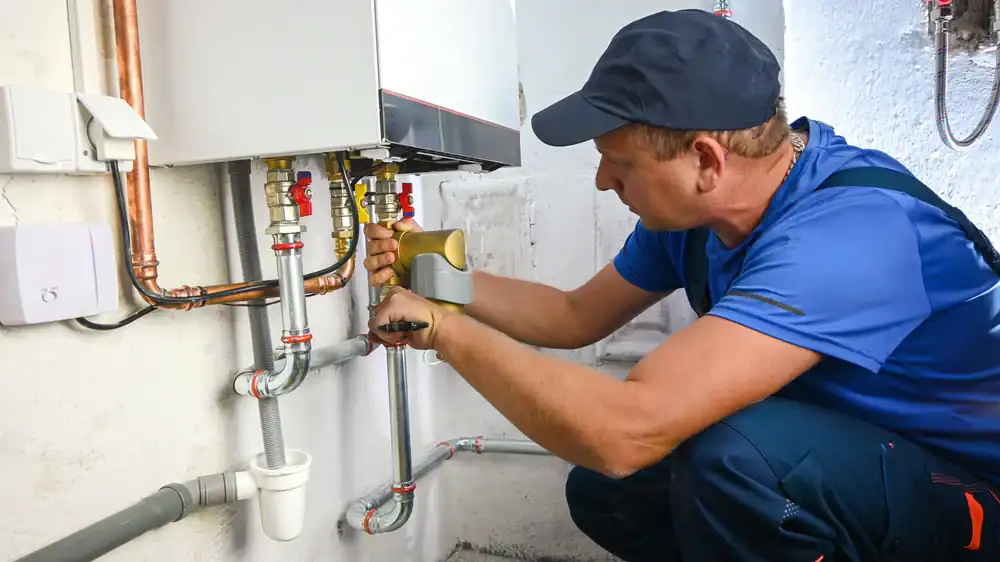
First, you call or message with your issue. We ask a few questions about your current unit—age, type, what’s going wrong. If it’s time for a replacement, we schedule a visit, often same-day if it’s urgent.
When we arrive, we assess your setup and talk through your options. Gas or electric. Standard tank or tankless. What makes sense for your household size, your space, and your budget. No upselling—just honest input based on what we’ve seen work in hundreds of Wilson homes.
Once you decide, we pull the permit, disconnect and remove the old unit, and install the new one. That includes any code updates Florida requires now—expansion tanks, new drain pans, proper venting, T&P relief lines routed outside. Everything gets tested and inspected before we leave.
You’ll have hot water again within hours, and the system will be built to last 10 to 15 years if it’s a standard tank, or 15 to 20 if you go tankless. We clean up, walk you through basic maintenance, and you’re done.
Ready to get started?
Every water heater replacement through us includes permit handling, code-compliant installation, and a full system test before we leave. You’re not paying extra for that—it’s standard.
We handle both gas and electric water heaters across Wilson and the surrounding Brevard County area. If your home has hard water issues—which most do around here—we’ll talk through options like water softeners or regular flushing schedules to extend the life of your new unit. Florida’s mineral-heavy water destroys heating elements faster than it should, and salt air near the coast accelerates corrosion on any exposed components.
You’ll also get a walkthrough on what to watch for down the road. Things like unusual noises, temperature fluctuations, or moisture around the base. Catching problems early saves you from emergency calls and water damage later.
If you’re upgrading to a tankless system, we’ll explain the difference in how it operates, what kind of maintenance it needs, and why the upfront cost pays off in lower energy bills over time. Tankless units last longer and take up way less space, but they’re not right for every situation. We’ll tell you straight if a standard tank makes more sense for your setup.
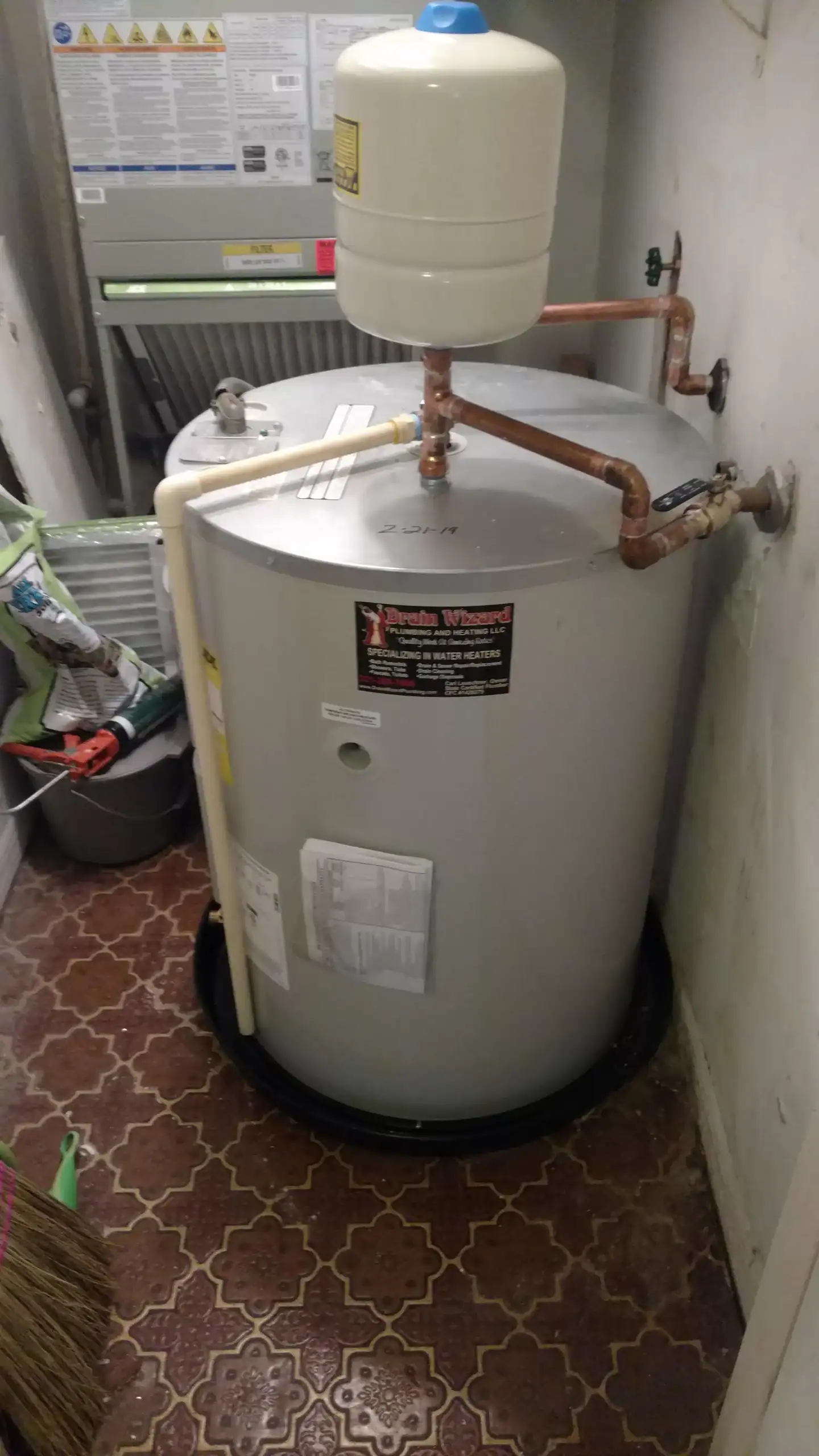
Most water heater replacements in Wilson run between $1,200 and $3,000 depending on the type of unit, whether it’s gas or electric, and what code updates your home needs to meet current Florida standards.
A basic 40 or 50-gallon electric tank replacement usually lands on the lower end if your setup is straightforward and doesn’t need major changes. Gas units cost a bit more because of venting requirements and gas line work. Tankless systems start higher but save money long-term through lower energy bills and longer lifespan.
The final price also depends on whether you need an expansion tank, new drain pan, updated T&P relief line, or other code-required upgrades. Florida building codes have gotten stricter over the years, so older homes often need a few extras during replacement to pass inspection. We’ll walk you through what’s required before starting work so there are no surprises.
Yes. Florida law requires a permit for water heater replacement in most cases, and the work has to be done by a licensed plumber. Once the installation is complete, it gets inspected by the county to make sure everything meets current code.
Skipping the permit might seem like a shortcut, but it creates problems later. If you ever sell your home, unpermitted work can kill a deal or force you to pay for a full reinstall. Insurance companies can also deny claims for water damage if they find out the water heater wasn’t installed to code.
The permit process isn’t complicated when you work with a licensed contractor. We pull the permit, handle the inspection, and make sure everything is documented properly. It adds a day or two to the timeline in some cases, but it protects you from liability and ensures the job is done right the first time.
Standard tank water heaters in Florida typically last 8 to 12 years. Tankless units can go 15 to 20 years or longer with proper maintenance. Florida’s hard water and coastal conditions shorten lifespan compared to other states, so you’re often on the lower end of that range.
Hard water causes mineral buildup inside the tank that insulates the heating elements and makes the system work harder. That leads to higher energy bills and faster wear. If you live near the coast, salt air accelerates rust and corrosion on any exposed metal components, especially if your unit is outdoors or in a garage.
Once your water heater hits the 10-year mark, you’re living on borrowed time. Repairs become more frequent and more expensive, and a catastrophic failure—like a tank rupture—can cause serious water damage. If your unit is approaching or past its expected lifespan, replacement is almost always the smarter move than trying to nurse it along.
If your water heater is over 10 years old and showing problems, replacement usually makes more sense than repair. The most common signs include inconsistent water temperature, rust-colored water, strange noises like popping or banging, and visible leaks around the base of the tank.
Leaks are the biggest red flag. If water is pooling around your unit, the tank itself is likely corroded from the inside out. That’s not repairable—you need a new water heater. Rust-colored water means the same thing: internal corrosion that’s only going to get worse.
Rising energy bills are another sign your unit is losing efficiency. As water heaters age, they have to work harder to produce the same amount of hot water, which drives up your utility costs. If you’ve noticed a steady increase in your bills without a clear reason, your water heater is probably the culprit. At that point, investing in a new, energy-efficient model will save you money in the long run.
It depends on your household size, budget, and how much space you have. Tankless water heaters cost more upfront but last longer, take up less space, and lower your energy bills. Traditional tank water heaters are cheaper to install and work fine for most families, but they run out of hot water faster if you have a busy household.
Tankless units heat water on demand, so you never run out during back-to-back showers or when the dishwasher and washing machine are running. They’re also more energy-efficient because they’re not constantly reheating a 40 or 50-gallon tank. That efficiency adds up over time, especially in Florida where your water heater runs year-round.
The downside is the higher installation cost and the fact that tankless systems sometimes require electrical upgrades or larger gas lines to handle the demand. If your home isn’t set up for it, those extras can push the price up significantly. For smaller households or homes with limited space, tankless makes a lot of sense. For larger families on a tighter budget, a high-efficiency tank unit might be the better call. We’ll walk through both options based on your specific situation.
Florida law requires a licensed plumber to replace your water heater, and the work has to be permitted and inspected. DIY water heater replacement isn’t legal here, and it’s not worth the risk even if you have some plumbing experience.
Water heaters involve gas lines or high-voltage electrical connections, water supply lines, pressure relief valves, and venting systems. One mistake can lead to gas leaks, electrical fires, flooding, or carbon monoxide poisoning. Even if you manage to install it without immediate problems, improper installation often leads to premature failure, voided warranties, and expensive repairs down the road.
Beyond the safety issues, unpermitted work creates serious problems when you sell your home or file an insurance claim. Buyers can walk away from a deal over unpermitted plumbing work, and insurance companies can deny water damage claims if they find out your water heater wasn’t installed to code. Hiring a licensed plumber costs more upfront, but it protects you legally, ensures the job is done right, and gives you peace of mind that your system will work safely for years.
Other Services we provide in Wilson