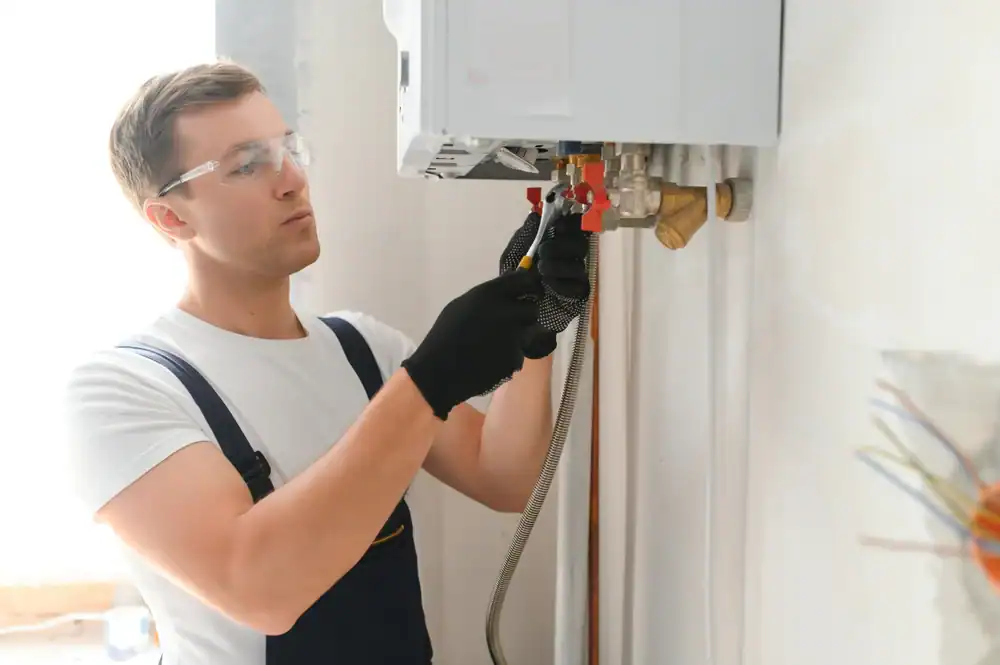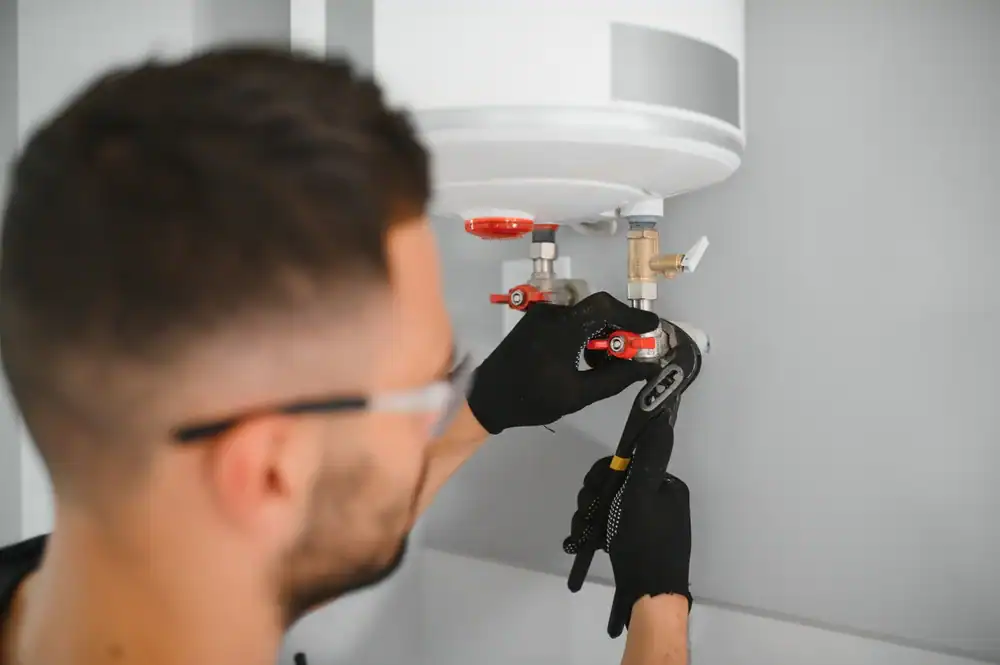
Not all water heaters handle Florida's climate the same way. Learn which high-efficiency systems save energy, last longer, and actually fit your household's needs.
Share:
Summary:
Every water heater has one job—deliver hot water when you need it. How they do that job determines how much energy they use, how long they last, and whether you’re getting value or just paying more each month.
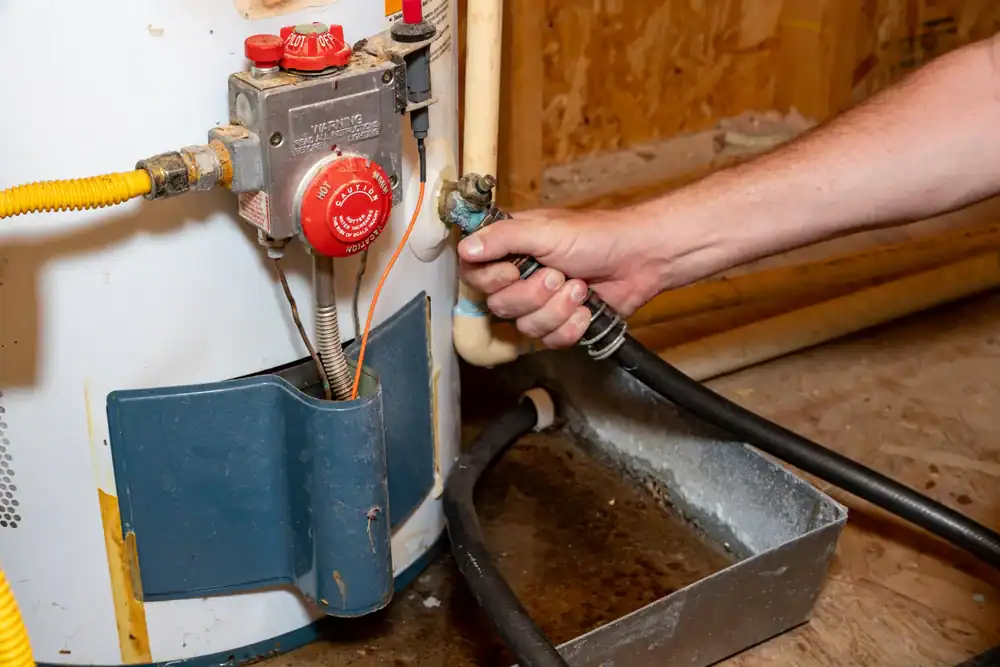
Traditional tank systems heat and store water until you use it. That means they’re constantly working to keep 40, 50, or 80 gallons hot, even when nobody’s home. Tankless systems flip that model—they heat water only as it flows through, on demand. Hybrid heat pump models pull heat from surrounding air and transfer it into stored water, using far less electricity than standard resistance heating.
Efficiency isn’t just a number on a sticker. In Brevard County, where your water heater runs year-round and battles mineral-heavy water, efficiency directly impacts your monthly bills and how often you’re calling for repairs. The higher the efficiency, the less energy wasted, and the more money stays in your pocket over the system’s lifespan.
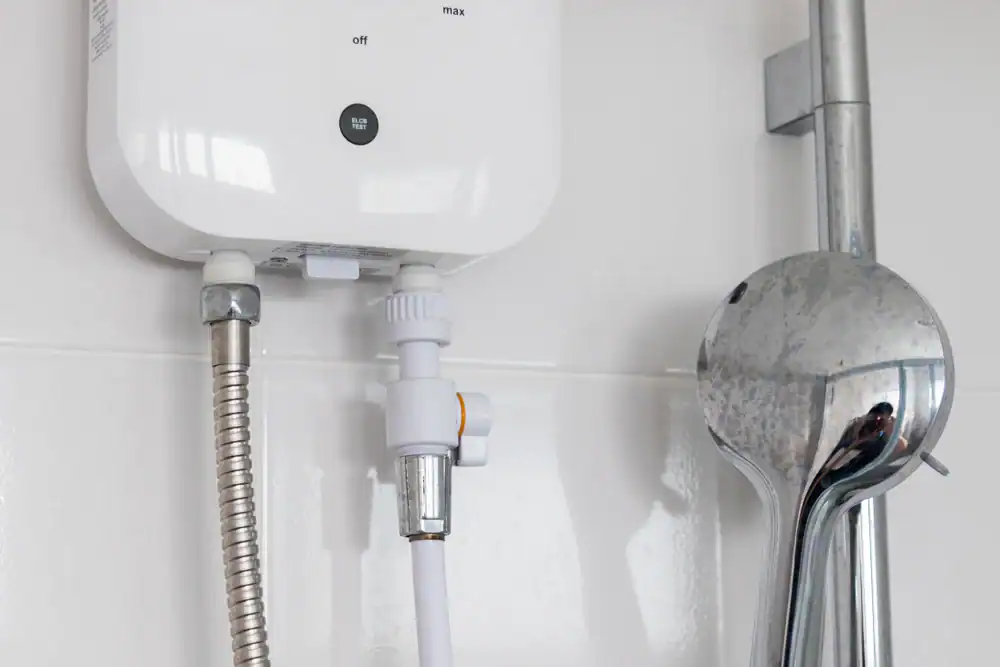
Tankless water heaters heat water instantly as it passes through the unit. No storage tank. No standby heat loss. You turn on the tap, and burners or electric coils fire up to deliver hot water at the temperature you’ve set.
For homes that use 41 gallons or less of hot water per day, tankless systems can be 24% to 34% more energy efficient than conventional storage tanks. Even for larger households using closer to 86 gallons daily, efficiency gains still hover around 8% to 14%. That translates to real savings—ENERGY STAR certified gas tankless models save an average of $95 per year compared to standard gas storage heaters, and over a 20-year lifespan, that’s $1,800 in your favor.
Tankless units are compact. Most mount on the wall and take up about as much space as a carry-on suitcase, freeing up floor area in your garage or utility room. They also last significantly longer than tank models—20 years or more with proper maintenance, compared to the 10 to 12 years you’d typically get from a traditional tank.
But they’re not perfect for every situation. If multiple people in your household regularly use hot water at the same time—say, someone’s in the shower while the dishwasher and washing machine are running—a single tankless unit might struggle to keep up. Flow rate matters. Most residential tankless heaters deliver between 2 and 5 gallons per minute, and in Florida where incoming groundwater can be warmer than northern states, that helps. Still, larger homes or families with high simultaneous demand may need multiple units or a larger whole-house model.
Installation costs run higher than tank replacements. Expect to pay between $1,400 and $3,900 installed, depending on whether you’re switching fuel types or need electrical or gas line upgrades. Gas-powered tankless systems require proper venting, and if you’re converting from electric, running a new gas line adds to the bill. Electric tankless models are simpler to install but demand significant amperage—sometimes requiring a panel upgrade to handle the load.
Maintenance is straightforward but necessary. Hard water in Brevard County accelerates mineral buildup inside the heat exchanger, so annual descaling with vinegar or a commercial solution keeps performance consistent and extends the unit’s life. Skip that step, and efficiency drops while the risk of failure climbs.
Hybrid water heaters combine a storage tank with heat pump technology. Instead of generating heat directly like a traditional electric water heater, they pull warmth from the surrounding air and transfer it into the water. Think of it as a refrigerator running in reverse—moving existing heat rather than creating it from scratch.
That process makes them exceptionally efficient. Heat pump water heaters can be two to three times more energy efficient than conventional electric resistance models. The EPA estimates a family of four can save approximately $550 per year with an ENERGY STAR rated heat pump water heater compared to a standard electric unit. Over the system’s 13- to 15-year lifespan, that’s serious money.
Upfront costs are higher—typically between $1,500 and $3,000 for the unit and installation. But federal tax credits soften that blow. The Energy Efficient Home Improvement Credit covers 30% of installation costs, up to $2,000, making the real cost much more manageable. Some states and utility companies also offer rebates that can further reduce what you pay out of pocket.
Hybrid systems need space. Because they rely on pulling heat from the air, they require adequate clearance and airflow—usually at least 1,000 cubic feet of surrounding space. A cramped closet won’t cut it. They work best in climate-controlled areas like a garage or utility room where ambient air temperature stays relatively stable. In Florida’s warm climate, that’s typically not an issue, and as a bonus, the unit dehumidifies and cools the air around it while it works.
One consideration: in winter months or cooler spaces, the heat pump has to work harder to extract warmth from colder air. Most hybrid models include electric resistance backup elements that kick in when demand spikes or temperatures drop, ensuring you never run out of hot water. But when those elements activate, efficiency dips closer to that of a standard electric heater.
Maintenance involves keeping air filters clean and checking the condensate drain periodically. Sediment from Florida’s hard water still settles in the tank, so annual flushing remains important. The anode rod should be inspected and replaced every few years, just like with traditional tanks.
Hybrid systems make the most sense if you’re currently using an electric water heater and want to cut operating costs without switching to gas. They’re also a strong choice if you have the space and want to take advantage of available rebates and tax incentives.
Want live answers?
Connect with a Drain Wizard Plumbing expert for fast, friendly support.
Choosing between electric and gas water heaters isn’t just about preference—it’s about what your home can support, what fuel costs in your area, and how you prioritize upfront investment versus long-term operating expenses.
Gas water heaters generally cost less to operate than electric models because natural gas tends to be cheaper per unit of energy than electricity in most areas. Gas heaters also recover faster, heating water more quickly after the tank depletes. If your home already has a gas line, sticking with gas usually makes financial sense. Installation costs for a standard gas tank water heater range from $1,000 to $2,700, depending on the size and whether any venting or gas line work is needed.
Electric water heaters have lower upfront costs—typically $600 to $1,500 installed for a basic tank model. They don’t require venting, which simplifies installation, and they work in homes without gas access. But electricity costs more to run over time, so while you save initially, monthly bills tend to be higher. That gap narrows if you opt for a high-efficiency electric model or a hybrid heat pump system.
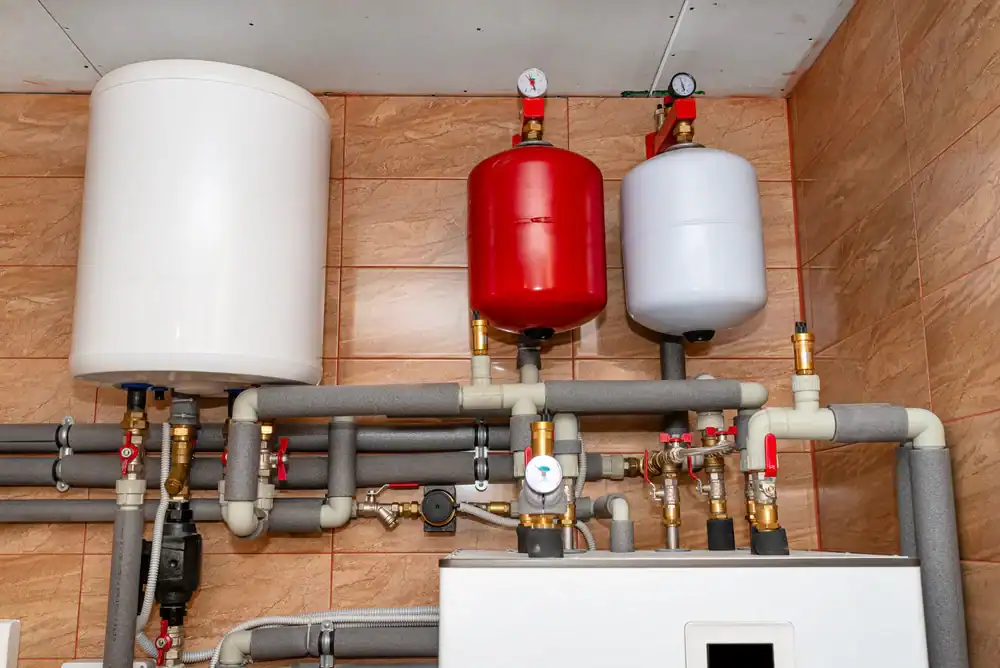
Installing a gas water heater requires more than just connecting water lines. You need proper venting to safely exhaust combustion gases, and the gas supply line must be sized correctly to deliver adequate fuel to the burner.
If you’re replacing an existing gas unit with a similar model, installation is usually straightforward. We disconnect the old unit, haul it away, set the new one in place, connect the gas and water lines, and ensure the venting is secure and up to code. That process typically takes a few hours.
Complications arise if you’re switching from electric to gas, upgrading to a larger unit that needs a bigger gas line, or installing a tankless gas system that demands higher BTU input. Running a new gas line can add significantly to your project cost. Venting modifications—especially for power-vented models that use a fan to push exhaust gases out—can require additional work as well.
Florida building codes require proper venting and carbon monoxide safety measures. Gas water heaters must be installed by licensed professionals who understand local regulations and can ensure the system operates safely. Cutting corners or attempting a DIY install isn’t just risky—it can void warranties, fail inspections, and create serious safety hazards.
Gas tankless systems require even more attention. Their burners operate at much higher capacities than traditional tank models—often 140,000 to 199,000 BTU/hr compared to 40,000 BTU/hr for a standard tank. That means your existing gas line might not be sufficient, and upgrades become necessary. Direct venting is mandatory, and in retrofit situations, finding the right path for venting can be tricky and expensive.
Maintenance on gas systems includes checking the pilot light or ignition system, inspecting the burner and flame, and ensuring the venting remains clear and intact. Sediment flushing is just as important for gas tanks as it is for electric. In Brevard County’s hard water environment, mineral buildup happens fast, and it affects gas heaters just as much as electric ones.
One advantage of gas: if the power goes out, most traditional gas water heaters with standing pilot lights continue to function. Tankless gas models and those with electronic ignition systems won’t work without electricity, but a simple battery backup or generator can keep them running.
Not all electric water heaters are built the same. Brand reputation, warranty length, and specific features make a difference in how long your system lasts and how well it performs.
Rheem and A.O. Smith consistently rank among the most reliable electric water heater brands. Both offer a range of tank and tankless models, many with ENERGY STAR certification and smart features like Wi-Fi connectivity for remote monitoring. Rheem’s Performance Platinum series is known for energy-efficient operation and fast recovery rates, while A.O. Smith’s Signature Premier line delivers strong performance and comes with 12-year warranties on many models.
Bradford White is another name that comes up frequently among professional plumbers. Their units are built for durability and aren’t sold through big-box stores, which means you’re working with a plumbing supplier or contractor who knows the product. That often translates to better installation and service.
For tankless electric options, Stiebel Eltron and EcoSmart are solid choices. Stiebel Eltron’s Tempra series offers 99% efficiency ratings, silent operation, and advanced flow control that prevents temperature fluctuations during use. EcoSmart models are more budget-friendly, compact, and self-modulating, adjusting energy use based on demand.
When comparing brands, look beyond the sticker price. Check the warranty—longer coverage usually signals manufacturer confidence in the product. A 6-year warranty is standard, but 10- to 12-year options exist and are worth the small upfront premium. Also consider the first-hour rating (FHR) for tank models. This tells you how much hot water the heater can deliver in the first hour of peak use, which matters more than tank size alone for determining if the unit fits your household’s needs.
Energy factor (EF) or uniform energy factor (UEF) ratings indicate efficiency. Higher numbers mean better performance and lower operating costs. For electric resistance tank heaters, look for UEF ratings of 0.90 or above. Heat pump models should hit 3.0 or higher. Tankless electric units often reach 0.98 to 0.99, meaning almost all the energy you pay for goes directly into heating water.
In Florida, where hard water is the norm, consider models with features designed to combat sediment buildup. Some units include self-cleaning mechanisms or enhanced anode rods that slow corrosion and extend tank life. These features cost a bit more upfront but can add years to your water heater’s lifespan and reduce maintenance headaches.
Installation requirements vary by model. Standard electric tanks plug into existing circuits, but high-capacity or tankless units may need dedicated 240-volt circuits and upgraded breaker panels. Make sure your electrician evaluates your home’s capacity before committing to a specific model. Mismatched electrical systems lead to poor performance, tripped breakers, and potential safety issues.
Finally, don’t overlook local availability and service networks. Choosing a brand with strong support in Brevard County means faster access to parts and qualified technicians if something goes wrong. National brands like Rheem and A.O. Smith have widespread service networks, but regional favorites or contractor-preferred brands often deliver better local support.
The best water heater for your home depends on your household size, hot water usage patterns, budget, and whether you prioritize upfront savings or long-term efficiency. Tankless systems offer endless hot water and the longest lifespan but come with higher installation costs. Hybrid heat pumps deliver the best energy savings if you have the space and want to cut operating expenses. Traditional tanks remain the most affordable upfront and work well for straightforward replacements.
Florida’s climate adds complexity—hard water, humidity, and year-round demand mean your system works harder and faces more wear than in other parts of the country. Choosing a high-efficiency model and pairing it with professional installation that accounts for local water quality and building codes makes a measurable difference in performance and longevity.
If you’re weighing options and want guidance that’s specific to Brevard County, we bring local expertise and decades of experience to the table. We understand what works here, what doesn’t, and how to match the right system to your home without overselling or cutting corners.
Article details:
Share:
Continue learning: