Learn how Brevard County homeowners are cutting water heater repair costs by up to 30% through simple maintenance and smart decision-making strategies.
Share:
Summary:
The difference between a water heater that lasts 8 years and one that lasts 15 years often comes down to maintenance. It’s not complicated, and it doesn’t require expensive service calls every month. What it does require is attention to a few critical tasks that prevent the most common causes of failure.
Most water heaters fail prematurely because of sediment buildup, corrosion, or component wear that could have been caught early. When you stay on top of basic maintenance, you’re not just extending your unit’s life. You’re avoiding the $300 to $600 emergency repair calls that happen when small problems turn into big ones.
Think of it this way: spending $200 on annual maintenance beats spending $1,600 to $5,500 on a premature replacement. The math works in your favor every time.
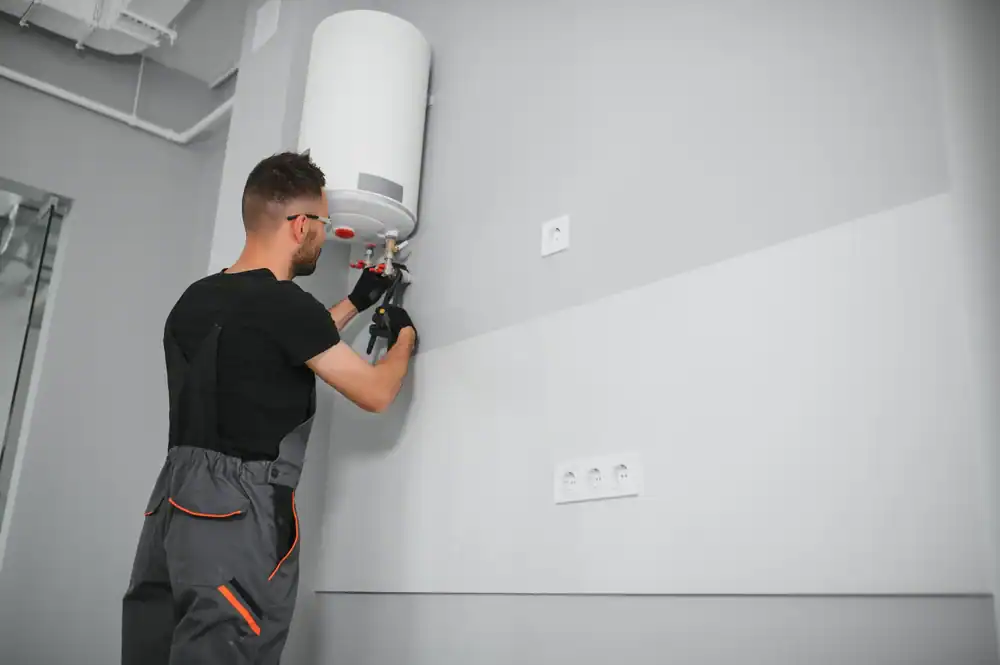
Flushing your water heater tank is the single most important maintenance task you can do. Here in Brevard County, our water contains minerals that settle at the bottom of your tank over time. Calcium, magnesium, and other deposits form a layer of sediment that causes multiple problems.
First, sediment acts as an insulator between your heating element and the water. Your unit has to work harder and longer to heat the same amount of water, which drives up your energy bills by 20-30%. Second, that sediment layer traps water underneath it. When that trapped water heats up, it creates steam bubbles that cause the popping and rumbling noises you might hear. More importantly, it accelerates corrosion of your tank’s interior.
Third, sediment takes up space. If you have a 40-gallon tank with 10 gallons of sediment, you now have a 30-gallon tank. You run out of hot water faster, and the unit cycles more frequently, wearing out components quicker.
Flushing removes this sediment before it causes damage. For most Brevard County homes, annual flushing is sufficient. If you have particularly hard water or notice your water heater working harder than usual, flushing twice a year makes sense. The process involves draining the tank completely, then running fresh water through it until the water runs clear.
You can flush a water heater yourself if you’re comfortable with the process, but many homeowners prefer having a professional handle it. We can flush the tank thoroughly while also inspecting other components like the anode rod, checking for early signs of corrosion, and testing the pressure relief valve. That comprehensive approach catches problems before they become expensive repairs.
Not all maintenance tasks deliver equal value. Some make a real difference in preventing repairs, while others are nice to do but won’t dramatically impact your costs. Let’s focus on what actually matters for your wallet.
Check your anode rod every two to three years. This metal rod inside your tank attracts corrosive elements that would otherwise eat away at your tank’s lining. Once the anode rod is more than 50% corroded, it needs replacement. A $50 anode rod replacement can add years to your tank’s life. Skip this task, and you’re looking at tank failure and a full replacement years earlier than necessary.
Test your temperature and pressure relief valve annually. This safety device prevents your tank from over-pressurizing, which could lead to catastrophic failure. Simply lift the lever to ensure water flows freely, then release it. If water doesn’t flow or the valve leaks afterward, replacement is needed. This $150-$200 repair prevents a potential $3,000+ disaster.
Set your thermostat to 120°F. Most water heaters come set to 140°F from the factory, which is hotter than necessary and costs you money every month. At 120°F, you prevent scalding while reducing energy consumption. For every 10 degrees you lower the temperature, you save up to 5% on water heating costs. That adds up over a year.
Insulate your tank and exposed hot water pipes. An insulation blanket reduces heat loss by 25-45%, leading to lower energy bills and less wear on your heating elements. This one-time investment of $20-$40 pays for itself within a year through energy savings.
Look for leaks monthly. A quick visual inspection of your water heater and surrounding area takes two minutes. Catching a small leak early might mean a $100 valve replacement instead of a $4,000 water damage repair and full unit replacement. Look for pooling water, rust spots, or moisture around connections and the base of the tank.
Keep the area around your water heater clear. Good ventilation prevents condensation issues and reduces fire risk. It also makes it easier to spot problems early and gives technicians easy access when service is needed.
Want live answers?
Connect with a Drain Wizard Plumbing expert for fast, friendly support.
Catching problems early is the difference between a $200 repair and a $2,000 emergency. Your water heater gives you warning signs before it fails completely. The key is knowing what to look for and acting quickly when you spot something off.
Strange noises like popping, rumbling, or banging indicate sediment buildup. The sooner you address it, the less damage occurs to your tank and components. Rust-colored or cloudy water suggests corrosion inside your tank or sediment contamination. Both require immediate attention.
Temperature fluctuations mean your thermostat or heating elements are struggling. Water that’s too hot or not hot enough signals a problem that will only get worse. Running out of hot water faster than usual points to sediment taking up tank space or a failing heating element.
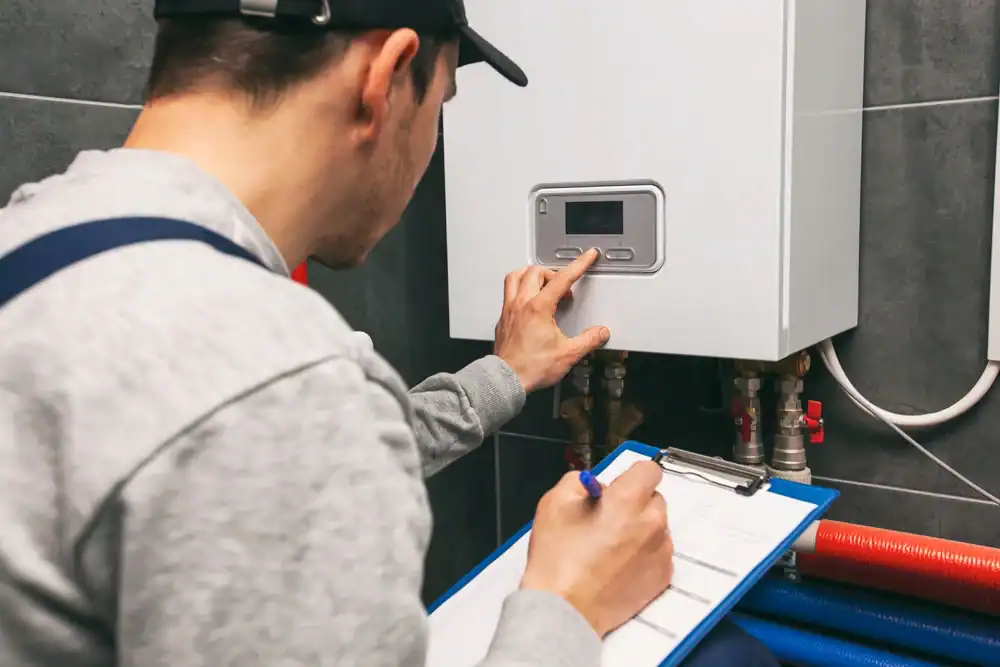
Not all leaks are created equal, and understanding the difference saves you from making costly mistakes. Some leaks are simple fixes that cost under $200. Others mean your water heater has reached the end of its useful life.
Leaks from connections at the top of your tank are usually fixable. Loose pipe fittings can be tightened, and faulty valves can be replaced. If your temperature and pressure relief valve is leaking, it might just need replacement, which runs $150-$200. If your drain valve at the bottom of the tank is leaking, that’s another straightforward repair.
However, if water is leaking from the tank itself, replacement is your only option. Tank leaks indicate internal corrosion that has eaten through the tank’s lining and steel shell. There’s no reliable way to repair a corroded tank. Attempting temporary fixes with epoxy or sealants only delays the inevitable while risking water damage to your home.
Here’s how to tell the difference: dry off your water heater completely and the area around it. Wait a few hours and check again. If you see water coming from pipe connections, valves, or the drain spigot, those are repairable. If water is seeping from the tank body itself or pooling underneath with no clear source from connections, your tank has failed.
Age matters too. If your water heater is 10-15 years old and developing leaks, replacement often makes more financial sense than repair. Even if the current leak is fixable, an aging unit is likely to develop additional problems soon. You’ll end up paying for multiple repairs on a system nearing the end of its lifespan anyway.
For Brevard County homeowners, the decision gets easier when you consider that newer water heaters are significantly more energy-efficient. A new unit might cost $1,600-$3,000 installed, but it could save you $200-$300 annually on energy costs compared to an older, inefficient model. Over its lifespan, those savings add up to thousands of dollars.
If you have a gas water heater, pilot light issues and thermostat problems are among the most common repair calls. Understanding these issues helps you determine what you can handle yourself and when professional help is needed.
A pilot light that won’t stay lit usually indicates a problem with your thermocouple. This safety device detects whether the pilot flame is burning and allows gas to flow. When it’s dirty, bent, or faulty, it shuts off the gas supply even when the pilot is lit. Cleaning or replacing a thermocouple costs $100-$325 and is a straightforward repair.
Sometimes the pilot orifice gets clogged with dirt and debris, restricting gas flow. The flame becomes weak and easily extinguishes itself. Cleaning the orifice with compressed air or a small brush often solves the problem. If you’re comfortable following your water heater’s lighting instructions, this is something you can handle.
Gas supply issues also prevent pilot lights from staying lit. Check that your gas valve is fully open. If other gas appliances in your home aren’t working either, contact your gas provider. A kinked or damaged flex tube connecting your burner can restrict gas flow enough to cause problems while still allowing some gas through.
For hot water heater thermostat issues, symptoms vary depending on which thermostat is malfunctioning. Electric water heaters typically have two thermostats – an upper and a lower. No hot water at all usually means the upper thermostat has failed. Water that’s hot but runs out quickly points to a lower thermostat problem. Water that’s too hot or temperature that fluctuates indicates thermostat calibration issues or failure.
Thermostat replacement costs $150-$200 for parts and labor. However, if your water heater is older and you’re experiencing thermostat problems along with other issues, consider the bigger picture. Multiple component failures on an aging unit often signal it’s time for replacement rather than continuing to repair individual parts.
One often-overlooked thermostat issue is simply having it set incorrectly. Before assuming your thermostat is broken, verify it’s set to 120°F. If you can’t adjust the temperature or the dial doesn’t change the water temperature, then you likely need a replacement thermostat.
For safety reasons, if you smell gas around your water heater or suspect any gas-related issue, shut off the gas supply immediately and call a professional. Gas leaks are dangerous and require expert handling. Similarly, electric water heater repairs involving live wiring should be left to licensed professionals to avoid electrocution risk.
Reducing your annual water heater repair costs isn’t about cutting corners or ignoring problems. It’s about being proactive, catching issues early, and making informed decisions about repair versus replacement. Regular maintenance, especially annual flushing, prevents the majority of expensive failures. Knowing the warning signs helps you address problems while they’re still minor and affordable to fix.
The homeowners who spend the least on water heater repairs over time are the ones who invest in preventative maintenance and work with experienced professionals who provide honest assessments. When you understand what’s normal wear versus what requires immediate attention, you make better decisions that protect both your wallet and your home.
At Drain Wizard Plumbing & Rooter Service, we bring over 40 years of combined experience and local knowledge of the unique challenges here in Brevard County. Whether you need routine maintenance, diagnostic help, or guidance on repair versus replacement decisions, we’re here to help keep your costs manageable and your hot water flowing reliably.
Article details:
Share:
Continue learning: