Heat pump water heaters offer Brevard County homeowners major electricity savings, federal tax credits up to $2,000, and efficiency perfectly matched to Florida's warm climate.
Share:
Summary:
Heat pump water heaters don’t generate heat the way traditional electric models do. Instead, they move heat from one place to another—specifically, they pull warmth from the air around them and transfer it into your water tank. Think of it like a refrigerator working in reverse.
This process uses significantly less electricity because you’re not creating heat from scratch. You’re capturing heat that already exists in your garage, utility room, or wherever the unit sits. In Florida’s consistently warm climate, there’s always plenty of ambient heat available, which is exactly why these systems perform so well here.
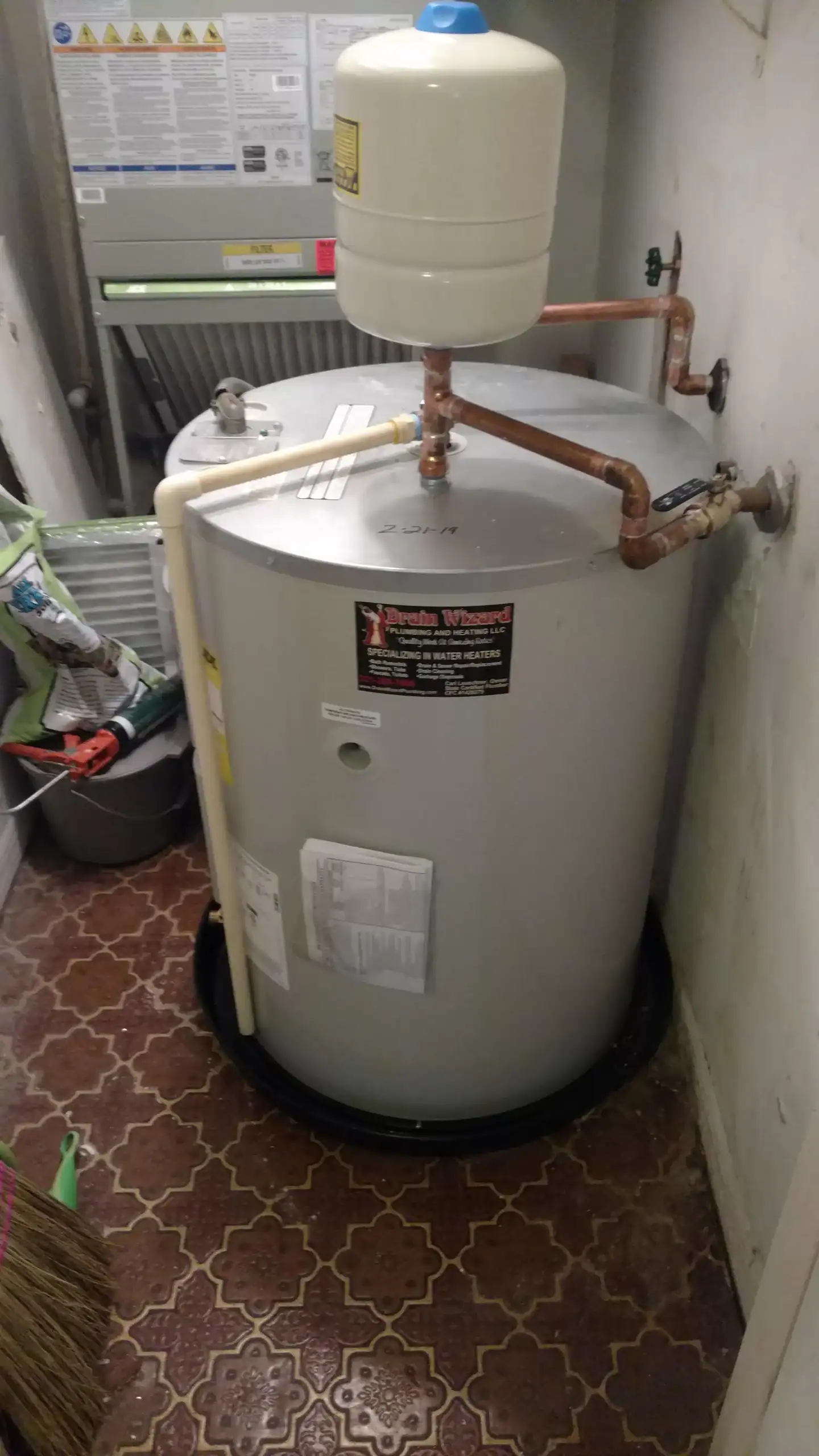
The unit includes a standard tank for water storage, plus a heat pump mechanism on top. During periods of high demand, it can switch to standard electric heating as a backup. That’s why they’re often called hybrid water heaters—they give you the efficiency of heat pump technology with the reliability of electric resistance heating when you need it.
Location matters more than most people realize when it comes to heat pump efficiency. These systems pull heat from surrounding air, so the warmer that air is, the less work the system does to heat your water. Brevard County’s average temperatures stay between 70-85°F year-round, which puts heat pumps in their sweet spot for performance.
In Florida, your water coming into the house is already warmer than it would be up north—typically around 77-80°F. That means your heat pump only needs to raise the temperature about 30-40 degrees to reach the standard 120°F setting. Less temperature change means less energy consumed and lower operating costs.
There’s another benefit specific to our humid climate. Heat pump water heaters naturally dehumidify the space where they’re installed. They pull moisture out of the air as part of the heating process, then exhaust cooler, drier air back into the room. If your unit sits in a garage or utility room, you’re getting free dehumidification along with hot water. In Florida’s humidity, that’s not a small thing.
The combination of warm incoming water, consistent ambient temperatures, and built-in dehumidification means these systems operate at peak efficiency here. The same unit installed in Minnesota would work harder and cost more to run. In Brevard County, it’s working with every advantage.
Standard electric water heaters are simple and cheap to install, which is why they’re still common. But they’re expensive to operate. These units use electric resistance heating—basically giant heating elements that get hot and warm up the water. It’s direct, straightforward, and inefficient.
Heat pumps can operate at 2-3 times the efficiency of standard electric models. Some high-efficiency units hit 370% efficiency ratings, meaning they produce more than three units of heat energy for every unit of electricity consumed. A standard electric water heater maxes out around 95-100% efficiency. The difference shows up immediately on your utility bill.
Average savings run between $470 and $600 per year for most households. That’s real money—$40 to $50 less on your electric bill every single month. Over a 10-year lifespan, you’re looking at $4,700 to $6,000 in total savings compared to keeping an old electric tank.
The upfront cost is higher. A standard 50-gallon electric water heater might run $500-$800 for the unit itself, while a heat pump model costs $1,500-$2,500. Installation adds labor costs either way. But when you factor in the federal tax credit (up to $2,000 right now), plus the monthly savings, the payback period typically falls between three and seven years. After that, you’re just saving money every month for the rest of the unit’s life.
If your current electric water heater is eight years old or more, replacing it with a heat pump model makes financial sense. You’re going to need a new water heater soon anyway. Choosing the more efficient option costs more upfront but pays you back through lower bills for years to come.
Want live answers?
Connect with a Drain Wizard Plumbing expert for fast, friendly support.
Right now, ENERGY STAR certified heat pump water heaters qualify for a federal tax credit worth 30% of the project cost, capped at $2,000. This isn’t a rebate or a discount—it’s a credit that reduces your federal income tax liability when you file your return.
The credit covers both equipment and installation costs. If your total project runs $7,000, you’d get the full $2,000 credit. If it’s less, you get 30% of whatever you spent. The credit applies to installations completed through December 31, 2025. After that date, it expires.
This timeline matters because it creates a real deadline. If you’ve been thinking about water heater replacement but haven’t pulled the trigger, waiting past 2025 means leaving money on the table. The $2,000 credit can cover a significant chunk of the upfront cost difference between a heat pump model and a standard electric unit.
Claiming the credit is straightforward if you keep the right paperwork. You’ll need your receipt showing the total cost of equipment and installation, plus documentation that your unit is ENERGY STAR certified. Most manufacturers provide a certification statement you can download from their website or receive with your purchase.
When you file your 2025 taxes (in early 2026), you’ll complete IRS Form 5695 and attach it to your return. The form asks for basic information about the equipment, the date it was installed, and the total cost. Your tax preparer can handle this, or you can file it yourself if you’re comfortable with tax forms.
One important note: the credit is nonrefundable, which means it can reduce your tax liability to zero but won’t generate a refund beyond that. If you owe $1,500 in federal taxes and claim a $2,000 credit, you’ll owe nothing—but you won’t get a $500 check. Most homeowners still benefit significantly, but it’s worth understanding how the credit works before you count on a specific dollar amount.
You should also check whether your local utility offers additional rebates. Some Florida utilities provide $300-$500 rebates on top of the federal credit. JEA in Jacksonville offers up to $350, and Orlando Utilities Commission offers $500. Brevard County residents should check with their specific utility provider to see what’s available. These rebates are separate from the federal tax credit and can be combined to reduce your out-of-pocket costs even further.
The key is timing. Your water heater must be purchased and installed by December 31, 2025 to qualify. If you’re already thinking about replacement, acting before the deadline makes financial sense.
Once 2025 ends, the federal incentive disappears. Heat pump water heaters will still save you money through lower operating costs, but you’ll be paying the full upfront price without the $2,000 credit to offset it.
That changes the math on payback periods. Instead of three to five years, you might be looking at seven to ten years before the energy savings cover the higher initial investment. The system still makes sense long-term, but the financial case becomes less compelling without the tax credit helping with upfront costs.
This is why homeowners who already know they need water heater replacement soon should consider acting in 2025. You’re going to spend the money either way. The question is whether you spend it with a $2,000 credit or without one.
Some people wait until their water heater completely fails before replacing it. That’s understandable—why fix what isn’t broken? But if your current unit is eight years old or older, it’s already past the average lifespan for water heaters in Florida. Hard water, constant use, and our humid climate all accelerate wear. Replacing it proactively, while the tax credit is still available, beats waiting for an emergency replacement after the incentive expires.
Installation schedules also fill up as deadlines approach. If everyone waits until November or December 2025, you might struggle to find availability. Planning ahead gives you more control over timing and ensures you don’t miss the deadline because contractors are booked solid.
Heat pump water heaters aren’t the right fit for every situation, but they work exceptionally well in Florida. If you’re replacing an electric water heater, have adequate space for the unit (garages and utility rooms typically work fine), and plan to stay in your home long enough to benefit from the energy savings, they’re worth serious consideration.
The combination of lower operating costs, federal tax credits, and Florida’s ideal climate creates a strong case for choosing heat pump technology. You’ll spend more upfront, but you’ll save money every month for years. The $2,000 tax credit available through 2025 helps bridge that gap and shortens the payback period significantly.
If you’re ready to explore your options for water heater replacement in Brevard County, FL, we can walk you through what makes sense for your specific situation. We’ll assess your space, explain your choices, and help you understand the real costs and savings involved—without pushing you toward something that doesn’t fit your needs.
Article details:
Share:
Continue learning: