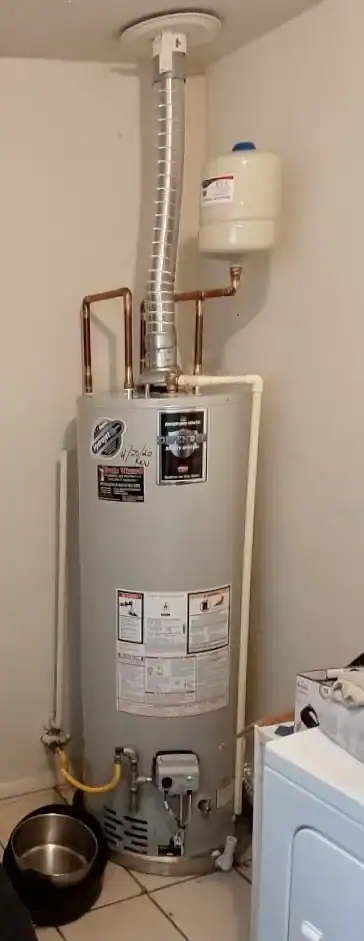
Your water heater just failed, or you’re finally upgrading to something more efficient. Either way, you’ve got an installation scheduled. Before that plumber shows up, there’s one thing you absolutely need to know: where your main water shut-off valve is and how to operate it. Not knowing this can turn a routine installation into a stressful scramble if something goes wrong. This guide walks you through finding your shut-off valve in Brevard County homes, explains why it matters for water heater installation, and covers what to do when that valve is nowhere to be found.
Why Your Main Water Shut-Off Valve Matters During Water Heater Installation
Water heater installation isn’t just about swapping one unit for another. It involves disconnecting water lines, draining the old tank, and connecting new supply lines—all while water pressure sits ready to flood your garage or utility room if something goes sideways. Your main water shut-off valve is the emergency brake for your entire plumbing system.
Knowing where it is before installation day means you can act fast if a connection leaks during the process or if you need to cut water flow for any reason. It also shows your plumber you’re prepared, which sets a better tone for the whole project. Most importantly, it protects your home from water damage that could cost thousands more than the installation itself.
Main Water Line Location in Different Florida Home Styles
Florida homes are built differently than homes up north, and that affects where your main water line enters your house. Because we don’t deal with freezing temperatures, builders have more flexibility in valve placement. That’s good for construction, but it can make finding the valve harder if you’ve never looked for it before.
In most Brevard County homes, the main water line enters somewhere along the front of the property—usually the side facing the street. That’s where the municipal supply connects. From there, the line runs into your home, and somewhere along that path, there’s a shut-off valve. Sometimes two.
Homes built on slab foundations often have the shut-off valve inside, near the water heater or in the garage. If your home has a crawlspace, the valve might be down there, which isn’t always convenient but makes sense from a plumbing standpoint. Older homes might have the valve outside, near an exterior wall or hose bib, especially if they were built before certain code updates.
The key is understanding your home’s age and foundation type. A 1970s slab home in Rockledge will have a different setup than a 2010 build in Merritt Island. And if you’re in a coastal area where salt air and humidity accelerate corrosion, that valve might be harder to turn than it should be, even if you find it.
How Water Heater Installation Projects Rely on Proper Shut-Off Access
During a water heater installation, your plumber will shut off water flow to prevent flooding while they disconnect the old unit and connect the new one. Most of the time, they’ll use a dedicated shut-off valve right at the water heater itself—a small valve on the cold water supply line a few inches above the unit.
But here’s the thing: not every home has that dedicated valve, and even when it exists, it might not work properly. Valves that haven’t been turned in years can seize up, leak, or break when you try to operate them. That’s when the main shut-off becomes critical.
If the water heater valve fails or doesn’t exist, the plumber needs to shut off water to the entire house using the main valve. And if there’s an unexpected leak during installation—maybe an old pipe cracks when it’s disturbed, or a fitting doesn’t seal right—you need that main valve accessible and functional. Fast.
This is especially true in Brevard County, where older homes might have galvanized pipes or connections that have corroded over time. Coastal humidity and salty air don’t do plumbing any favors. A pipe that looks fine on the outside might be brittle on the inside, and the stress of installation work can expose that weakness. Having a working main shut-off valve is your insurance policy.
It’s also worth knowing that if your installation involves any modifications—like moving the water heater to a new location or upgrading from a tank to a tankless unit—we’ll almost certainly need to use the main shut-off. The more you know about where it is and how it works, the smoother the whole process goes.
How Do I Find the Water Main in My House?
This is the question most Florida homeowners ask when they’re preparing for any plumbing work, and the answer depends on how your home was built. Start by checking the most common locations based on your foundation type and the age of your house. If you’ve got a slab foundation, head to the garage or the area near your water heater. Look for a valve on the wall where the main water line enters.
If your home has a crawlspace, grab a flashlight and check near the front wall, close to where the water line comes in from the street. You’re looking for a valve with either a round wheel handle or a lever-style ball valve. For homes with the valve outside, check near an exterior hose bib or look for a covered box in the ground near your property line.
Finding the Main Water Line in Brevard County Homes Built in Different Eras
Brevard County’s building practices have shifted over the decades, which means the location of your main shut-off valve often depends on when your home was built. Homes from the 1960s and 70s frequently have outdoor valves, either mounted on an exterior wall near a hose connection or buried in a ground-level utility box near the street. These outdoor setups made sense in Florida’s climate and were common before modern building codes pushed more plumbing inside.
If your home was built in the 80s or 90s, especially on a slab foundation, the shut-off valve is more likely to be in the garage or near the water heater inside the house. Builders started placing valves in more accessible indoor locations during this era, which made maintenance easier but also meant homeowners had to know where to look inside their own homes.
Newer construction—anything from the 2000s onward—tends to follow stricter code requirements, and you’ll usually find the main shut-off valve in a utility room, near the water heater, or sometimes in a dedicated plumbing closet. These homes might also have a secondary shut-off outside, near the water meter, which is controlled by the utility company but can sometimes be operated by the homeowner in an emergency.
Coastal homes in areas like Merritt Island, Cocoa Beach, or Satellite Beach sometimes have valves placed to minimize exposure to salt air, which corrodes metal fittings faster. If your home is near the water, check inside first before assuming the valve is outside. And if you’re in an older neighborhood where homes have been remodeled or re-piped, the valve location might not match the original build. Previous owners or plumbers may have moved it during upgrades.
One more thing: if you live in a community with a homeowners association or a planned development, there might be documentation from the builder that shows your plumbing layout. It’s worth checking your closing documents or reaching out to the HOA if you’re stuck. Sometimes that paperwork includes a diagram that takes the guesswork out of finding the valve.
Don’t forget to check your property inspection report if you still have it from when you purchased the home. Most inspectors document the location of the main water shut-off valve, and that information can save you time. If you can’t find your inspection report, consider scheduling a quick plumbing inspection before your water heater installation. We’re familiar with Brevard County homes and can identify the valve location and test it to make sure it’s working properly.
What to Look for When You Find the Main Water Line in Your House
When you’re hunting for your main water shut-off valve, you’re looking for one of two types: a gate valve or a ball valve. A gate valve has a round wheel handle, similar to an outdoor faucet, and you turn it clockwise to shut off the water. It might take several full rotations to close completely. These are more common in older homes and can be harder to operate if they haven’t been used in years.
A ball valve has a lever handle and only requires a quarter turn to shut off the water. When the lever is parallel to the pipe, water is flowing. When it’s perpendicular, the water is off. Ball valves are more reliable and easier to use, which is why they’re standard in newer construction. If you find a ball valve, consider yourself lucky—it’s less likely to fail when you need it.
The valve itself will be connected to a pipe that’s larger than the ones feeding your sinks or toilets. This is your main water line, and it’s usually three-quarters of an inch to one inch in diameter. Follow that pipe from where it enters your home, and you should find the shut-off valve within a few feet of the entry point.
If you’re checking outside, look for a rectangular or round cover in the ground, often marked “water” or “meter.” You might need a flat tool like a screwdriver to pry the lid open. Inside, you’ll see the water meter and, typically, two valves—one on each side of the meter. The valve closest to your house is the one you’d use to shut off water. The other one belongs to the utility company.
Keep in mind that outdoor valves, especially in ground boxes, can fill with dirt, sand, or even insects over time. If you open the box and find it full of debris, you might need to clear it out before you can even see the valve. And if the valve is corroded or covered in rust, don’t force it. A stuck valve can break, and then you’ve got a bigger problem than a water heater installation.
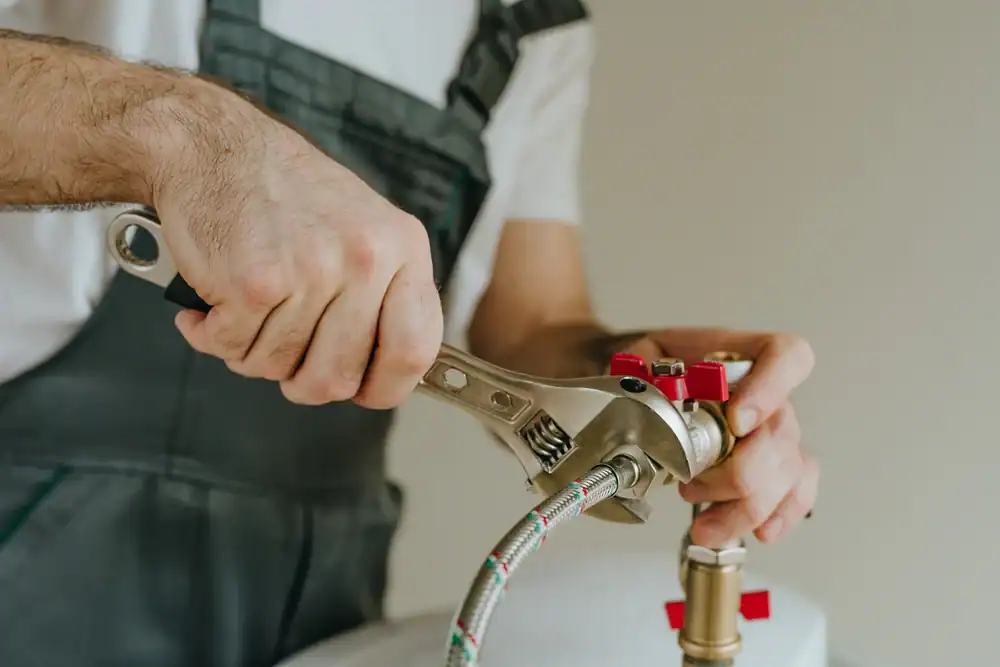
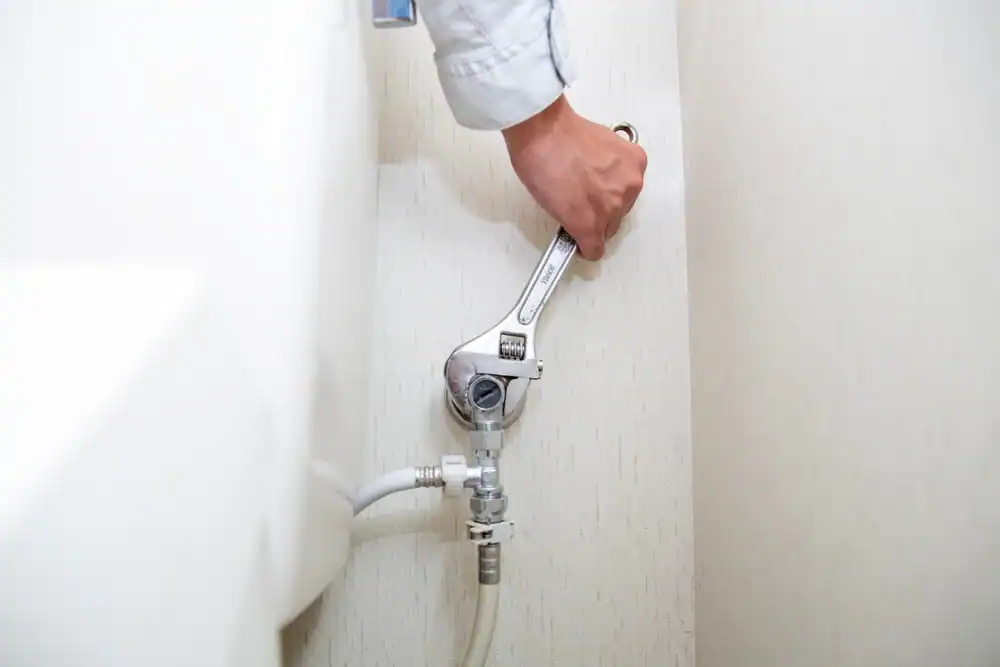
Once you locate the valve, test it. Turn it clockwise slowly to see if it moves. If it’s stiff, you might need a pair of pliers or channel locks for better grip, but don’t force it to the point of breaking. If the valve won’t budge or if water starts leaking from around the handle when you try to turn it, that’s a sign the valve needs to be replaced before your water heater installation. It’s better to discover this now than on installation day when your plumber needs it to work.
Can’t Find My Main Water Shut-Off Valve: What to Do Next
If you’ve checked all the common locations and still can’t find your main water shut-off valve, don’t panic. Start by calling your local water utility company. They can tell you where the water meter is located on your property, and the main shut-off valve is usually close to it. Some utility companies even keep records of where shut-off valves are located in different neighborhoods.
Another option is to reach out to us. With 45 years of experience in the area, we’ve seen every type of home construction and know where builders tucked away shut-off valves in different eras. We can usually locate the valve in minutes and test it to make sure it’s functional. This small service call can save you a lot of stress when it’s time for your water heater installation.
If your home has been remodeled or if previous owners made plumbing changes, the valve might be in an unusual location. Sometimes valves get covered up during renovations—hidden behind drywall, buried under landscaping, or tucked into a closet that wasn’t there originally. We can trace your water line from the meter to your home and find where the shut-off valve ended up.
In some cases, especially in older homes, the main shut-off valve might not exist at all, or it might be so old and corroded that it’s no longer safe to use. If that’s the situation, you’ll want to have a new valve installed before your water heater installation is scheduled. It’s an investment that protects your home and gives you control over your water supply in any emergency—not just during plumbing work.
Preparing your home for water heater installation in Brevard County, FL means knowing where your main water shut-off valve is located, testing it to make sure it works, and clearing away any obstructions around it. Take the time now to locate the valve and get familiar with how it operates. If you can’t find it or it doesn’t work properly, get that fixed before installation day. Water heater projects in Brevard County come with their own challenges, from coastal corrosion to older homes with outdated plumbing. The more you understand about your home’s water system, the better equipped you are to handle upgrades and avoid surprises. When you’re ready for that installation, you’ll know you’ve done your part to keep things running smoothly. If you need help locating your shut-off valve, have questions about water heater installation, or want to work with a team that understands Brevard County homes inside and out, Drain Wizard is here to help.