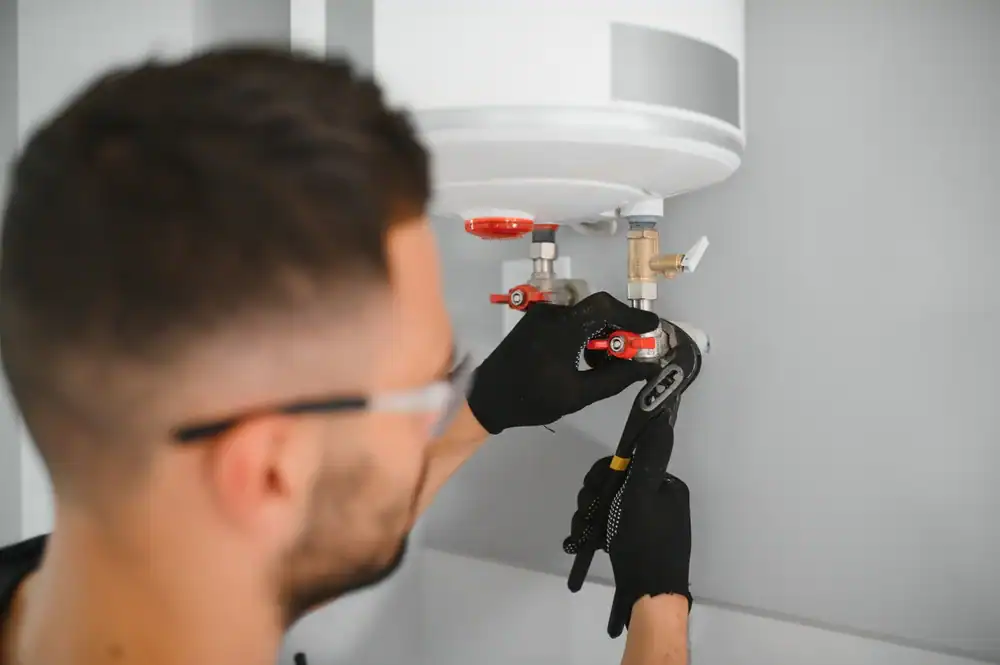

Tanked water heaters are the most widely used type of water heater in homes across Florida. They are affordable, reliable, and easy to install. Day or night, your tanked hot water heater holds dozens of gallons of hot water at the ready for use in sinks, showers, and appliances. However, this ‘ready at a moment’s notice’ functionality has a downside: sediment.
Sediment, including but not limited to lime and calcium carbonate, can be forced out of water as its heated, causing the sediment to settle and accumulate at the bottom of the tank. There, it can cause several problems.
A layer of sediment can create a thermal barrier that insulates water in the tank, from its heating element or mechanism, making it more difficult for the unit to heat water to the desired temperature. This can cause increased wear on your unit, as well as an increase in energy costs.
When sediment is uneven, it can even result in ‘hot spots’ where the tank becomes weaker or cause bubbling and popping.
Fact is, no matter how ‘clean’ your water supply is, sediment is bound to occur and build up over the years (some places more than others). Because of this, it is recommended that you have your hot water heater ‘flushed’ by a professional to ensure reliable operation and optimal performance, as well as to extend the life of the unit.
Signs Your Hot Water Heater May Need Flushing:
- Hot water smells or tastes odd
- It takes longer than it used to for the water to get hot
- Hot water leaves a residue or stain behind
- Pressure is lower than usual
- You hear an audible whistling or crackling when running the hot water