Choosing the right water heater for your high-efficiency Brevard County home in 2026 means understanding new energy standards, smart technology, and which systems actually save money in Florida's climate.
Share:
Summary:
The Department of Energy finalized new efficiency standards that are rolling out in phases. Commercial gas water heaters had to meet condensing technology requirements starting October 2026. For residential water heaters, the bigger changes hit in May 2029, but they’re already affecting what manufacturers are producing and what’s available now.
Here’s what matters for your home. Electric storage water heaters larger than 35 gallons will need to use heat pump technology to meet the new standards. Gas-fired storage units will require minor efficiency improvements, mainly adding dampers to reduce standby heat loss. Tankless gas systems got a temporary pass and will be addressed in future rulemaking.
These aren’t suggestions. Once the standards take effect, manufacturers can’t legally produce or import units that don’t comply. That means if you’re shopping for a water heater replacement in 2026, you’re already seeing the market shift toward higher-efficiency models, even before the residential deadline.
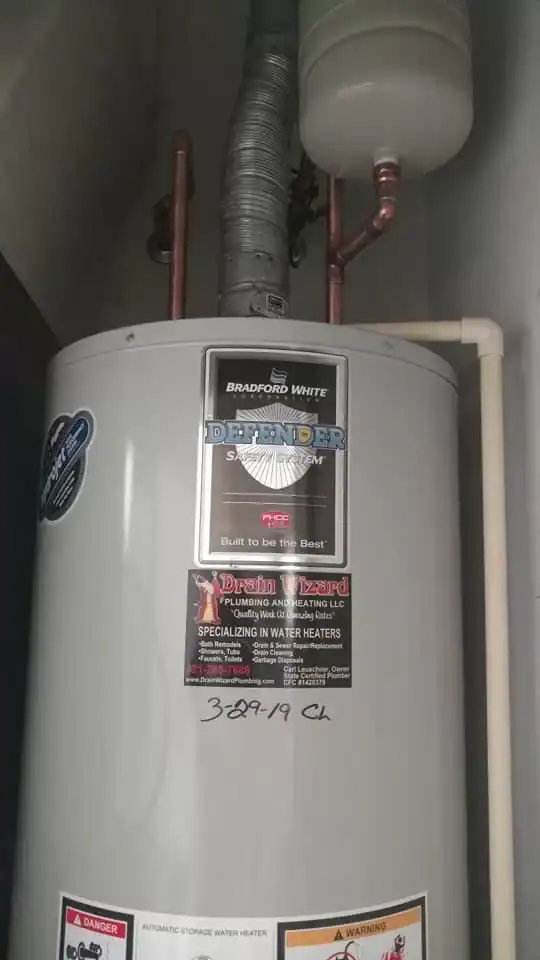
If you’ve invested in spray foam insulation, energy-efficient windows, or a high-SEER AC system, an outdated water heater is working against everything else you’ve done. Water heating accounts for roughly 13% of residential energy use nationally, and in Florida’s climate where we’re not heating homes most of the year, that percentage can be even higher relative to your total energy consumption.
High-efficiency homes are built as integrated systems. Your insulation, HVAC, and air sealing all work together to minimize energy waste. When one component—like a 10-year-old tank water heater with a 0.58 energy factor—is dragging down performance, you’re not getting the full value of your other upgrades.
The new 2026 standards push manufacturers toward heat pump water heaters, condensing gas units, and improved tankless technology. These aren’t incremental improvements. A heat pump water heater can be up to 4.7 times more efficient than a standard electric model. That’s the difference between paying $350 a year to heat your water versus $1,200.
For Brevard County homeowners building or upgrading to high-performance standards, waiting until your current unit fails means you’re losing money every month. The longer you run an inefficient system, the more you’re paying in utility costs that could have covered part of your upgrade.
There’s also the inventory question. As standards tighten and manufacturers retool production lines, the selection of compliant models can get thin. We saw this with HVAC systems when SEER minimums changed. The contractors who planned ahead had options. The ones who waited dealt with backorders and limited choices. Your water heater replacement shouldn’t be a crisis decision made with whatever happens to be in stock that week.
Florida gives you a built-in advantage that homeowners in Minnesota don’t get. Your incoming groundwater temperature runs between 70 and 77 degrees year-round. In northern states, incoming water can be 45 to 50 degrees. That temperature difference is huge when you’re trying to heat water to 120 degrees for household use.
A tankless water heater that produces 9.8 gallons per minute in Florida might only deliver 5.6 gallons per minute in Vermont because the colder water requires more energy to reach the target temperature. Your unit doesn’t have to work as hard, which means better efficiency and lower operating costs for the same equipment.
This climate advantage makes certain technologies more practical here. Tankless systems, which can struggle in cold climates, perform exceptionally well in Florida. Heat pump water heaters, which pull heat from surrounding air, work more efficiently in our warm environment than in colder regions where the ambient air temperature drops significantly.
But Florida also brings challenges. Brevard County has hard water with high mineral content—calcium and magnesium that build up inside water heaters over time. This mineral buildup, often called scale, acts like insulation on your heating elements, forcing them to work harder and use more energy to heat the same amount of water. Left unchecked, it destroys tanks from the inside out.
High-efficiency water heaters address this with better materials and design. Stainless steel heat exchangers resist corrosion better than copper when fighting hard water. Electronic anode rods provide continuous protection without wearing out like traditional sacrificial rods. Some newer smart water heaters include self-diagnostic features that alert you when mineral buildup is affecting performance, so you can schedule maintenance before efficiency drops.
The humidity is another factor. Coastal areas like Merritt Island and Cocoa Beach deal with moisture that can accelerate corrosion on water heater components. Proper ventilation matters. Installation location matters. A water heater tucked in a poorly ventilated garage closet will have a shorter lifespan than one installed with adequate airflow, regardless of how efficient the model is.
Understanding these local conditions is why working with plumbers who know Brevard County makes a difference. We’ve seen how different systems hold up in our specific environment. We know which brands handle our water quality better and which installation practices prevent the problems that show up three years down the road.
Want live answers?
Connect with a Drain Wizard Plumbing expert for fast, friendly support.
The “best” water heater for your home depends on factors most online articles gloss over. How many people live there. Whether everyone showers in the morning or usage is spread throughout the day. Your existing infrastructure—gas lines, electrical capacity, available space. Your budget for upfront costs versus long-term savings.
Here’s how the main options stack up for high-efficiency homes in Brevard County, FL. Each has legitimate pros and cons, and the right choice varies by household.
Tankless water heaters heat water on demand as it flows through the unit. No storage tank means no standby heat loss from keeping 50 gallons hot all day. They’re compact, lasting 20-plus years with proper maintenance, and they never run out of hot water as long as you stay within the unit’s flow rate capacity.
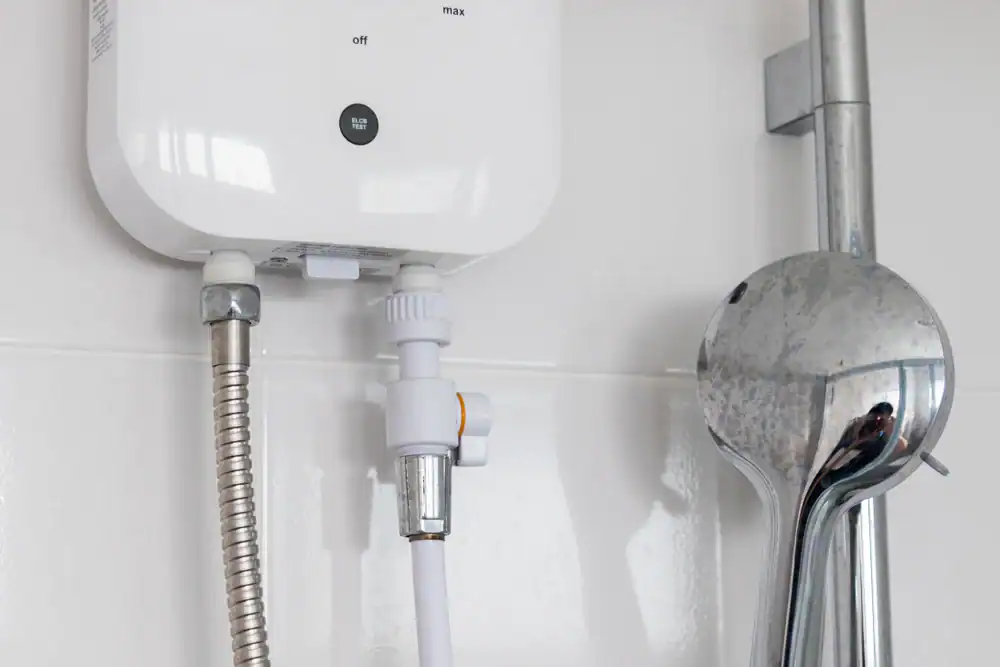
Tankless systems cost more upfront than traditional tanks—typically $2,500 to $4,500 installed in Florida. That price includes the unit, labor, and any minor modifications needed. If you’re converting from a tank system and need electrical panel upgrades or new gas line work, add another $1,000 to $2,500.
The higher initial cost is where a lot of homeowners hesitate. But run the numbers over the system’s lifespan. A tankless unit lasting 20 years with 24-34% better efficiency than a standard tank means you’re saving roughly $200 to $400 per year on energy costs. Over two decades, that’s $4,000 to $8,000 in savings, minus the $150 to $200 annual maintenance to prevent mineral buildup from Florida’s hard water.
Sizing matters more with tankless than with tanks. You can’t just pick a unit based on how many people live in your house. You need to calculate peak demand—how many gallons per minute you use when multiple fixtures run simultaneously. Each shower uses about 2.5 GPM. A dishwasher uses 1.5 GPM. If two people shower while the dishwasher runs, you need a unit rated for at least 6.5 GPM with a temperature rise around 45 to 50 degrees.
Undersizing a tankless system is one of the most common installation mistakes. You’ll get lukewarm water when demand spikes. Oversizing wastes money on capacity you’ll never use. This is where professional sizing calculations matter. We measure your actual usage patterns and recommend the right capacity, not just what’s on sale.
Installation location affects performance too. Tankless units can mount indoors or outdoors. Florida’s climate allows outdoor installation, which saves interior space and simplifies venting for gas models. But outdoor units need weather-resistant enclosures and freeze protection for the rare cold snaps we get in January.
Gas tankless systems require proper venting to exhaust combustion gases safely. Electric models need adequate amperage—often 100 to 150 amps—which some older homes don’t have without panel upgrades. These aren’t deal-breakers, but they’re costs and considerations that need to be factored in before you commit.
For high-efficiency homes in Brevard County, FL, tankless makes sense when you have consistent hot water demand, you’re not planning to move in the next few years, and you’re willing to invest upfront for long-term savings. The compact size is a bonus if you’re tight on space or converting a garage area to living space. Many newer smart water heaters in the tankless category now offer WiFi connectivity, letting you monitor performance and adjust settings from your phone—perfect for ESG home upgrades focused on reducing energy consumption.
Heat pump water heaters are the efficiency champions. Instead of generating heat directly, they pull heat from the surrounding air and transfer it to the water in a storage tank. It’s the same technology your AC uses, just in reverse. This process can be up to 4.7 times more efficient than standard electric resistance water heaters, making them ideal for ESG home upgrades and sustainability-focused homeowners.
The new 2029 DOE standards will require electric storage water heaters over 35 gallons to use heat pump technology. That’s not happening yet, but manufacturers are already ramping up production of these units because they know what’s coming. If you’re shopping now, you’re seeing more heat pump options than you would have five years ago, and many qualify as Energy Star appliances.
Cost-wise, heat pump water heaters run $2,000 to $4,600 installed. They qualify for utility rebates—sometimes up to 30% of the project cost or a maximum of $2,000—which brings the real cost down significantly. Factor in energy savings of up to 75% compared to standard electric models, and they pay for themselves faster than almost any other water heater type.
Florida’s warm climate helps heat pump water heaters perform better. They work by extracting heat from ambient air, so the warmer the air temperature, the more efficiently they operate. In Brevard County, FL where garage and utility room temperatures stay relatively warm year-round, these units don’t struggle the way they might in a cold Minnesota basement.
There are considerations. Heat pump water heaters need space—about seven feet of clearance from floor to ceiling—because they need room for air circulation. They also produce cool, dehumidified air as a byproduct, which is actually a benefit in Florida’s humid climate. That cool air can help offset AC costs slightly if the unit is installed in a conditioned space.
Noise is another factor. Heat pump water heaters have a compressor that makes a low humming sound, similar to a refrigerator. It’s not loud, but it’s not silent either. If your water heater is in a closet next to a bedroom, that might matter. If it’s in the garage, you probably won’t notice.
Smart features are becoming standard on higher-end heat pump models. WiFi connectivity lets you monitor energy usage, adjust temperature settings remotely, and receive alerts if the system detects a problem. Some smart water heaters integrate with utility time-of-use plans, automatically heating water during off-peak hours when electricity rates are lower. This level of control makes them perfect for homeowners serious about reducing their carbon footprint and meeting 2026 energy standards ahead of schedule.
For high-efficiency homes where every percentage point of energy savings matters, heat pump water heaters make a strong case. They meet the direction regulations are heading, they qualify as Energy Star appliances with current incentives, and they deliver measurable utility bill reductions. The main barriers are upfront cost and space requirements, both of which are manageable with planning.
Choosing a water heater replacement for a high-efficiency home in 2026 isn’t about picking the most expensive model or the one with the most features. It’s about matching the right technology to your household’s actual needs, your home’s infrastructure, and your long-term goals for energy performance.
Start with what you know. How old is your current system. How many people rely on hot water daily. What’s your budget for upfront investment versus ongoing savings. Whether you’re dealing with hard water issues or space constraints. These practical factors narrow your options faster than any marketing brochure.
The 2026 energy standards aren’t something to panic about, but they are something to plan for. Waiting until your water heater fails means making a rushed decision with limited options. Upgrading proactively lets you choose the system that actually fits your home, take advantage of current rebates and incentives, and stop losing money on an inefficient unit that’s costing you every month.
If you’re in Brevard County, FL and trying to figure out which direction makes sense for your home, we can walk you through the options without the sales pressure. We’ve been installing water heaters throughout Cocoa, Rockledge, Merritt Island, and the Space Coast since 2007, and we’ve seen what works in Florida’s climate and what doesn’t.
Article details:
Share:
Continue learning: