Smart sensors and IoT devices are revolutionizing home plumbing. From leak detection to automatic shut-offs, here's what's changing in Brevard County, FL homes.
Share:
Forget the old bucket-under-the-sink approach. Real leak detection now happens at the molecular level, 24/7, whether you’re home or halfway around the world.
Modern smart leak detection systems use IoT sensors placed throughout your plumbing network. These aren’t motion detectors or simple moisture pads. They’re monitoring water flow, pressure changes, and usage patterns in real time, learning what’s normal for your home and flagging anything that isn’t.
When a leak starts—even a slow drip behind a wall—the system catches it immediately and sends an alert straight to your phone. No waiting for your water bill to spike. No discovering mold three months later. Just instant notification and the ability to act before damage spreads.
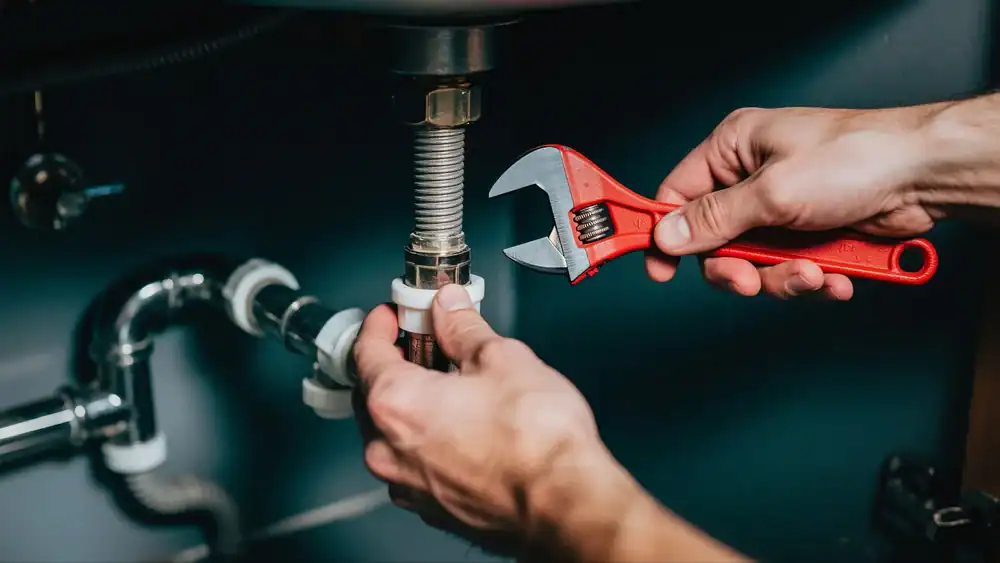
IoT stands for Internet of Things, but in plumbing terms, it means your pipes are finally talking to you. And they’ve got a lot to say.
These devices install at key points in your plumbing system—near water heaters, under sinks, along main lines, anywhere water flows. They’re constantly measuring flow rates, pressure levels, temperature, and even water quality in some cases. All that data gets sent to a central hub or directly to your phone through a mobile app.
Here’s what makes them different from old-school leak detectors: they’re predictive, not just reactive. A traditional leak detector waits until water hits the floor. IoT sensors catch problems upstream—a pressure drop that suggests a crack forming, unusual flow patterns that indicate a toilet running, temperature changes that might mean a pipe is about to freeze.
The technology works through wireless connectivity, usually WiFi or a dedicated network protocol. That means no running new wires through your walls. Most systems install in a few hours, and once they’re live, they’re learning your home’s unique water signature. After a week or two, they know the difference between your morning shower routine and a burst pipe.
And when something goes wrong? You get alerts through multiple channels—push notifications, text messages, emails, even automated calls for critical issues. Some systems integrate with smart home platforms like Alexa or Google Home, so you can ask for water usage reports or check system status with your voice.
For homes in Brevard County, FL, where humidity and aging infrastructure create perfect conditions for hidden leaks, this kind of constant monitoring isn’t a luxury. It’s the difference between catching a problem early and facing a five-figure repair bill.
Speed matters when water’s involved. Every minute a leak runs unchecked, you’re looking at more damage, more cost, and more headache. Real-time alerts cut that window from hours—or days—down to seconds.
When your smart leak detection system identifies a problem, the notification hits your phone immediately. Not “within a few minutes.” Not “when the system syncs next.” Right now. You see exactly where the issue is, how severe it appears, and what action the system recommends.
But here’s where it gets even better: you don’t have to be home to respond. Through the same app that sent the alert, you can shut off water to the affected area or to your entire house with a single tap. If you’re on vacation in the Keys or stuck in traffic on I-95, you’ve still got full control.
Some systems go further with automatic responses. If a major leak is detected—say, a burst pipe or a water heater failure—the system can trigger an automatic shut-off without waiting for you to respond. That’s the kind of protection that prevents catastrophic damage, the kind where you come home to find your living room turned into a wading pool.
The alert systems also track patterns over time. If your water usage spikes gradually, you might get a notification that something’s off even before it becomes a full leak. Maybe a toilet’s running more than it should. Maybe there’s a slow drip somewhere. The system flags it, you investigate, and you fix a $50 problem before it becomes a $5,000 problem.
For anyone who’s ever dealt with water damage—and in Florida, that’s a lot of us—this kind of immediate awareness changes everything. You’re not hoping you’ll notice a problem before it gets bad. You know you will, and you can act on it instantly.
Want live answers?
Connect with a Drain Wizard Plumbing expert for fast, friendly support.
Picture this: you’re boarding a flight for a two-week trip when you remember you forgot to check that leaky faucet in the guest bathroom. In the past, you’d spend the entire vacation worrying. Now? You pull out your phone, open an app, and shut off water to that bathroom. Problem solved before takeoff.
Remote shut-off valves are exactly what they sound like—motorized valves installed on your main water line or on individual fixtures that you control wirelessly. When you need to stop water flow, you don’t need to be standing in front of the valve with a wrench. You just tap a button on your phone, and it’s done.
These aren’t just convenient. They’re critical protection for your home, especially when you’re not there to catch problems early.
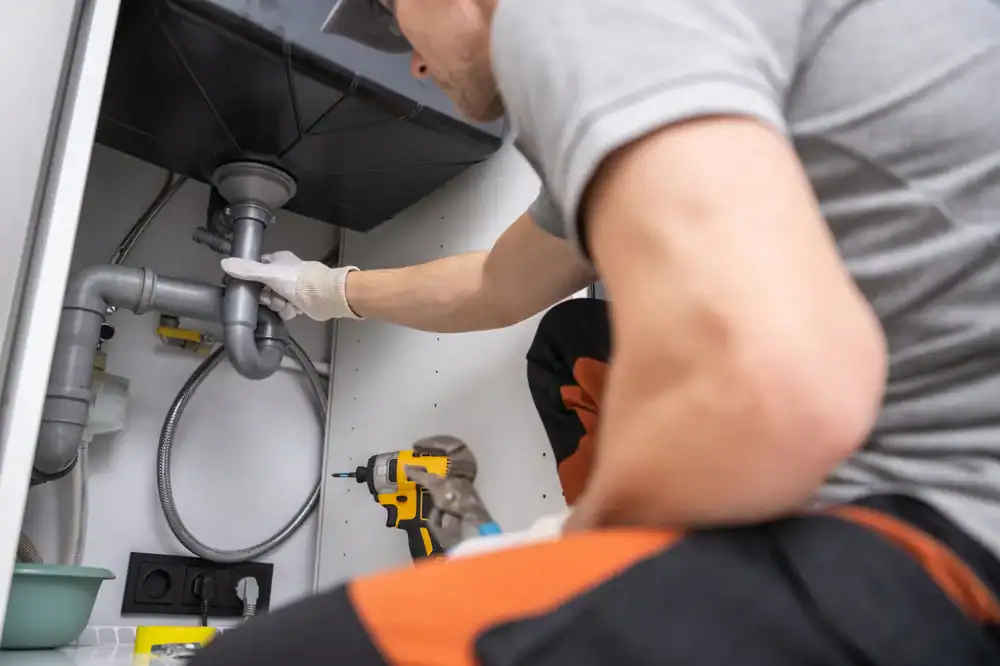
The real power of remote shut-off valves shows up when they’re paired with smart leak detection. Together, they create a system that doesn’t just warn you about problems—it solves them automatically.
Here’s how it works: your leak detection sensors are constantly monitoring your plumbing. The moment they detect abnormal flow—a burst pipe, a failed appliance connection, a major leak anywhere in the system—they send a signal to your shut-off valve. Within seconds, water flow stops completely, limiting damage to whatever small amount escaped before the system reacted.
Studies show this kind of automatic protection reduces water damage insurance claims by up to 96%. That’s not a small improvement. That’s nearly eliminating the risk entirely. And when you consider that water damage is one of the top causes of homeowner insurance claims nationwide, with even small leaks costing thousands to repair, that level of protection is worth serious attention.
The automation works even when you’re not available to respond. If a pipe bursts at 3 AM while you’re asleep, the system handles it. If something fails while you’re on a plane with your phone in airplane mode, the system handles it. You wake up or land to a notification about what happened and what action was taken, but the crisis is already contained.
Installation typically happens at your main water line, right after the meter or where water enters your home. Some homeowners also add shut-off valves to individual fixtures or appliances—water heaters, washing machines, dishwashers—for even more targeted control. That way, if your washing machine hose fails, you’re not shutting off water to your entire house. Just that one appliance.
For homes in Brevard County, FL, where hurricane season and aging plumbing create elevated risk, automatic shut-off valves are quickly becoming standard equipment. They’re the kind of upgrade that pays for itself the first time it prevents a disaster.
Automatic protection is great, but sometimes you just want control. Maybe you’re leaving for a long trip and want to shut off your water entirely. Maybe you’re doing some DIY work and need to kill flow to one area without crawling under the house to find the right valve. Remote shut-off valves give you that flexibility.
Through your smartphone app, you can see the status of every valve in your system—whether it’s open or closed, when it was last activated, and what’s currently flowing through it. Want to shut off water to your guest bathroom while no one’s using it? One tap. Want to turn off your main line before a freeze warning hits? One tap. Want to restore flow after a repair? One tap.
This kind of control is especially valuable when you’re away from home for extended periods. Vacation homes, rental properties, or even your primary residence during a long business trip—you can manage water flow remotely and eliminate the risk of coming home to a flooded house. Some homeowners make it a routine: leaving for more than a few days? Shut off the main line through the app. Coming home? Turn it back on from the driveway.
The peace of mind factor is huge. Instead of worrying about what might be happening at home, you know you’ve got a safety net. If something does go wrong, you’ll be alerted instantly, and you can respond instantly, no matter where you are.
Installation is straightforward for most homes, though it does require a professional plumber to ensure proper placement and connection. The valves themselves are powered—either by standard electrical outlet or battery backup—so they’ll work even during power outages. And because they’re motorized, they can handle repeated open-close cycles without wearing out the way manual valves eventually do.
For anyone who’s ever lost sleep worrying about plumbing problems while away from home, remote shut-off valves are a game-changer. You’re not hoping nothing goes wrong. You’re equipped to handle it if it does.
The trends shaping plumbing in 2026 aren’t about gadgets for the sake of gadgets. They’re about giving you real control over one of the biggest risks your home faces—water damage. Smart sensors catch problems you’d never see on your own. IoT devices give you constant visibility into what’s happening in your pipes. Remote shut-off valves let you act immediately, whether you’re in the next room or the next state.
These aren’t futuristic concepts anymore. They’re installed and working in homes across Brevard County, FL right now, preventing disasters and saving homeowners thousands in potential damage. As the technology becomes more affordable and more widely adopted, the question isn’t whether to upgrade—it’s when.
If you’re ready to protect your home with smart plumbing technology, we can walk you through what makes sense for your specific situation and get it installed right. Your pipes might not be talking to you yet, but they should be.
Article details:
Share:
Continue learning: