Your water heater is trying to tell you something. Rusty water, strange noises, and pilot light problems aren't just annoyances—they're warnings that could save you thousands in damage.
Share:
When you turn on your hot water tap and brown, reddish, or yellow water comes out, your water heater is telling you something important. This discoloration usually means corrosion is happening somewhere in your system. The question is where.
First, figure out if the problem is your water heater or your pipes. Turn off your water heater and let it cool. Then run only cold water from the same tap. If the cold water runs clear but hot water stays discolored, your water heater is the culprit. If both hot and cold water look rusty, you likely have corroded pipes instead.
In Brevard County’s humid climate with coastal salt air, corrosion happens faster than in other parts of the country. That means rusty water often signals a problem that’s been building for months, not days.
The most common cause of rusty hot water is corrosion inside your water heater tank. Water heaters are built with protective measures—a glass lining on the inside and a sacrificial anode rod that attracts corrosive elements. But these protections don’t last forever.
The anode rod is designed to corrode instead of your tank. It’s essentially taking the hit so your tank doesn’t have to. But once that rod wears out completely, rust starts attacking the tank itself. If you’re seeing rusty water, there’s a good chance your anode rod has already failed and your tank is corroding from the inside.
Sediment buildup makes this worse. Minerals in Florida’s hard water settle at the bottom of your tank over time. This sediment layer traps heat and moisture against the tank walls, speeding up corrosion. It also creates the perfect environment for bacteria that can give your water a sulfur or “rotten egg” smell along with the discoloration.
Age matters too. If your water heater is over eight years old and producing rusty water, the problem is likely advanced. At this point, you’re not just looking at a simple anode rod replacement. The tank itself may be compromised, which usually means it’s time for a new water heater before a leak turns into a flood.
Don’t ignore rust on the outside of your tank either. External rust spots often mean internal corrosion has already caused small leaks. Water seeping through cracks or damaged areas will rust the outside of the tank, giving you a visible warning that the inside is deteriorating.
In Brevard County, rusty water from your water heater isn’t just about water quality—it’s about timing. Our humid subtropical climate, combined with coastal salt air and mineral-rich water, creates the perfect storm for accelerated corrosion. What might take 10-12 years to develop in other regions can happen in 6-8 years here on the Space Coast.
Once corrosion reaches a certain point, your water heater’s structural integrity is compromised. A corroded tank can develop leaks with little warning. And when a 40 or 50-gallon tank springs a leak, you’re not dealing with a drip—you’re dealing with potential flooding that can damage floors, walls, and anything stored nearby.
The financial impact goes beyond the water heater itself. Water damage from a failed water heater can run anywhere from a few hundred dollars for minor cleanup to $50,000 or more if you’re dealing with structural damage, mold remediation, and replacing damaged belongings. Insurance may cover some of it, but you’ll still face deductibles, rate increases, and the massive hassle of repairs.
That’s why rusty water demands immediate attention. Call a licensed plumber to inspect your water heater as soon as you notice discoloration. We can determine whether you need a simple anode rod replacement, a full tank flush, or a complete water heater replacement. Acting fast gives you control over the timeline and the budget, instead of dealing with an emergency at 2 AM when your options are limited and prices are higher.
Brevard County homeowners also need to consider that our year-round warm weather means water heaters work constantly. There’s no seasonal break where the system gets a rest. This constant demand accelerates wear and tear, making early intervention even more critical for homes in Cocoa, Rockledge, Merritt Island, Titusville, and throughout the region.
Want live answers?
Connect with a Drain Wizard Plumbing expert for fast, friendly support.
Water heaters should run quietly in the background. If yours is making popping, rumbling, banging, or hissing sounds, something is wrong. These noises aren’t just annoying—they’re acoustic warning signs that your water heater is working too hard and heading toward failure.
The most common culprit behind water heater noise is sediment buildup at the bottom of the tank. As your water heater heats water, minerals separate and settle. Over time, this sediment layer hardens into a crusty barrier between your heating element or burner and the water. When your water heater tries to heat water through this barrier, the trapped water beneath the sediment superheats and creates steam bubbles that pop and rumble as they escape.
This isn’t just a noise problem. That sediment layer forces your water heater to work harder and longer to reach the desired temperature, which increases your energy bills. It also causes hot spots on the tank that can crack the glass lining and accelerate corrosion. Left unchecked, sediment buildup can lead to heating element replacement needs or complete tank failure.
Not all water heater noises mean the same thing. Popping and rumbling sounds usually indicate sediment buildup, as we just discussed. This is the most common noise and typically means you need a tank flush to remove the accumulated minerals.
Hissing or sizzling sounds often point to a leak somewhere in the system. When water drips onto a hot surface—like the burner or heating element—it creates that distinctive hissing sound. Check around your water heater for signs of moisture or water stains. Even small leaks can cause significant damage over time, especially in Brevard County’s humid environment where moisture problems escalate quickly.
Banging or hammering sounds might indicate water hammer, which happens when water flow suddenly stops and creates a pressure wave. This can damage pipes and fittings throughout your plumbing system, not just your water heater. It can also signal loose heating elements that vibrate when water flows past them.
Whistling or high-pitched sounds usually mean there’s a restriction in water flow somewhere. This could be a partially closed valve, a clogged pressure relief valve, or scale buildup in the pipes. These restrictions force water through smaller openings at higher pressure, creating the whistle.
Crackling sounds in gas water heaters can indicate condensation dripping onto the burner, especially if you have a newer high-efficiency model. Some condensation is normal, but excessive crackling might mean there’s an issue with combustion or ventilation that needs professional attention.
If your water heater is making noise, the first step is having it professionally flushed. This process drains the tank completely and removes the sediment buildup causing most noise issues. In Brevard County, where hard water accelerates mineral accumulation, annual flushing is a smart preventive measure that can extend your water heater’s lifespan by years.
A professional plumber will drain your tank through the drain valve at the bottom, then flush it with fresh water until the water runs clear. We’ll also inspect the anode rod while we’re at it, since this is the component that prevents tank corrosion. If the anode rod is more than 50% depleted, replacing it during the same service call can prevent future corrosion problems.
For hissing sounds caused by leaks, you’ll need a thorough inspection to locate the source. Small leaks at valve connections or fittings can often be repaired with new gaskets or tightened connections. But if the tank itself is leaking, replacement is your only option. Tank leaks don’t get better—they only get worse.
If the noise continues after flushing, you might have a failing heating element in an electric water heater or a problem with the burner assembly in a gas unit. Heating elements can develop scale buildup or loose connections that cause vibration and noise. Heating element replacement typically costs $200-$300 and can restore quiet operation while improving your water heater’s efficiency.
Don’t try to diagnose or repair water heater problems yourself unless you have plumbing experience. Water heaters involve high temperatures, high pressure, and (in gas models) combustible fuel. One mistake can create a dangerous situation. Professional plumbers have the tools, training, and experience to safely diagnose noise issues and recommend the right solution.
The bottom line: strange noises from your water heater aren’t something to ignore or get used to. They’re early warning signs that give you time to address problems before they become emergencies. The sooner you call a licensed plumber in Brevard County, the more likely you can fix the issue with a simple repair instead of an expensive replacement.
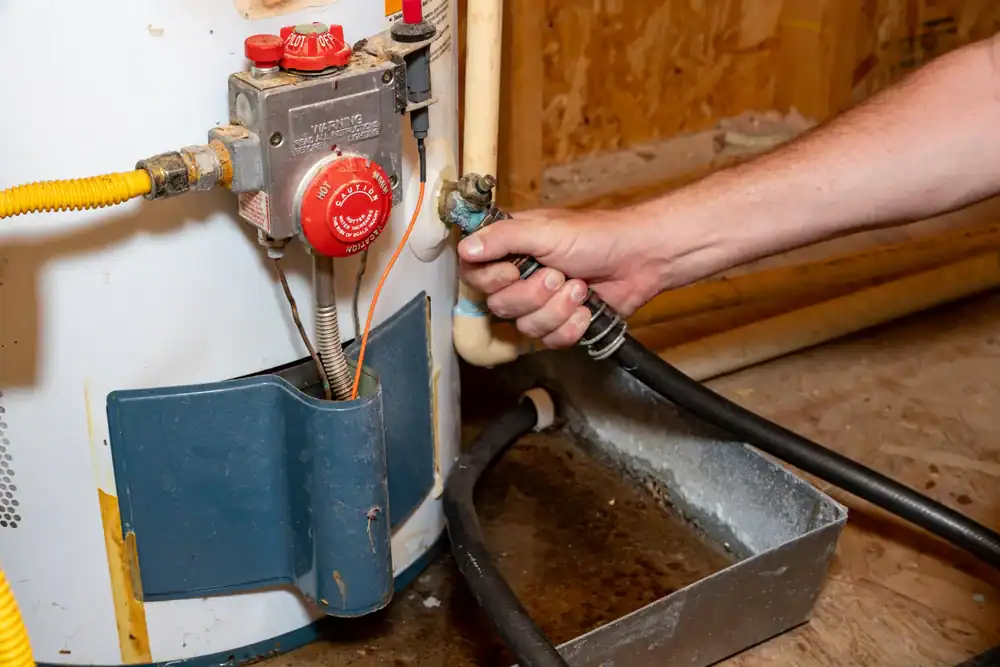
For homeowners with gas water heaters, a pilot light that won’t stay lit is more than frustrating—it’s a sign that something in your ignition system has failed. The pilot light is the small flame that ignites your main burner when hot water is needed. When it keeps going out, you’re left with no hot water and a problem that needs immediate attention.
A pilot light that goes out occasionally might not seem like an emergency, but repeated failures indicate an underlying issue that will only get worse. And in some cases, pilot light problems can create safety hazards if gas is leaking or if combustion isn’t happening properly.
The good news is that most pilot light issues have straightforward fixes when caught early. The bad news is that ignoring them can lead to more expensive repairs or even require full water heater replacement.
Article details:
Share:
Continue learning: