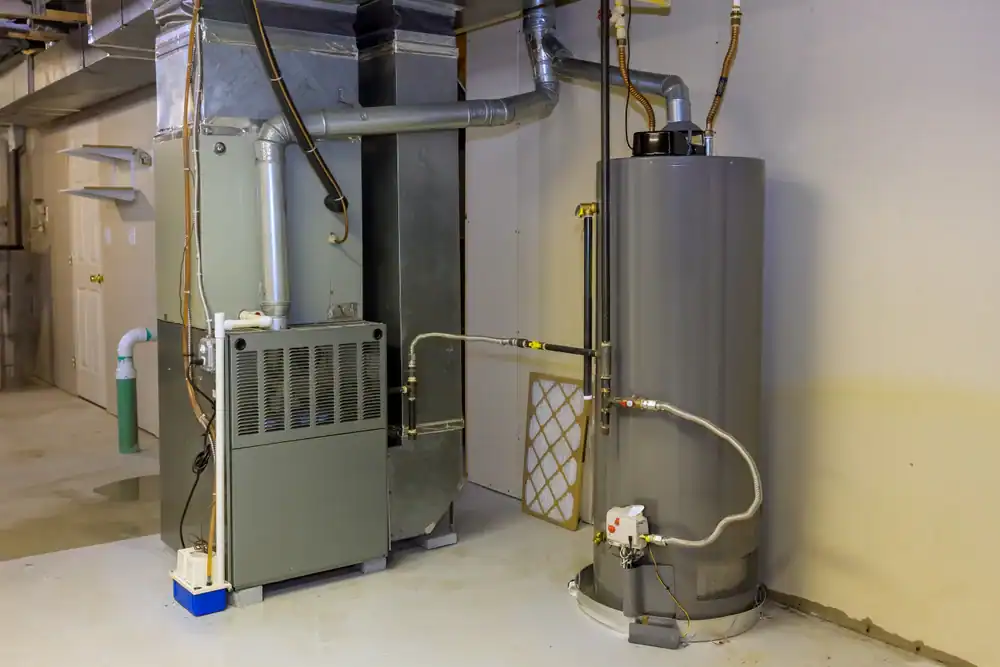
Your water heater quit this morning. Maybe it’s leaking from the bottom. Maybe the pilot light won’t stay lit. Maybe you’re just not getting hot water like you used to.
You’ve probably thought about fixing it yourself. And depending on what’s wrong, that might work. But if you have a gas water heater, there’s a point where DIY stops being thrifty and starts being dangerous.
Gas systems don’t give second chances. A loose fitting, a failed valve, or improper ventilation can lead to leaks you can’t see and gases you can’t smell until it’s too late. This is where professional heater repair isn’t optional—it’s the only safe call.
Let’s talk about what separates a simple fix from a job that needs experienced hands.
Understanding When Heater Repair Needs a Professional
Not every water heater issue requires a service call. A tripped breaker or a reset button that needs pushing? You can handle that. But the moment you’re dealing with gas lines, venting systems, or internal components, the stakes change.
Gas water heaters operate under pressure and heat. They vent combustion gases that include carbon monoxide. They rely on precise airflow, proper pilot light function, and sealed connections to work safely. When any of these systems fail, the risk isn’t just a cold shower—it’s a potential gas leak or CO exposure.
In Brevard County, FL, where humidity and salt air accelerate corrosion, gas water heater components can deteriorate faster than in other parts of the country. A valve that looks fine on the outside might be compromised internally. That’s not something you can eyeball, and it’s not worth guessing about.
Hot Water Heater Repair: Signs You Shouldn’t Ignore
Your water heater will tell you when something’s wrong. The question is whether you’re listening.
If your pilot light keeps going out, that’s not just annoying. It could mean a faulty thermocouple, a clogged pilot orifice, or a ventilation problem that’s preventing proper combustion. Relighting it might work once or twice, but if it’s a pattern, you need a professional to diagnose the root cause.
Strange noises—popping, banging, or rumbling—usually point to sediment buildup at the bottom of the tank. In Florida’s hard water areas, minerals settle and harden, creating hot spots that stress the tank and reduce efficiency. Left unchecked, this can lead to cracks and leaks. Flushing the tank helps, but if the noise persists, it’s time for an inspection.
Inconsistent water temperature is another red flag. If your shower goes from scalding to lukewarm without warning, the issue could be a failing thermostat, a worn heating element, or sediment interfering with the burner. These aren’t DIY fixes—they require testing, part replacement, and sometimes recalibration.
And then there’s the smell. If you ever detect a rotten egg odor near your water heater, that’s the smell of natural gas. Gas companies add mercaptan specifically so leaks are noticeable. If you smell it, don’t investigate. Don’t light anything. Leave the house and call your gas company immediately, then call a licensed plumber once it’s safe to return.
Discolored water—rusty or cloudy—often signals internal corrosion. The anode rod inside your tank is designed to corrode so the tank doesn’t, but once it’s depleted, the tank itself starts to rust. At that point, you’re looking at replacement, not repair. A plumber can confirm this with an inspection and help you avoid a sudden failure.
Water Heater Leaking from Bottom: What It Means
A puddle under your water heater is never a good sign. But where the water’s coming from determines whether you’re looking at a repair or a replacement.
If the leak is from the drain valve at the bottom of the tank, you might get lucky. Sometimes the valve just needs tightening. Other times, it’s corroded or cracked and needs replacement. This is a relatively straightforward fix for a plumber, and it’s one of the few bottom-leak scenarios that doesn’t mean the end of your water heater.
But if water is seeping from the tank itself, that’s a different story. Internal tank leaks usually result from years of sediment buildup and corrosion. The sediment creates uneven heating, which causes the metal to expand and contract irregularly. Over time, this weakens the tank and leads to small cracks or failures near the base.
In Brevard County, FL, where hard water is common, sediment accumulates faster than in areas with softer water. Combine that with Florida’s humidity and the salt air near the coast, and you’ve got conditions that age water heaters faster than the national average. A tank that might last 12 to 15 years elsewhere could fail in 8 to 10 here.
Once the tank itself is leaking, there’s no repair. The tank is the pressure vessel, and patching it isn’t safe or effective. At that point, replacement is the only option. We can assess the situation, help you choose the right replacement unit, and handle the installation so it’s done to code and built to last.
The key is catching these issues early. If you notice moisture around the base of your water heater, don’t wait to see if it gets worse. Call someone who can trace the source and give you a straight answer about what needs to happen next.
Gas Water Heater Repair: Why Safety Isn’t Negotiable
Gas water heaters are efficient and reliable when they’re working correctly. But when something goes wrong, the margin for error is zero.
Every gas water heater has a burner, a gas valve, a pilot assembly, and a venting system that exhausts combustion gases. If any of these components fail or aren’t properly maintained, you’re dealing with potential gas leaks, carbon monoxide buildup, or fire hazards. These aren’t theoretical risks—they’re real dangers that send people to the hospital every year.
Carbon monoxide is especially insidious because you can’t see it, smell it, or taste it. It’s a byproduct of incomplete combustion, and if your water heater’s venting system is blocked, damaged, or improperly installed, CO can accumulate in your home. Symptoms of CO poisoning—headaches, dizziness, nausea—are easy to mistake for other illnesses, which is why CO detectors are essential near any gas appliance.
Gas leaks are more obvious if you know what to look for. That rotten egg smell is your warning. But not all leaks are strong enough to smell immediately, especially if they’re slow or in a poorly ventilated area. This is why professional gas water heater repair includes leak testing with specialized equipment, not just visual inspections.
What Professional Gas Water Heater Repair Includes
When we work on a gas water heater, we’re doing more than replacing a part and calling it a day. We’re checking the entire system for safety and code compliance.
First, we’ll inspect the gas supply line and connections for leaks. This involves shutting off the gas, testing pressure, and using a combustible gas detector or soapy water test to identify any escaping gas. Even a small leak is a serious problem, and finding it early prevents bigger issues down the line.
Next, we’ll examine the venting system. Proper venting is critical because it’s how combustion gases—including carbon monoxide—exit your home. If the vent pipe is corroded, disconnected, or sloped incorrectly, those gases can backdraft into your living space. We verify that the vent is intact, properly sealed, and meets manufacturer specifications.
The burner assembly and pilot light get checked too. A dirty or clogged pilot orifice can cause the pilot to go out repeatedly or burn with a weak, yellow flame instead of a strong blue one. Yellow flames indicate incomplete combustion, which produces more CO. Cleaning or replacing the orifice is a small fix that makes a big difference in safety and efficiency.
We’ll also test the thermocouple or flame sensor, which is the safety device that shuts off gas flow if the pilot light goes out. If this component is faulty, gas can continue flowing even when there’s no flame to burn it—a dangerous situation. Replacing a worn thermocouple is routine work, but it’s not something you want to skip or guess at.
Finally, we’ll check the temperature and pressure relief valve. This valve is your water heater’s last line of defense against dangerous pressure buildup. If it’s stuck, leaking, or not functioning, the tank could overheat or even rupture. Testing and replacing T&P valves is standard practice during professional water heater services, and it’s one of those things that seems minor until it isn’t.
Why DIY Gas Water Heater Repair Is Risky in Brevard County, FL
Brevard County’s coastal environment creates plumbing challenges you won’t find in most DIY guides. Salt air corrodes metal faster. High humidity accelerates rust. Hard water builds up sediment that clogs components and reduces efficiency.
What looks like a simple thermocouple replacement might reveal a gas valve that’s been compromised by corrosion. A pilot assembly that seems fine on the surface could have internal buildup that affects combustion. These aren’t things you’ll catch without experience and the right tools.
And then there’s the code compliance issue. Florida has specific requirements for gas appliance installation and repair, and if work isn’t done to code, you could face problems with insurance claims, home sales, or inspections. We know these codes and ensure every repair meets them. DIY work, even if it seems successful, doesn’t come with that assurance.
There’s also the warranty consideration. Most water heater manufacturers require professional installation and repair to keep warranties valid. If you attempt a repair yourself and something goes wrong later, you might find that your warranty is void and you’re on the hook for a full replacement.
The bigger point is this: gas water heater repair isn’t worth the risk when the stakes include your family’s safety. With 45 years of experience, we’ve seen every failure mode, every corrosion pattern, and every safety issue that can arise. We know what to look for, how to test it, and how to fix it right. That’s not something you can learn from a YouTube video.
Getting Reliable Water Heater Services in Brevard County, FL
Water heaters fail. It’s not a question of if, but when. And when yours does, knowing the difference between a quick fix and a call for professional help can save you money, stress, and potentially much worse.
If you’re dealing with a gas water heater, the line is clear: don’t take chances. Gas leaks, carbon monoxide, and pressure failures are real risks that demand professional attention. Even if the problem seems minor, having a licensed plumber diagnose and repair it ensures it’s done safely and correctly.
For Brevard County, FL homeowners, working with a local, experienced plumber who understands Florida’s coastal challenges makes all the difference. Hard water, salt air, and humidity aren’t just background details—they’re factors that affect how your water heater performs and how long it lasts.
When you need heater repair you can trust, we bring 45+ years of plumbing experience, same-day service when possible, and the kind of straightforward, no-pressure approach that comes from being family-owned and veteran-operated. If your water heater is acting up, don’t wait for it to fail completely. Get it checked, get it fixed, and get back to hot showers without the worry.