If you’ve ever gotten a quote from a plumber and wondered whether they’re actually allowed to pull a permit for the job — you’re asking the right question. Most homeowners assume that any plumber who calls themselves “licensed” can handle the paperwork side of a major job. In Florida, that’s not how it works. There are different license types, different scopes of authority, and some plumbers who legally cannot pull permits at all, regardless of how long they’ve been in the trade. Before you sign off on a sewer replacement, a repipe, or a bathroom remodel in Brevard County, here’s what you actually need to know.
Florida Plumbing Contractor Licenses: Why “Licensed” Isn’t All the Same
Florida issues two distinct types of plumbing contractor licenses through the Department of Business and Professional Regulation, and they are not equal. A Certified Plumbing Contractor — license codes beginning with “CFC” — holds a statewide designation. That means they can legally perform and permit plumbing work anywhere in Florida without needing separate county-level approval. A Registered Plumbing Contractor, on the other hand, is only authorized to work in the specific county where they registered.
For most jobs in Brevard County, this distinction won’t come up. But for larger permitted work — sewer installation, full repiping, or a bathroom remodel that touches the drain and supply lines — you want to know which type of license your contractor holds before the job starts.
Can a Master Plumber Pull Permits in Brevard County?
This is one of the most common misconceptions we run into, and it’s worth addressing directly. The title “master plumber” sounds authoritative — and in terms of field skill, it often is. But in Brevard County, the county’s own contractor licensing page states plainly: masters are not contractors and are not able to pull permits or operate a business.
That’s not a technicality. It means that a master plumber, no matter how experienced, cannot legally apply for a building permit on your behalf for a sewer line replacement or a whole-house repipe. Only a licensed plumbing contractor — either Certified or Registered — has that authority.
If someone quotes you a job that requires a permit and they can’t pull one themselves, you have two options: they skip the permit entirely (which creates problems we’ll get to), or they subcontract the permit to someone else, which adds cost and removes accountability.
When you’re comparing quotes, “licensed” isn’t enough of a question. The better question is: what kind of license do you hold, and can you pull the permit for this specific job in Brevard County? A contractor who holds a Florida CFC license — like our License #CFC1428379 — can answer that question with a yes, and you can verify it yourself at myfloridalicense.com before any work begins. That kind of transparency matters when you’re authorizing someone to open up your walls or dig up your yard.
Which Plumbing Jobs in Brevard County Actually Require a Permit?
Not every plumbing job triggers a permit requirement. Replacing a faucet, swapping out a toilet flapper, or fixing a leaking supply line under a sink — those are maintenance tasks that don’t require a permit or a licensed contractor. But once the scope of work crosses into the structural or systemic, the rules change.
In Florida, any contracting work that exceeds one thousand dollars in combined labor and materials requires a licensed contractor. That threshold is crossed by virtually every significant plumbing job a homeowner might face: sewer line replacement, full cast iron drain removal and repipe, bathroom remodels that involve moving or replacing drain and supply lines, water heater replacements in certain configurations, and new sewer system installations all require both a permit and a licensed plumbing contractor to perform the work legally.
For Brevard County homeowners specifically, this matters a great deal right now. A significant number of homes in older neighborhoods — particularly in Cocoa, Rockledge, and Titusville — were built between the 1950s and 1980s with cast iron drain systems. Cast iron has a functional lifespan of roughly 50 to 75 years, which means many of those systems are either failing or approaching failure. When a camera inspection reveals that the cast iron under your slab needs to go, what follows is a permitted job. There’s no shortcut around it.
The permit process in Brevard County runs through BASS — Brevard’s Advanced Service Site — an online system that licensed contractors use to apply for permits, upload documentation, schedule inspections, and track progress. We handle that process on your behalf, so you don’t have to navigate the system yourself.
Sewer Inspection Services: The Step Before Any Permitted Repair
Before we pull a permit for a sewer or drain repair, the job needs to be scoped — and that means a camera inspection. A video inspection of your drain or sewer line does two things: it shows exactly what’s failing and where, and it documents the condition of the pipe in a way that supports the permit application and the work order that follows.
This step matters more than most homeowners realize. It’s the difference between a contractor who tells you what they think is wrong and one who can show you. For cast iron pipe assessment in particular, a camera inspection is the only reliable way to determine how much of the system has degraded and what the replacement scope actually looks like.
What a Sewer Camera Inspection Actually Reveals
A lot of plumbing problems look the same from the outside — slow drains, gurgling toilets, sewage odors. The causes, though, can be completely different. A camera inspection threads a waterproof camera through your drain or sewer line and gives a real-time look at what’s happening inside the pipe. What it finds determines everything that comes next.
For homes in Brevard County’s older coastal communities — Merritt Island, Cocoa Beach, Cape Canaveral — cast iron pipes face an accelerated corrosion timeline because of salt air exposure. What looks like a simple clog on the surface can turn out to be a section of pipe that’s collapsed or scaled to the point where cleaning won’t solve it. A camera inspection makes that visible before any work is quoted, permitted, or started.
It also protects you as the homeowner. When the scope of a permitted job is documented with video before work begins, there’s no ambiguity about what was found, what was agreed to, and what the contractor is being held to. That documentation becomes part of the job record, and it follows the property. If you sell the house five years from now and a buyer’s inspector asks about the drain system, you have evidence of what was done and when.
We use camera inspection as the starting point for any cast iron assessment or sewer repair job in Brevard County. It’s not an upsell — it’s how we make sure the job we quote is the job that actually needs to be done.
Does a Repipe Require a Permit in Brevard County?
Yes — and it’s one of the most permit-intensive plumbing jobs a homeowner can undertake. A whole-house repipe involves replacing either the supply lines, the drain lines, or both throughout the home. In Brevard County, that work requires a plumbing permit, a licensed contractor to perform it, and a county inspection before the walls are closed up and the job is signed off.
The inspection step is worth understanding. When a repipe is permitted and inspected, a county inspector verifies that the new pipe installation meets Florida Building Code before anything gets covered up. That sign-off becomes part of the property record. It’s what protects you if an insurance claim ever involves the plumbing, and it’s what a buyer’s agent will look for when you eventually sell.
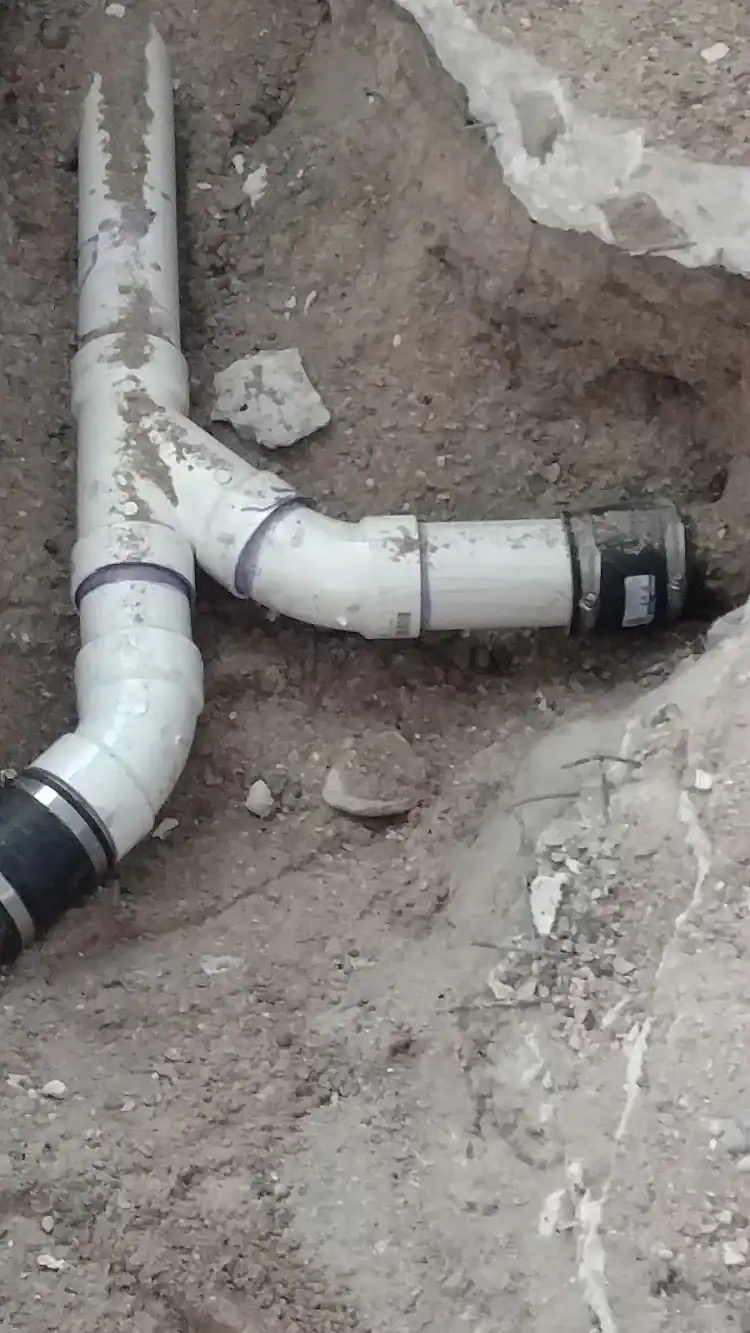
Repiping in Brevard County’s older homes often involves running new PVC lines through attics, walls, or in some cases alongside existing slab-routed lines — depending on the layout of the home and where the current pipes run. The routing decisions affect how disruptive the job is and how long it takes. We walk through that with homeowners before the permit is pulled, so there are no surprises about access points, timeline, or what gets patched when the work is done.
For homes on the barrier islands especially, repiping is often paired with a cast iron drain line replacement — the two systems tend to degrade on similar timelines in salt-air environments. Handling both under a single permit, with one contractor overseeing the full scope, is typically cleaner than splitting the work between two separate jobs and two separate permit applications.
Hiring a Licensed Plumber in Brevard County: What to Confirm Before You Commit
The permit question isn’t bureaucratic red tape. It’s the mechanism that protects your home’s value, keeps your insurance valid, and ensures the work was done to code — something that matters most when you’re trying to sell, file a claim, or simply avoid a county fine years down the road.
Before you hire anyone for a sewer replacement, repipe, or bathroom remodel in Brevard County, ask specifically what type of license they hold and whether they will pull the permit themselves. Then verify the license number at myfloridalicense.com. A contractor who can answer those questions clearly — and who handles the permit process from application through final inspection — is the one worth hiring.
If you’re dealing with slow drains, a failing cast iron system, or a job that’s clearly going to require a permit, Drain Wizard Plumbing & Rooter Service is here to walk you through it. We’ve been doing this work in Brevard County since 2007, we hold Florida CFC License #CFC1428379, and we handle every permit and inspection so you don’t have to.