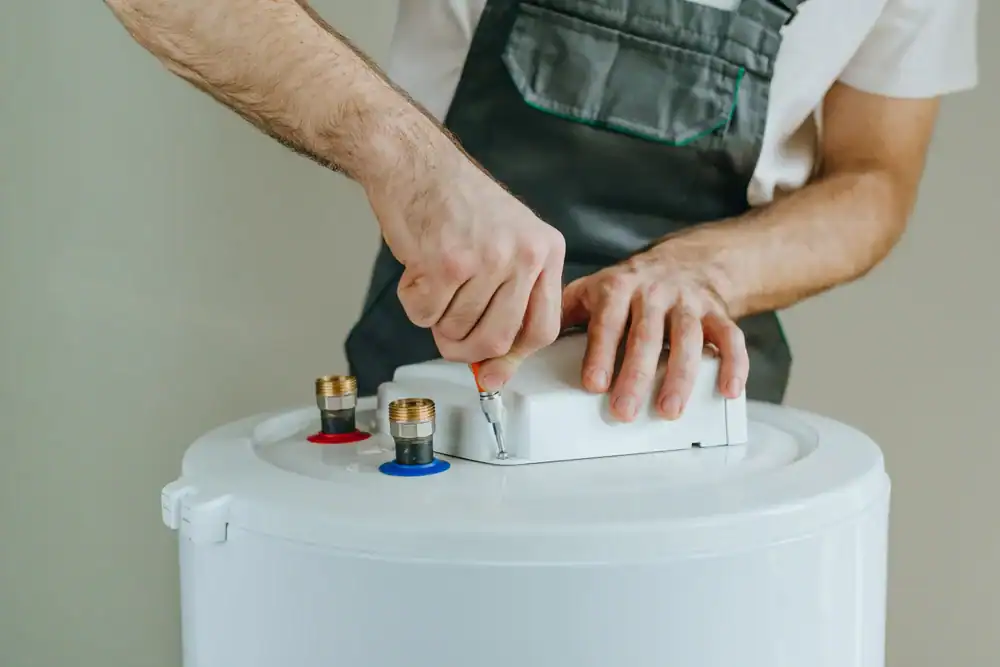
Your water heater picked the absolute worst time to quit. Cold showers before work. Dishes piling up. Laundry on hold. And now you’re trying to figure out if you need a repair, a replacement, or if you’re about to get sold something you don’t need.
Here’s what you actually need: a licensed plumber who can diagnose the problem fast, tell you the truth about whether it’s worth fixing, and get your hot water running again without the runaround. In Brevard County, that means dealing with Florida’s hard water, humidity, and the kind of wear that makes water heaters fail faster here than almost anywhere else. You’ll learn what’s causing the most common problems, when a repair makes sense, what to do if your water heater is leaking right now, and how to avoid getting stuck without hot water again next month.
Water Heater Repair Cocoa FL – Most Common Issues
Most water heater problems show up the same way—no hot water, weird sounds, or water where it shouldn’t be. But the cause depends on what type of system you have and how Florida’s climate has been beating it up.
If you’re getting no hot water at all, you’re likely dealing with a failed heating element in an electric unit or a pilot light issue in a gas system. Inconsistent temperature—water that goes from scalding to freezing mid-shower—usually points to a failing thermostat or sediment buildup interfering with the heating process. And if you’re hearing popping or rumbling sounds, that’s sediment that’s hardened at the bottom of your tank, trapping heat and creating steam pockets that eventually crack and pop.
Brevard County’s water is loaded with minerals. Calcium and magnesium build up fast, especially in our heat and humidity. That sediment doesn’t just make noise—it reduces your tank’s capacity, forces your system to work harder, and speeds up corrosion. It’s one of the main reasons water heaters here don’t last as long as they do up north. Any plumbing repair that ignores Florida’s water conditions is just a temporary fix.
When to Repair vs When to Replace Your Water Heater
Not every broken water heater needs to be replaced, but not every one is worth fixing either. The decision comes down to age, cost, and what’s actually wrong.
If your water heater is less than eight years old and the repair is straightforward—like replacing a thermostat, heating element, or pressure relief valve—fixing it usually makes sense. These repairs typically run between $150 and $400, and they can buy you several more years of reliable service. But if your unit is over ten years old and you’re looking at a repair that costs more than half the price of a new water heater, replacement is almost always the smarter move. Older units are less efficient, more prone to breakdowns, and in Florida’s climate, they’re often on borrowed time anyway.
Tank leaks are a different story. If water is leaking from the tank itself—not a valve or connection—that’s usually game over. Internal tank corrosion can’t be repaired. Once the tank starts leaking, replacement is your only real option. The good news is we can tell you exactly what’s going on during the diagnostic, so you’re not guessing.
The other factor is efficiency. Newer water heaters are significantly more efficient than models from even ten years ago. If you’re replacing a 12-year-old unit, the energy savings alone can offset a chunk of the cost over the next few years. And if you’ve been dealing with lukewarm showers or running out of hot water constantly, a properly sized new unit solves that problem for good.
Florida homeowners also need to think about what happens if the unit fails completely. If your water heater is in the attic or an interior closet, a catastrophic leak can cause thousands in water damage. Sometimes replacing an aging unit before it fails isn’t just about hot water—it’s about avoiding a much bigger problem.
What Causes Water Heaters to Fail Faster in Florida
Florida is tough on water heaters. The combination of hard water, high humidity, and heat creates the perfect storm for premature failure.
Hard water is the biggest culprit. Our groundwater is packed with dissolved minerals that settle inside the tank every time it heats up. Over time, that sediment hardens into a crusty layer at the bottom. It acts like insulation between the heating element and the water, forcing your system to work harder and run longer to get the same results. That extra strain leads to overheating, which weakens the tank and accelerates corrosion. It also explains why flushing your water heater annually matters so much here—it removes that buildup before it becomes a problem.
Humidity plays a role too. High moisture levels in the air speed up rust and corrosion on the outside of the tank and any exposed metal parts. If your water heater is in a garage, outdoor closet, or poorly ventilated utility room, that corrosion happens even faster. Coastal areas like Merritt Island and Cocoa Beach have the added challenge of salt air, which is even more corrosive.
The heat itself also affects performance. When the ambient temperature is already in the 90s, your water heater doesn’t have to work as hard to maintain temperature—but it does cycle on and off more frequently. That constant cycling wears out components like thermostats and heating elements faster than in cooler climates. And when those parts fail, you’re left with no hot water until they’re replaced.
The anode rod—a sacrificial component designed to attract corrosive elements and protect the tank—wears out faster in Florida too. In other parts of the country, an anode rod might last five years. Here, you’re lucky to get three. Once that rod is gone, the tank itself starts corroding, and that’s when leaks develop. Regular inspections and anode rod replacement can add years to your water heater’s life, but most homeowners don’t even know it’s there until we point it out.
All of this adds up to a shorter lifespan. While a water heater might last 12 to 15 years in a place like Colorado, in Brevard County you’re looking at 8 to 10 years on average. Knowing that going in helps you plan for replacement before you’re stuck in an emergency.
Water Heater Leaking – What to Do Right Now
If you’ve got water pooling around your water heater, you need to act fast. Even a small leak can turn into serious water damage in Florida’s humidity, and a major leak can dump 40 to 70 gallons of water into your home.
First, turn off the water supply. Look for the cold water shut-off valve on top of the water heater and turn it clockwise until it stops. That prevents more water from entering the tank and feeding the leak. Next, shut off the power. For electric units, flip the breaker. For gas units, turn the gas valve to the pilot position. Don’t skip this step—working around a powered water heater is dangerous.
Once the water and power are off, try to figure out where the leak is coming from. Not all leaks mean your water heater is toast. Sometimes it’s a loose connection at the top, a faulty pressure relief valve, or a drain valve that’s not sealing properly. Those are all fixable with the right plumbing repair. But if water is coming from the bottom of the tank itself, that usually means internal corrosion, and replacement is the only option.
How to Identify the Source of a Water Heater Leak
Water travels downward, so a puddle at the base doesn’t automatically mean your tank is leaking. The leak could be starting higher up and running down the outside of the unit. Grab a flashlight and check these areas.
Start at the top. Check the cold water inlet and hot water outlet connections. These are under constant pressure, and over time the fittings can loosen or develop small cracks. Feel around the connections for moisture. Even a slow drip here can create a puddle at the bottom after a few hours.
Next, check the temperature and pressure relief valve. This is usually on the side or top of the tank, with a pipe running down toward the floor. It’s a safety device designed to release water if the pressure or temperature gets too high. Sometimes these valves fail or get stuck partially open. Wipe the valve and the discharge pipe dry, then check again in a few minutes to see if new moisture appears.
The drain valve at the bottom of the tank is another common leak point. It’s used for flushing sediment, and if it’s not fully closed or if it’s worn out, it can drip. Try tightening it gently with a wrench. If that doesn’t stop the leak, the valve may need to be replaced.
If none of those areas show signs of leaking, the problem is likely the tank itself. Internal corrosion can cause the tank to develop pinhole leaks or cracks, and once that happens, there’s no fix. The tank has to be replaced. We can confirm the source and walk you through your options.
Don’t ignore a leak, even if it seems minor. In Florida’s humidity, even a small amount of standing water can lead to mold growth within 24 to 48 hours. And if the leak gets worse, you’re looking at damaged flooring, drywall, and everything else in the path of the water.
Tankless Water Heater Repair and Maintenance Brevard County
Tankless water heaters are popular in Florida because they’re energy-efficient and don’t take up much space. But they’re not maintenance-free, and when they break, the repairs can be more complex than traditional tank systems.
The most common issue with tankless units is mineral buildup. Florida’s hard water clogs the heat exchanger, which is the component that actually heats the water as it flows through. When that happens, you’ll notice reduced water flow, inconsistent temperatures, or error codes on the display. The fix is descaling—flushing the system with a cleaning solution to remove the mineral deposits. This tankless water heater maintenance should be done at least once a year in Brevard County, and more often if you have particularly hard water.
Ignition problems are another frequent issue with gas-powered tankless units. If the burner won’t light, it could be a faulty igniter, a dirty flame sensor, or a problem with the gas supply. These repairs require specialized knowledge and the right replacement parts, which is why you want a plumber who’s experienced with tankless systems.
Sensor and thermostat failures can also cause problems. Tankless water heaters rely on sensors to regulate temperature and flow. If a sensor malfunctions, you might get water that’s too hot, too cold, or shuts off unexpectedly. Replacing these components usually costs between $150 and $400, depending on the part and the complexity of the repair.
One advantage of tankless systems is that many issues can be diagnosed through error codes displayed on the unit. We can read those codes, identify the problem quickly, and often complete the tankless water heater repair in a single visit if we have the parts on hand.
The downside is that tankless repairs can be more expensive than traditional tank repairs. Parts are more specialized, and the labor is more involved. But when properly maintained, a tankless water heater can last 15 to 20 years—significantly longer than a traditional tank. Regular descaling and annual inspections are the key to getting that kind of lifespan out of your investment.
If you’re dealing with a tankless water heater that’s acting up, don’t try to DIY it. These systems are more complex than they look, and incorrect repairs can cause bigger problems—or void your warranty.
Get Your Water Heater Fixed Right the First Time
You don’t have time to deal with a water heater that breaks again in two weeks. You need a plumber who can diagnose the real problem, explain your options honestly, and complete the repair so it actually lasts.
Whether you’re dealing with a leak, no hot water, strange noises, or a system that’s just not performing the way it should, the solution starts with an accurate diagnosis. In Brevard County, that means working with someone who understands how Florida’s hard water, humidity, and heat affect your water heater—and who has the experience to fix it right the first time.
If your water heater is acting up or you’re not sure whether to repair or replace, reach out to us at Drain Wizard. Licensed, experienced, and locally owned, we’ve been solving water heater problems throughout Cocoa, Rockledge, Merritt Island, and all of Brevard County for years.