Discover the drain cleaning tools that actually work, safe alternatives to harsh chemicals, and exactly when it's time to call a professional plumber in Brevard County.
Share:
Summary:
Before you spend money on expensive equipment or harsh chemicals, there are a handful of simple drain cleaning tools that handle most common household clogs. These aren’t gimmicks. They’re the same methods we recommend trying first before escalating to professional equipment.
The trusty plunger tops the list. Not the flimsy one that came with your apartment—a real plunger with a good seal. Cup plungers work for sinks and tubs. Flange plungers are built for toilets. The difference matters because without a proper seal, you’re just moving water around instead of creating the pressure needed to dislodge a clog.
Next up is the manual drain snake, sometimes called a hand auger. This flexible cable feeds into your drain and breaks up clogs that are just out of reach of a plunger. You can grab one at any hardware store for under twenty bucks, and it’ll handle most minor to moderate blockages you’ll face as a homeowner.
Here’s where people get confused. A plumbing snake and a drain auger sound like the same thing, and honestly, a lot of folks use the terms interchangeably. But there’s a real difference that matters when you’re staring down a clogged drain wondering which tool to grab.
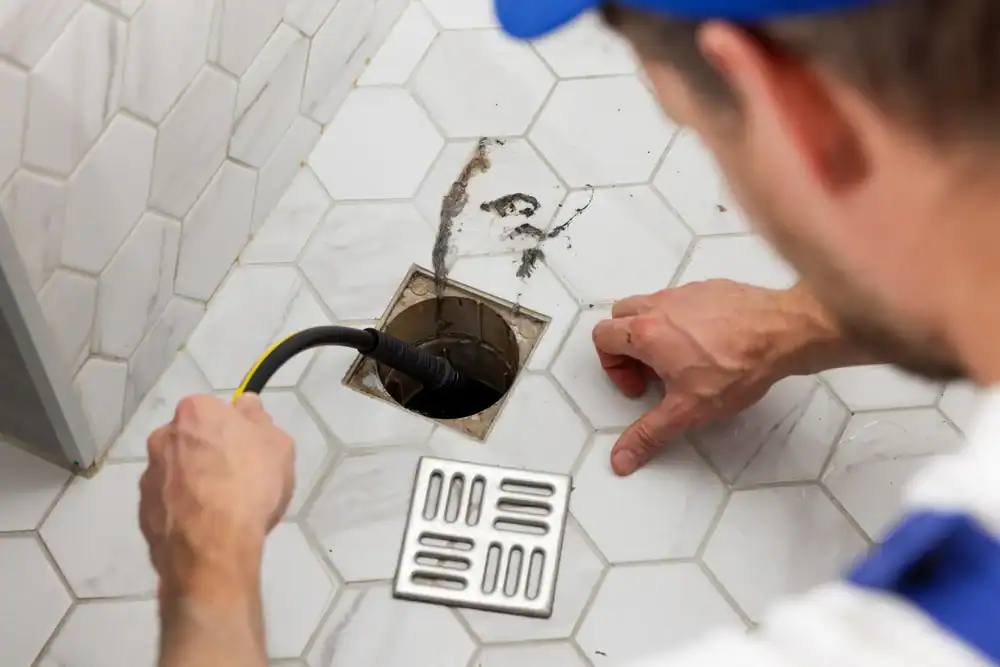
Drain snakes are smaller, more flexible tools designed for household drains. They handle pipes ranging from about one and a quarter inches to two inches in diameter—think bathroom sinks, tub drains, and shower drains. The cable is thinner, which lets it navigate tight bends without damaging your pipes. You feed it in slowly, turning the handle as you go, until you feel resistance. That’s your clog. A few twists, a little back-and-forth action, and you’ve either snagged it or broken it apart enough to flush it through.
Drain augers are the heavier-duty cousin. These tackle larger pipes—toilets, floor drains, main branch lines—usually between one and a half to three inches in diameter. The cable is thicker and stronger, built to push through tougher blockages deeper in your system. Toilet augers even come with a protective rubber sleeve so you don’t scratch your porcelain bowl while you’re working.
Here’s the thing: using the wrong tool can actually make things worse. A snake that’s too small for the pipe just coils up inside without grabbing anything. An auger that’s too aggressive can crack older pipes or push the clog deeper instead of clearing it. So before you start cranking, make sure you’re using the right tool for the job.
If you’re not sure which one you need, think about where the clog is. Bathroom sink moving slow? Snake. Toilet won’t flush after you’ve tried the plunger? Auger. Multiple drains backing up at once? That’s not a snake or auger problem—that’s a call-us problem.
Chemical drain cleaners are everywhere, and they promise fast results. But here’s what they don’t tell you on the bottle: those harsh chemicals can corrode your pipes over time, especially if you’ve got older plumbing. They’re also dangerous if you breathe in the fumes, touch them with bare skin, or—worst case—a kid or pet gets into them. Not worth it.
The good news? You probably already have safer, effective alternatives sitting in your kitchen. Baking soda and vinegar aren’t just for science fair volcanoes. Pour about half a cup of baking soda down the drain, follow it with a cup of white vinegar, and cover the drain for about thirty minutes. The fizzing reaction helps break down grease, soap scum, and other gunk. Flush it with hot water afterward, and you’re done. The EPA even backs this up as a safer alternative to commercial drain cleaners.
For grease clogs in your kitchen sink, boiling water works surprisingly well. Heat up a pot, let it cool for just a minute so you don’t crack any porcelain, then pour it straight down the drain. The heat melts the grease so it can wash through. You might need to do this a couple of times for stubborn buildup, but it’s cheap, easy, and won’t damage your pipes.
Salt is another one people overlook. Mix half a cup of salt with half a cup of baking soda, pour it down the drain, and let it sit for at least thirty minutes—overnight if you can. Then flush with boiling water. This combo works as a gentle abrasive that scrubs away buildup without the chemicals.
If you prefer something ready-made, enzyme-based drain cleaners use natural bacteria to digest organic material in your pipes. They’re safe for septic systems, won’t harm your plumbing, and they actually work—just not as fast as chemicals. Think of them as preventive maintenance rather than emergency relief. Pour some down your drains once a month, let it sit overnight, and you’ll keep clogs from forming in the first place.
Want live answers?
Connect with a Drain Wizard Plumbing expert for fast, friendly support.
Sometimes a plunger and some baking soda just aren’t going to cut it. When you’re dealing with deep clogs, recurring backups, or multiple drains acting up at once, that’s your plumbing system telling you it needs professional attention.
We have drain cleaning tools and techniques that go way beyond what’s available at the hardware store. The most common is hydro-jetting, which uses high-pressure water to blast through clogs and scour the inside of your pipes clean. It’s not just about clearing the blockage—it’s about removing all the buildup that caused it in the first place.
Then there’s camera inspection, where a waterproof camera feeds through your pipes to show exactly what’s going on. Tree roots invading your sewer line? Collapsed pipe? Years of grease buildup? You’ll see it all on screen before any work even starts. That kind of precision means you’re not guessing about the problem or the solution.
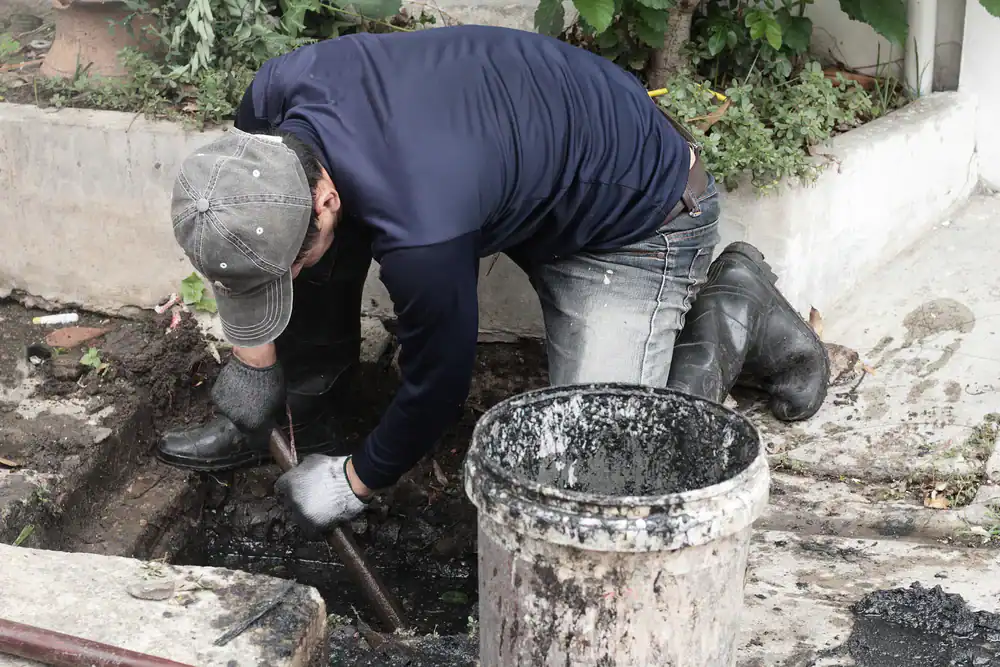
Hydro-jetting sounds fancy, but the concept is straightforward. We feed a specialized hose into your drain line, and high-pressure water—we’re talking 3,500 PSI or more—blasts out through a nozzle designed to scour every inch of your pipe walls. It clears grease, mineral deposits, soap scum, hair, and even tree roots that have worked their way into your sewer line.
What makes hydro-jetting different from snaking is that it doesn’t just poke a hole through the clog. It removes everything, leaving your pipes as clean as they were when they were first installed. That means you’re not just fixing today’s problem—you’re preventing next month’s clog from forming.
The process typically takes thirty to forty-five minutes for a residential job. We’ll usually run a camera inspection first to make sure your pipes can handle the pressure. Older, weakened pipes might crack under that kind of force, so it’s not a one-size-fits-all solution. But for most modern plumbing systems, it’s one of the most thorough drain cleaning methods available.
Cost-wise, you’re looking at somewhere between $350 and $600 on average, though more severe clogs can push that higher. That might sound steep compared to a bottle of drain cleaner, but consider this: hydro-jetting can keep your drains clear for a year or more, while chemical cleaners are a temporary fix at best. You’re also avoiding the potential pipe damage that harsh chemicals can cause over time.
It’s also an eco-friendly option. No chemicals, no toxic fumes—just water doing the work. For Brevard County homeowners dealing with Florida’s humidity and the mineral-heavy water that comes with it, hydro-jetting tackles the specific buildup issues we face down here.
Knowing when to stop DIY-ing and call us can save you from turning a manageable clogged drain into an expensive disaster. There are a few clear signs that it’s time to bring in a professional, and ignoring them usually makes things worse—fast.
First, if multiple drains in your house are backing up at the same time, that’s not a coincidence. It means the clog is in your main sewer line, not in an individual drain. You can snake your bathroom sink all day long, but if the problem is fifty feet down the line where everything converges, you’re wasting your time. This is a job for professional drain cleaning equipment and someone who knows how to use it.
Recurring clogs are another red flag. If you’re clearing the same drain every few weeks, you’re not actually fixing the problem—you’re just temporarily relieving the symptoms. There’s something deeper going on, whether it’s a partial blockage, a damaged pipe, or buildup that keeps reforming. We can diagnose the root cause and actually solve it instead of just kicking the can down the road.
Foul sewage smells coming from your drains aren’t just unpleasant—they’re a warning sign. That smell means wastewater isn’t flowing where it should be, and it’s backing up somewhere in your system. No amount of hot water or baking soda is going to fix that. You need someone to locate the blockage and clear it before you end up with sewage backing up into your home.
If you’ve already tried plunging, snaking, and natural drain cleaners without success, that’s your cue. Stubborn clogs that won’t budge usually mean the blockage is too deep, too dense, or caused by something that requires professional tools to remove. Continuing to mess with it yourself risks damaging your pipes or pushing the clog further down where it becomes an even bigger problem.
Water backing up in unexpected places is another major warning sign. If flushing your toilet causes water to bubble up in your shower, or running your washing machine makes your kitchen sink overflow, you’ve got a serious drainage issue that needs immediate professional attention. These are symptoms of a main line problem, and they won’t resolve on their own.
Finally, if you live in an older home—especially here in Brevard County where many houses were built before 1975—and you’re experiencing drainage issues, it’s worth having us take a look. Older cast iron pipes corrode over time, and what seems like a simple clog might actually be a deteriorating pipe that needs replacement. A camera inspection can show you exactly what’s happening inside those walls before a small issue becomes a major repair.
You don’t need to be a plumber to handle most minor drain clogs. A good plunger, a manual snake, and some basic household items will get you through the majority of situations. But knowing the difference between a problem you can solve and one that needs professional help? That’s what protects your home and your wallet.
The key is paying attention to what your drains are telling you. One slow sink? Try the baking soda and vinegar trick. Multiple drains backing up? Put down the snake and give us a call. Recurring issues that won’t stay fixed? That’s your plumbing asking for professional attention.
If you’re dealing with stubborn clogs, repeated backups, or you just want peace of mind that your drains are in good shape, we’ve been helping Brevard County homeowners since 2007. We’ll tell you straight whether you need a simple cleaning or something more involved—no upselling, no runaround, just honest answers and quality work.
Article details:
Share:
Continue learning: