Before breaking ground on your bathroom renovation, asking the right questions can save you thousands and prevent major headaches down the road.
Share:
Summary:
This might seem obvious, but you’d be surprised how many homeowners skip this step. Asking about licensing and insurance isn’t just a formality—it’s the foundation of everything else.
In Florida, plumbing work requires a state license, and any reputable professional plumber should be able to show you their credentials without hesitation. That license means they’ve passed the required testing, understand Florida building codes, and are legally authorized to do the work. Insurance protects you if something goes wrong during the project—whether that’s an injury on-site or accidental damage to your home.
If a plumber hesitates, dodges the question, or tells you licensing “isn’t necessary” for your type of project, that’s your cue to walk away. Working with an unlicensed contractor can void your homeowner’s insurance, leave you liable for accidents, and create serious problems down the road if the work doesn’t meet code.
Don’t just take their word for it. Florida makes it easy to verify contractor licenses through the Department of Business and Professional Regulation website. You can search by name or license number and see if their credentials are current, if there have been any complaints filed against them, and whether they’re in good standing.
This takes five minutes and can save you from hiring someone who’s operating illegally or has a history of shoddy work. When you’re investing thousands into a bathroom renovation, that’s five minutes well spent.
Beyond the state license, ask if they’re insured—both for general liability and workers’ compensation. General liability covers damage to your property. Workers’ comp protects you if someone gets hurt while working in your home. A licensed contractor should carry both, and they should be willing to provide proof.
If they can’t or won’t show you documentation, that’s a red flag. Legitimate plumbers expect this question and come prepared with answers. It’s the ones cutting corners who get uncomfortable when you ask.
And here’s something a lot of homeowners don’t realize: in Brevard County and across Florida, even if you hire a general contractor to oversee your bathroom remodel, the plumbing work still needs to be done by a licensed plumber. Some contractors will try to handle it themselves or bring in an unlicensed “helper” to save money. That’s not just risky—it’s illegal. Make sure the person doing the actual plumbing work holds the proper credentials.
You’re not being difficult by asking these questions. You’re being smart. Any professional plumber who’s worth hiring will respect that.
Let’s talk about what’s actually at stake here, because this isn’t just about following rules for the sake of it. Hiring an unlicensed plumber can create real, expensive problems that don’t show up until it’s too late.
First, there’s the insurance issue. If something goes wrong—a burst pipe, a flooded bathroom, structural damage—and the work was done by someone without a license, your homeowner’s insurance may refuse to cover it. That means you’re paying out of pocket for repairs that could’ve been avoided.
Then there’s the resale problem. When you go to sell your home, unpermitted or unlicensed work can surface during inspections. Buyers will either walk away or demand that you fix it before closing. That could mean tearing out finished work, getting retroactive permits, and paying a licensed professional to redo everything the right way. It’s not uncommon for homeowners to spend more fixing unlicensed work than they would’ve spent hiring the right person from the start.
And here’s the part that really stings: if the work doesn’t meet Florida building codes, you could be hit with fines from your local building department. In some counties, those fines can be steep—sometimes up to 100% of what the original permit would’ve cost, plus additional penalties.
Beyond the financial risks, there’s the quality issue. Unlicensed plumbers often lack the training to handle complex jobs like plumbing rough-in, pipe relocation, or working with Florida’s strict moisture and ventilation requirements. That means you’re more likely to end up with leaks, improper drainage, code violations, and a bathroom that doesn’t function the way it should.
It’s not worth the gamble. Hiring a licensed contractor might cost a bit more upfront, but it protects your investment, keeps you compliant with local regulations, and gives you recourse if something goes wrong. When you’re spending thousands on a bathroom remodel, cutting corners on the plumber is the last place you want to save money.
Want live answers?
Connect with a Drain Wizard Plumbing expert for fast, friendly support.
Permits aren’t the most exciting part of a bathroom renovation, but they’re one of the most important. And if your plumber doesn’t bring them up, that’s a problem.
In Brevard County, most bathroom remodels that involve plumbing changes require a permit. That includes moving fixtures, replacing water lines, installing new drains, or making any alterations to your plumbing system. Even something as simple as relocating a toilet or adding a second sink can trigger permitting requirements under Florida building codes.
A professional plumber should know what permits your project needs and be able to walk you through the process. They should also be the one pulling those permits—not asking you to do it yourself. If a plumber tells you permits aren’t necessary or suggests skipping them to “save time and money,” that’s a massive red flag.
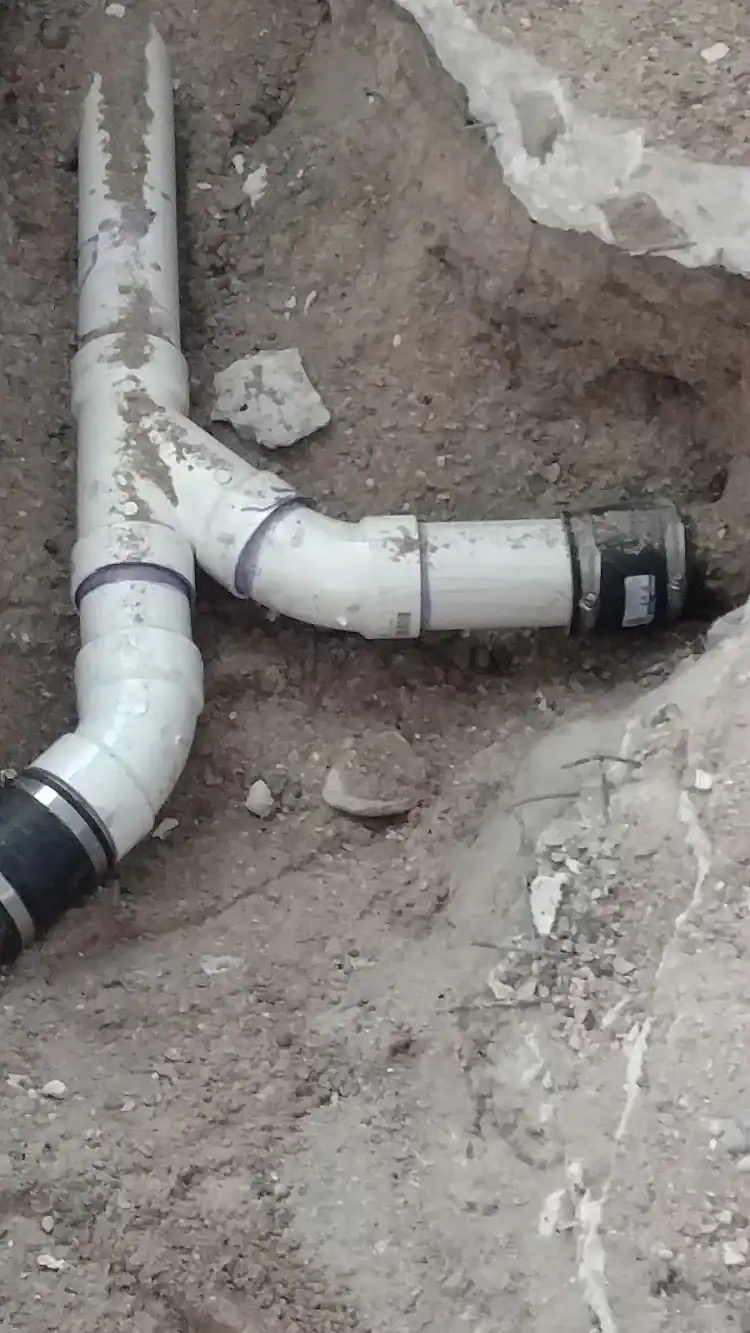
Permits aren’t just bureaucratic red tape. They exist to make sure the work being done in your home is safe, up to code, and won’t create problems down the line. When you pull a permit, your project gets inspected at key stages—rough-in, final installation, and sometimes more depending on the scope. Those inspections catch mistakes before they’re hidden behind drywall and tile.
Here’s what a lot of homeowners don’t realize: unpermitted work can haunt you for years. If you ever decide to sell your home, a buyer’s inspector may notice signs of recent plumbing work. If there’s no permit on file with the county, that raises questions. Some buyers will walk away. Others will demand that you get retroactive permits and bring everything up to code before they’ll close. That can mean tearing out finished work, paying for inspections, and redoing parts of the project—all on your dime.
Insurance is another factor. If a plumbing issue causes damage to your home and the work wasn’t permitted, your insurance company can deny the claim. That leaves you holding the bag for repairs that could run into the thousands.
And then there’s the legal side. In Florida, doing plumbing work without the required permits is a code violation. If it’s discovered, you could face fines from your local building department. In some cases, you may even be required to remove the work entirely and start over with a licensed contractor.
The bottom line? Permits protect you. They ensure the work is done right, they keep you compliant with local laws, and they give you documentation that the job was completed by a licensed professional. Any plumber who tries to talk you out of getting a permit is either cutting corners or doesn’t understand the regulations—and either way, that’s not someone you want working on your home.
A good plumber will handle the permitting process as part of the job. They’ll know what’s required for your specific project, they’ll submit the applications, and they’ll coordinate with the building inspector to make sure everything passes. That’s what you should expect when you’re hiring a professional.
Not every bathroom update requires a permit, but most remodels do—especially if you’re making changes to the plumbing, electrical, or structure. In Brevard County, the rules are pretty clear: if you’re replacing or installing water, sewer, gas, or piping systems, you need a residential plumbing permit. That includes things like moving a toilet, adding a new shower, relocating a sink, or running new supply lines.
On the other hand, simple fixture replacements—like swapping out a toilet for a new model in the same location, or replacing a faucet without changing the plumbing—typically don’t require a permit. But here’s the catch: if you’re doing a full bathroom renovation where you’re tearing things down to the studs and reconfiguring the layout, you’re almost certainly going to need permits for plumbing, electrical, and possibly structural work.
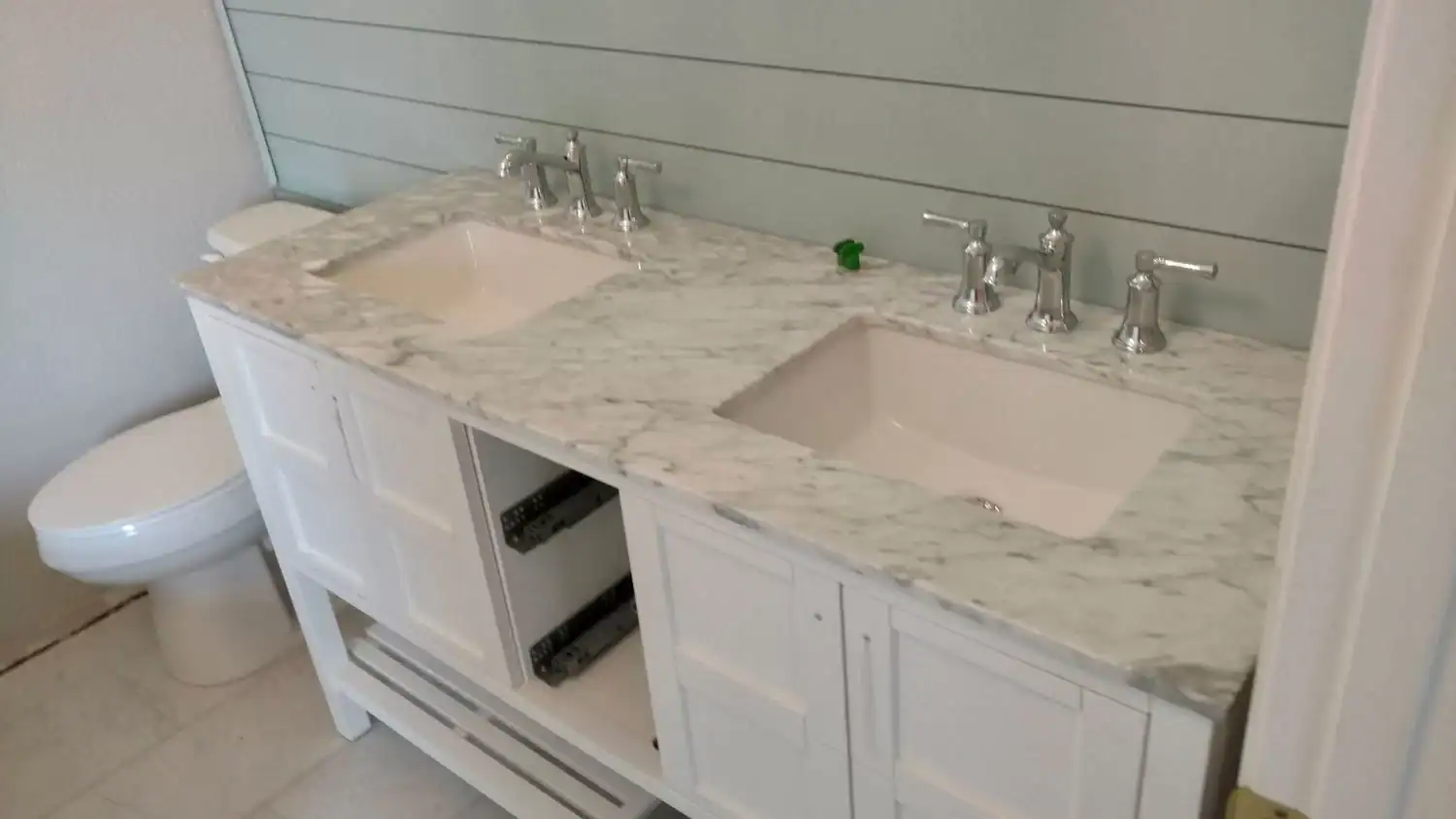
The confusion comes in when homeowners assume that because they’re “just updating” the bathroom, permits don’t apply. But moving a shower drain six inches, relocating a vanity to the opposite wall, or upgrading to a double sink setup all involve changes to the plumbing system—and those changes need to be inspected and approved.
Florida’s building codes are stricter than in many other states, largely because of the climate. Humidity, coastal exposure, and the risk of hurricanes mean that plumbing and waterproofing have to meet higher standards. Inspectors are looking for proper venting, correct pipe sizing, adequate slope for drainage, and moisture-resistant materials. Skipping the permit process means skipping those checks—and that’s when problems start.
If you’re not sure whether your project needs a permit, ask your plumber. A professional plumber who’s familiar with Brevard County regulations will know exactly what’s required. They’ll also know how to navigate the process efficiently so it doesn’t slow down your timeline.
And if a plumber tells you that permits are optional or that “nobody really bothers with them,” take that as a sign to find someone else. The right professional plumber will make permitting a standard part of the process—not an afterthought.
Not all plumbers are created equal. Some specialize in emergency repairs—fixing leaks, unclogging drains, replacing water heaters. Others focus on new construction or commercial work. What you need for a bathroom renovation is someone with specific experience in residential bathroom remodels and plumbing rough-in.
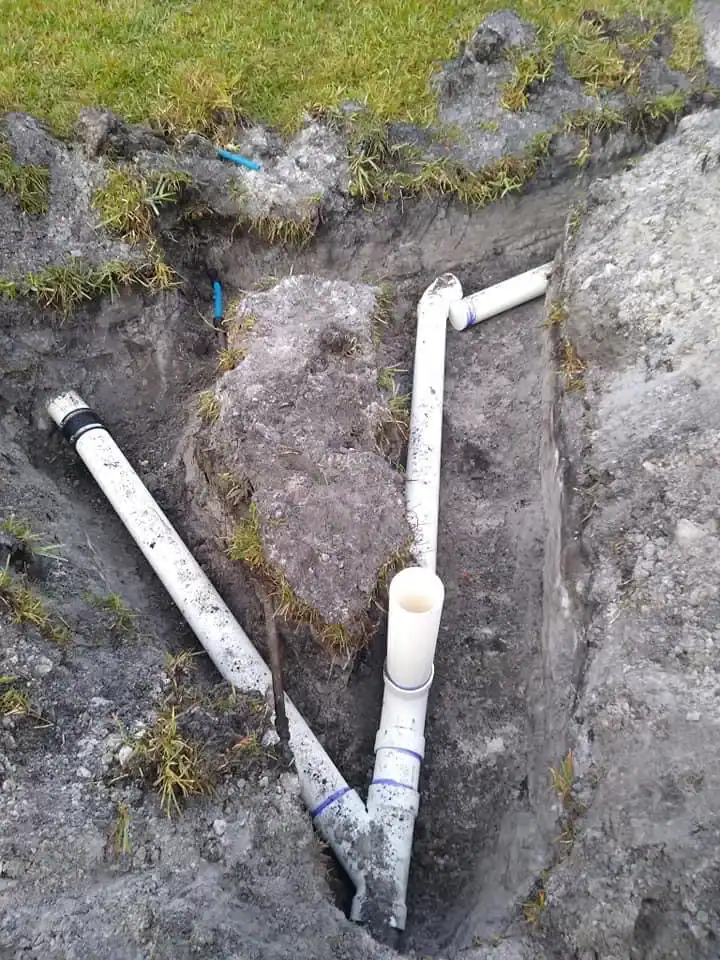
Rough-in is the stage where water supply lines, drain pipes, and vent pipes get installed before the walls are closed up. It’s the foundation of your entire plumbing system, and if it’s done wrong, you’ll deal with the consequences for years. Fixtures that don’t fit. Drains that don’t slope properly. Vents that cause slow drainage or sewer gas buildup. These aren’t small issues—they’re expensive, disruptive problems that often require tearing out finished work to fix.
When you ask about experience, you’re not just being polite. You’re trying to figure out if this person has done what you’re asking them to do—and if they’ve done it well.
Article details:
Share:
Continue learning: