Hydro-jetting uses high-pressure water to completely clean pipes, removing grease, roots, and buildup that snaking leaves behind—delivering results that actually last.
Share:
Hydro-jetting is a drain cleaning method that uses high-pressure water—typically between 1,500 and 4,000 PSI—to blast through clogs and scour the inside of your pipes. A specialized nozzle gets fed into your drain line, shooting water in multiple directions to clean every angle of the pipe.
Think of it like power washing the inside of your plumbing. The water pressure is strong enough to cut through grease, break up tree roots, and strip away years of mineral buildup. What comes out isn’t just the clog—it’s everything that was clinging to the pipe walls.
Traditional snaking uses a metal cable to punch a hole through the blockage. That works for immediate relief, but it leaves residue behind. Hydro-jetting removes it all, which is why the results last longer.
If your kitchen sink clogs every few months, or your main line backs up like clockwork, snaking isn’t solving the problem. It’s just buying you time.
Snaking clears enough space for water to pass, but it doesn’t remove the grease coating your pipes or the sludge stuck to the walls. That buildup acts like flypaper—catching everything that flows through. Hair, soap scum, food particles—they all stick. And within weeks or months, you’re clogged again.
Hydro-jetting removes that coating. The high-pressure water scours the pipe clean, leaving smooth walls that don’t trap debris as easily. You’re not just treating the symptom—you’re eliminating the cause.
This is especially important in Florida, where grease buildup happens fast. Hot, humid weather keeps fats and oils soft, so they cling to pipes instead of hardening and breaking apart. Add in the sandy soil that can infiltrate cracked lines, and you’ve got a recipe for repeat problems.
Hydro-jetting handles all of it. It clears grease, flushes out sand and sediment, and restores your pipes to near-original capacity. If you’re tired of calling a plumber every few months, this is the reset you need.
The process starts with a camera inspection to check the condition of your pipes. If everything’s structurally sound, the jetting hose gets inserted through a cleanout or drain opening. We control the pressure and feed the line through, letting the water do the work. The debris gets flushed into the sewer, and you’re left with clean pipes that actually stay clean.
Tree roots are one of the biggest causes of sewer line problems in Brevard County. Mature oaks, ficus trees, and even palm roots seek out moisture, and your sewer line is a perfect water source. Once roots find a crack or loose joint, they grow inside the pipe, expanding until they create a total blockage.
Snaking can break through roots temporarily, but it doesn’t remove them. The cable punches a hole, water flows again, and the roots keep growing. Within months, you’re back to square one.
Hydro-jetting cuts roots out completely. The high-pressure water stream—up to 4,000 PSI—is strong enough to slice through root masses and flush them out of the line. It’s not a permanent fix if your pipe is cracked (roots will eventually return), but it buys you significantly more time than snaking does.
For older homes in Cocoa, Rockledge, or Merritt Island with clay or cast iron sewer lines, root intrusion is almost inevitable. Clay pipes are porous and crack over time. Cast iron corrodes. Both create entry points for roots.
If your drains are slow across multiple fixtures, you hear gurgling when you flush, or you’ve got a patch of lawn that’s unusually green and lush, roots are likely the problem. A camera inspection can confirm it, and hydro-jetting can clear it.
After jetting, many homeowners choose to line their pipes with epoxy or replace damaged sections to prevent roots from coming back. But even without that step, hydro-jetting gives you a clean, clear line and a lot more time before the next service call. It’s the difference between a six-month fix and a multi-year solution.
Want live answers?
Connect with a Drain Wizard Plumbing expert for fast, friendly support.
Both methods clear clogs, but they’re not interchangeable. Snaking is faster and cheaper for simple blockages close to the drain opening. Hydro-jetting is more thorough and handles tougher, deeper issues.
If you’ve got a single slow drain and it’s the first time it’s happened, snaking is probably fine. If the problem keeps coming back, if multiple drains are slow, or if you’re dealing with grease or roots, hydro-jetting is the better call.
Cost is a factor, but so is frequency. Snaking might run $100 to $275. Hydro-jetting typically costs $300 to $800 or more, depending on the severity of the clog and the length of the line. But if snaking only lasts a few months and you’re paying for repeat visits, hydro-jetting often ends up being the more economical choice.
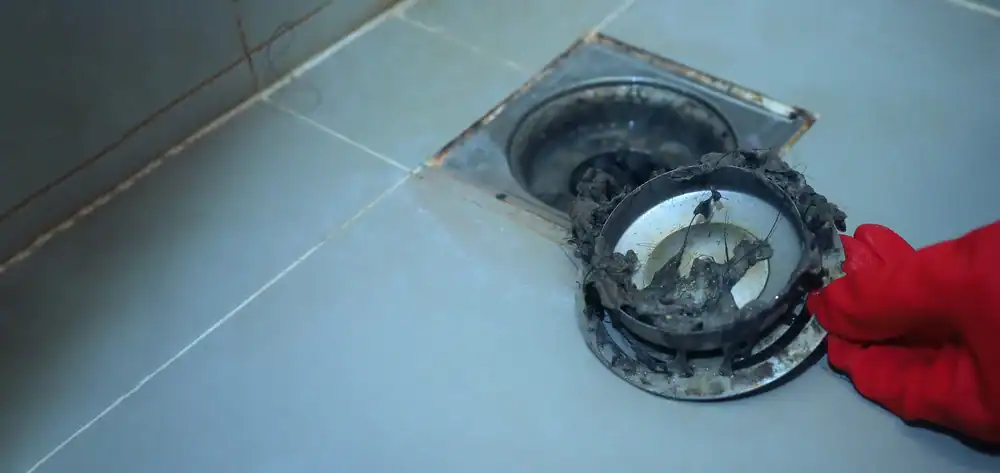
Snaking is a solid option for minor clogs in accessible areas—think bathroom sinks, tubs, or toilets where the blockage is close to the drain. If it’s hair, toilet paper, or something that got dropped down the drain, a snake can usually grab it or break it apart quickly.
It’s also the safer choice for very old or fragile pipes. Homes built before 1960 sometimes have clay or early cast iron lines that can’t handle high water pressure without cracking. In those cases, snaking is gentler and less likely to cause damage.
But snaking has limits. It doesn’t remove buildup. It doesn’t clean the pipe. And it can’t handle deep blockages or root masses effectively.
If you’re dealing with a main sewer line clog, recurring kitchen drain issues, or anything involving grease or roots, snaking is just a Band-Aid. You’ll get temporary relief, but the problem will come back—often faster than you expect.
That’s where hydro-jetting shines. It’s designed for the tough stuff. Heavy grease from cooking, mineral deposits from hard water, tree roots infiltrating your sewer line, sludge and debris that’s been building up for years—hydro-jetting handles all of it.
The key is knowing what you’re dealing with. We’ll inspect your line first, often with a camera, to see what’s causing the clog and whether your pipes can handle the pressure. If the line is damaged or collapsed, jetting won’t fix it—you’ll need repair or replacement. But if the pipes are intact and the problem is buildup or roots, hydro-jetting delivers results that snaking simply can’t match.
Florida’s climate creates plumbing challenges you don’t see in other states. High humidity, sandy soil, aggressive vegetation, and year-round heat all put extra stress on sewer lines and drain pipes.
Grease doesn’t solidify the way it does in colder climates—it stays soft and sticky, coating pipes and trapping debris. Tree roots grow year-round, constantly seeking moisture and infiltrating any weak spots in your sewer line. Sandy soil shifts and settles, putting pressure on underground pipes and creating cracks that let roots and sediment in.
Add in the fact that many Brevard County homes were built before 1990 and still have original clay or cast iron sewer lines, and you’ve got a perfect storm for recurring drain problems.
Hydro-jetting addresses all of these issues at once. It clears grease, cuts through roots, flushes out sand and sediment, and restores full flow to your pipes. It’s especially valuable for homes with mature landscaping, older plumbing, or recurring clogs that snaking hasn’t solved.
If you’re in Cocoa, Rockledge, Merritt Island, Melbourne, or anywhere on the Space Coast, chances are your plumbing is dealing with at least one of these challenges. Hydro-jetting isn’t just a drain cleaning method—it’s a reset for your entire system.
The process is eco-friendly, too. It uses only water—no harsh chemicals that can damage pipes or contaminate groundwater. For homes with septic systems or properties near the Indian River Lagoon, that matters. You’re getting a deep clean without introducing toxins into the environment.
And because hydro-jetting is so thorough, the results last longer. You’re not just pushing the problem down the line—you’re eliminating it. That means fewer service calls, less disruption, and more confidence that your drains will actually work when you need them to.
Drain problems don’t fix themselves, and temporary solutions just cost you more in the long run. If you’re dealing with recurring clogs, slow drains, or backups, hydro-jetting offers a real solution—not just a quick patch.
It clears grease, removes roots, eliminates buildup, and restores your pipes to near-new condition. For Florida homes dealing with tree roots, sandy soil, and aging infrastructure, it’s often the only method that delivers lasting results.
If you’re in Brevard County and tired of calling a plumber every few months, it’s time to try something that actually works. We’ve been solving these exact problems for homeowners across Cocoa, Rockledge, Merritt Island, and the Space Coast since 2007. Reach out, and let’s get your drains flowing the way they should.
Article details:
Share:
Continue learning: