That sound of water constantly trickling into your toilet bowl isn’t just annoying. It’s literally money flowing down the drain. A running toilet can waste 200 gallons of water every single day, and that puddle forming around the base isn’t going to dry up on its own.
You’re probably wondering if this is something you can fix yourself or if you need to call a plumber. The answer depends on what’s actually causing the leak, how comfortable you are working inside a toilet tank, and whether that visible problem is hiding something worse. Let’s walk through the most common toilet water leak repairs so you can make the right call for your situation and your budget.
Common Toilet Leaks You Might Be Able to Fix Yourself
Most toilet leaks happen inside the tank, and many of them involve parts that cost less than $20 and take under 30 minutes to replace. If you’re reasonably handy and the problem is straightforward, DIY can save you the cost of a service call.
The most common culprit is a worn flapper. This rubber seal at the bottom of your tank lifts when you flush and should create a watertight seal when it settles back down. Over time, flappers get stiff, warped, or covered in mineral deposits. When that happens, water leaks from the tank into the bowl continuously, and your fill valve keeps running to replace it.
You can test this with food coloring. Drop a few drops into the tank, wait 15 minutes without flushing, and check the bowl. If you see color, your flapper isn’t sealing. Replacing it costs about $5 to $15 and doesn’t require any special tools. Just turn off the water supply, flush to empty the tank, unhook the old flapper, and snap the new one into place.
Cost to Fix Running Toilet: What You’ll Actually Spend
Let’s talk real numbers, because that’s probably what brought you here in the first place.
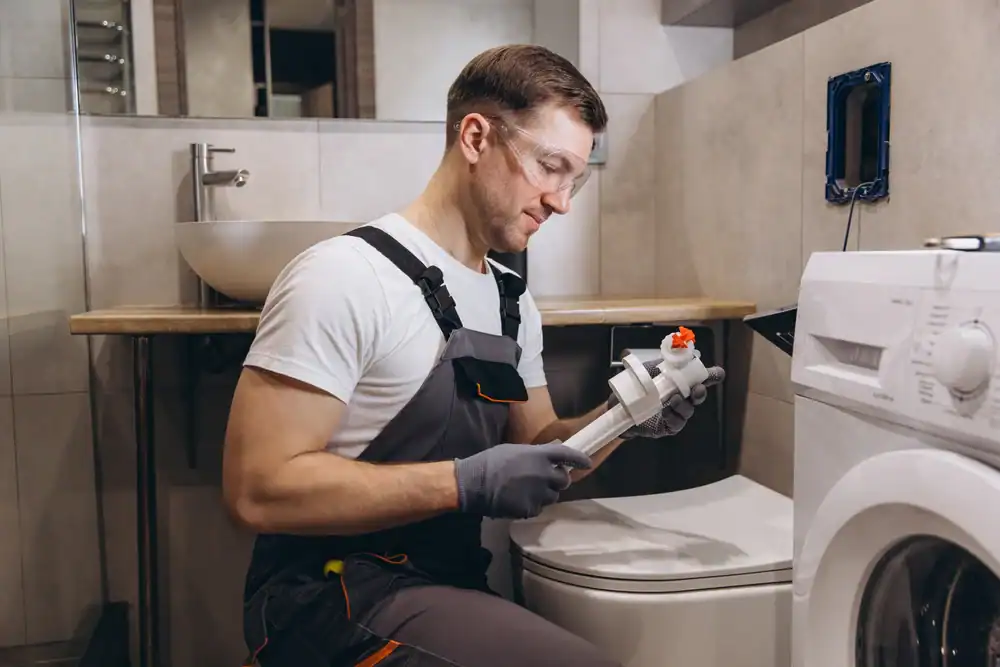
If you’re fixing a running toilet yourself, you’re looking at $5 to $30 in parts depending on what needs replacing. A flapper runs $5 to $15. A fill valve costs $10 to $25. You can pick these up at any hardware store, and most come with basic instructions. If you’ve got an adjustable wrench and a bucket to catch drips, you’ve got everything you need.
Professional toilet repair in Brevard County typically runs $150 to $400 for most common issues. That includes the service call, labor, parts, and a guarantee that the work is done right. If we find that the problem goes beyond a simple part replacement, you’ll know before we start the work.
Here’s the thing most people don’t consider: the cost of getting it wrong. If you spend $20 on parts and two hours of your Saturday only to find the toilet still running, you’re out that time and money before you call a professional anyway. And if you accidentally crack the tank, strip a bolt, or cross-thread a connection, you’ve just turned a $150 repair into a much bigger problem.
The other cost? Your water bill. A toilet that runs constantly wastes 200 to 1,000 gallons per day depending on the severity of the leak. That’s an extra $20 to $70 on your monthly water bill, sometimes more. If you wait even a few weeks to fix it, you’ve already spent what a plumber would have charged.
So yes, DIY can save money. But only if the repair actually works and you catch it early.
Fix Leaking Toilet Shut Off Valve: Tighten or Replace?
If you’re seeing water behind your toilet near the wall, the problem might not be the toilet itself. It could be the shut-off valve, and this is where things get a little trickier.
The shut-off valve controls water flow to your toilet. It’s that small valve sticking out of the wall or floor, usually with a football-shaped handle. These valves can sit untouched for years, and when they finally get used, the packing nut can loosen or the internal washers can fail.
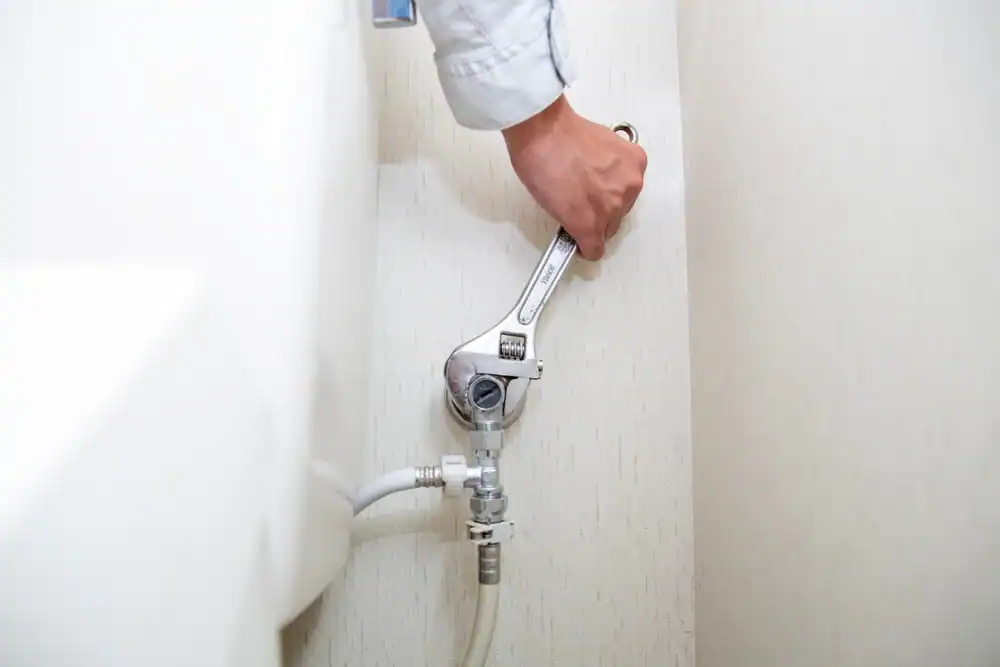
Start simple. Place a bucket under the valve and use an adjustable wrench to tighten the packing nut about an eighth of a turn. Sometimes that’s all it takes to stop a small drip. If tightening doesn’t work, you’ll need to shut off your home’s main water supply and take the valve apart to inspect or replace the washers.
Here’s where most DIYers hit a wall. Shut-off valves that have been in place for decades can be corroded, stuck, or connected with old plumbing that doesn’t respond well to being disturbed. If you start unscrewing a 30-year-old valve and the pipe behind it cracks, you’re looking at a much bigger repair. And if the valve itself is cracked or the threads are damaged, you’ll need to replace the entire assembly, which often means cutting pipes and soldering or using compression fittings.
This is one of those repairs where calling us makes sense even if you’re capable of doing it yourself. The risk of causing additional damage, especially with older plumbing, often outweighs the cost of having it done right the first time. We can also inspect the supply line and connections while we’re there to make sure you’re not dealing with a bigger issue down the road.
Toilet Constantly Running Fix: When the Problem Is Bigger Than You Think
Sometimes what looks like a simple running toilet is actually a symptom of something else. And if you don’t catch it, you’re fixing the same problem over and over while the real issue gets worse.
A toilet that keeps running after you’ve replaced the flapper and fill valve might be dealing with water pressure that’s too high. Excessive pressure puts stress on every component in your plumbing system and can cause parts to fail prematurely. It can also indicate problems with your home’s pressure-reducing valve if you have one.
Other times, the issue is with the flush valve assembly itself. If the valve seat is corroded or the gasket between the tank and bowl is failing, replacing the flapper won’t help. You’ll need to pull the tank, replace the gasket and hardware, and reseal everything properly. That’s a bigger job that requires more tools, more time, and a higher chance of something going wrong if you’re not experienced.
Signs Your Toilet Leak Indicates Bigger Plumbing Problems
Pay attention to what else is happening in your home when your toilet acts up. If you’re noticing any of these signs, the leak you’re seeing is probably connected to a larger plumbing issue.
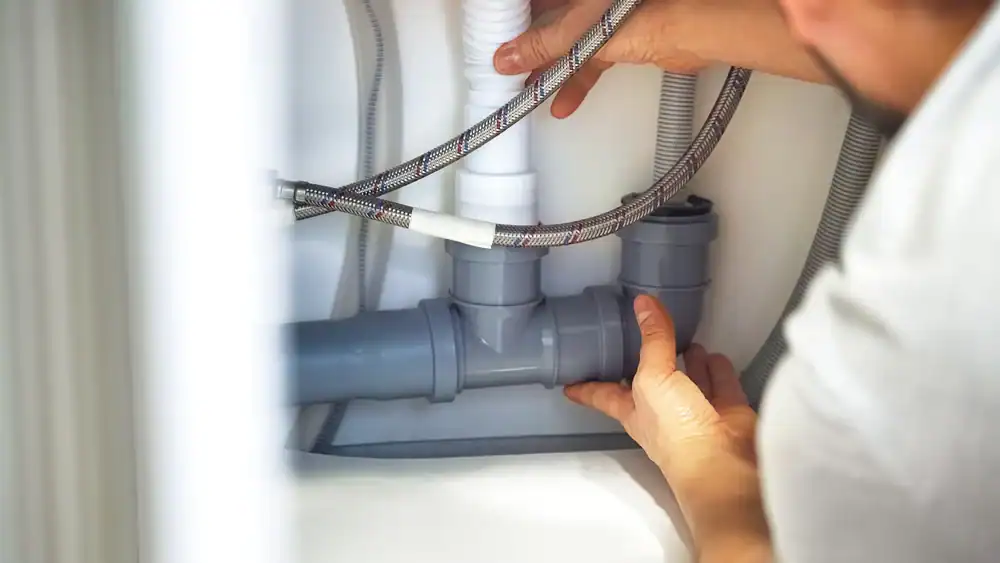
Multiple fixtures draining slowly or making gurgling sounds can mean a blockage in your main line or vent system. If your toilet runs and you’re also dealing with slow drains in the shower or sink, don’t just fix the toilet and ignore the rest. You’re likely dealing with a venting problem or a partial sewer line blockage that needs professional attention.
Water stains on the ceiling below your bathroom, discolored patches on walls near plumbing, or a musty smell that won’t go away all point to hidden leaks. A toilet that’s leaking at the base might have a failed wax ring, but it could also mean the flange is broken or the subfloor is rotting from long-term water exposure.
In Brevard County, aging cast iron pipes are a common issue, especially in older homes near the coast. The combination of salty air, humidity, and time causes these pipes to corrode from the inside out. If your home was built before the 1990s and you’re suddenly dealing with multiple plumbing issues, it’s worth having us inspect your whole system rather than patching individual problems as they pop up.
High water pressure is another red flag. If your toilet parts keep failing, your faucets drip constantly, or you hear banging in the pipes when you turn off water, your pressure might be set too high. Florida building codes generally require a pressure-reducing valve when static pressure exceeds 80 psi, but not all homes have them, and even those that do can fail over time.
These aren’t problems you can fix with a $10 part from the hardware store. They require diagnostic tools, experience, and often work that goes beyond what’s visible inside the toilet tank.
When to Stop DIY and Call a Professional Plumber
There’s no shame in calling a plumber. In fact, knowing when to stop trying and bring in a professional is one of the smartest decisions you can make as a homeowner.
Call us if you’ve already tried the basic fixes and the problem persists. If you’ve replaced the flapper and fill valve, adjusted the float, and the toilet still runs, something else is going on. Continuing to throw parts at the problem wastes money and delays the real solution.
Call if you’re dealing with water pooling around the base of the toilet. A leaking wax ring requires lifting the toilet off the floor, inspecting the flange, replacing the ring, and reseating everything properly. If the flange is damaged or the subfloor is soft from water damage, that repair gets complicated quickly. Doing it wrong can lead to sewage leaks, structural damage, and a mess you don’t want to deal with.
Call if you’re uncomfortable working with your home’s water supply. Mistakes with shut-off valves, supply lines, or tank connections can cause flooding, and once water starts flowing, it doesn’t stop until you shut off the main. If you’re not confident in your ability to work safely and correctly, the cost of a plumber is a lot less than the cost of water damage.
Call if you’re seeing signs of bigger problems like multiple slow drains, recurring leaks, discolored water, or plumbing issues in more than one area of your home. These situations require diagnostic equipment and experience that go beyond basic DIY skills.
And call if your time is worth more than the money you’d save. If you’re spending your entire weekend researching, driving to the hardware store, trying fixes that don’t work, and getting frustrated, you’re not actually saving money. You’re trading your time and peace of mind for the possibility of a successful repair. Sometimes it makes more sense to have a professional handle it in an hour so you can move on with your life.
Making the Right Call for Your Toilet Water Leak Repair
A running toilet or leaking shut-off valve isn’t something you should ignore, but it also doesn’t automatically mean you need a plumber. If the problem is a worn flapper or a loose connection and you’re comfortable doing basic repairs, DIY can save you money.
But if you’ve tried the simple fixes and the problem persists, if you’re dealing with signs of bigger plumbing issues, or if the repair involves parts of your system you’re not confident working with, calling a professional is the smarter move. The cost of doing it wrong, the time you’ll spend troubleshooting, and the water you’re wasting while you figure it out often add up to more than a service call would have cost in the first place.
For Brevard County homeowners dealing with toilet leaks, we bring 45 years of plumbing experience, transparent pricing with no callback charges, and a work guarantee backed by our licensed, veteran-owned team. Whether it’s a straightforward repair or a sign of something bigger like corroded pipes or pressure issues, you’ll get honest answers and solutions that actually fix the problem instead of just patching it temporarily.