There’s a version of Thanksgiving that nobody talks about — the one where the kitchen sink stops draining, the shower is backing up, and you’ve called three plumbers and reached three voicemails. If your home in Cocoa, Merritt Island, or anywhere else in Brevard County was built before the mid-1980s, that scenario is more likely than you’d think. Not because of bad luck, but because of what’s sitting beneath your floors.
This guide is for homeowners who want to get ahead of that problem — before the guests arrive, before the backup happens, and before the only option left is an emergency call on a holiday.
Sink Drain Clogged? In an Older Brevard County Home, It’s Rarely Just a Clog
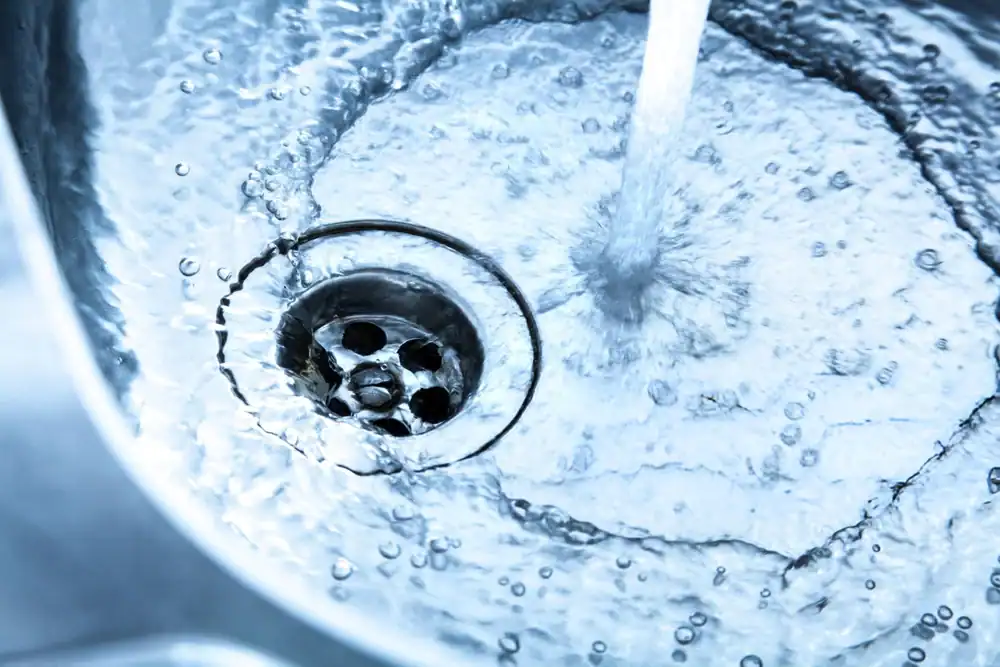
A slow kitchen sink is easy to dismiss. You run the water, it drains eventually, and you move on. But in a home built before 1985, a sluggish sink drain is often the first sign of something more serious happening inside the pipe itself — not just at the drain opening.
Most homes built in Brevard County through the 1970s were plumbed with cast iron drain lines. Those pipes were built to last 50 to 75 years. Do the math and you’ll see the problem: a lot of them are already past that window, and Florida’s combination of salt air, high humidity, and coastal soil conditions means they’ve been aging faster than pipes in drier parts of the country.
By the time a kitchen sink starts draining slowly, the inside of that cast iron pipe may already be scaled, corroded, or partially collapsed — and no amount of store-bought drain cleaner is going to fix that.
Why chemical drain cleaners make things worse in cast iron pipes
This is the part most homeowners don’t know, and it’s worth understanding before you reach under the sink for a bottle of Drano.
Many commercial drain cleaners rely on sulfuric acid as their active ingredient. It’s effective at eating through soft clogs — hair, grease, soap buildup. But sulfuric acid is also the same chemical that destroys cast iron pipes from the inside. Sewer gases that naturally accumulate inside older drain lines include hydrogen sulfide, which converts to sulfuric acid through a process called microbially induced corrosion. The pipe is already under chemical attack from within. Pouring more sulfuric acid down the drain accelerates that process.
In a newer home with PVC pipes, this isn’t a serious concern. PVC is resistant to the chemical. But in a pre-1985 home with original cast iron drains, using a sulfuric acid-based cleaner is essentially adding fuel to a slow fire that’s already burning inside your pipes.
Chemical cleaners also don’t address the underlying cause. If the drain is slow because of scale buildup on corroded pipe walls, or because a section of pipe has partially collapsed, a chemical cleaner will do nothing meaningful. It might give you a few days of relief before the same problem returns — and in the meantime, it’s done real damage to the pipe itself.
The safer short-term option, if you’re dealing with a soft clog caused by grease or food scraps, is hot water and dish soap — not chemicals. But if the drain is slow and has been slow for a while, especially in a home built before 1985, the honest answer is that a professional assessment is the only way to know what you’re actually dealing with.
A camera inspection — running a small waterproof camera through the drain line — can show you exactly what’s happening inside the pipe. Corrosion, scale buildup, partial collapse, root intrusion — all of it becomes visible. Without that, you’re guessing. And guessing on a cast iron pipe that’s already past its service life, right before the holidays, is a risk that tends to end badly.
Holiday cooking and your kitchen drain: what actually causes the backup
Thanksgiving is hard on kitchen drains in any home. In an older Brevard County home, it’s a stress test the pipes may not pass.
The combination of cooking for a large group — turkey drippings, gravy, mashed potato starch, vegetable scraps — sends a concentrated wave of grease and organic material down the drain in a short window of time. Garbage disposals compound the problem. Most people treat the disposal as a catch-all, but it doesn’t eliminate the material — it just breaks it into smaller pieces that still have to travel through the drain line. Potato peels, celery strings, and starchy foods are particularly problematic because they don’t break down cleanly and tend to accumulate inside older pipes that already have reduced interior diameter from years of scale buildup.
Here’s what makes this a Brevard County-specific concern: a significant number of older homes in communities like Cocoa Beach, Merritt Island, and Cape Canaveral are used as second homes or seasonal properties. These homes may sit with minimal water usage from late spring through early fall, then receive their heaviest single-week demand of the year when Thanksgiving guests arrive. A cast iron drain line that’s been sitting largely inactive for months — in Florida’s humidity and salt air — is not in the best condition to handle a sudden surge of heavy use.
If the kitchen sink in your older Brevard County home has been draining slowly at all — even occasionally — that’s the warning sign worth acting on before the holidays arrive. A professional drain cleaning, and in many cases a camera inspection to assess the pipe’s actual condition, is far less disruptive in October than an emergency backup on Thanksgiving afternoon.
Hydro jetting, which uses high-pressure water to clear the entire interior of the pipe rather than just punch a hole through a clog, is often the right solution for older homes with years of accumulated buildup. It’s more thorough than snaking and doesn’t involve chemicals. For a cast iron drain line that’s still structurally sound but heavily scaled, it can restore real flow capacity and buy meaningful time before a larger repair becomes necessary.
Bathroom Drain Clogged During the Holidays? Here’s What It Might Actually Mean
A backed-up bathroom drain with a houseful of guests is one of the more stressful plumbing scenarios a homeowner can face. But the drain itself is sometimes the least of the problem.
In older homes, the bathroom drain lines, the toilet drain, and the main sewer line all share the same cast iron infrastructure. When multiple bathrooms are in heavy use simultaneously — which is exactly what happens when family visits for the holidays — the cumulative load on that aging system can expose weaknesses that weren’t obvious during normal day-to-day use.
The most telling sign that a bathroom drain backup is more than just a surface clog is when multiple fixtures are affected at the same time. If the shower backs up when the toilet flushes, or the sink gurgles when the tub drains, that’s not a simple clog at the drain opening. That’s a sewer line problem.
Multiple slow drains in an older home — when should you be worried?
One slow drain in an older home is worth watching. Two or more slow drains at the same time, in different bathrooms or fixtures, is a different situation entirely.
When multiple drains are running slowly — or when you notice gurgling sounds, sewage odors near floor drains, or water backing up in one fixture when you use another — those are symptoms of a problem deeper in the system than any individual drain. In a pre-1985 home with original cast iron sewer lines, the most likely culprit is a main line that’s partially blocked or structurally compromised.
Cast iron sewer lines in Florida don’t fail all at once. They fail gradually. The inside of the pipe corrodes over years, building up scale and narrowing the interior diameter. Sections may begin to channel — where the bottom of the pipe holds waste flow while the top has corroded hollow — or partially collapse. The drain still functions, just barely, until the day it doesn’t. And the day it doesn’t is often the day you have six people sharing two bathrooms.
For Brevard County homeowners, this is a particularly relevant concern because of how the local housing stock skews. Cocoa Beach, Merritt Island, and the surrounding barrier island communities have a high concentration of homes built in the 1960s and 70s — homes where the original cast iron sewer lines have been in the ground for five or six decades, through countless rainy seasons, in soil that’s saturated with salt and moisture year-round. These aren’t hypothetical risks. They’re the reality of what’s underneath a lot of older Space Coast homes.
The right response to multiple slow drains isn’t to snake each one individually and hope for the best. It’s a camera inspection of the main line to find out what’s actually there. That information tells you whether you’re dealing with a cleanable blockage or a pipe that needs repair — and it tells you before the situation becomes a holiday emergency.
Emergency drain service during the holidays — what to know before you need it
Here’s the honest reality of holiday plumbing emergencies: most homeowners don’t call a plumber until the drain has completely stopped working, guests are already there, and the situation is urgent. At that point, availability becomes the only thing that matters — not price, not reviews, not anything else. Just: can someone come today?
The problem is that holiday periods are exactly when plumbing companies are hardest to reach. National franchise operations route calls through centralized dispatch. Smaller shops may be closed for the holiday. The homeowner ends up calling three or four numbers, leaving voicemails, and waiting — while the backup gets worse and the guests get uncomfortable.
This is why the best time to address a drain concern in an older Brevard County home is before the holidays, not during them. A pre-holiday drain assessment — whether that’s a professional cleaning, a camera inspection, or both — takes the emergency off the table entirely. You go into Thanksgiving knowing your pipes have been looked at by someone who understands what cast iron drain systems in older Florida homes actually look like.
If you do find yourself in a genuine drain emergency during the holiday season, a few things matter when you’re deciding who to call. You want a licensed contractor — in Florida, that means a Certified Plumbing Contractor, verifiable through the state’s licensing database. You want someone who can tell you upfront what the job will cost before they start work. And you want a company with a real person behind it, not a dispatcher reading from a script who’s never seen your pipes.
For homeowners in Cocoa, Merritt Island, Rockledge, Melbourne, Palm Bay, Titusville, Cocoa Beach, and Cape Canaveral, we offer same-day service and we’re available Monday through Friday, 8am to 8pm. We’re not a national franchise. We’re based in Cocoa, we’ve been working on Brevard County homes since 2007, and our owner Carl personally oversees every job. When you call us, you’re getting 40-plus years of hands-on experience — not an entry-level tech who’s never dealt with a corroded cast iron line.
If your home was built before 1985, we can run a camera through your main drain line and show you exactly what’s there. No guessing, no worst-case assumptions, no surprises after the work is done. Just a clear picture of what your pipes look like and an honest conversation about what, if anything, needs to happen next.
That kind of information is worth a lot more before Thanksgiving than after it.
When to call a plumber for clogged drain repair in Brevard County
If your Brevard County home was built before 1985 and you’ve noticed any drain running slower than it should, the six weeks before Thanksgiving is the right window to get it looked at. Not because it’s a slow news cycle for plumbers, but because that’s when you still have time to address it on your terms — calmly, without guests waiting and without the pressure of a same-day emergency.
The warning signs worth taking seriously are slow drains that keep coming back after you’ve tried to clear them, gurgling sounds in the pipes, sewage odors near floor drains, and any situation where one fixture backs up when you use another. In an older home with cast iron drain lines, these aren’t quirks. They’re the pipe telling you something.
We’ve been clearing drains and assessing cast iron systems in Brevard County homes for over 17 years. If you want to know what’s actually going on inside your pipes before the holidays arrive, reach out and we’ll take a look.