You’ve got the shutters ready. Water and batteries are stocked. But there’s one part of hurricane prep most Brevard County homeowners overlook until it’s too late—the plumbing. When storm surge hits or power goes out, your pipes, drains, and water systems take a beating. Sewage can back up into your home. Contaminated water can enter your supply. And by the time you realize there’s a problem, every plumber in the county is already booked solid. The good news? A little preparation now can save you from thousands in water damage and weeks of stress later. Here’s what you need to know about protecting your plumbing before the next hurricane rolls in.
Hurricane Plumbing Checklist for Brevard County Homes
Brevard County sits right in the path of Atlantic storms, and that coastal location creates plumbing risks most inland homeowners never face. Storm surge, saltwater intrusion, and flooding put serious pressure on your pipes and drainage systems. Without the right prep, small vulnerabilities turn into major emergencies.
Your hurricane plumbing checklist starts weeks before any storm appears in the forecast. Walk your property and check for slow drains, leaks, or weak spots in your system. Test every faucet and toilet to make sure water flows the way it should. If something drains slowly now, it’s going to cause real problems when heavy rain hits.
Clear debris from gutters, downspouts, and outdoor drains. Leaves and branches clog these systems fast, and when they back up during a storm, water has nowhere to go but into your home. Make sure everything is attached securely and replace anything that looks rusty or loose.
Know Where Your Main Water Shutoff Valve Is Located
Most homeowners in Brevard County have no idea where their main water shutoff valve is—until they desperately need it. That’s a problem. When a pipe bursts during a storm or contaminated water threatens your supply, you need to shut off your water fast.
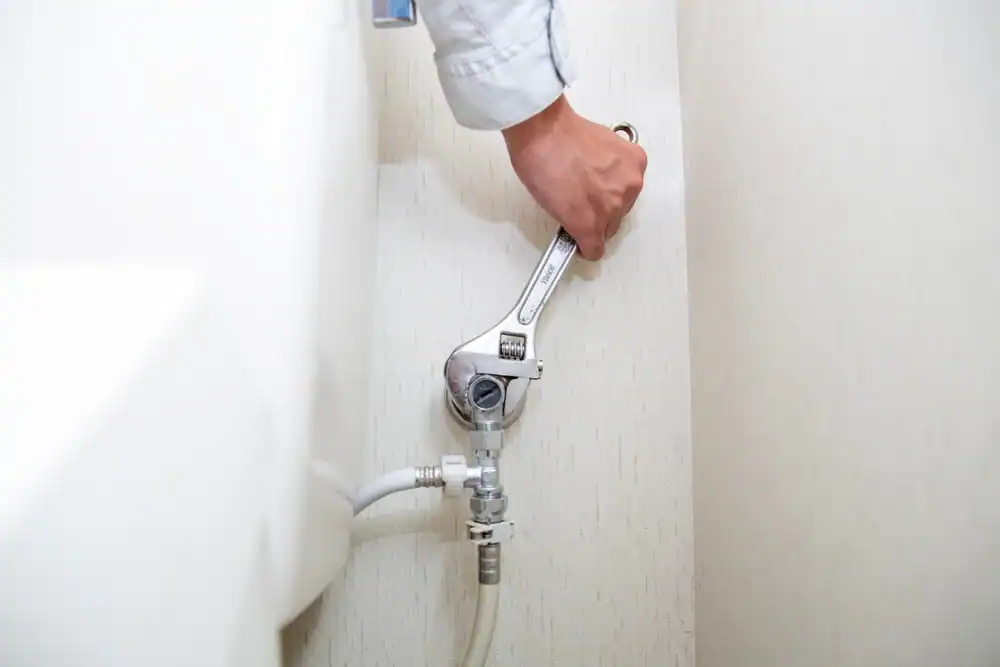
Find that valve now, before hurricane season peaks. It’s usually located near where the water line enters your home, often in the garage, utility room, or outside near the meter. Once you locate it, practice turning it off. Valves that haven’t been used in years can be stiff or stuck, and you don’t want to discover that during an emergency.
When you shut off the main valve, open a faucet at the far end of your house—the one furthest from the mainline. This lets air into the system and helps drain any remaining water from the pipes. If you’re evacuating, shutting off your main water supply is one of the most important steps you can take. It prevents contaminated floodwater from backing up into your home’s plumbing and stops broken pipes from flooding your house while you’re gone.
Also, turn off the power to your water heater when you shut off the water. Running a water heater with no water flowing through it can cause serious damage. Plus, the water sitting in your heater tank can serve as an emergency supply if you need it after the storm.
Inspect and Protect Your Sump Pump and Septic System
If your Brevard County home has a sump pump, it’s your first line of defense against flooding. But sump pumps only work if they’re functioning properly—and if they have power. Test yours before hurricane season by pouring a few buckets of water into the sump pit. The pump should kick on, drain the water, and shut itself off. If it doesn’t, you’ve got a problem that needs fixing now, not when floodwater is rising.
Power outages during hurricanes are almost guaranteed, and without electricity, your sump pump is useless. Consider installing a battery backup system so your pump keeps running even when the power goes out. It’s an investment that can save your home from thousands of dollars in flood damage.
Septic systems face their own challenges during hurricanes. Heavy rain can overwhelm your septic tank and flood the drain field, leading to dangerous backups inside your home. Before storm season, have your septic system inspected by a professional. We can identify potential issues and make sure your system is ready to handle the extra load.
To protect your septic tank during a storm, make sure it’s at least half full of effluent. This prevents the tank from floating or collapsing under pressure from saturated soil. Also, check that the caps and plugs on your sewer trap are sealed tight. If they look old or don’t fit properly, replace them immediately. A loose seal can let contaminated water flow back into your system.
Storm Drain Preparation: Prevent Flooding Before It Starts
Storm drains are designed to handle heavy rain, but they can’t do their job if they’re clogged. When drains get blocked by leaves, branches, and debris, water backs up fast—and it’s looking for the easiest path, which is often straight into your yard or home.
Walk around your property and check all the storm drains and catch basins nearby. Clear out any debris you can reach. Even small blockages can cause serious problems when a hurricane dumps inches of rain in just a few hours. If you spot a public storm drain that’s clogged and you can’t clear it yourself, report it to your local government before the storm hits.
Pay attention to where water naturally flows on your property. Low-lying areas, drainage ditches, and spots where water tends to pool are all potential trouble zones during heavy rain. If you know flooding is a risk, consider using sandbags or temporary barriers to redirect water away from your home and plumbing vents.
Secure Outdoor Plumbing Fixtures and Irrigation Systems
Outdoor plumbing takes a beating during hurricanes. High winds, flying debris, and storm surge can damage hose bibs, irrigation systems, and exposed pipes—turning minor fixtures into major leak sources.
Start by inspecting all outdoor pipes for cracks or leaks. If you find any damage, get it repaired before storm season. Turn off your irrigation system and drain it completely to prevent water from sitting in the lines where it can cause pressure issues or freeze damage if temperatures drop after the storm.
Disconnect garden hoses and store them inside. A hose left attached to an outdoor faucet can act like a sail in high winds, potentially damaging the pipe connection. Install protective covers on hose bibs and outdoor faucets to shield them from wind and debris. These covers are inexpensive and can prevent costly repairs.
If you have a pool, turn off the pool pump and cover the pool securely to protect the plumbing. Lower the water level slightly to accommodate heavy rainfall and prevent overflow. Make sure the cover is tied down tightly so it doesn’t blow away in strong winds.
Tree roots are another concern. They can wrap around underground pipes and cause corrosion over time. If a tree falls during a storm, those roots can rip pipes apart. Before hurricane season, have a professional inspect your property for tree roots that might be impacting your plumbing. It’s better to address the issue now than deal with a broken sewer line after the storm.
Install Backflow Prevention Devices to Protect Your Water Supply
When hurricanes overwhelm municipal sewer systems, sewage can flow backward into homes through plumbing fixtures. It’s disgusting, dangerous, and expensive to clean up. Backflow prevention devices stop this from happening by allowing wastewater to flow out but preventing it from coming back in.
If your home doesn’t have a backflow preventer installed, now is the time to add one. These devices are especially critical in low-lying areas and coastal communities where storm surge and flooding are common. We can assess your system and recommend the right type of backflow preventer for your home.
Backflow preventers need regular maintenance to work properly. Have yours inspected before hurricane season to make sure it’s functioning correctly. Check for any signs of wear, corrosion, or damage, and replace parts as needed. A malfunctioning backflow preventer is almost as bad as not having one at all.
During a storm, avoid using drains, toilets, and washers if you suspect the sewer system is backing up. Watch for warning signs like slow drains, gurgling sounds from toilets, and unpleasant odors. These can indicate a potential sewer backup. If you notice any of these symptoms, stop using your plumbing immediately and call us. Don’t try to fix it yourself—sewage backups pose serious health risks and require expert handling.
Protect Your Brevard County Home with Professional Hurricane Plumbing Prep
Hurricane preparation isn’t just about boarding windows and stocking supplies. Your plumbing system needs attention too, or you could be facing thousands of dollars in water damage, sewage backups, and emergency repairs when every plumber in Brevard County is already overwhelmed.
The steps in this checklist give you a solid foundation for protecting your home. Clear your drains, know where your shutoff valves are, test your sump pump, and secure outdoor fixtures. But some vulnerabilities require professional eyes. Hidden leaks, aging pipes, and system weaknesses aren’t always obvious until they fail under storm conditions.
That’s where we come in. With over 40 years of combined plumbing experience and deep knowledge of Brevard County’s coastal challenges, we help homeowners prepare their plumbing systems before hurricane season hits—and respond fast when emergencies strike. Don’t wait until the forecast turns serious to think about your plumbing. Get ahead of the storm and protect what matters most.