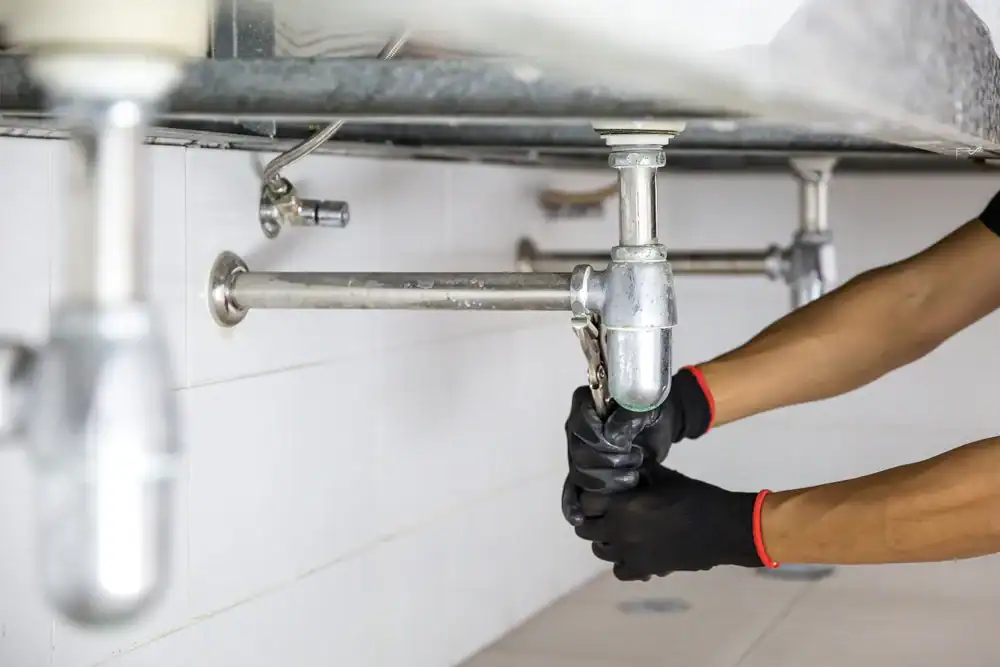
You’re planning plumbing work. Maybe it’s a bathroom remodel, a water heater replacement, or new pipes. Then someone mentions permits, and suddenly you’re stuck wondering if you actually need one, how to get one, and what happens if you skip it.
It’s a fair question. Permit requirements aren’t always clear, and plenty of contractors will tell you not to worry about it. But here’s the thing: permits aren’t just bureaucratic red tape. They protect your home’s value, your insurance coverage, and your ability to sell without complications. In Brevard County, understanding what’s required can save you thousands in fines, failed inspections, or deal-killing issues when you’re ready to move.
Let’s break down exactly what you need to know about plumbing permits in Florida and how Brevard County handles the process.
Brevard County Plumbing Permit Requirements
In Brevard County, a plumbing permit is required anytime you’re installing or replacing water, sewer, or gas piping and systems. That includes adding a bathroom, rerouting drains, running new supply lines, or installing gas piping for appliances.
Here’s what doesn’t require a permit: like-for-like replacements. If you’re swapping out a water heater with the same size and type, or replacing a sink without moving pipes, you’re typically in the clear. Same goes for basic fixture replacements where nothing changes in terms of layout or capacity.
The confusion happens in the gray areas. Minor repairs like fixing a leaky faucet or unclogging a drain don’t need permits. But if you’re opening walls, moving fixtures, or changing your plumbing footprint in any way, Brevard County wants to review it. The line isn’t always obvious, which is why working with a licensed contractor who knows local requirements matters.
When Plumbing Permits Are Required in Florida
Florida’s building code is specific about what needs official approval. Any work that affects the integrity or footprint of your plumbing system requires a permit. That includes new installations, major modifications, and anything involving gas lines.
Think about it this way: if the work involves connecting to your main water supply, altering drainage systems, or installing equipment that uses gas, you’re going to need a permit. Bathroom additions always require permits because you’re adding fixtures and running new lines. Kitchen remodels that move sinks or add dishwashers fall into the same category. Water heater installations need permits when you’re upgrading capacity or switching fuel types.
Replacing old cast iron pipes with PVC or PEX requires permits. Adding a second bathroom requires permits. Installing a tankless water heater requires permits. Rerouting your sewer line requires permits. Basically, if it’s more than a cosmetic change or a simple repair, assume you need approval.
Brevard County enforces these requirements through their BASS system—the Brevard Advanced Service Site. Licensed contractors can apply online, upload documents, monitor progress, and schedule inspections around the clock. Property owners acting as their own contractor have to appear in person to submit applications, per Florida Statute 489.103.
The reason for all this oversight isn’t to make your life difficult. It’s to ensure plumbing work meets safety standards, protects public health, and doesn’t create hazards that could damage your property or harm occupants. Inspectors verify that materials are approved, pipes are sized correctly, drainage slopes are adequate, and everything complies with the Florida Building Code.
Skip the permit, and you’re gambling with your home’s safety and your financial security. We’ll get into the consequences shortly, but first, let’s talk about what actually happens during an inspection.
What Inspectors Check During Plumbing Inspections
Plumbing inspections in Brevard County typically happen in stages. For new installations or major work, you’ll have a rough-in inspection before walls are closed up, and a final inspection once everything’s complete.
During the rough-in, inspectors are looking at the bones of your plumbing system. They check that pipes are the right size and material for the job. They verify slopes on drain lines to ensure proper flow—too flat and waste doesn’t move, too steep and you risk clogs. They measure clearances between water and sewer lines, which need to be at least five feet apart to prevent contamination.
Inspectors also check venting. Every drain needs proper venting to prevent sewer gases from entering your home and to keep water flowing smoothly. They’ll verify that cleanouts are installed in accessible locations at the right intervals. They’ll look for proper support and strapping on pipes. If you’re working below a footer or foundation, they’ll check the angle of repose to make sure trenching won’t compromise structural integrity.
Water testing is part of the process too. Many jurisdictions require a five-foot head test on drainage systems—basically filling the system with water to check for leaks before it’s hidden behind walls. Inspectors also verify that you’re using approved materials and adapters when connecting dissimilar pipe types.
The final inspection happens after fixtures are installed. Inspectors check that everything functions properly, that water pressure is adequate, that fixtures are secure and code-compliant. They’ll test toilets, sinks, and showers. They’ll verify backflow prevention devices if required. They’ll make sure gas connections are leak-free and properly vented.
Here’s what homeowners need to understand: inspectors aren’t trying to fail you. They’re making sure the work is safe and compliant. But if something’s wrong, they will call it out. That means corrections, re-inspections, and delays. Which is exactly why hiring a licensed contractor who knows what inspectors look for saves time, money, and frustration.
When work passes inspection, you get documentation. Keep it. That paperwork proves your plumbing is code-compliant, which protects you when you sell, when you file insurance claims, and if there’s ever a question about the work.
Florida Plumbing Code Compliance for Homeowners
The Florida Building Code—Plumbing is based on the International Plumbing Code, but with state-specific amendments. Brevard County can add even stricter local requirements, especially for coastal areas where salt air and humidity create unique challenges.
The code covers everything from approved pipe materials to fixture requirements to water conservation measures. It dictates minimum pipe sizes, proper venting configurations, and drainage slopes. It specifies clearances, support requirements, and testing procedures.
For homeowners, the key takeaway is this: Florida’s code exists to protect you. It ensures plumbing systems are installed safely, function reliably, and don’t create health hazards. Compliance isn’t optional, and it’s not just about passing inspection. It’s about avoiding leaks, preventing contamination, and making sure your plumbing holds up over time—especially in Florida’s demanding climate.
Plumbing Inspection Requirements: What to Expect
Once you’ve applied for a permit through Brevard County’s BASS system, you’ll need to schedule inspections at specific stages of the work. Timing matters. You can’t cover up plumbing before it’s been inspected, and you can’t move forward to the next phase until the previous inspection passes.
For most residential projects, you’re looking at two main inspections: rough-in and final. Larger projects might require additional inspections for underground work or specific systems like gas lines.
When the inspector arrives, they’ll want to see your permit and approved plans on site. They’ll compare the actual work to what was approved. They’ll check materials, installation methods, and code compliance. If everything looks good, they’ll sign off and you can proceed. If there are issues, they’ll document what needs correction.
Re-inspections come with fees, typically $50 to $150 depending on the jurisdiction. More importantly, they cause delays. Your project sits until corrections are made and the inspector returns. That’s why getting it right the first time matters.
Preparation makes a difference. Make sure the work area is clean and accessible. Have all components visible and ready for review. Don’t schedule an inspection until the work is actually complete for that stage. And if you’re unsure about anything, ask before the inspector shows up.
Licensed contractors handle this process regularly. They know what inspectors expect, they understand local requirements, and they schedule inspections at the right times. That expertise eliminates surprises and keeps projects moving forward.
The inspection process isn’t designed to be adversarial. It’s quality control. It’s verification that your plumbing meets safety standards and will function as intended. When you pass, you have documented proof that the work was done right. That documentation protects you in ways most homeowners don’t think about until it’s too late.
Unpermitted Plumbing Work: Risks and Consequences
Here’s where permit confusion turns into real problems. Unpermitted plumbing work might seem harmless when a contractor promises to save you time and money by skipping the bureaucracy. But the consequences can be severe, expensive, and long-lasting.
Start with fines. If Brevard County discovers unpermitted work, they can issue stop-work orders and impose fines ranging from $500 to $5,000 or more. Some jurisdictions charge daily fines until the situation is resolved. You’ll also have to obtain retroactive permits, which often cost more than getting permits upfront and may require opening finished walls so inspectors can see the work.
Insurance is another major issue. Homeowners insurance policies often exclude coverage for damage related to unpermitted work. If a fire starts from unpermitted gas line work, or if a leak from unpermitted plumbing causes water damage and mold, your claim could be denied. You’re left covering tens of thousands in repairs out of pocket. In some cases, insurance companies cancel policies or raise premiums dramatically when they discover unpermitted improvements.
Then there’s resale. When you sell your home, buyers’ inspectors and lenders scrutinize everything. Unpermitted plumbing gets flagged immediately. Deals fall through. Buyers walk away. Or they demand massive price reductions—sometimes $50,000 to $200,000 or more depending on the scope of work that needs correction.
Lenders often refuse to finance homes with unpermitted work because it affects property value and increases risk. Even if you find a cash buyer, you’re required to disclose unpermitted improvements under Florida’s Residential Disclosure Act. Fail to disclose, and you face legal liability down the road.
Beyond the financial hit, there’s safety. Unpermitted work wasn’t inspected, which means there’s no verification it was done correctly. Improper venting can allow sewer gases into your home. Incorrect pipe sizing can cause backups. Faulty gas connections can create fire hazards or carbon monoxide risks. Without inspection, you’re trusting that whoever did the work knew what they were doing and didn’t cut corners.
Retroactive permitting is possible in many Florida municipalities, but it’s not simple. You submit plans for the completed work, pay fees plus fines, and schedule inspections. If the work doesn’t meet code, you make corrections—which often means opening walls, replacing materials, and essentially redoing portions of the job. Costs add up fast.
The bottom line: permits protect you. They ensure work is safe, compliant, and documented. They preserve your home’s value and your ability to sell. They keep your insurance coverage intact. Skipping permits to save a few hundred dollars upfront can cost you tens of thousands later.
Working with Licensed Plumbers Who Handle Permits Properly
Permits aren’t something to fear or avoid. They’re protection. They ensure your plumbing is installed safely, meets code requirements, and won’t come back to haunt you when you’re ready to sell.
The key is working with a licensed contractor who handles the permitting process correctly from the start. That means someone who pulls permits without you having to ask, who knows Brevard County’s requirements inside and out, and who schedules inspections at the right times to keep your project moving.
When plumbing work is done right—with proper permits, quality materials, and expert installation—you have peace of mind. You know your home is safe. You know your insurance will cover you if something goes wrong. You know you won’t face surprises when it’s time to sell.
If you’re planning plumbing work in Brevard County and want it done properly, we handle every aspect of the permitting and inspection process. Licensed, insured, and backed by decades of experience, we ensure your project meets Florida’s plumbing code and Brevard County’s requirements—protecting your investment and your peace of mind.