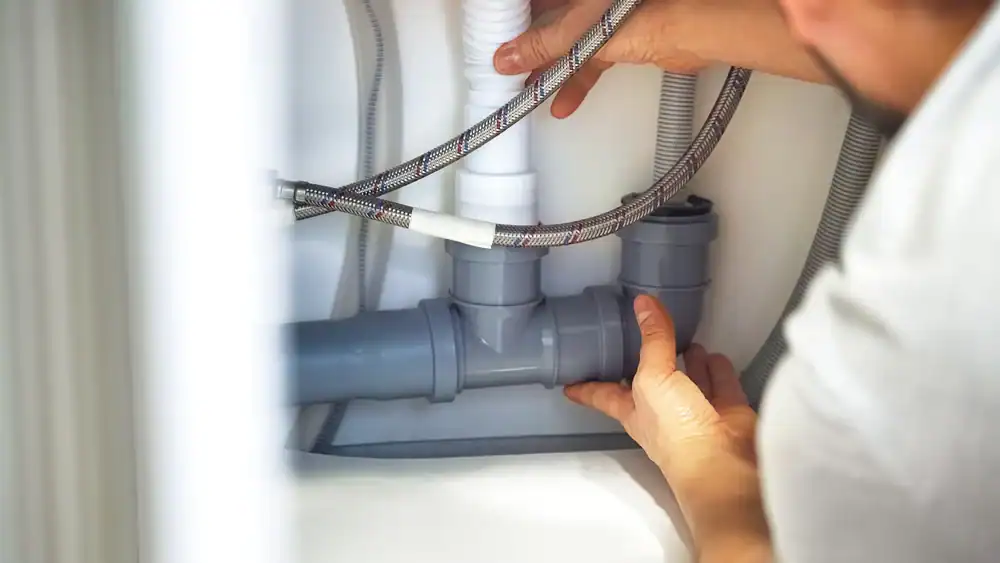
Nobody wakes up excited to find a plumber. You’re either dealing with something that already went wrong, or you’re trying to get ahead of a problem you suspect is coming. Either way, you’re under pressure — and that’s exactly when bad hiring decisions happen. The first number in Google gets the call. A vague estimate gets accepted. And a few weeks later, you’re dealing with the same problem or a new one the plumber created.
This guide is for Brevard County homeowners who want to make a smarter decision — whether you’re in the middle of a plumbing crisis right now or just trying to have a trusted name ready before one hits.
How to Choose a Plumber in Brevard County the Right Way
The most important thing to understand is that “licensed plumber” doesn’t mean the same thing to everyone in Florida. The state has two categories of plumbing contractor: a state-certified contractor, whose license is valid anywhere in Florida, and a state-registered contractor, who is only licensed to work within a specific local jurisdiction. Most homeowners have no idea this distinction exists — and most plumbers won’t volunteer it.
Florida’s DBPR (Department of Business and Professional Regulation) maintains a public license lookup at myfloridalicense.com. Any homeowner can type in a contractor’s license number, confirm it’s active, and see whether it’s a certified or registered credential. A legitimate plumber will hand over their license number without hesitation. If they hedge, that’s worth noticing.
What Does “Master Plumber” Actually Mean in Florida?
You’ve probably seen the phrase “master plumber” used in plumbing ads, and it’s easy to assume it’s just marketing language. It’s not. In Florida’s licensing hierarchy, there are three tiers: apprentice, journeyman, and master plumber. A master plumber represents the highest level of certification — someone who has typically completed a minimum of seven years of experience, including at least two years working as a journeyman, and has passed both a trade exam and a business and finance exam through the state.
The difference matters because a master plumber can work independently, pull permits, and take full legal responsibility for a job. A journeyman works under supervision. An apprentice is still in training. When you hire a plumbing company, you’re entitled to know who will actually be doing the work and what their credentials are — not just that the company holds a license.
This is especially relevant in Brevard County right now. The Space Coast is growing fast, and with that growth comes an influx of out-of-area contractors looking for work. Some are qualified. Some are not. As of July 1, 2025, Florida is actively transitioning away from local specialty plumbing licenses toward statewide licensing — which means the credential landscape is shifting and consumers need to be more careful, not less.
When you call a plumbing company, ask directly: what is your license number, and is it a state-certified or state-registered credential? Then verify it yourself. It takes about two minutes and tells you more than any advertisement will.
The Brevard County Housing Factor Most Plumbers Won’t Mention
Here’s something that matters specifically to homeowners in Cocoa, Merritt Island, Rockledge, and other older communities throughout Brevard County: a significant portion of the housing stock was built before 1975. Those homes were built with cast iron drain lines. And cast iron, in Florida’s coastal humidity and salt air environment, corrodes from the inside out.
The problem is slow and invisible. For years, the pipes work fine. Then you start noticing slow drains. Then recurring clogs that drain cleaning temporarily fixes. Then a smell that doesn’t go away. Most homeowners at that stage call a plumber, get a drain cleaning, and assume the problem is solved. It often isn’t. The clog was a symptom. The corroding pipe is the actual problem.
A generalist plumber who mostly does new construction work may not recognize what they’re looking at. A plumber who specializes in older Florida homes — who uses camera inspection to show you what’s actually happening inside the pipe, not just clear it and leave — is a fundamentally different hire. The camera inspection matters because it removes the guesswork. You can see whether the pipe walls are intact or whether the corrosion has progressed to the point where cleaning will only buy you a few more months before the next backup.
This is the part of the “how to find a good plumber” conversation that almost nobody has — but in Brevard County, with the housing inventory that exists here, it’s one of the most important questions you can ask: have you worked on cast iron drain systems, and do you use camera inspection to diagnose before you recommend?
Questions to Ask a Plumber Before You Hire Anyone
A good plumber won’t be bothered by your questions. They’ll answer them directly, without getting defensive or vague. The ones who push back, rush you, or pivot immediately to pricing before you’ve even described the problem — those are the ones to be cautious about.
Before any work begins, you should know exactly who is licensed, what the work will cost and why, whether a permit is required, and what happens if something goes wrong. None of that is unreasonable to ask. It’s just due diligence.
What to Ask Before Work Starts — and Why Each Question Matters
Start with the license number. Ask for it directly, then look it up at myfloridalicense.com. You’re confirming it’s active and that it’s a state-certified credential, not a restricted local registration. While you’re at it, ask whether the company carries general liability insurance and workers’ compensation. Florida requires $100,000 in liability coverage and $25,000 in property damage coverage before a certified plumbing license is issued — but insurance can lapse, and an unlicensed worker injured on your property can become your problem if coverage isn’t current.
Ask who will actually be doing the work. Will it be the licensed plumber, or will they send a subcontractor? On a diagnostic job or a camera inspection, does the owner or a senior technician show up, or does the newest crew member? This matters less on a simple toilet repair and a lot more on a slab leak or a full repiping job.
Ask for a written estimate that separates labor from parts. Verbal quotes are hard to hold anyone to. A written estimate — even a simple one — tells you the plumber has thought through the scope of work and is willing to stand behind the number. Ask specifically whether the estimate is the final price or whether it can change, and under what circumstances.
Ask about permits. For any significant work — drain line replacement under a slab, full repiping, sewer line replacement — a permit is required in Florida. A plumber who skips the permit is cutting a corner that protects you, not them. Unpermitted plumbing work can create problems when you sell the home and can void your homeowner’s insurance coverage if something fails.
Finally, ask what happens if the problem comes back. Not every plumber offers a formal warranty, but any plumber worth hiring should be able to tell you what their policy is if the work doesn’t hold.
Red Flags That Should Make You Think Twice
The most common plumbing scams follow recognizable patterns. A large upfront deposit — anything over 10% of the total job cost — is a documented warning sign. Most states, including Florida, restrict how much a contractor can require before work begins, and a demand for 50% or more upfront before a single pipe has been touched is a reason to walk away.
Bait-and-switch pricing is another common pattern. The initial quote sounds reasonable. Once the plumber is already in your home and has your pipes open, the price suddenly grows — often because of “unexpected” problems that a more thorough diagnostic would have identified upfront. This is why camera inspection before a major repair recommendation matters: it closes the gap between what a plumber tells you and what’s actually happening.
Be cautious of plumbers who can’t or won’t provide a physical business address. A company operating out of a personal vehicle with a phone number and a Google listing isn’t necessarily a scam, but it’s a risk — because if something goes wrong, there’s no local accountability. Established local operators in Brevard County have a reputation to protect and a community to answer to.
Online reviews are useful, but they require some skepticism. Research suggests that nearly 30% of reviews in the plumbing industry may be inauthentic. The reviews worth trusting are specific — they mention a technician by name, describe the actual job, and include details about what the problem was and how it was resolved. Generic five-star reviews that say “great service, would recommend” without any specifics are harder to evaluate.
In Brevard County specifically, the combination of fast growth and an aging housing stock creates conditions where corner-cutting is tempting and consequences are real. The homes that need the most plumbing attention — the pre-1975 houses in Cocoa, Merritt Island, and surrounding areas with cast iron lines — are also the ones where a misdiagnosis or a skipped permit can turn a manageable repair into a major project.
Finding a Plumber You Can Actually Trust in Brevard County
The short version: verify the license, ask about the work before it starts, get the estimate in writing, and pay attention to how the plumber communicates with you from the very first call. How they treat you when you’re asking questions is a preview of how they’ll treat you once they’re already on the job.
Brevard County homeowners — especially those in older homes on the mainland and barrier island communities — deserve a plumber who understands what Florida’s climate and housing stock actually do to pipes over time. Not someone who clears a drain and calls it done, but someone who tells you the truth about what they found and gives you options.
If you want to talk through what’s going on with your plumbing or you’re not sure whether what you’re seeing is a minor issue or something worth investigating further, we at Drain Wizard Plumbing & Rooter Service are here Monday through Friday, 8am to 8pm. We’ve been working in Brevard County since 2007, and we’re not going anywhere.