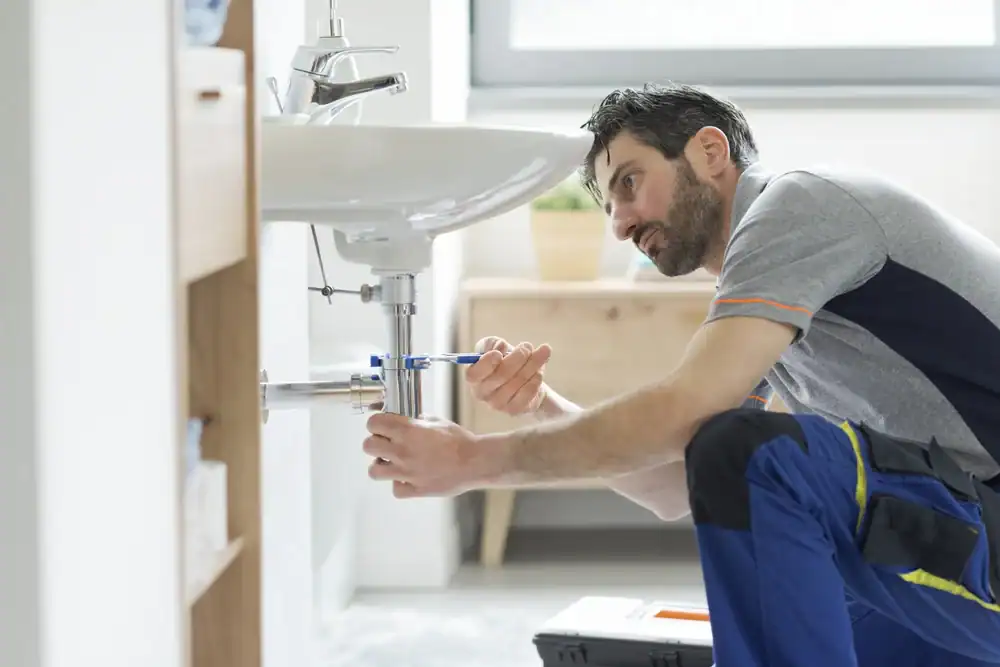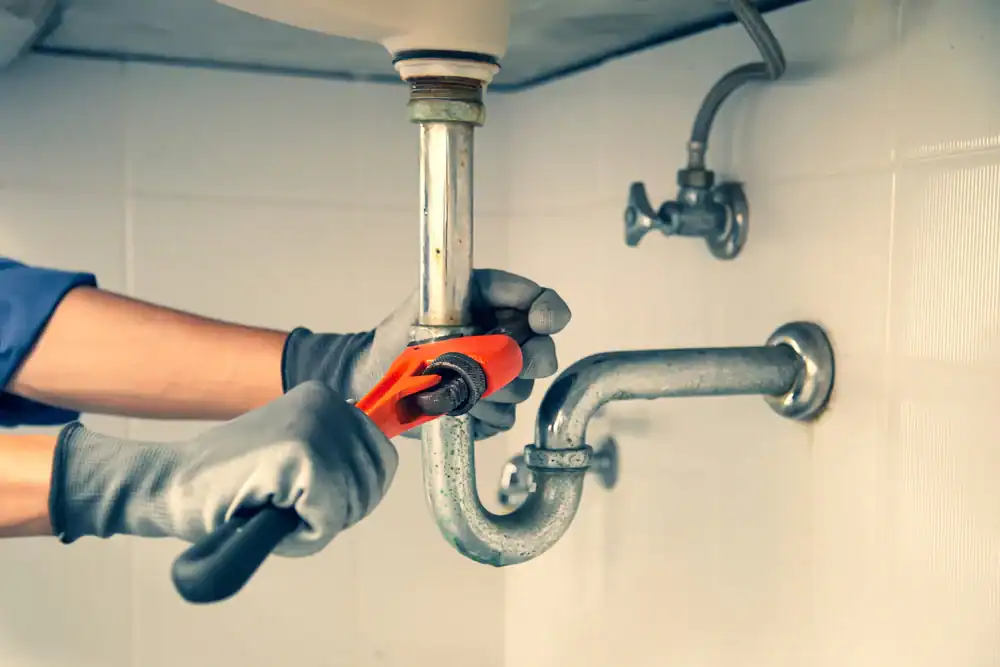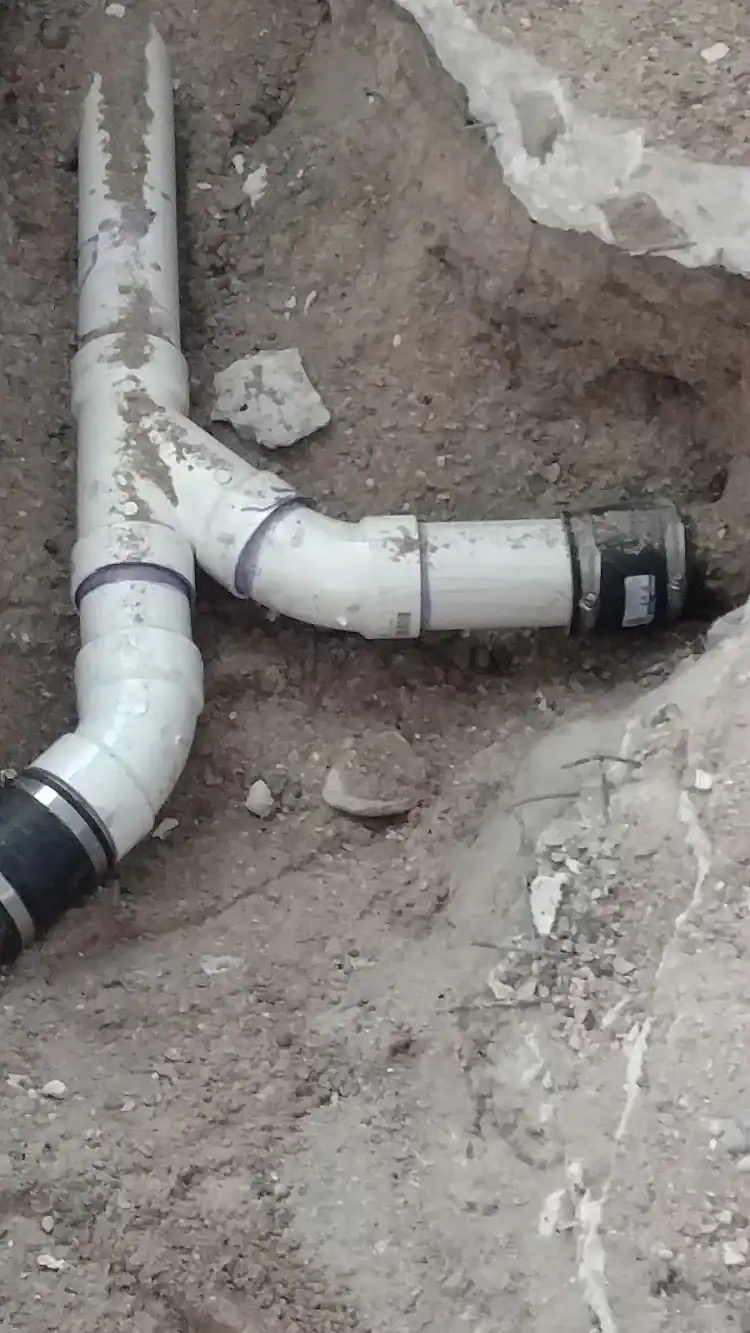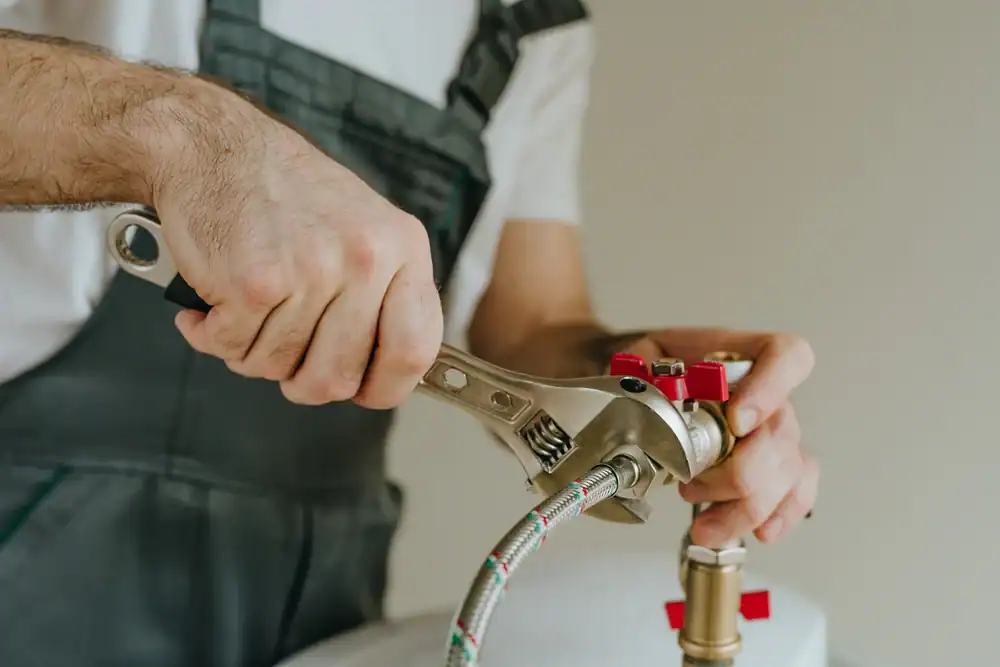
Your shutters are rated for 150 mph winds. You’ve got three days of food and water stored. Batteries, flashlights, and a full tank of gas. But when was the last time you thought about the pipes running under your slab in Merritt Island, or the cast iron drains that have been dealing with saltwater air since your Cocoa home was built? Hurricane plumbing preparation isn’t glamorous, but it’s the difference between riding out the storm with minor inconvenience and returning home to find thousands of dollars in water damage that could have been prevented. Brevard County’s coastal location creates specific challenges most inland plumbers never deal with. Let’s talk about what actually protects your plumbing when the forecast turns serious.
How to Prepare Your Plumbing System Before Hurricane Season
June 1st marks the official start of hurricane season, but smart preparation happens earlier. Your plumbing system needs attention before the first tropical wave forms in the Atlantic. Start outside. Walk your property and identify every exposed pipe, hose bib, and outdoor fixture. Brevard County’s salt air has been working on those connections all year, and hurricane-force winds will test every weak point.
Find your main water shutoff valve right now. Not when the storm is 48 hours out—now. You should be able to locate it in under sixty seconds and turn it without excessive force. Most Brevard County homes have the shutoff near where the main line enters the house, often in a garage or utility room. Older homes might have it outside near the meter. Test it. Turn it slowly to the off position, then open a faucet to release pressure. If the valve sticks or won’t budge, you need a plumber before hurricane season, not during it.
Inside your home, inspect visible pipes for corrosion, especially if you have older cast iron plumbing common in Rockledge and Cocoa Beach properties. Look for any signs of existing leaks, loose connections, or areas where pipes show rust or deterioration. Storm conditions amplify small problems into big ones fast.
Protecting Water Heaters and Outdoor Fixtures
Your water heater sits in a garage or utility room, probably close to ground level. When flooding hits Brevard County neighborhoods, water heaters are often the first casualties. If water reaches the pilot light, burner, or electrical components, you’re looking at replacement, not repair. Worse, a flooded gas water heater creates safety hazards that go beyond just losing hot water.
If your water heater is in a flood-prone area, consider elevating it on a platform. This isn’t a day-before-the-storm project—it requires proper installation to maintain code compliance and ensure safe operation. But it’s one of the smartest investments you can make if you live in low-lying parts of Palm Bay or areas near the Indian River Lagoon that see regular flooding.
For outdoor fixtures, disconnect all hoses and bring them inside. An attached hose creates resistance when wind whips it around, potentially damaging the hose bib. Shut down irrigation systems and drain the lines if possible. Cover or protect exposed pipes with insulation or protective wrapping. It’s not freeze protection you’re after—it’s impact protection from debris flying at speeds that turn a tree branch into a projectile.
Check gas lines running to outdoor grills or pool heaters. Make sure connections are tight and there’s no existing damage. If you’re evacuating, shut off gas to outdoor appliances entirely. The combination of wind, rain, and debris can create gas line damage that poses serious risks when you return home.
Pool equipment needs securing too. Cover what you can, move loose items indoors, and follow manufacturer guidelines for hurricane preparation. Some systems should be shut down completely, while others need to keep running to prevent water quality issues during extended power outages.
Testing Your Main Water Shutoff and Key Valves
Knowing where your main water shutoff valve is located means nothing if it doesn’t work when you need it. Valves that haven’t been operated in years can seize up, and forcing a stuck valve during an emergency often breaks it completely. That’s why testing happens now, in calm conditions, when you have time to fix problems.
Locate the valve, then turn it slowly clockwise to the closed position. Go to the lowest faucet in your home and open it. If no water comes out after a minute, your shutoff works. If water continues to trickle or flow, the valve isn’t seating properly and needs professional attention. Take a photo of the valve location and save it to your phone. Label it clearly so anyone in your household can find it quickly.
For homes built on concrete slabs—extremely common throughout Brevard County—your shutoff might be outside near the street at the water meter. You’ll need a water meter key or adjustable wrench to operate it. Keep that tool somewhere accessible, not buried in a toolbox you’d have to search for while rain is sideways and the power’s flickering.
Individual fixture shutoffs matter too. Every toilet, sink, and appliance should have its own shutoff valve. Test these as well. If a toilet supply line bursts during the storm, you want the ability to shut off just that fixture without killing water to your entire house. These small valves often corrode or seize, especially in coastal homes where humidity and salt air accelerate deterioration.
While you’re checking valves, look at your washing machine supply lines. Those braided stainless steel hoses have a lifespan, usually around five years. If yours are older or show any signs of bulging, cracking, or corrosion, replace them before hurricane season. A burst washing machine line can dump gallons of water per minute into your home, and that damage multiplies fast when you can’t get help because half of Brevard County is calling plumbers at the same time.
Storm Drain Maintenance: Keep Water Flowing Away From Your Home
Clogged storm drains turn heavy rain into property flooding faster than almost anything else. When gutters overflow and water can’t drain away from your foundation, it finds other routes—usually into your crawl space, through foundation cracks, or into areas that create expensive damage. Brevard County’s flat terrain means water doesn’t run off quickly even in normal conditions. Add hurricane rainfall rates and overwhelmed drainage systems, and you’re asking for trouble.
Clear all gutters, downspouts, and storm drains around your property well before hurricane season starts. This isn’t a task you want to tackle when everyone else is preparing for a storm three days out. Remove leaves, pine needles, and debris that’s accumulated since last fall. Make sure downspouts direct water at least five to ten feet away from your foundation, not just dumping it next to your house.
Check yard drains and catch basins too. These systems collect surface water and channel it away from your property, but only if they’re clear. A catch basin full of sediment and decomposed leaves becomes useless the moment heavy rain starts. Remove grates, scoop out debris, and run water through to confirm flow. If water drains slowly or backs up, you’ve got a clog that needs professional clearing before storm season.
Clearing Debris From Gutters and Downspouts
Gutters clogged with leaves and debris can’t handle normal rainfall, let alone hurricane conditions. When gutters overflow, water pours down your exterior walls, pools around your foundation, and finds every crack and weak point to enter your home. This is preventable damage, but only if you do the work before the storm.
Get a ladder, work gloves, and a bucket. Start at the downspout and work your way along the gutter, removing all debris by hand. Don’t just push it toward the downspout—you’ll create a clog there that’s harder to clear. Once the gutter is clear, flush it with a garden hose to confirm water flows freely to the downspout and out the discharge point.
Check that downspout extensions direct water well away from your foundation. The discharge should be at least five feet from your house, preferably more. If water dumps right next to your foundation, it’s going to find its way into your crawl space or basement during heavy rain. Flexible downspout extensions are cheap and easy to install, and they make a real difference in where water ends up during a storm.
For homes with underground downspout drains, make sure the connection point is clear and the underground line isn’t clogged. These systems work great when they’re maintained, but a clog in an underground line means water backs up and overflows right at your foundation—exactly where you don’t want it. If you suspect a clog, a plumber with the right equipment can camera-inspect the line and clear blockages you can’t reach.
Brevard County’s oak trees drop leaves year-round, and pine needles from slash pines create a constant maintenance issue. If you have mature trees near your house, gutter cleaning isn’t a once-a-year job—it’s seasonal. At minimum, clean gutters in late spring before hurricane season and again in fall. If you wait until a storm is forecast, you’re too late.
Inspecting and Maintaining Sump Pumps
A sump pump is your last line of defense against flooding in basements, crawl spaces, and low-lying areas of your home. But it only helps if it’s working when you need it, and hurricanes have a habit of knocking out power right when pumps need to run hardest.
Test your sump pump before June 1st. Pour a five-gallon bucket of water into the sump pit and watch what happens. The float should rise, the pump should activate within seconds, and water should discharge through the outlet pipe. Listen for unusual noises—grinding, rattling, or labored operation signals a pump that’s struggling and might fail under heavy load.
Check the discharge line. It should direct water at least twenty feet from your foundation if possible. Make sure the line isn’t clogged and the outlet isn’t blocked by mulch, leaves, or vegetation. Some discharge lines have a check valve to prevent water from flowing back into the pit after the pump shuts off. Test this valve by pouring water into the discharge line from outside—it should hold and not drain back into the pit.
Here’s the critical question: what happens when the power goes out? A sump pump without electricity is useless. Battery backup systems exist specifically for this scenario. They automatically take over when main power fails, keeping your pump running during outages that can last days after a hurricane moves through Brevard County.
If you don’t have battery backup, install one before hurricane season. The cost is minimal compared to flood damage. Test the backup the same way you test your primary pump—don’t assume it works just because it’s installed. Batteries lose charge, connections corrode, and components fail. The middle of a hurricane is not when you want to discover your backup doesn’t function.
For homes in particularly flood-prone areas of Brevard County, water-powered backup pumps offer another layer of protection. These systems use municipal water pressure to operate, so they work even when electricity is out and batteries are dead. They’re not a replacement for a primary electric pump, but as a tertiary backup system, they provide peace of mind in areas that flood regularly.
Flood Damage Prevention: Post-Storm Plumbing Inspection
The storm has passed. Power might still be out, but you’re back home assessing damage. Don’t assume your plumbing is fine just because you don’t see water pouring from the ceiling. Hurricane damage to plumbing systems is often hidden, and what seems minor today can turn into major problems if left unchecked.
Start with water quality. If flooding occurred in your area, municipal water supplies can become contaminated. Don’t drink tap water until local authorities confirm it’s safe or you’ve flushed and tested your system. Look for discoloration, cloudiness, or unusual odors when you run faucets. If anything seems off, stick to bottled water until a professional confirms your supply is clean.
Check water pressure throughout your home. Turn on multiple faucets and note whether pressure is consistent. Low pressure can indicate damaged supply lines, leaks, or municipal system issues that need attention. Unusually high pressure might signal a failed pressure regulator, which can damage fixtures and appliances if not corrected.
Inspect all visible pipes, especially in crawl spaces, basements, and areas that experienced flooding. Look for cracks, leaks, or signs of water damage around connections. Saltwater intrusion is particularly damaging to metal pipes and fittings—corrosion accelerates rapidly once saltwater makes contact. If your home experienced storm surge or significant flooding, professional inspection of underground pipes and sewer lines is smart. Shifting soil and debris can damage pipes in ways you won’t see until they fail completely.
Emergency Plumbing Kit: What to Keep On Hand
When hardware stores are closed, roads are flooded, and you’re dealing with a plumbing emergency, the supplies you have on hand become critical. An emergency plumbing kit doesn’t need to be complicated, but it needs to exist before you need it.
Start with basic tools: adjustable wrench, pipe wrench, plunger, and a bucket. Add waterproof tape, epoxy putty for temporary leak repairs, and several sizes of hose clamps. Include heavy-duty rubber gloves, a powerful flashlight with extra batteries, and a tarp in case you need to contain water or cover an area quickly.
Water storage is essential. One gallon per person per day for at least three days is the minimum. A family of four needs twelve gallons just for drinking and basic sanitation. Don’t forget pets—they need water too. Store water in food-grade containers, not old milk jugs that can leach chemicals into the water over time.
For homes on well systems, power outages mean no running water at all. Your emergency kit should include enough stored water to flush toilets, wash hands, and handle basic hygiene until power returns or you can access other sources. Fill bathtubs before a storm hits—that water works for toilet flushing when the power’s out and your well pump isn’t running.
Keep emergency contact information in your kit, including your plumber’s contact information. When you’re dealing with a burst pipe at 2 AM with no power and water spreading across your floor, you don’t want to be searching for who to call. Having it ready, along with documentation of your home’s plumbing layout and shutoff valve locations, speeds response time when minutes matter.
Hurricane preparation isn’t about fear—it’s about control. You can’t stop the storm, but you can reduce the damage it causes to your plumbing system. The steps outlined here aren’t complicated or expensive, but they make a real difference when conditions deteriorate. Brevard County homeowners who prepare before the season starts handle storms better than those who wait until warnings are issued. If you need help with inspections, repairs, or preparation work that requires professional expertise, we’ve served Cocoa, Rockledge, Merritt Island, and all of Brevard County since 2007 with the kind of local knowledge that only comes from working these exact coastal conditions for nearly two decades. Don’t wait for the forecast to change. Get your plumbing ready now.