If you’ve been told you need a sewer camera inspection, your first instinct might be to wonder whether it’s really necessary — or whether it’s just a way to find more work. That’s a reasonable thing to wonder. Nobody wants to pay for a service that turns into a sales pitch for something bigger.
Here’s the honest answer: a camera inspection is a diagnostic tool, not a sales tactic. What you’re actually paying for isn’t the footage — it’s the information that footage gives you. And for a lot of Brevard County homeowners, that information is the difference between a $300 drain cleaning and a decision about whether your pipes need to be replaced entirely.
What a Plumbing Scope Inspection Actually Shows
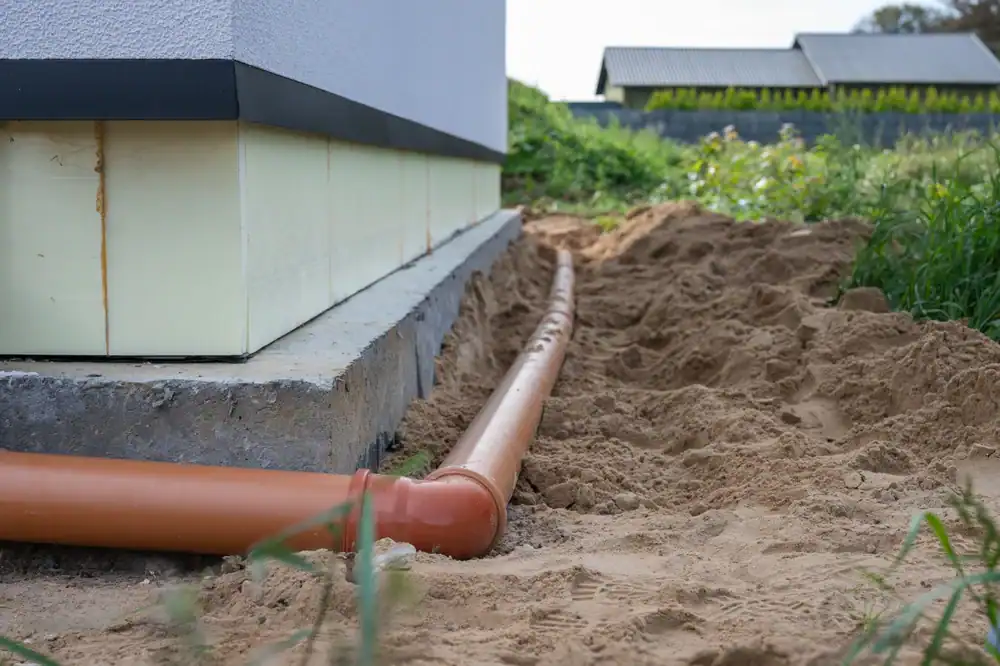
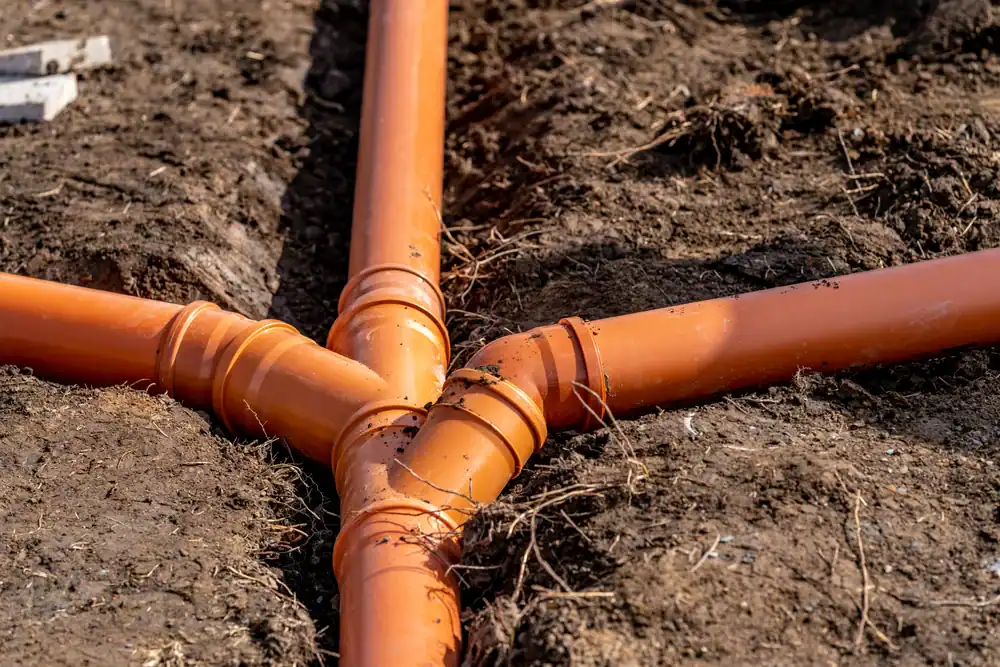
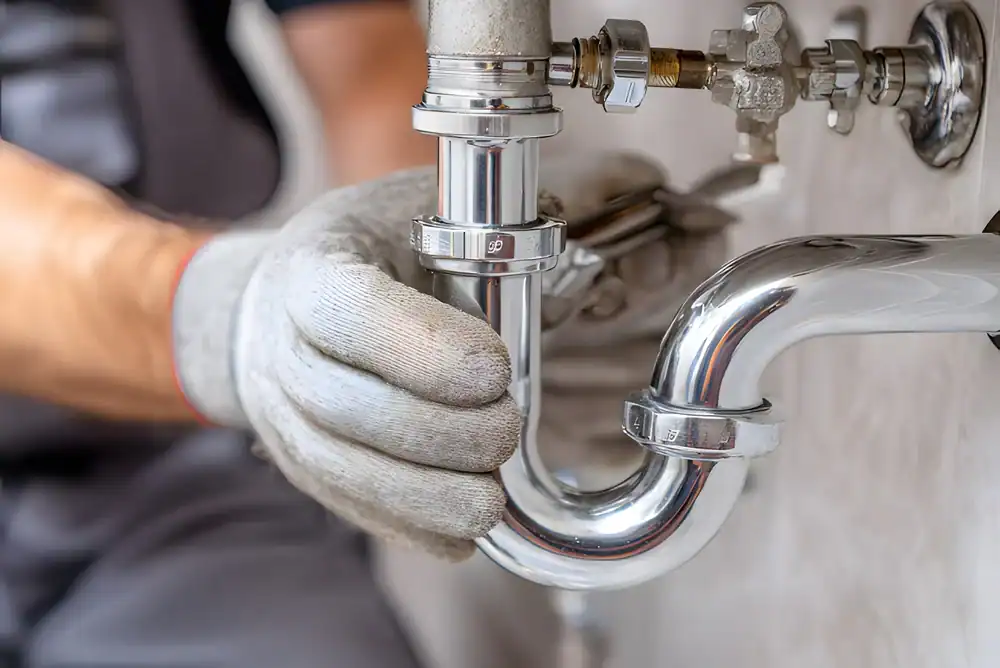
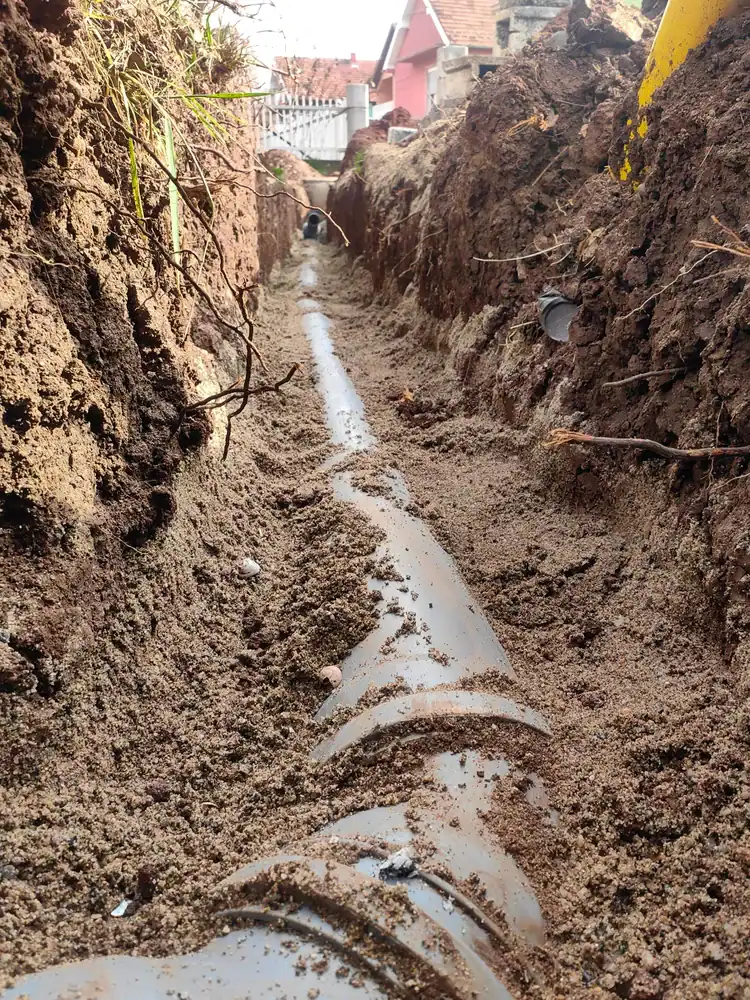
A plumbing scope inspection involves feeding a flexible, waterproof camera through your drain or sewer line — typically through a cleanout access point — and watching in real time what’s happening inside the pipe. The camera travels through the line, transmitting live footage so we can see exactly what’s there.
What it shows depends on what’s going on in your pipes. Sometimes it’s a straightforward clog near the surface. Sometimes it’s tree roots that have grown into a joint. Sometimes it’s something more serious — a pipe belly where the line has sagged and waste is pooling instead of flowing, an offset joint where two sections have separated, or visible corrosion eating through the pipe wall from the inside out.
The footage doesn’t lie. That’s the point.
CCTV Inspection: What the Camera Can and Can’t Tell You
The technical term for this process is CCTV inspection — closed-circuit television inspection — and it’s the same method used by municipalities to assess city sewer infrastructure. When applied to a residential line, it gives you a real-time visual of the pipe’s interior condition that no other non-invasive method can match.
Before camera technology became widely available, plumbers relied on dye testing, smoke testing, or just digging. Dye testing can confirm a leak exists but tells you nothing about where it is or what caused it. Smoke testing finds openings but can’t show you a blockage or a deteriorating pipe wall. Excavation is accurate but expensive, destructive, and time-consuming. A camera inspection replaces all three with something cleaner and faster.
What it can tell you: whether there’s a blockage and what’s causing it, whether roots have entered the line, whether the pipe has structural damage, whether there are low spots where flow is compromised, and roughly where along the line the problem is located. A locator transmitter on the camera head lets us mark the exact spot aboveground — so if repair work is needed, there’s no guesswork about where to dig.
What it can’t always tell you: the full extent of damage if a blockage prevents the camera from traveling the full length of the line, or conditions in lateral lines that branch off the main. Professional cameras typically reach 200 to 400 feet, which covers most residential sewer runs — but if your line is longer or more complex, that’s worth discussing upfront.
The real value isn’t the footage itself. It’s that we can look at what the camera shows and tell you, specifically, what your options are — and whether the problem calls for a cleaning, a spot repair, or something more significant.
When a Camera Inspection Changes the Recommendation Entirely
Here’s the scenario that plays out more often than most homeowners expect, especially in older Brevard County neighborhoods: a drain backs up, someone calls a plumber, the plumber snakes it, it flows again — and then six months later, the same problem comes back. And again six months after that.
Snaking a drain clears whatever is physically blocking it at that moment. But if the blockage is caused by a pipe wall that’s deteriorating, roots that have found a crack and keep growing back, or a belly in the line where waste settles, snaking treats the symptom without touching the cause. You’ll keep paying to clear the same line until someone actually looks at what’s happening inside it.
That’s where a camera inspection changes the conversation. If the footage shows a pipe that’s structurally sound with a simple grease or debris clog, a thorough cleaning solves the problem. If it shows a cast iron pipe with walls that have corroded through, or a section that’s partially collapsed, a cleaning buys you time — but not much of it. The camera tells you which situation you’re actually in, so you can make an informed decision rather than a repeated one.
For Brevard County homes built before 1975, this distinction matters more than it does almost anywhere else. Cast iron was the standard pipe material during the construction boom that built out Cocoa, Merritt Island, Rockledge, and the communities along the Space Coast corridor. Those pipes are now 50 or more years old. Florida’s humidity doesn’t help — hydrogen sulfide gas inside the sewer line reacts with moisture to form sulfuric acid, which attacks cast iron from the inside out. The outside of the pipe can look intact while the interior is eaten through. You won’t know without looking.
Nearly 2.5 million Florida homes have cast iron pipe problems. A camera inspection is how you find out whether yours is one of them — and what stage the problem is at.
Plumbing Camera Inspection Cost: What to Expect and Why It Varies
Nationally, sewer camera inspection costs range from $125 to over $1,700 depending on the length of the line, the complexity of the layout, and the pipe material involved. Most standard residential inspections fall toward the lower end of that range and typically take about an hour to complete.
What drives the cost up is access difficulty, line length, and what the camera encounters along the way. A blockage that stops the camera mid-line, for example, may require clearing before the inspection can continue. Cast iron and clay pipes require more care than PVC. After-hours or emergency calls typically run 20 to 50 percent higher than standard-hours pricing.
We give you upfront pricing before any work begins — no surprises after the fact, no invoice that doesn’t match what you were quoted.
Is a Sewer Camera Inspection Worth It for Brevard County Homeowners?
For most homeowners in Brevard County, yes — and especially if your home was built before 1975 or you’ve had recurring drain problems that keep coming back after being cleared.
The value of the inspection isn’t just in finding problems. A clean inspection result is worth something too. If the camera travels your full sewer line and shows pipes in good condition, you’ve got documented confirmation that you don’t have a hidden problem — and a baseline you can reference for future maintenance decisions. That peace of mind has real value, particularly if you’re managing an older home or you’ve recently purchased a property and aren’t sure what the previous owner kept up with.
One thing that surprises a lot of buyers: a standard home inspection does not cover underground sewer lines. Per InterNACHI inspection standards, underground drain and sewer lines fall outside the scope of what a general home inspector evaluates. That means buyers of pre-1975 homes in Cocoa, Merritt Island, or Rockledge who relied on a standard inspection may have no information at all about the condition of what’s underground. A sewer camera inspection is the only way to close that gap — and it’s a separate service from the home inspection itself.
If you’re buying a home along US-1 or in any of the older Space Coast communities in Brevard County, asking for a sewer scope before closing isn’t overcautious. It’s just due diligence.
What Happens After a Sewer Camera Inspection
After the camera has traveled the line, we walk you through what was found in plain language. Not just “there’s an issue” — but here’s where it is, here’s what it looks like, here’s what it means for your pipe, and here are your options. You should be able to see the footage yourself. If a plumber won’t show you what the camera found, that’s worth paying attention to.
The path forward depends entirely on what the inspection reveals. If it’s a clog that’s accessible and the pipe is otherwise sound, a drain cleaning — either by snaking or hydro jetting, depending on what’s causing the blockage — is usually the right call. We match the method to the problem, not the other way around. If the footage shows a cast iron pipe with significant corrosion, a collapsed section, or extensive root intrusion, the conversation shifts toward what repair or replacement looks like and what timeline makes sense given the condition of the pipe.
In some cases, the inspection confirms there’s nothing urgent — the pipe is aging but functional, and the right move is to monitor it and plan ahead rather than act immediately. That’s an honest answer, and it’s the kind of answer that matters when you’re making decisions about your home.
The inspection should never feel like a one-way funnel toward the most expensive option. The camera is a diagnostic tool. The diagnosis determines the recommendation — not the other way around.
We’re based in Cocoa and serve all of Brevard County, from Titusville down through Melbourne and Palm Bay. We’ve been doing this since 2007, and the owner personally oversees every job. Florida License #CFC1428379 is on our homepage — verifiable through the Florida DBPR database if you want to check.
What to Do If You Think Your Brevard County Home Needs a Sewer Inspection
If your drains keep backing up, you’re catching a sewage smell you can’t locate, or you own a home built before 1975 in Brevard County and have never had the sewer line looked at — a camera inspection is a reasonable next step. Not because something is definitely wrong, but because it’s the only way to know for certain either way.
The inspection takes about an hour. It’s non-invasive — no digging, no cutting, no damage to your pipes. And it gives you actual information to work with instead of guesses.
If you’re in Cocoa, Merritt Island, Rockledge, or anywhere else on the Space Coast and you want a straight answer about what’s going on underground, reach out to Drain Wizard Plumbing & Rooter Service. We’ll tell you what we find — and if there’s nothing to worry about, we’ll tell you that too.