You locked up in April, headed north, and now you’re back. The lawn looks rough, the AC needs a minute, and somewhere in the back of your mind you’re hoping the plumbing held up. It usually does — but not always, and not forever. Homes in Brevard County that sit vacant through a Florida summer take on a specific kind of wear, especially when it comes to the pipes. This checklist covers what to look for when you return, what warning signs actually mean something, and when it’s worth calling in a licensed plumber before a small issue turns into a costly one.
Sewer Smell in the House After Months Away
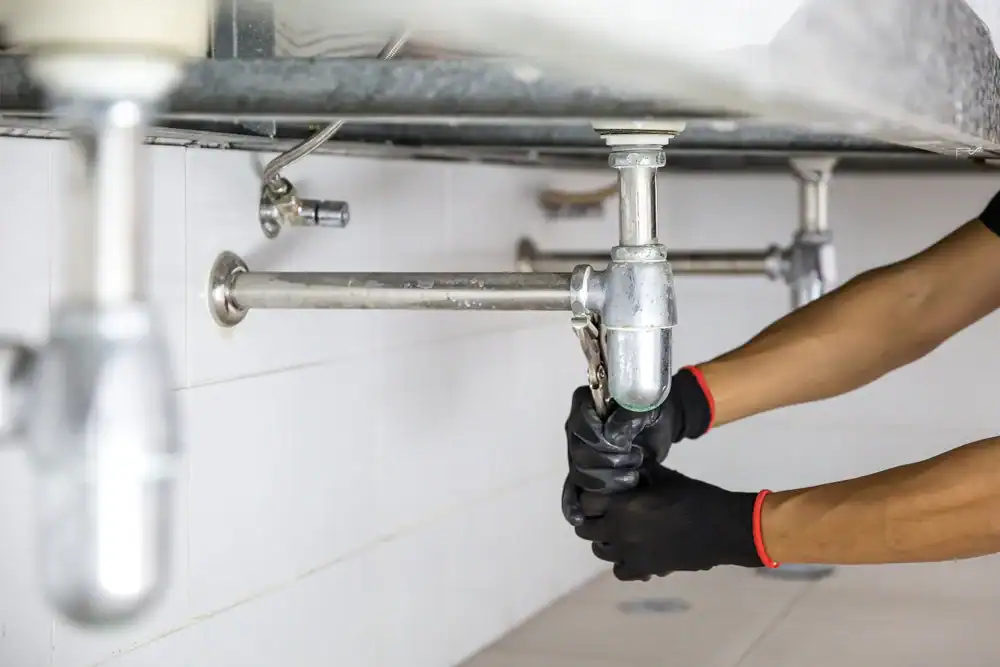
That sulfur smell hitting you when you first walk in — it’s one of the most common things returning snowbirds notice, and it’s almost always coming from the drains. After months without use, the water sitting in your P-traps (the curved pipe sections under every sink, toilet, and shower) can evaporate completely. Those traps exist specifically to block sewer gas from drifting up into your living space, and when they dry out, there’s nothing stopping it.
The fix for a dry P-trap is simple: run water in every drain for about 30 seconds and let the traps refill. In most cases, the smell clears within a few minutes. But if it doesn’t — if the odor lingers after you’ve run every faucet, flushed every toilet, and let things settle — that’s a different conversation.
When a Sewer Smell Means Something More Serious
Persistent sewer gas smell after refilling your P-traps usually points to one of three things: a cracked or deteriorating sewer line, a blocked plumbing vent pipe, or a clog building up in the main drain line. None of these resolve on their own, and all of them tend to get worse the longer they’re left alone.
Sewer gas isn’t just unpleasant — it’s a mix of hydrogen sulfide, methane, carbon dioxide, and ammonia. At low levels it’s mostly a nuisance. At higher concentrations, prolonged exposure can cause headaches, nausea, and respiratory irritation.
For homes in Cocoa, Merritt Island, and Rockledge — where a significant share of the housing stock was built during the Space Coast’s Apollo-era development boom of the 1960s and 70s — the more likely culprit is the sewer line itself. Those homes are now 50 or more years old, and many still have their original cast iron drain pipes running beneath the slab. Cast iron corrodes from the inside out, meaning the pipe can look structurally intact on the outside while the interior is narrowed, cracked, or partially collapsed.
A sewer smell that keeps returning after you’ve run all the drains is a strong signal that it’s time to get a camera in the line and see what’s actually going on. The cost of a camera inspection is a fraction of what you’re looking at if a failing sewer line goes unaddressed through a full snowbird season with a house full of people.
Cast Iron Pipe Inspection: What Brevard County Homeowners Need to Know
If your home was built before 1975 and you’ve never had your drain lines inspected with a camera, you genuinely don’t know what condition they’re in. The corrosion happens on the inside, where no one can see it, and it progresses gradually until something fails.
In ideal conditions, cast iron pipes can last 50 to 100 years. In Florida’s humid, salt-influenced coastal environment — and Brevard County’s proximity to the Atlantic and the Indian River Lagoon puts homes here in a particularly corrosive category — deterioration can begin as early as 25 years in. For homes that are now 50 or 60 years old, that math matters.
What a cast iron pipe inspection actually involves is straightforward. We run a waterproof camera through your drain lines and show you the footage. You see exactly what we see: whether the pipe walls are intact, where corrosion has built up, whether there are cracks or partial collapses, and how much flow capacity is left. If the pipes are in decent shape, we’ll tell you that. If they’re not, you’ll see why before we talk about next steps.
The signs that often bring homeowners to this point — recurring slow drains that don’t fully clear, a sewer smell that won’t quit, rust-colored water, or backups that seem to involve multiple fixtures at once — are worth taking seriously, especially after a long vacancy. A home that sat empty from May through October hasn’t had the regular water flow that naturally flushes sediment and buildup through the system. That accelerates the narrowing process in cast iron pipes that are already aging. Fall, right as you’re returning and before the house is running at full capacity again, is the right time to get eyes on the system.
Signs of a Clogged Sewer Line vs. a Single Drain Problem
One slow drain is usually just a slow drain — hair, soap buildup, a partial blockage at the fixture level. But when multiple drains in the house are sluggish at the same time, or when using one fixture affects another, that’s a main sewer line issue, and it’s a different problem entirely.
The clearest signal is cross-fixture backup: you flush the toilet and water rises in the shower, or you run the washing machine and the floor drain gurgles. That’s the main line telling you it doesn’t have the capacity to handle the flow. Left alone, it doesn’t get better on its own.
What Causes a Main Sewer Line Clog in a Vacant Home
Vacant homes are actually more vulnerable to main line clogs than occupied ones, for a reason most people don’t think about. Regular water use — showers, laundry, dishes — creates a consistent flushing action through the drain system that keeps sediment and grease moving toward the sewer. When a house sits empty for five or six months, that flushing action stops. In cast iron pipes where the interior walls have already roughened from corrosion, sediment and buildup accumulate faster and stick more readily.
When you come back and start using the house normally again — multiple people, full laundry cycles, daily showers — you’re suddenly pushing full flow through a system that’s been sitting stagnant. That’s often when the backup happens.
The warning signs of a main line clog are worth knowing before they turn into an emergency. Multiple slow drains throughout the house, gurgling sounds coming from drains after water runs elsewhere, sewage odor in the yard near the cleanout, and that cross-fixture backup pattern mentioned above — any one of these on its own warrants a closer look. More than one at the same time means the main line needs attention now, not after the holidays.
For homes in Melbourne, Palm Bay, and the older neighborhoods of Cocoa and Rockledge, where cast iron main lines are common, a camera inspection is the only reliable way to know whether you’re dealing with a clog that can be cleared or a pipe that needs to be addressed structurally. Clearing a clog in a pipe that’s already failing buys you time, but not much of it.
Water Heater, Pressure, and Valve Checks
Beyond the drain and sewer system, a few other areas are worth walking through when you return after a long absence. The water heater is the one most people overlook. After sitting idle through a hot Florida summer, sediment that settled at the bottom of the tank has had months to harden. You may notice popping or rumbling sounds when the heater runs — that’s the burner working against the sediment layer. It shortens the life of the unit and reduces efficiency. Running a flush cycle when you return is good practice, and if the unit is more than ten years old, it’s worth having us take a look at the connections, the temperature and pressure relief valve, and the overall condition.
Water pressure is another quick check. Normal household water pressure should sit at or below 80 psi. Pressure that’s crept above that range stresses every fixture, valve, and connection in the house. We can test this in minutes.
All the shut-off valves in the house — under sinks, behind toilets, at the water heater, and at the main — should be cycled open and closed to make sure they haven’t seized from disuse. A valve that won’t close when you need it to is a problem that only reveals itself at the worst possible moment. If you have any outdoor hose bibs or irrigation connections, those are worth inspecting for leaks that may have developed over the summer.
Schedule Your Plumbing Inspection Before Snowbird Season Peaks
The best time to get your plumbing looked at is before something goes wrong — not after a backup, not after a smell has been lingering for two weeks, and not after guests are already in the house. For Brevard County homeowners returning for the season, that window is right now, in the weeks before things get busy.
If your home is more than 40 years old, has never had a camera inspection, or you’re noticing anything on this list — slow drains, sewer smell that won’t clear, cross-fixture backup, unusual sounds from the water heater — those are worth taking seriously. The issues that show up in the fall are almost always more manageable than the ones that turn into emergencies in January.
Drain Wizard Plumbing & Rooter Service is based in Cocoa and serves all of Brevard County, from Titusville down through Melbourne and Palm Bay. If you want to know what’s actually going on with your pipes before the season is in full swing, give us a call. We’ll show you exactly what we find.