Small leaks turn into major disasters fast. Discover the critical warning signs that tell you it's time to call a professional plumber before minor issues cost you thousands.
Share:
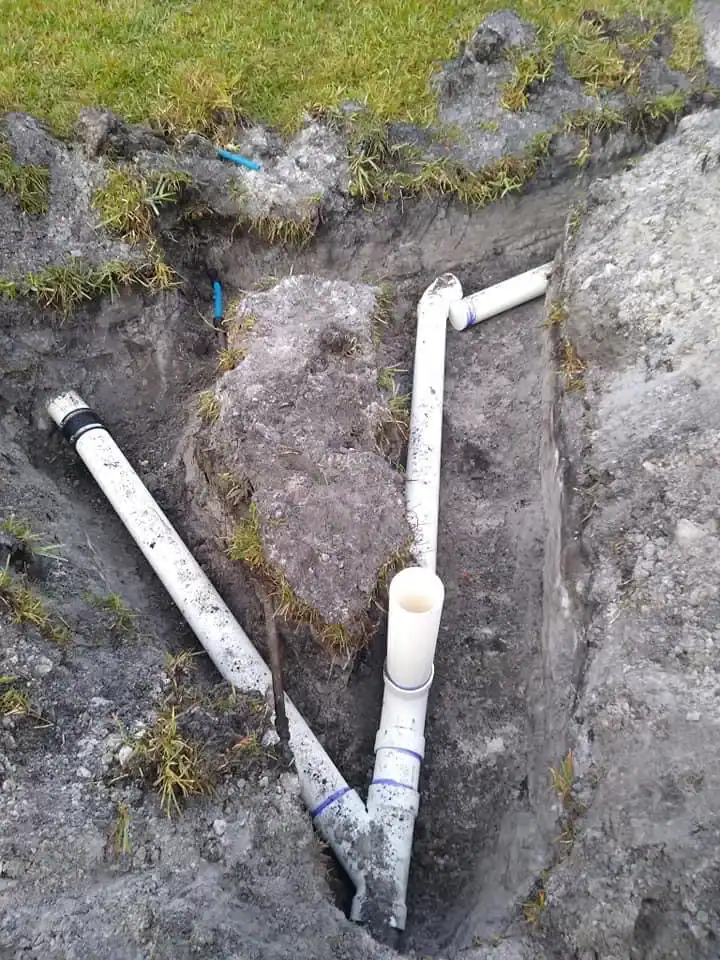
Summary:
You open your water bill and do a double-take. Last month was $65. This month? $115. Nothing changed in your routine, no extra guests, no new appliances. So where’s all that water going?
An unexplained jump in your water bill is one of the clearest signs you’re dealing with a leak somewhere in your system. The average household already wastes more than 10,000 gallons annually through leaks, but when you’ve got an active problem, that number climbs fast. A toilet that’s quietly running can waste up to 200 gallons a day. A small crack in your main line? That’s potentially 6,300 gallons a month disappearing into the ground.
The tricky part is that these leaks often hide where you can’t see them—behind walls, under slabs, or buried in your yard. By the time you notice the bill, the leak’s already been running for weeks.
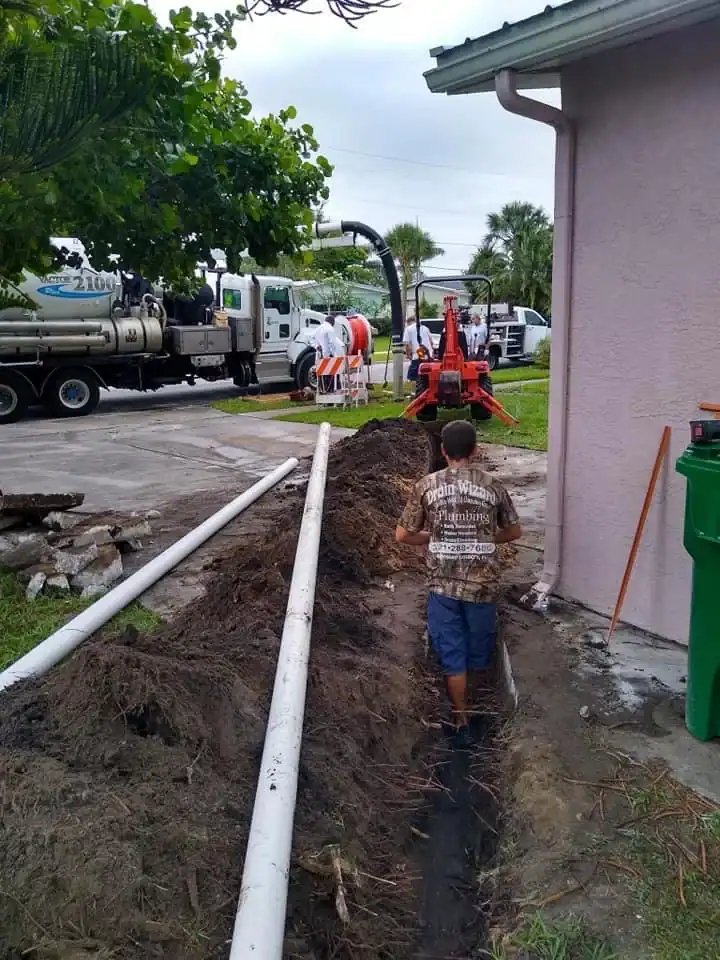
Not every high bill means disaster. Sometimes it’s seasonal—summer months in Brevard County, FL see higher usage from lawn watering and extra showers. Other times it’s a rate increase from your utility provider. But if your bill jumped by $20 or more without any obvious reason, you’re likely dealing with a leak.
Start with the basics. Check your toilets first—they’re the most common culprits. Drop some food coloring in the tank and wait 10 minutes without flushing. If color shows up in the bowl, your flapper’s leaking. That’s an easy fix, but it’s costing you serious money until you address it.
Next, check your water meter. Turn off every faucet, appliance, and water-using fixture in your house. Go outside and look at your meter. Write down the reading. Wait two hours without using any water, then check again. If the number changed, water’s flowing somewhere even when nothing’s running—and that’s a leak.
Don’t ignore faucets either. That slow drip might seem harmless, but it adds up to about 3,000 gallons a year from just one faucet. Multiply that across multiple fixtures and you’re looking at real money down the drain. A fast drip—around 120 drips per minute—wastes 330 gallons a month, adding another $20 to your bill or $200 annually.
The bigger concern is underground leaks. These are invisible, silent, and expensive. A dime-sized leak in your main water line can dump over 10,000 gallons per month, turning a reasonable bill into something that makes you question if the meter’s broken. It’s not. The leak is just that bad.
If you’ve ruled out the obvious stuff and your bill’s still climbing, it’s time to call in a professional with leak detection equipment. Thermal cameras, acoustic sensors, and pressure testing can pinpoint problems you’d never find on your own. The longer you wait, the more water you’re paying for that’s doing nothing but damaging your property.
Brevard County, FL homes face some specific challenges that other areas don’t deal with as much. The coastal humidity, sandy soil conditions, and the age of housing stock all play a role in how plumbing holds up over time. Many homes here were built before 1975, which means they’re likely still running on original cast iron pipes. Those pipes corrode, develop pinhole leaks, and eventually fail—often without any warning until your water bill tells the story.
Florida’s climate doesn’t help. High humidity means condensation on pipes, which accelerates corrosion. Frequent rain and storm activity can shift soil, putting stress on underground lines. And because we don’t deal with freezing temperatures like northern states, homeowners here sometimes overlook the slow, steady wear that happens year-round.
Irrigation systems are another big factor. If you’ve got a sprinkler system, a stuck valve or broken sprinkler head can waste thousands of gallons without you ever noticing. The water just soaks into the ground, and unless you’re watching your system run, you won’t see the problem. Some homeowners discover they’ve been watering their driveway or the street for months because a head broke off and nobody caught it.
Then there’s the issue of water softeners. If you’ve got one, it goes through regeneration cycles that use water to clean the filter media. If the system gets stuck in a cycle or malfunctions, it can run continuously, using hundreds of gallons. It’s not a leak in the traditional sense, but it’ll spike your bill just the same.
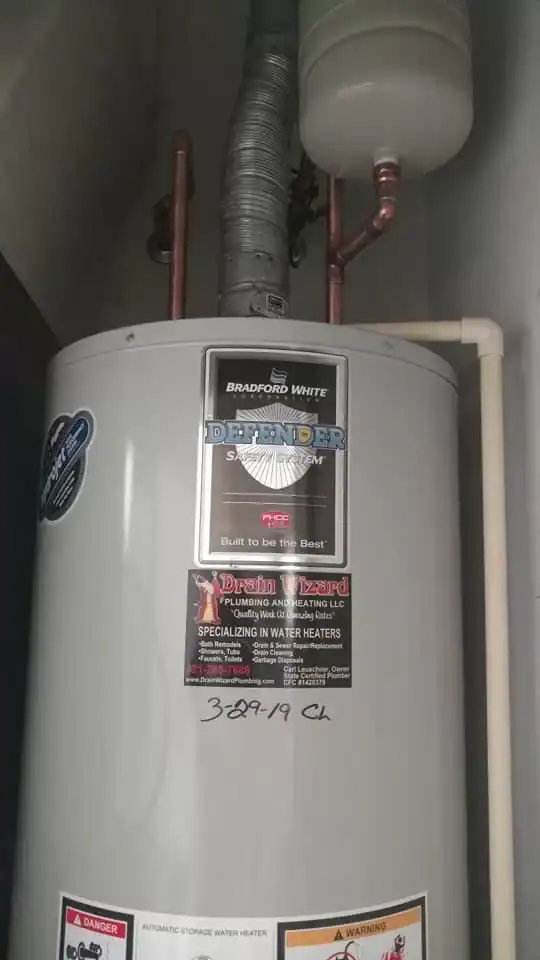
Older water heaters are also worth checking. As they age, sediment builds up inside the tank, and the tank itself can develop small leaks. Sometimes these leaks are slow enough that you don’t see water pooling, but they’re constant enough to show up on your bill. If your water heater is over 10 years old and your bill’s climbing, that’s worth investigating.
The bottom line is this: if your water bill increased significantly and you can’t explain it, don’t just pay it and hope it goes away. It won’t. Leaks don’t fix themselves, and the longer they run, the more damage they cause—not just to your wallet, but potentially to your home’s structure, foundation, and indoor air quality.
Want live answers?
Connect with a Drain Wizard Plumbing expert for fast, friendly support.
You turn on the shower and it’s barely more than a trickle. The kitchen faucet that used to have good pressure now takes forever to fill a pot. Low water pressure is frustrating, but more importantly, it’s often a sign something’s wrong with your plumbing system.
Sudden drops in pressure can point to a leak somewhere in your lines. When water’s escaping through a crack or break, there’s less pressure available at your fixtures. If the pressure drop is isolated to one area—like just the bathroom—the problem’s probably localized to that section of piping. If it’s affecting your whole house, you’re looking at something bigger, possibly in your main line or at the water heater.
Corrosion inside pipes is another common cause, especially in older Brevard County, FL homes with galvanized steel or cast iron plumbing. As these materials age, rust and mineral deposits build up inside, narrowing the pipe’s diameter and restricting flow.
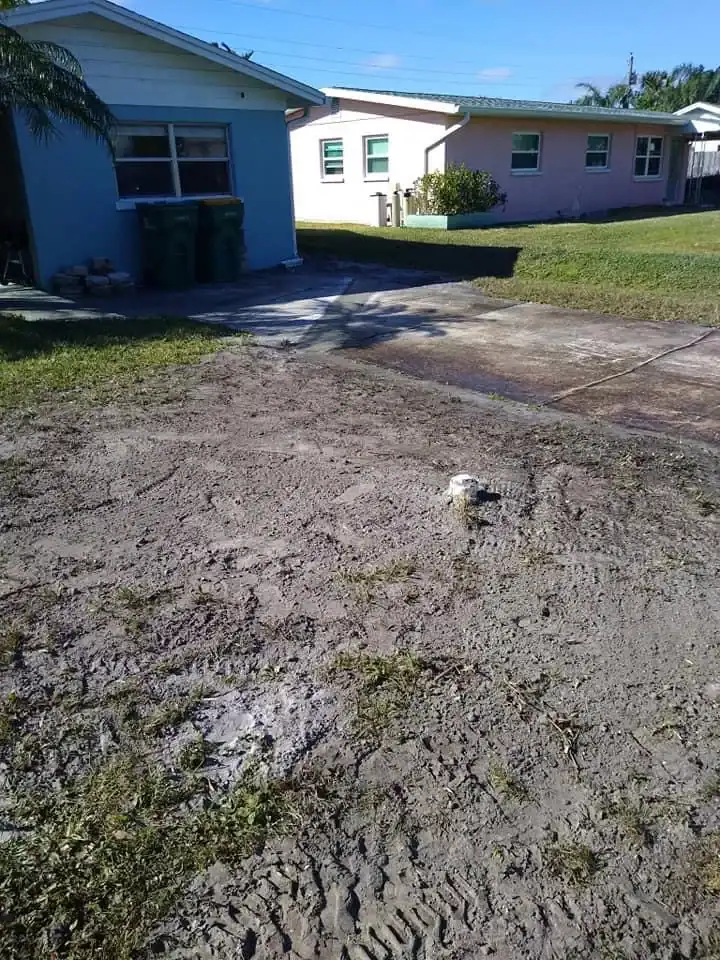
Not all pressure issues mean you need a plumber right away. Sometimes it’s as simple as a clogged aerator on your faucet—unscrew it, rinse out the debris, and you’re back in business. But if cleaning the aerator doesn’t help, or if multiple fixtures are affected, you’re dealing with something more significant.
A hidden leak is one of the most concerning causes. When a pipe develops a crack or rupture, water leaks out before it ever reaches your faucet. That lost water means lost pressure. If the leak’s behind a wall or under your foundation, you might not see any visible water damage yet, but you’ll definitely notice the pressure drop. This is especially common in homes with slab foundations, where pipes run underneath the concrete. A slab leak can go undetected for a long time, quietly causing damage while you wonder why your shower feels weak.
Burst pipes are another serious issue. If a pipe has partially burst or developed a significant crack, the pressure loss will be dramatic and sudden. You might also notice water stains on walls or ceilings, damp spots on floors, or even the sound of running water when no fixtures are on. A burst pipe is an emergency—it can cause extensive water damage within 24 hours, leading to soaked carpets, ruined drywall, mold growth, and structural issues.
Corroded pipes are a slower problem but just as serious in the long run. Brevard County, FL water can be hard, meaning it contains minerals that build up inside pipes over time. Combine that with the natural corrosion of aging metal pipes, and you’ve got a recipe for restricted flow. Galvanized steel pipes, common in homes built before the 1970s, are particularly prone to this. The interior of the pipe essentially rusts away, leaving a narrower passage for water to flow through. Eventually, these pipes fail entirely.
If your home still has cast iron drain lines, those are also at risk. Cast iron corrodes from the inside out, and once it starts, it doesn’t stop. You might notice not just low pressure, but also slow drains, strange odors, or even sewage backups. Replacing cast iron with modern materials like PVC or PEX is often the best long-term solution.
Another possibility is a problem with your water heater. If you’re only experiencing low pressure with hot water, the issue is likely isolated to the heater itself. Sediment buildup, a failing dip tube, or a partially closed valve can all reduce hot water pressure. If your water heater is over 10 years old, it’s worth having a professional take a look.
In some cases, low pressure can also indicate an issue with your main water line. Tree roots are a common culprit here in Florida. They seek out moisture and can infiltrate underground pipes, causing blockages or even breaking through the pipe entirely. If you’ve got large trees near your water line, this is something to consider, especially if you’re also noticing wet spots in your yard or an unexplained increase in your water bill.
The first thing to do is figure out if the problem is isolated or widespread. Turn on faucets in different rooms—bathroom, kitchen, laundry room. Check both hot and cold water. If only one fixture is affected, the issue is probably with that fixture or the pipe directly serving it. If multiple areas are affected, or if the pressure is low throughout the house, you’re dealing with a larger problem.
Check with your neighbors if you can. If they’re experiencing the same issue, it might be a municipal problem with the water supply, not your plumbing. Water companies occasionally perform maintenance or repairs that temporarily reduce pressure. If that’s the case, it should resolve on its own once the work is complete.
If it’s just your house, check your main water shut-off valve. It’s usually located near the water meter or where the main line enters your home. Make sure it’s fully open. Sometimes valves get partially closed by accident, especially if you’ve had recent plumbing work done. A partially closed valve will reduce pressure throughout your entire home.
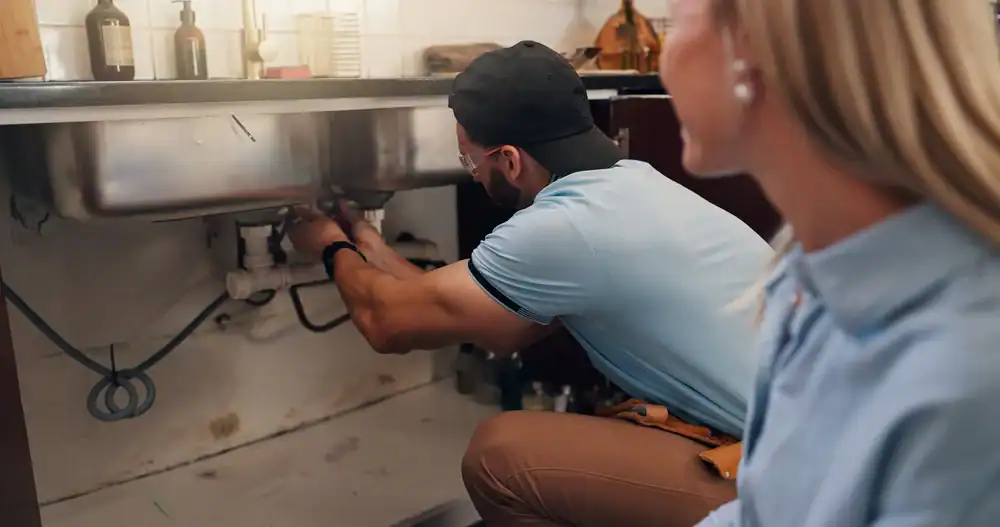
Next, inspect visible pipes for any signs of leaks—water stains, damp spots, corrosion, or puddles. Check under sinks, around the water heater, in the basement or crawl space if you have one, and anywhere else pipes are exposed. If you find a leak, shut off the water to that area if possible and call us immediately.
If you don’t see any obvious leaks but pressure is still low, the problem is likely hidden. This is where professional leak detection becomes essential. We use specialized equipment like acoustic sensors and thermal imaging cameras to locate leaks behind walls, under slabs, or underground without tearing your house apart. Once the leak is found, we can repair it and restore your pressure.
Don’t ignore low water pressure, especially if it comes on suddenly. It’s not just an inconvenience—it’s often your first warning that something’s seriously wrong. The sooner you address it, the less damage you’ll have to deal with and the lower your repair costs will be. Waiting just gives the problem time to get worse, and in the case of a hidden leak, that can mean thousands of dollars in water damage, mold remediation, and structural repairs.
If you’re in Brevard County, FL and dealing with unexplained pressure loss, it’s worth having a local plumber who understands the area’s unique challenges take a look. We know what to look for based on the age of your home, the type of plumbing you have, and the common issues that affect homes in this region.
The signs are there if you know what to look for. A water bill that’s climbing without explanation. Pressure that’s dropped suddenly. Wet spots, strange sounds, or that musty smell that won’t go away. These aren’t things to put off until next month or next season. They’re your home’s way of telling you something’s wrong, and the longer you wait, the more expensive and damaging the problem becomes.
In Brevard County, FL, where humidity, aging infrastructure, and coastal conditions create the perfect storm for plumbing issues, staying ahead of problems isn’t just smart—it’s necessary. A small leak today can turn into mold growth, structural damage, and a five-figure repair bill tomorrow. But catching it early? That’s a different story entirely.
If you’re noticing any of these warning signs, don’t wait. Reach out to us at Drain Wizard Plumbing and let our team with over 40 years of experience and deep local knowledge take a look. Your home’s worth protecting, and we can help you do exactly that.
Article details:
Share:
Continue learning: