Your tankless water heater was supposed to give you endless hot water and lower energy bills. But if you’re noticing lukewarm showers, fluctuating temperatures, or strange popping sounds, mineral buildup is probably choking your system. In Brevard County, our moderately hard water accelerates this problem faster than you might expect. The good news is that flushing your tankless water heater isn’t as complicated as it sounds, and doing it regularly can add years to your system’s life. Here’s what you need to know about descaling, how often Florida homeowners should do it, and when it makes sense to bring in a professional.
Why Flushing Tankless Water Heaters Matters in Florida
Tankless water heaters work by pushing water through a compact heat exchanger that heats it on demand. It’s efficient, space-saving, and designed to last 20 years or more. But there’s a catch.
Florida’s water supply contains dissolved minerals like calcium and magnesium that separate out when heated. These minerals don’t just disappear. They stick to the inside of your heat exchanger, building up layer by layer until they form a hard, chalky coating called scale. This scale acts like a blanket, insulating the heating elements and forcing your system to work harder to deliver the same amount of hot water. Over time, that means higher energy bills, inconsistent water temperature, and a system that ages faster than it should.
How Hard Water Affects Your Tankless System
Brevard County’s water averages around 115 parts per million of hardness in areas like Cocoa, which falls into the “moderately hard” category. That might not sound extreme, but it’s enough to cause real problems if you’re not flushing your tankless water heater regularly.
The minerals in our water come from Florida’s limestone-rich geology. As groundwater flows through rock formations, it picks up calcium and magnesium along the way. When your tankless heater heats that water to 120 degrees or higher, those minerals precipitate out and cling to metal surfaces inside the unit.
The buildup doesn’t happen overnight. It’s gradual. You might not notice anything for the first year. But by year two or three without flushing, you’ll start seeing the symptoms. Water takes longer to heat up. Your morning shower doesn’t get as hot as it used to. The flow feels weaker. Your energy bills creep up without explanation.
The heat exchanger is where the damage really happens. Scale reduces the surface area available for heat transfer, which means your burner has to fire longer and hotter to achieve the same water temperature. That’s not just inefficient—it’s hard on the components. Sensors can misread temperatures. Heating elements wear out faster. In severe cases, the buildup can block water flow entirely, triggering error codes or causing the system to shut down.
Living near the coast adds another layer of complexity. Salt air accelerates corrosion on external components, and Florida’s humidity doesn’t help either. Between the mineral-heavy water and the environmental factors, tankless systems in Brevard County need more attention than they would in drier climates with softer water.
Signs Your Tankless Water Heater Needs Descaling
Most homeowners don’t think about flushing their tankless water heater until something goes wrong. By then, the buildup is already affecting performance. Catching the warning signs early saves you from bigger headaches down the road.
Fluctuating water temperature is usually the first clue. You’ll be in the shower, and the water goes from hot to lukewarm and back again without you touching the controls. That inconsistency happens because scale is interfering with the heat exchanger’s ability to maintain steady output. The system struggles to regulate temperature when mineral deposits are blocking efficient heat transfer.
Reduced water pressure is another red flag, especially if it’s only affecting your hot water lines. Scale doesn’t just coat the heat exchanger; it can also build up in the inlet and outlet pipes, narrowing the pathway and restricting flow. If your cold water pressure is fine but your hot water comes out weak, mineral buildup is a likely culprit.
Strange noises are your tankless water heater’s way of crying for help. Popping, banging, or rumbling sounds usually mean mineral deposits are being heated and cooled repeatedly, creating stress on the internal components. You might also hear gurgling, which indicates that water is struggling to flow through restricted passages.
Error codes on your digital display are impossible to ignore. Many modern tankless systems will actually tell you when maintenance is needed. The specific codes vary by manufacturer, but common ones relate to scale buildup, sensor malfunctions, or overheating—all of which can be caused or worsened by mineral deposits.
If your system is taking longer to deliver hot water than it used to, that’s another sign. A properly maintained tankless heater should give you hot water within seconds of turning on the tap. Delays mean something is slowing down the heating process, and scale buildup is often the reason.
Tankless Water Heater Cleaning: How Often Should You Flush
There’s no one-size-fits-all answer to how often you should flush your tankless water heater. It depends on your water quality, how much hot water your household uses, and what your manufacturer recommends. But if you live in Brevard County, the general rule is more often than the national average.
Most manufacturers recommend flushing at least once a year. That’s the baseline for maintaining your warranty and keeping the system running efficiently. But in areas with hard water like Florida, you’re better off flushing every six to nine months. The higher mineral content in our water means scale accumulates faster, and waiting a full year can leave you with buildup that’s harder to remove.
If you’re not sure about your water hardness, you can test it yourself with an inexpensive kit from a hardware store, or check your municipal water quality report. Anything above 120 ppm is considered hard, and that’s when you should lean toward more frequent maintenance.
Descaling Tankless Water Heater: Step-by-Step Process
Flushing a tankless water heater isn’t rocket science, but it does require some preparation and the right tools. You’ll need a submersible pump (usually 1/6 horsepower), two hoses long enough to reach from your water heater to a bucket, a five-gallon bucket, and four gallons of white vinegar. Don’t use chemical descaling solutions unless your manufacturer specifically recommends them. Vinegar is safe, effective, and won’t contaminate your drinking water.
Start by turning off the power to your tankless water heater. If it’s a gas unit, shut off the gas supply. If it’s electric, flip the circuit breaker. Safety first. You don’t want the system trying to heat water while you’re working on it.
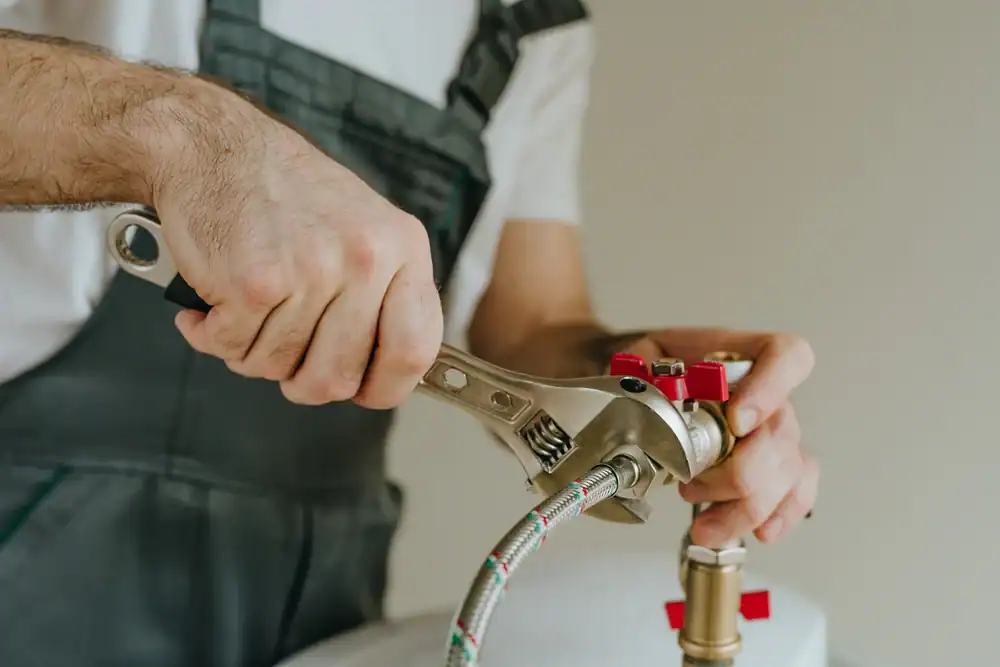
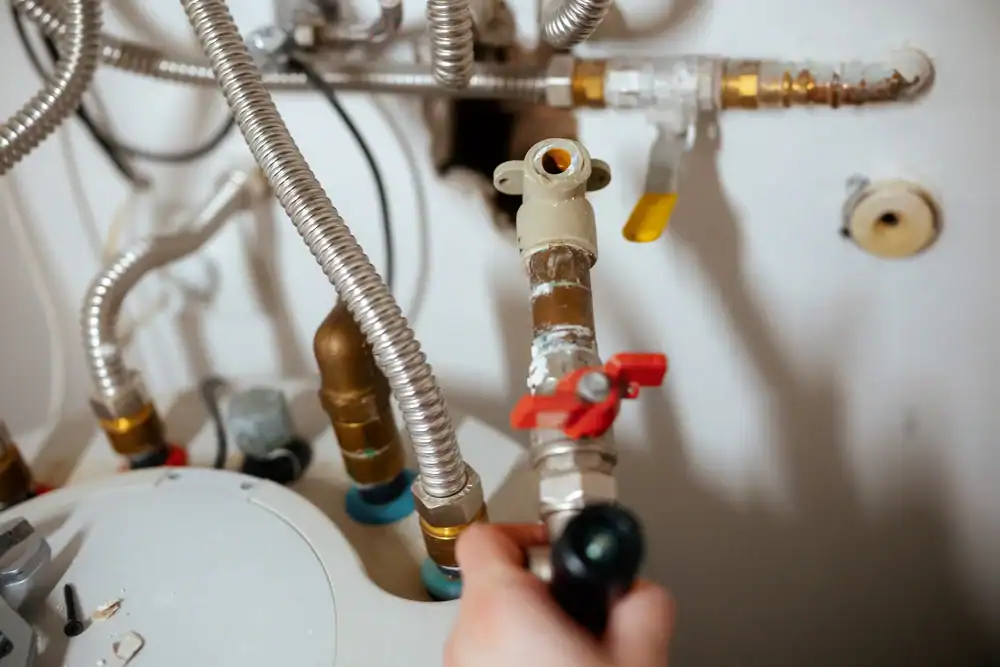
Next, close the three water valves connected to your unit. There should be a cold water valve (often marked in blue), a hot water valve (marked in red), and a main valve. Closing these prevents water from flowing in or out during the cleaning process. Once the valves are closed, locate the purge port valve caps on the cold and hot water lines. Remove these caps. A little water will drain out; that’s normal.
Attach one hose to the cold water service valve and connect the other end to your submersible pump. Attach the second hose to the hot water service valve. Place the pump and the open end of the second hose into your five-gallon bucket. Pour the four gallons of white vinegar into the bucket. Make sure both the pump and the hose from the hot water valve are submerged in the vinegar.
Plug in the pump and let it run. The vinegar will circulate through your tankless water heater, dissolving mineral deposits as it goes. You should let it run for at least 45 minutes. If you haven’t flushed your system in over a year, or if you know your water is particularly hard, run it for a full hour.
After the vinegar has circulated long enough, turn off the pump. Close the cold water service valve and disconnect the hose. Dump the used vinegar down a drain; it’ll be discolored from the minerals it pulled out of your system. Rinse your bucket and refill it with clean water. Reconnect the hose to the cold water service valve, open the valve, and let fresh water flush through the system for about five minutes. This step is important. You don’t want vinegar residue sitting in your heat exchanger or making your water taste funny.
Once you’ve flushed with clean water, close the service valves, disconnect the hoses, and replace the purge port valve caps. Make sure they’re snug but not over-tightened; you don’t want to crack the rubber seals. Open the cold and hot water valves so they’re parallel to the main valve, then turn the power or gas back on. Finally, open a hot water tap somewhere in your house and let it run until the water flows steadily without sputtering. That releases any air that got into the lines during the flushing process.
Water Heater Services: When to Call a Professional
Flushing your tankless water heater yourself can save you money, but it’s not always the best choice. If you’re not comfortable working with plumbing connections, or if your system hasn’t been maintained in years, calling a professional is the smarter move.
Professional plumbers have the experience to spot problems you might miss. While we’re flushing your system, we’ll also inspect the heat exchanger for cracks, check sensors and valves for proper function, test the venting system if you have a gas unit, and look for early signs of corrosion or wear. That kind of comprehensive service gives you peace of mind and can catch small issues before they turn into expensive repairs.
Warranty considerations matter too. Many tankless water heater manufacturers require professional maintenance to keep your warranty valid. If you’re still within the warranty period, check your paperwork. DIY flushing might save you a service call fee, but it could also void your coverage if something goes wrong later.
There’s also the question of disposal. Used descaling solution and the mineral-laden water that comes out of your system need to be disposed of properly. We know how to handle that safely and in compliance with local regulations.
If your tankless water heater is showing signs of serious problems—error codes that won’t clear, complete loss of hot water, visible leaks, or strange smells—don’t try to DIY it. Those symptoms suggest issues beyond simple mineral buildup, and a licensed plumber can diagnose and fix them correctly.
For homeowners in Brevard County, working with a local plumber who understands Florida’s water conditions makes a difference. We know how coastal humidity and hard water affect tankless systems differently than they would in other parts of the country. We’ve seen the specific problems that come up in Cocoa, Rockledge, and Merritt Island, and we know how to address them.
At Drain Wizard, we bring over 40 years of combined plumbing experience to every job, with personal oversight from owner Carl on each project. Our one-hour callback guarantee means you’re not left waiting when you have questions or need service. And because we’re licensed, insured, and familiar with Brevard County’s unique conditions, you can trust that the work is done right the first time.
Protect Your Investment with Regular Maintenance
Flushing your tankless water heater isn’t optional if you want it to last. In Brevard County’s hard water environment, mineral buildup happens faster than in many other parts of the country. Staying on top of maintenance—whether you do it yourself or hire a professional—keeps your system running efficiently, lowers your energy bills, and helps you avoid expensive repairs.
If you’re comfortable with basic plumbing tasks and your system is relatively new, DIY flushing can be a cost-effective way to handle routine maintenance. But if you’re dealing with an older unit, persistent problems, or you just want the confidence that comes with professional service, it’s worth making the call. Regular descaling protects the investment you made in your tankless water heater and ensures you’ll have reliable hot water for years to come.
When you’re ready for professional tankless water heater service in Cocoa, Rockledge, Merritt Island, or anywhere in Brevard County, we’re here to help with the expertise and attention to detail that comes from decades of experience serving Florida homeowners.