A licensed plumber does more than install equipment—they protect your property, validate warranties, ensure code compliance, and prevent the costly mistakes that DIY attempts often create.
Share:
Summary:
When you hire a licensed plumber for water heater replacement in Brevard County, FL, you’re not just paying for installation labor. You’re buying protection from a long list of problems that unlicensed work creates. Think of it as insurance for your home’s most critical hot water system.
A licensed contractor carries insurance that covers your property if something goes wrong. We pull the proper permits so your work passes inspection. We know Florida’s building codes inside and out, which matters more than you might think in a state with unique requirements for humidity, drainage, and storm resilience. We also validate your manufacturer’s warranty—most water heater companies require a licensed plumber’s information to register coverage. Without it, you’re on your own if the unit fails prematurely.
In Florida, replacing a water heater requires a permit. That’s not a suggestion—it’s law. The permit ensures your installation meets current building codes and passes inspection for safety and compliance. Skip it, and you’re creating problems that will surface when you least expect them.
When you go to sell your home, the buyer’s inspector will likely catch unpermitted work. That can kill a deal or force you to bring everything up to code at your expense. Some buyers will walk away entirely rather than inherit someone else’s code violations. You’ll be scrambling to get retroactive permits, schedule inspections, and potentially redo work that wasn’t done correctly the first time.
Permits also matter for insurance. If your water heater causes damage and the insurance company discovers the installation was unpermitted, they can deny your claim. You’ll be paying out of pocket for water damage, mold remediation, and repairs that could easily run into the tens of thousands. In Brevard County’s humid climate, water damage doesn’t stay contained—it spreads fast and creates mold within 24 to 48 hours.
The permit process itself isn’t complicated when you work with a licensed plumber. We handle the application, submit the required documentation, and schedule inspections. You don’t have to navigate county offices or figure out what forms you need. We take care of it because it’s part of doing the job correctly.
Local inspectors in Brevard County know what to look for. They’re checking that your installation can handle Florida’s humidity, mineral-rich water, and weather patterns. As licensed plumbers, we understand these regional factors and install accordingly—proper drainage slopes, corrosion-resistant materials, and storm-resilient connections that meet Florida’s specific codes.
Trying to DIY your way around plumbing permit requirements doesn’t save money. It creates liability. And when something goes wrong with water heaters, it’s usually a question of when, not if.
Most water heater manufacturers require professional installation service to honor their warranty. When you register your new unit, they ask for the installing plumber’s license number. No license number means no warranty coverage. If your water heater fails in year two, you’re buying a replacement out of pocket even though it should have been covered.
This isn’t a small detail. Water heaters typically come with warranties ranging from 6 to 12 years depending on the model. That warranty represents hundreds or even thousands of dollars in potential coverage. Voiding it to save on installation costs is a bad trade—you’re risking long-term expenses to avoid a short-term bill.
Insurance coverage works the same way. Homeowner’s insurance policies often require that major plumbing work be performed by licensed professionals. If you install your own water heater and it leaks, flooding your home and causing water damage, your insurance company can deny the claim based on the fact that the work wasn’t done by a licensed contractor.
In Brevard County’s humid climate, water damage doesn’t just mean wet floors. It means mold growth, often within 24 to 48 hours. Mold remediation is expensive, and if your insurance won’t cover it because you skipped hiring a licensed plumber, you’re facing a financial disaster over what seemed like a cost-saving shortcut. We’re talking $10,000 to $30,000 in damage from a leak that a professional installation would have prevented.
Licensed plumbers carry their own insurance too—both general liability and workers’ compensation. If we damage something during installation, our insurance covers it. If we get hurt on your property, workers’ comp handles it. When you DIY or hire an unlicensed handyman, you assume all that risk yourself. One injury on your property could mean a lawsuit that costs you everything.
The bottom line: professional installation service protects your warranty, your insurance coverage, and your financial wellbeing. It’s not an optional upgrade—it’s the foundation of a smart water heater replacement.
Want live answers?
Connect with a Drain Wizard Plumbing expert for fast, friendly support.
Let’s talk numbers. The new water heater cost in Brevard County, FL typically ranges from $900 to $2,000 for a standard installation, including the unit, labor, permits, and disposal of your old tank. That might seem like a lot when you see water heaters at the hardware store for $400 to $800.
But here’s what that price difference actually buys you: correct sizing for your household, proper venting and connections, code-compliant installation, permit handling, hot water tank disposal, warranty registration, and insurance protection. When you try to DIY it, you’re gambling that you’ll get all of that right on your first try. Most people don’t. And the cost of fixing those mistakes almost always exceeds what you would have paid a licensed plumber from the start.
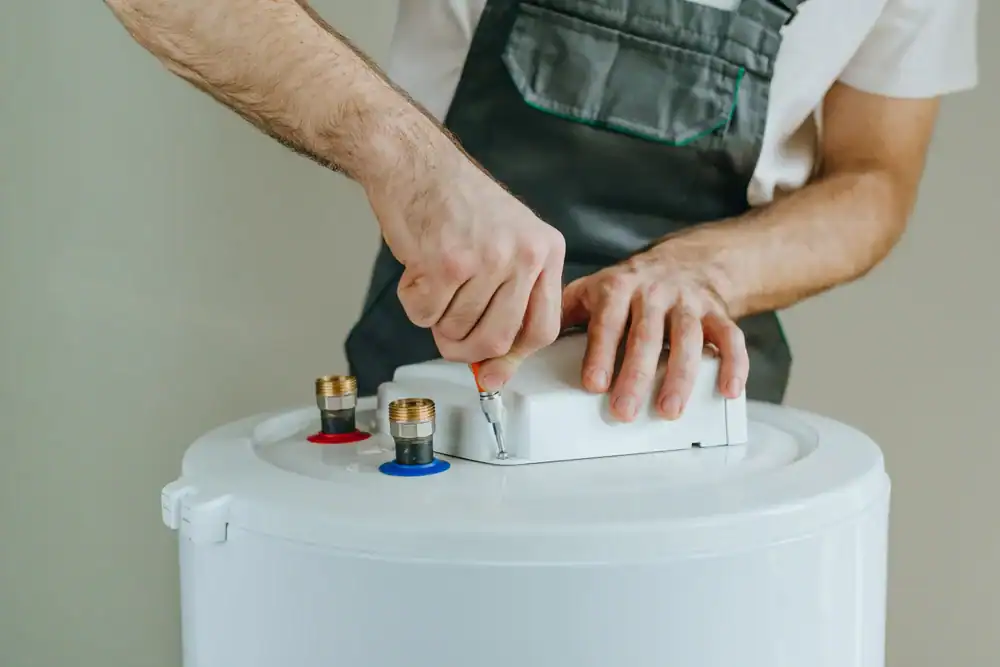
Professional installation service covers far more than just swapping out the old unit for a new one. We start by evaluating your current system and determining the right size and type of water heater for your home’s needs. Undersizing means you’ll run out of hot water during showers or when running the dishwasher. Oversizing wastes energy and money every month. Getting it right requires understanding your household’s usage patterns, not just guessing based on what was there before.
Next comes the installation itself. For gas water heaters, that means working with gas lines—something that requires precision and knowledge. One mistake can create a gas leak, which is both a fire hazard and a health risk. Electric water heaters need proper electrical connections, typically 240-volt circuits with 30 to 60 amp capacity. Incorrect wiring can cause fires or electrocution. These aren’t risks you want to take.
Venting is another critical piece that most DIYers get wrong. Gas water heaters must vent combustion gases safely outside your home. Improper venting can lead to carbon monoxide buildup, which is deadly and often undetectable without a CO detector. Florida codes have specific requirements for vent sizing, slope, and materials. We know these requirements and follow them every time.
We also handle the temperature and pressure relief (TPR) valve, which is your water heater’s primary safety device. This valve prevents dangerous pressure buildup that can cause the tank to explode. Yes, explode—it’s rare, but it happens when TPR valves aren’t installed correctly or discharge lines aren’t routed properly. Professional installation ensures this safety system works as designed, protecting your home and family.
Then there’s hot water tank disposal. You can’t just leave your old water heater on the curb in Brevard County. There are regulations for disposing of large appliances. We handle removal and disposal as part of our service, ensuring the old unit is recycled or disposed of properly according to local requirements. You don’t have to worry about hauling a 150-pound tank or figuring out where it’s allowed to go.
Finally, we test the entire system, check for leaks, verify proper operation, and walk you through how to maintain your new water heater. You’re not left guessing whether everything works—you know it does because a professional confirmed it and stands behind their work.
The initial savings of DIY water heater installation disappear fast when things go wrong. And they often do. Common mistakes include incorrect pipe connections that cause leaks, improper venting that creates carbon monoxide hazards, wrong-sized gas lines that can’t deliver adequate fuel, electrical errors that trip breakers or cause fires, and skipped expansion tanks where required by Florida code.
Each of these mistakes costs money to fix. But more importantly, they can cause property damage that dwarfs the cost of hiring a professional in the first place. A water heater holds 30 to 80 gallons of water. If a connection fails and that water floods your home, you’re looking at damaged flooring, ruined drywall, destroyed furniture, and potential mold growth. In Brevard County’s humid climate, mold can develop within 24 to 48 hours of water exposure—and mold remediation alone can cost $5,000 to $15,000.
Water damage restoration typically costs several thousand dollars, and that’s before you factor in replacing damaged belongings. If your insurance denies the claim because the installation was DIY or unpermitted, you’re paying for all of it yourself. That $1,000 you saved by not hiring a licensed plumber just turned into a $10,000 to $30,000 disaster. It’s not a savings—it’s a gamble with terrible odds.
Then there’s the callback cost. If your DIY installation doesn’t work correctly—and most don’t—you’ll eventually need to hire a professional to fix it. Now you’re paying for parts twice, paying for labor to undo your mistakes, and paying for the correct installation. You’re also paying for the time you wasted trying to figure it out yourself. It would have been cheaper and faster to hire the plumber from the start.
Permit fines add up too. If Brevard County discovers unpermitted work, they can issue stop-work orders and fines that range from hundreds to thousands of dollars. Bringing everything up to code after the fact costs more than doing it right initially because now you’re paying to tear out and redo work that’s already complete. You might even be required to replace the entire unit if it doesn’t meet current code standards.
The hidden costs of DIY water heater replacement almost always exceed the upfront cost of professional installation service. It’s not a bargain—it’s a gamble with your property and your finances. And in Florida, where water damage spreads fast and code violations carry real consequences, the stakes are too high to risk it.
Water heater replacement isn’t where you want to cut corners. The risks are too high, the codes are too complex, and the potential for costly mistakes is too real. A licensed plumber brings expertise, insurance, proper permitting, and peace of mind that your system is installed correctly and safely.
When you’re ready to upgrade your water heater system in Brevard County, FL, choose a professional who understands the area’s unique challenges—from aging cast iron pipes in pre-1975 homes to Florida’s mineral-rich water and demanding coastal climate. You’ll protect your property, validate your warranty, stay compliant with local plumbing permit requirements, and avoid the expensive disasters that DIY attempts often create.
We’ve been serving Brevard County homeowners since 2007 with honest, reliable plumbing solutions backed by decades of experience. When your water heater needs replacement, you deserve a team that does it right the first time.
Article details:
Share:
Continue learning: