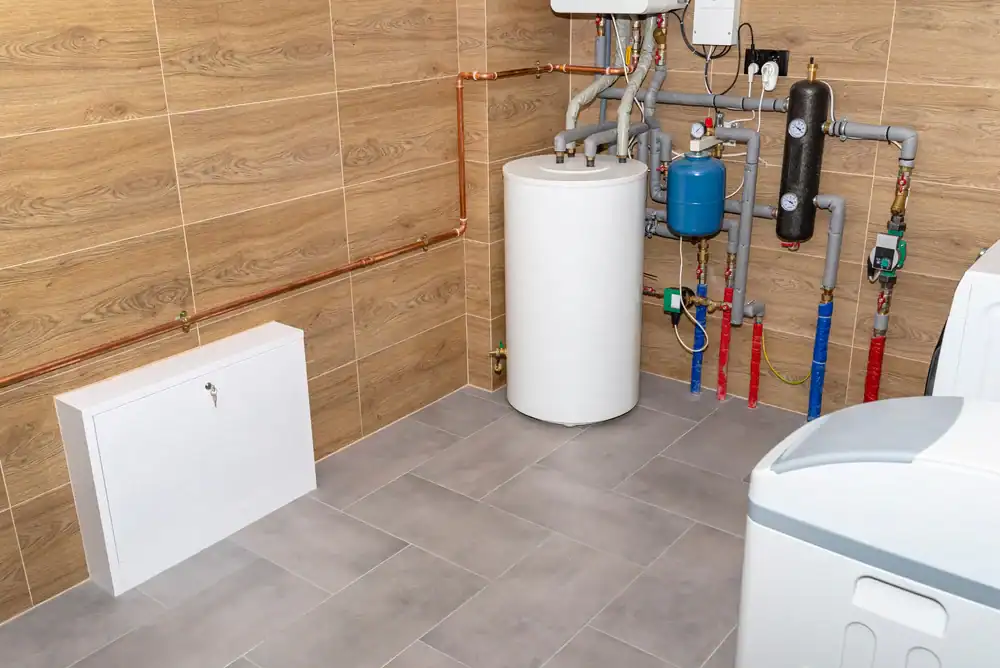
Your water heater’s on its last leg. Maybe the hot water runs out halfway through a shower. Maybe you’re hearing noises that weren’t there before. Or maybe there’s a puddle forming where there shouldn’t be one.
Now you’re stuck with a question nobody wants to face: do you repair it or replace it? The answer depends on age, cost, and what’s actually wrong. This guide walks you through the decision without the runaround—just the information you need to make the right call for your home and your budget.
Hot Water Tank Repair: When It Makes Sense
Not every water heater problem means you need a new unit. Sometimes a repair is the smart move—especially if your system is relatively young and the issue is isolated.
If your water heater is under seven years old and you’re dealing with something like a faulty thermostat, a worn heating element, or a pressure relief valve that needs replacing, repair usually makes financial sense. These are common wear-and-tear parts that can be swapped out for a few hundred dollars, and you’ll likely get several more years out of the unit.
The key is whether the tank itself is sound. If the problem is with a component—not the tank—and the unit hasn’t been a recurring headache, repair is typically the right call. You’re fixing what’s broken without replacing what still works.
Common Water Heater Repairs and What They Cost
Understanding typical repair costs helps you evaluate whether a fix is worth it or if you’re better off putting that money toward a replacement. Here’s what you’re looking at for the most common water heater repairs in Brevard County.
Thermostat replacements usually run between $150 and $200. If your water’s too hot, too cold, or inconsistent, the thermostat is often the culprit. It’s a straightforward fix that doesn’t take long and can restore normal operation quickly.
Heating element replacement costs around $200 to $300. Electric water heaters have two elements—one at the top, one at the bottom—and when one fails, you’ll notice a drop in hot water availability. Replacing a failed element is common and relatively affordable.
Pressure relief valve replacement typically falls in the $150 to $300 range. This valve is a critical safety component that releases pressure if the tank gets too hot. If it’s leaking or not functioning properly, it needs to be replaced—but it’s not a sign the whole unit is shot.
Anode rod replacement costs between $250 and $300. The anode rod is designed to corrode so your tank doesn’t. If it’s completely deteriorated, replacing it can extend your water heater’s life by several years. It’s one of the most valuable maintenance tasks you can do.
Tank flushing and sediment removal runs about $100 to $200. In Brevard County, where hard water accelerates mineral buildup, annual flushing is essential. Sediment at the bottom of the tank reduces efficiency, causes strange noises, and shortens the unit’s lifespan. Flushing clears it out and restores performance.
If your repair estimate is climbing above $500 and your unit is over eight years old, that’s when the math starts to shift. You’re approaching half the cost of a new unit, and you’re gambling that nothing else fails in the near future.
How Long Do Water Heaters Last in Brevard County?
Lifespan matters when you’re deciding whether to repair or replace. A six-year-old unit with a broken thermostat? Fix it. A twelve-year-old unit with the same problem? That’s a different conversation.
In most of the country, water heaters last 10 to 15 years. But in Brevard County, you’re looking at 8 to 12 years on average. Florida’s hard water and humid climate accelerate wear. Mineral-rich water causes sediment buildup faster, and the heat and humidity promote corrosion.
If your water heater is approaching or past the 10-year mark, even minor repairs become questionable. You’re not just fixing the current problem—you’re buying time on a unit that’s statistically near the end of its useful life. The next failure could be right around the corner.
Age is one of the clearest indicators of whether repair makes sense. A seven-year-old unit with a $300 repair? You’ll likely get another three to five years out of it. A twelve-year-old unit with the same repair? You might get six months, or you might get two years. The odds aren’t in your favor.
This is where honest assessment matters. If we tell you the unit is old and repair is a gamble, that’s not a sales pitch—that’s reality. On the other hand, if a plumber pushes replacement on a four-year-old unit with a simple fix, that’s a red flag.
The decision comes down to cost, age, and risk. If the repair is affordable and the unit is relatively young, repair makes sense. If the unit is old and you’re facing multiple issues or expensive fixes, replacement is usually the smarter long-term investment.
Water Heater Replacement: When It’s the Right Move
There comes a point where repair stops making financial sense. Replacement isn’t always about what’s broken—it’s about what’s coming.
If your water heater is 10 years or older, you’re in replacement territory. Even if the current issue is fixable, the unit is statistically near the end of its lifespan. Investing in repairs now doesn’t change the fact that you’ll likely need a new unit within a year or two anyway.
Multiple repairs in a short timeframe are another clear sign. If you’ve called a plumber twice in the past 18 months, that pattern usually continues. You’re not fixing the problem—you’re delaying the inevitable while the bills add up.
Tank corrosion or rust is non-negotiable. If you see rust on the outside of the tank, or your hot water comes out discolored, the tank itself is failing. There’s no repair for that. Once the tank corrodes, replacement is the only option.
What Does Water Heater Replacement Cost in Brevard County?
Replacement costs vary based on the type of unit, the complexity of the installation, and any additional work required to bring things up to code. Here’s what you’re looking at in Brevard County.
Traditional tank water heaters typically cost between $1,200 and $2,500, including the unit and installation. That’s for a standard 40- to 50-gallon tank with a straightforward swap. If you’re replacing like-for-like and there are no complications, you’ll land somewhere in that range.
Tankless water heaters run higher—usually between $3,000 and $6,000. The units themselves cost more, and the installation is more involved. But tankless systems last longer (up to 20 years), take up less space, and can lower your energy bills over time. For some homes, the upfront cost pays off.
Beyond the unit and labor, there are a few other potential costs. If your home’s water pressure is above 80 psi, code may require a pressure-reducing valve (PRV), which adds $100 to $300. If you’re on a closed system, an expansion tank may be required, adding another $100 to $400.
Permits are another factor. In Brevard County, permit requirements vary by jurisdiction. Some areas don’t require permits for like-for-like replacements, while others do. We handle the permit process and ensure the installation meets code, which protects you from insurance issues and future headaches.
Gas water heaters may require venting modifications or gas line work, which can add to the cost. Electric water heaters are usually simpler to install, but if you’re upgrading to a higher-wattage unit, electrical work may be needed.
The total cost depends on your specific situation, but transparency matters. We’ll walk you through what’s included, what’s optional, and what’s required by code. You should know the full picture before any work starts.
Natural Gas Hot Water Tank vs. Electric: What’s the Difference?
If you’re replacing your water heater, you might be wondering whether to stick with what you have or switch fuel types. Gas and electric water heaters each have advantages, and the right choice depends on your home, your budget, and your priorities.
Natural gas hot water tanks heat water faster and have quicker recovery times. If you have a larger household or high hot water demand, gas is usually the better option. Gas heaters also work during power outages, which can be valuable in storm-prone areas like Brevard County.
The downside is that gas heaters cost more upfront and require venting to the outside. If your home doesn’t already have a gas line, running one adds significant cost. Gas heaters also require more maintenance—vents need cleaning, gas connections need checking, and there’s the added safety consideration of working with natural gas.
Electric water heaters are more energy-efficient, converting about 98% of the energy they use into heat, compared to 80-85% for gas. They’re cheaper to buy, easier to install, and don’t require venting. If you’re replacing an electric unit with another electric unit, the installation is usually straightforward.
The tradeoff is that electricity typically costs more than natural gas per unit of energy, so monthly operating costs can be higher. Electric heaters also have slower recovery times, meaning it takes longer to reheat the tank after heavy use. And if the power goes out, so does your hot water.
In Brevard County, both options are common. If you already have a gas line and your household uses a lot of hot water, gas makes sense. If you’re looking for lower upfront costs, simpler installation, and higher efficiency, electric is a solid choice.
The decision isn’t always about which is better—it’s about which fits your home and your needs. We’ll explain the pros and cons based on your specific situation, not just push one option over the other.
Hot Water Heater Maintenance That Extends Lifespan
Whether you repair or replace, maintenance determines how long your water heater lasts. In Brevard County, where hard water and humidity accelerate wear, regular upkeep isn’t optional—it’s essential.
Annual tank flushing is the single most important thing you can do. Sediment from mineral-rich water settles at the bottom of the tank, reducing efficiency and causing the popping or rumbling noises you might hear. Flushing clears out that buildup and helps the unit run like it should. In hard water areas like Brevard County, some plumbers recommend flushing every six months.
Anode rod inspection should happen at least once a year. The anode rod is a sacrificial component designed to corrode so your tank doesn’t. Once it’s fully deteriorated, the tank starts rusting from the inside. Replacing the anode rod when it’s worn can add years to your water heater’s life.
Temperature settings matter too. Most water heaters are set too high—often 140 degrees or more. Setting your water heater to 120 degrees is safer, more energy-efficient, and reduces mineral buildup. It’s hot enough for showers and dishes but won’t scald anyone or waste energy.
Testing the temperature and pressure relief valve annually ensures it’s functioning properly. This valve is a critical safety feature that releases pressure if the tank overheats. If it’s not working, the tank could overpressurize—a serious safety risk.
Regular maintenance doesn’t just extend lifespan. It improves efficiency, lowers energy bills, and catches small problems before they become expensive failures. A well-maintained water heater in Brevard County can reach the upper end of its expected lifespan, while a neglected one might fail years early.
Common Questions About Water Heater Repair and Replacement
Here are answers to the questions Brevard County homeowners ask most often when they’re facing water heater decisions.
How much does a plumber cost per hour in Brevard County? Plumber hourly rates in Florida typically range from $25 to $35 per hour for licensed professionals, though rates can vary based on experience and the complexity of the work. Many plumbers charge a flat rate for common jobs like water heater repairs or replacements rather than hourly, which gives you a clearer picture of total cost upfront.
Should I repair a 10-year-old water heater? It depends on what’s wrong and how much the repair costs. If it’s a minor fix under $300, you might get another year or two out of it. But if you’re looking at a $500+ repair on a 10-year-old unit, replacement usually makes more sense. You’re near the end of the unit’s expected lifespan, and the next failure is likely coming soon.
How long does water heater replacement take? A straightforward tank-to-tank replacement usually takes 2 to 4 hours. If there’s additional work—like installing a PRV, adding an expansion tank, or modifying venting—it can take longer. Tankless installations are more involved and may take 4 to 6 hours or more.
Do I need a permit to replace my water heater in Brevard County? Permit requirements vary by jurisdiction. In some unincorporated areas of Brevard County, like-for-like replacements under 4,500 watts may not require a permit. But many cities do require permits for water heater replacement. We know the local requirements and handle the permit process for you.
What are the signs my water heater is failing? The most common signs are inconsistent water temperature, running out of hot water faster than normal, strange noises like popping or rumbling, rusty or discolored hot water, visible corrosion on the tank, and leaks. If you’re seeing multiple signs, or if the unit is over 10 years old, it’s time to have a professional take a look.
Can I switch from gas to electric or vice versa? You can, but it’s not always straightforward. Switching from electric to gas requires a gas line and proper venting, which can add significant cost. Switching from gas to electric may require electrical upgrades. Most homeowners stick with the same fuel type unless there’s a compelling reason to switch.
Making the Right Call for Your Brevard County Home
The repair vs. replacement decision comes down to age, cost, and what’s actually wrong. If your unit is young and the fix is affordable, repair makes sense. If it’s old, failing repeatedly, or showing signs of tank corrosion, replacement is the smarter move.
You don’t need a sales pitch—you need honest information and a plumber who’ll tell you the truth. That’s what we’ve been doing in Brevard County since 2007. Transparent pricing, straight answers, and 45+ years of experience mean you get the guidance you need to make the right call.
If your water heater’s giving you trouble and you’re not sure what to do next, we can help. Whether it’s a quick repair or a full replacement, you’ll know exactly what you’re paying and why—before any work starts.